New film by Anatoly Balchev about Vysotsky shown in Kazan
In it, the director visualizes certain episodes from the life of the great bard
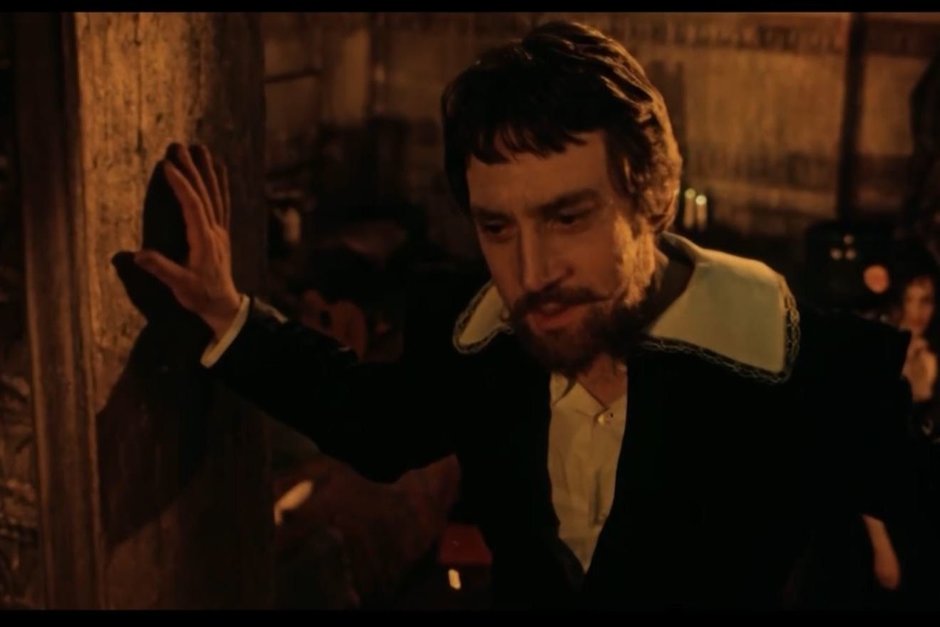
A new film about Vladimir Vysotsky has been presented by screenwriter and director Anatoly Balchev. In the film “Vysotsky. Unknown Pages” (18+), he visualizes some facts from the life of the actor, bard, and poet, including his meeting with Nikita Khrushchev and friendly jokes with Andrei Tarkovsky. The patchwork structure of the film allows one to confidently say after watching: you learned something about Vysotsky, but even more — you somehow forgot.
Anatoly Balchev — from jazz to documentaries
Anatoly Balchev began as a musician, playing in the “Kipa-Jazz” band at the “Arkhangelskoye” restaurant in Moscow, a landmark place of the 1970s for party bosses, cultural stars, and gangsters alike. Covers of Vysotsky's songs were also played there.
Balchev was a theater director and playwright; since the late 90s, his studio “Apollo-film” has been producing documentaries, for example, a film about Mikhail Shemyakin. In 2017, Balchev released the Russian-American feature film “The Passenger from San Francisco” based on Ivan Bunin.
In the 1970s, Balchev was friends with Vysotsky, who also visited “Arkhangelskoye.”
In January 2018, the director released the film “Unknown Pages. The Odessa Notebook” (18+), which tells about the bard's life in Odessa. It was shown in Kazan in 2021. News that Balchev was working on the next film emerged back in 2019. The director talked about it, for instance, in London while showcasing the first film.
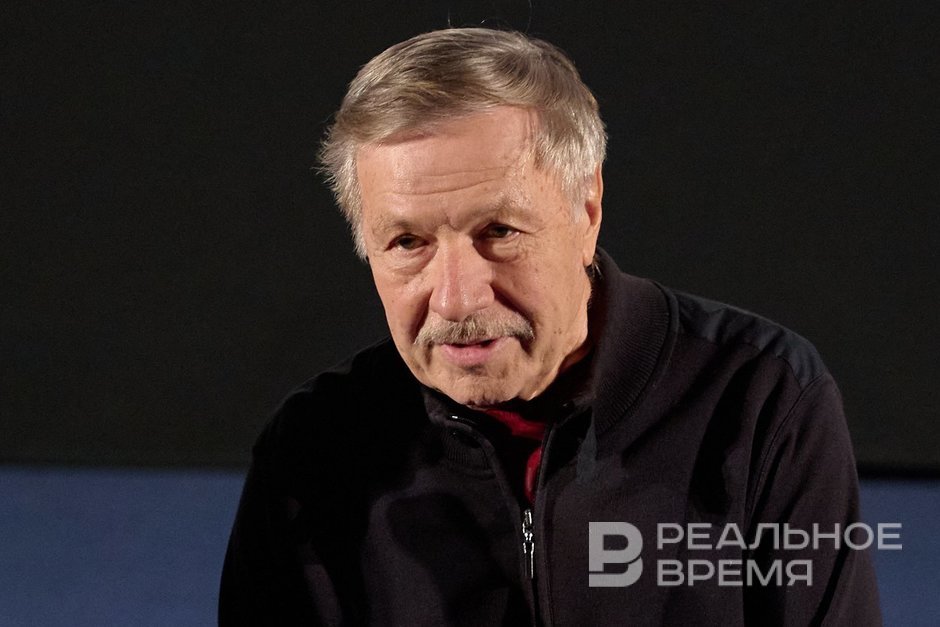
“Unknown Pages” has previously been shown at festivals in Cannes, Venice, and London, at the So Independent Film Festival and Awards. In Kazan, while waiting for guests delayed by traffic, the host, “Tatarkino” specialist and big Vysotsky fan Svetlana Govorunova, bombarded Balchev with questions.
“Our Film is an Investigation”
— Vysotsky's short life path is still a subject of discussions and debates. Our film is an investigation; we will try to answer the question: can young actors even come a little closer to the image of Vladimir Vysotsky? — the director noted, indicating that his film uses the biopic technique.
In this case, it meant that Balchev shot some fragments of the film as fiction cinema. Since “it's impossible for just one actor to play Vysotsky," different artists play him here.
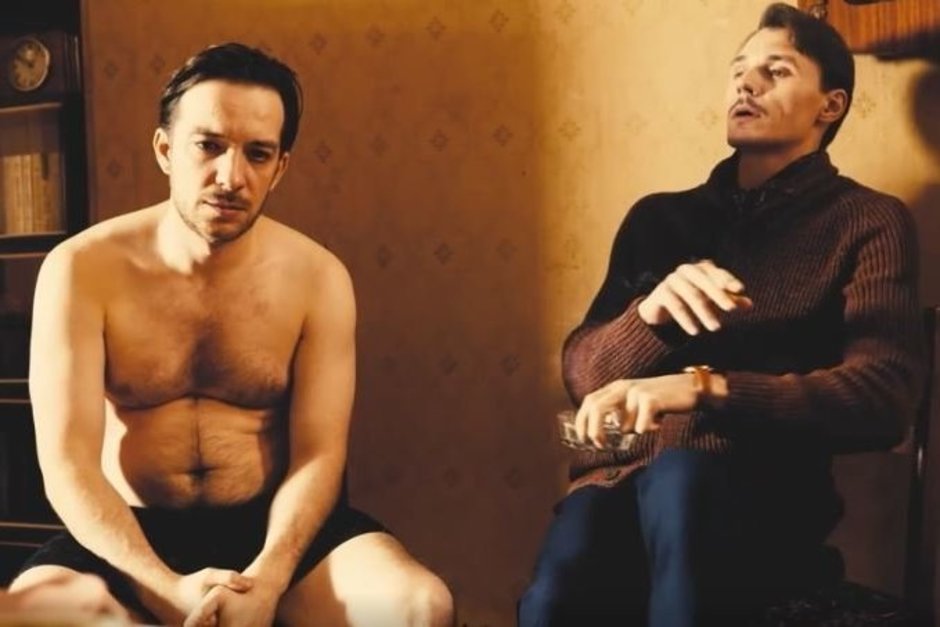
Thus, the viewer can see Vysotsky receiving a fee, after which friends buy a case of champagne and give him a dedication bath. And Andrei Tarkovsky jokes: well, that's it, now only Hollywood awaits. Vysotsky promises to act in his films. He never did.
Or another scene — Nikita Khrushchev's granddaughter Yulia brings the comrade to the former General Secretary's dacha. He shows him photographs, the singer performs “The Rock Climber” for him and asks for help, but gradually realizes nothing will come of it. Security agents lurk around the dacha.
The most vivid episode is a trip with translator David Karapetyan to Huliaipole in the Zaporizhzhia region, the homeland of Nestor Makhno. Karapetyan wrote about this in his book “Vladimir Vysotsky. Between Word and Glory.” In the film, the friends get into an accident and then encounter local hooligans, who are initially insolent but then recognize the star. Balchev also visualizes a fragment from an unmade film about Makhno.
Meetings, Women, Songs, Whirlwind
The film includes many fragments from well-known films: “The Meeting Place Cannot Be Changed," “Little Tragedies," “The Bad Good Man.” Suddenly, a fragment from a TV program intrudes into the narrative, then Mikhail Shemyakin appears, Vysotsky's second wife Lyudmila Abramova admires Marina Vlady.
Balchev himself is also a constant participant in the filming; a significant part of the film is dedicated to the story of the creation of his song “The starched collar is hemmed...” (“Suicide Attempt”) set to Vysotsky's poems, which the poet himself gave to the composer. Balchev was supposed to be the composer for Vysotsky's first directorial film, “The Green Van," a grotesque adventure comedy. The singer abandoned the plans, and the TV film was made by Alexander Pavlovsky in 1983 with music by Maxim Dunaevsky.
While the film is rich in material, its logic remains unclear. It seems that Balchev isn't making a single film, but rather a fragment of a large canvas in which he wants to tell about everything — a little about himself, about his Moscow youth, about Vysotsky's women, about his close friends, varying styles from TV reportage to fiction cinema. However, perhaps the epic version is correct, because the director is currently working on a third film — in which he particularly wants to show young people singing the poet's songs.