Meindert De Jong: “I write children's books… and I don't go hungry”
On the 120th anniversary of the author of “The wheel on the school”: he survived the Great depression, collected most major prizes, but couldn't overcome personal loss
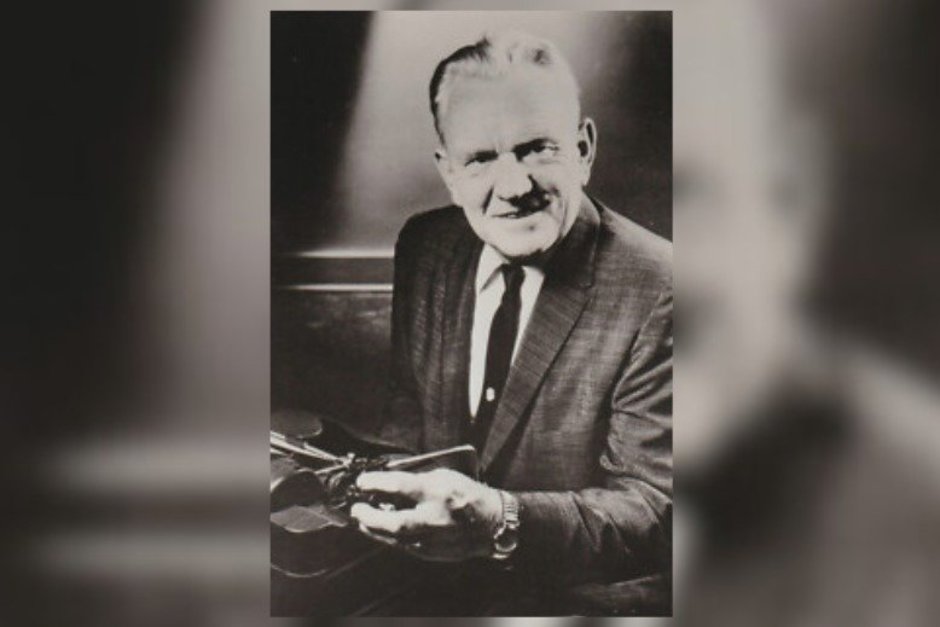
Today marks the 120th anniversary of the birth of Meindert De Jong — an American children's writer of Dutch origin, winner of the Newbery Medal and the Hans Christian Andersen International Award. De Jong became one of the most prominent authors of children's literature in the mid-20th century, receiving most of the highest honors in this field and appearing on Newbery Medal lists five times. Literary columnist for Realnoe Vremya, Yekaterina Petrova, tells the story of how Meindert De Jong survived emigration and the Great Depression, went hungry on a “Depression farm," turned to writing, produced a vast number of kind-hearted books, and was unable to overcome personal tragedy.
“I went hungry on that depression farm”
Meindert De Jong was an American children's writer of Dutch origin. He was born on March 4, 1906, in the village of Wierum, in the province of Friesland in the Netherlands. His father was architect Remmeren (Raymond) R. De Jong, and his mother was Jantje (Jennie) De Jong. On the day of his birth, the North Sea breached the dike and flooded the village. This happened during one of the fierce storms of the North Atlantic. The boy was born weak and small. In his early years, he suffered from pneumonia three times, and the entire village prayed for his survival.
In 1914, the family emigrated to the United States to protect his older brother from being drafted into the army during World War I. They settled in Grand Rapids, Michigan. The parents were Calvinists, and De Jong attended a Christian school. Not knowing English, the children had to start their education in lower grades despite their good schooling in Holland. Meindert graduated from Meintian High School in 1924. He then attended the University of Chicago but returned and completed his studies at Calvin College in 1928. During his studies, he sold stories to The Young Calvinist magazine.
After graduating from college, De Jong taught at Grundy College in Iowa, where he edited the student newspaper. In 1930, he left teaching because his salary was paid not in cash but in scrip (temporary money used due to cash shortages during the Great Depression). Meindert returned to his father's farm in Michigan, raised poultry, and sold eggs. He later recalled: “I went hungry on that Depression farm… There was no work for love or money — there was no money.” Publishing stories in magazines also didn't pay; they were all shutting down.
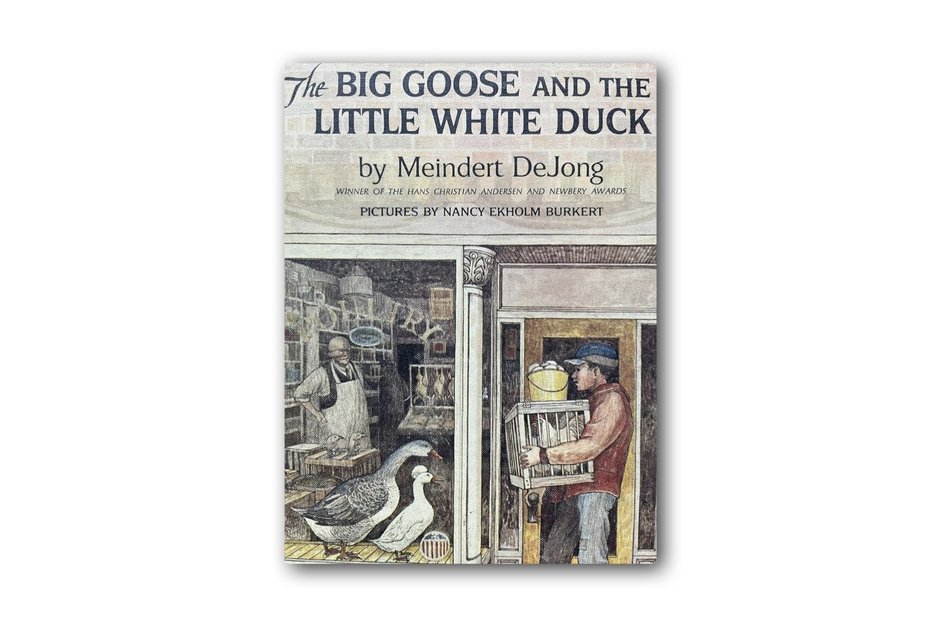
A turning point came when he met a librarian who was amused by his stories about domestic fowl. On her advice, Meindert wrote a book for children. In 1938, Harper and Brothers published his debut — “The Big Goose and the Little White Duck” — dedicated to the librarian May G. Quigley. The book described his goose as an interesting individual, with high intelligence and a stubborn temperament. De Jong spoke modestly about his success: “The book turned out to be acceptable, and since then I've been writing children's books… and I don't go hungry — a notable and very convenient improvement.” He worked with this publishing house throughout his career.
During World War II, already a US citizen, De Jong served in the US Air Force in China as part of the 14th Air Force. He had hoped to work as a Dutch translator but was instead appointed historian of the 68th Composite Wing. His service experience formed the basis for the book “The House of Sixty Fathers” (1956), inspired by the story of a young Chinese refugee boy. The manuscript was written during his service but was not published immediately due to its “harsh content” and military security concerns.
After the war, De Jong continued his literary career. He wrote 27 books in total, seven of which are set in the Netherlands. In the 1950s, his books were illustrated by Maurice Sendak, who illustrated seven of his works in total. De Jong dedicated the book “The Singing Hill” (1962) to Sendak.
Storks, a wheel, and six restless schoolchildren
“The Wheel on the School” (1954) is a children's novel by Meindert De Jong, illustrated by Maurice Sendak. The book is set in the fishing village of Shora on the shores of the North Sea. The plot revolves around a question asked by Lina, the only girl among the six students in the local school. During a lesson, she spontaneously writes a composition about storks and asks why they don't nest in their village, while in other places, including neighboring Nes where her aunt lives, storks are present. The teacher reads Lina's composition aloud and suggests the children “seriously think” about why the storks don't come:
But perhaps everything will change if we seriously think: why don't storks come to our village? School will end soon; tomorrow you'll come and tell me what you've thought, and who knows, maybe wonders will begin. You just have to want something badly enough.
In Shora, storks are a symbol of good luck, but they never nest in this village. The children discover that the roofs of the houses are too steep, and the birds have nowhere to build a nest. The solution is to place an old wagon wheel on the peak of a roof so the storks can build their nest on it. Especially since in neighboring villages, wheels are placed on roofs every year. However, finding a wheel in the small village proves difficult: people still need them for their carts, and the children must search the entire area for old wheels.
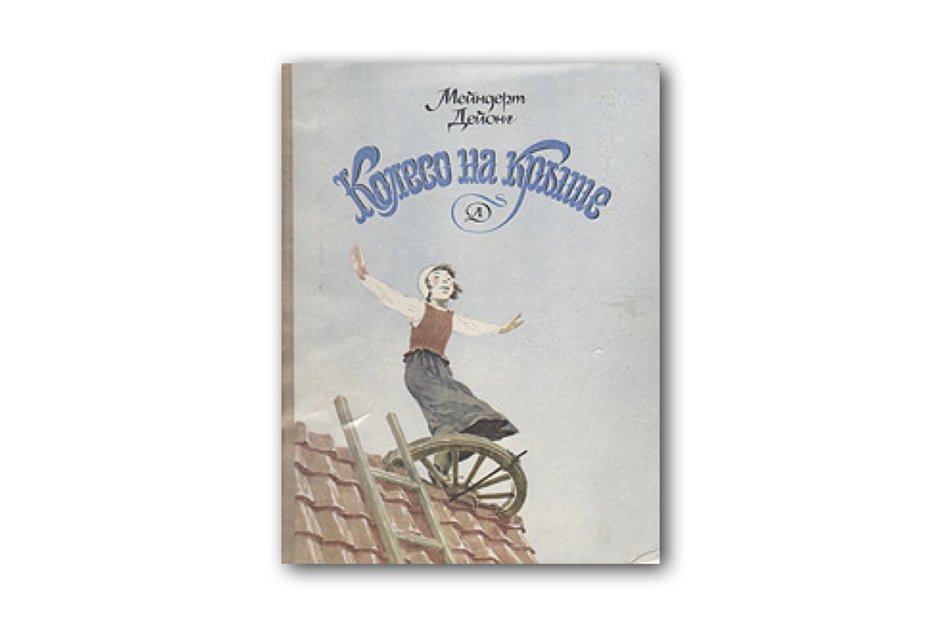
The six schoolchildren — Lina, Auka, Jella, Eelka, and the twins Pier and Dirk — gradually involve the adults in their mission. At the beginning of the story, it's said about the villagers: “Of course, other houses also have people living in them, but they are adults; we won't visit them yet. Of course, other houses also have children, but they are little ones, too young for school; we'll visit them later.” As the plot develops, this perception changes. The oldest inhabitant, Grandmother Sibyl III, tells Lina that storks used to be in Shora and suggests they “think like storks.” She has a tin candy box with a picture of nesting storks on it.
Other residents join the search for the wheel: old Douwa, legless Janus, the tinsmith with his horse that sometimes obeys commands and sometimes doesn't, and the fishermen who spend most of their time at sea. They return during a storm and help place the wheel on the school roof.
The book provides a detailed picture of life in a small Dutch fishing village: a single copy of the newspaper for everyone, wooden shoes, the tinsmith mending pots, mothers and children while the men are at sea. Maurice Sendak's illustrations — black-and-white vignettes — accompany the text, showing the characters' clothing, their wooden shoes, and scenes of collective work.
The story was written in 1954. Less than a decade before receiving the Newbery Medal, De Jong was experiencing a creative crisis. Editor Ursula Nordstrom wrote to him in the summer of 1947: “There is absolutely no reason for you to be discouraged. I admit this is a difficult time in your writing life, but it won't last forever. You know and I know that you can write, feel, and think books better than all this bloodless competition, and you must remember that and get back to work, and sooner or later everything will work out again.”
“The Wheel on the School” is the only book by De Jong translated into Russian, back in 1980.
“Nothing! Thank God, absolutely nothing!”
In the 1950s, Meindert De Jong's books gained widespread recognition and were repeatedly honored with leading literary prizes. The American Library Association awarded the novel “The Wheel on the School” the John Newbery Medal in 1955; two years later, its translation received the German Children's Literature Prize. The Newbery Medal committee honored De Jong five times — more than any other author to receive this award. In 1954, two of his books received honorary Newbery citations: “Shadrach” (1953) and “Sandy Speeds Home” (1953). Later, “The House of Sixty Fathers” (1957) and “Along Came a Dog” (1959) also became Newbery Honor Books.
In addition, “The House of Sixty Fathers” received the Josette Frank Award in 1956, as well as an award from the Association for Childhood Studies. The novel “Journey from Peppermint Street” (1968) won the first National Book Award in the children's literature category in 1969. The Catholic Library Association awarded the writer the Regina Medal for his contribution to children's literature. In 1962, De Jong became a laureate of the Hans Christian Andersen International Award — the highest international recognition for an author of children's books. Meindert De Jong was the first American writer to receive this award.
Critics generally highly praised his works, especially the portrayal of children, animals, and his native country. However, in the 1970s, De Jong's books were increasingly accused of excessive sentimentality.
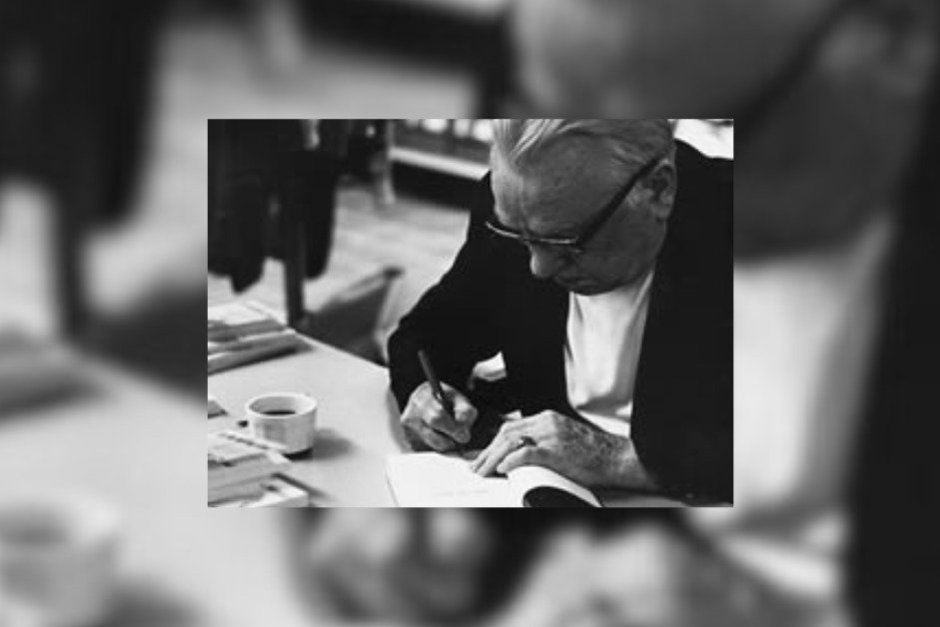
De Jong himself formulated his understanding of the writer's task in an article for The New York Times. When asked what he aimed to convey to his young readers, he replied: “Nothing! Thank God, absolutely nothing!” According to him, his “only mission is to tell a story," and a child has “as innate a right to a good story and nothing but a story — without the hangover or overload of intended instruction.” The writer emphasized that he shouldn't even be conscious of the child as an audience. The only child an author should remember is the “child-character in the book as a living, whole being.” If such an image is created, “then subconsciously, inevitably” it might convey something to the reader. But if the author “deliberately puts it in," it would be “a shame” and “an insult to the child-reader.”
After divorcing his first wife in 1962, Meindert De Jong married Beatrice DeClaire McElwee and moved to San Miguel de Allende in Mexico. In 1968, the couple moved to Chapel Hill, North Carolina, and in 1973 to Allegan, Michigan. After Beatrice's death in 1978, De Jong fell into depression and stopped writing. In 1979, he married for the third time — to Gwendolyn Jonkman Zandstra — and officially retired as a writer in 1986.
He spent his last years in Michigan. Meindert De Jong died on July 16, 1991, at a hospital in Allegan at the age of 85. His wife Gwendolyn reported that the cause of death was emphysema.
Yekaterina Petrova is a literary columnist for the online newspaper Realnoe Vremya and hosts the Telegram channel «Булочки с маком».