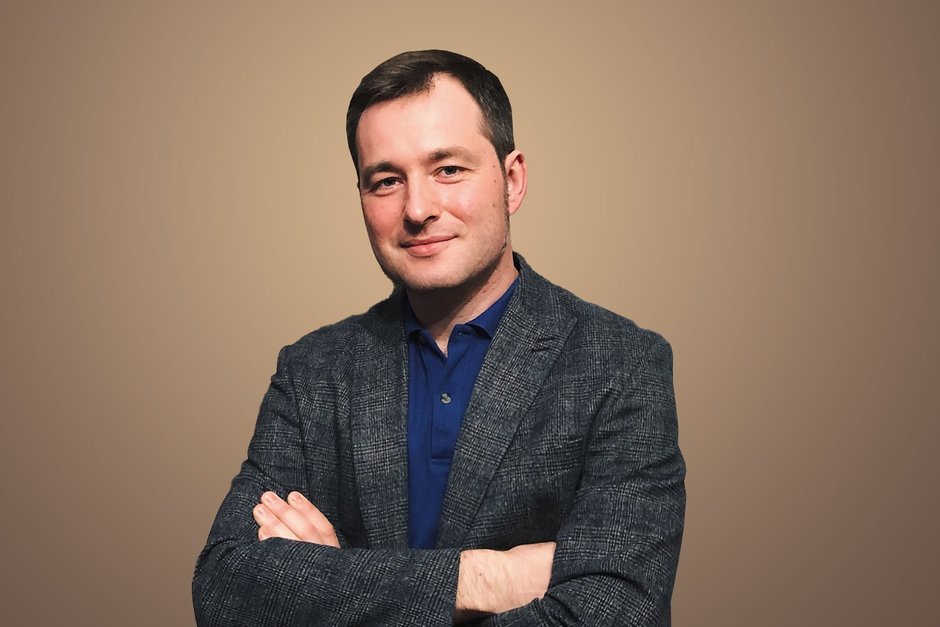
Maxim Alontsev: “Ayatollah Arafi is a man of the system who has held quite important positions”
Iranologist, associate professor at HSE — on the personality of Khamenei’s interim successor and whether Iran has truly declared jihad on the us and Israel
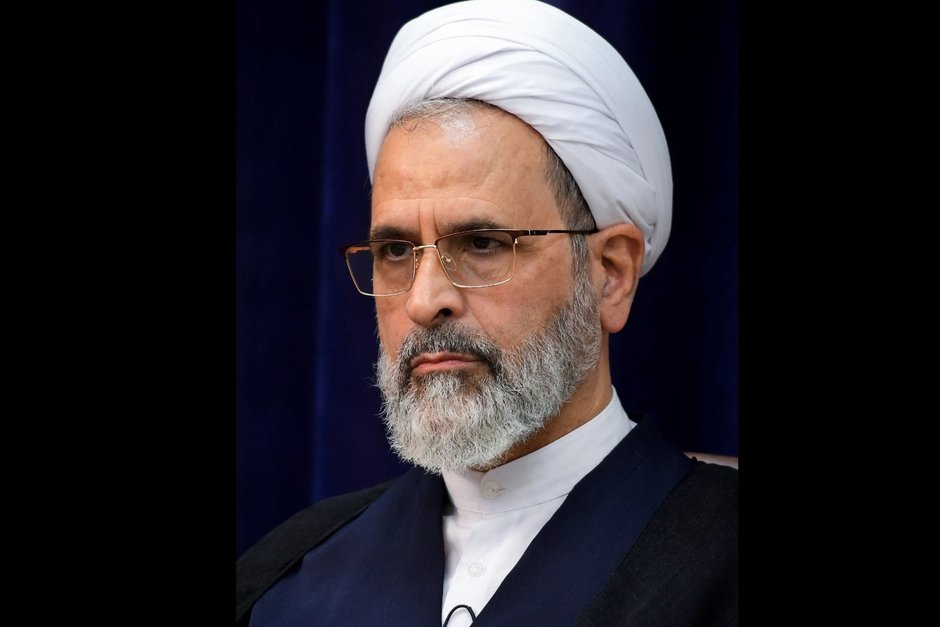
Following the death of Ali Khamenei, Ayatollah Alireza Arafi has been appointed as the interim leader of Iran. Concurrently, information appeared in the media today that Ayatollah Makarem Shirazi has declared jihad on the US and Israel. Who is Alireza Arafi, what political line can be expected from him, does he have a chance to become Iran's permanent leader, and what exactly is jihad? Iranologist Maxim Alontsev, Associate Professor at the Institute for Oriental and Classical Studies, Faculty of Humanities, HSE University, explains in a short interview for Realnoe Vremya.
— What do you know about Ayatollah Arafi? Is there any information about him in specialist circles?
— To be honest, a detailed understanding of Alireza Arafi probably exists only among very narrow specialists who closely follow the Iranian clergy. Arafi is a man of the system who has held quite important positions.
He oversaw the educational sector — in other words, he controlled the reproduction of the state's new religious elite. He also headed Al-Mustafa International University, where representatives of other countries receive Shiite religious education. Furthermore, he was the Friday prayer Imam in Qom, where the key Shiite educational institutions are located — the leader of the Islamic Revolution, Ruhollah Khomeini, studied and taught there, as did the now-former Rahbar (Supreme Leader) of Iran, Ali Khamenei, and other prominent figures of the religious establishment.
From the outside, these credentials might not seem very important, but only a person considered highly reliable from the system's perspective can hold them.
— What is known about Alireza Arafi's domestic and foreign policy views?
— Arafi is a conservative. At least, that is the only conclusion that can be drawn from his statements on key issues. He has spoken out against relaxing policies on the hijab, which is one of the most acute social issues in contemporary Iran. His statements during recent protests have strictly followed the official rhetoric: we talk to protesters, but not to rioters.
Arafi is also a proponent of developing the “Eastern” direction in foreign policy; he has specifically spoken about the need to create a long-term plan for developing relations with Russia (in the Iranian worldview, our country, since Soviet times, is contrasted with the “West” and, along with China, is referred to as “Eastern”).
And one more important detail: the media has long been rife with rumors about a potential successor to Ali Khamenei, and Arafi's name was also mentioned among the possible candidates.
— What further actions can be expected from him? Is he an independent figure or a nominal one?
— It's important to understand that he is not an “acting Rahbar” or anything like that. Officially, Arafi is one of three members of the interim governing council (along with President Pezeshkian and the head of the judiciary, Ejei). According to the constitution, they are to handle governance matters until a new Supreme Leader is elected, which, according to the normative framework, must be done “as soon as possible.”
The powers of this council are very vague, so it's hard to talk about real influence. Especially in conditions of military action and existing non-public hierarchies — if media leaks are to be believed, the Iranian leadership has developed certain protocols for wartime to ensure the system's manageability and resilience in the event of the elimination of key figures. So we currently know little about the actual governance hierarchy.
— Can it be assumed that he will become the permanent leader?
— Yes, such a possibility exists; moreover, he was named among the potential successors, as I already mentioned. However, there are many “buts.” In the history of the Islamic Republic, this procedure has been carried out only once — in 1989 after Khomeini's death. And it required amendments to the version of the constitution in force at that time.
There are several possible scenarios. The “standard” scenario is that the election proceeds under the current rules (the Rahbar is elected by the current composition of a special body, the Assembly of Experts). In that case, it seems to me, Arafi's chances are high. The “non-standard” scenario is that some reconfiguration of the current system is required, and the new Supreme Leader emerges as a result of an intra-system struggle. Then some new figures might appear on the political scene.
Finally, we cannot rule out a more serious transformation of the system and the creation of some kind of collective governing body. In conditions of military action, naturally, any transformations could either stall until it ends, or, conversely, accelerate significantly. In any case, it's important to remember one thing: Ali Khamenei was not a favorite in the race for the post of Rahbar for a long time in the 1980s, so surprises are quite possible.
— What does Ayatollah Shirazi's declaration of jihad against the US and Israel mean? What is implied?
— It means nothing; it's a fake picked up by the media. The only text close in content that I managed to find was Ayatollah Makarem Shirazi's condolences on the occasion of Khamenei's death. The word “jihad” is indeed present there, but not in the specific sense of “holy war," but in the broader sense — “the believer's effort on the path to God.”
In Islamic religious sciences, this term has a much broader usage than is commonly thought from the outside. In the Islamic Republic, the idea of “constructive jihad” — the reconstruction of the country (especially after the Iran-Iraq war) — was widely promoted. There is also the concept of “agricultural jihad” — efforts to strengthen agriculture. This could be discussed at length, but it is obvious that Makarem Shirazi did not mean “war against the infidels.”