Why blue-collar jobs have become the new stars of the labour market — and what it means
An expert explains why “blue-collar workers” have overtaken IT specialists and engineers in popularity among employers
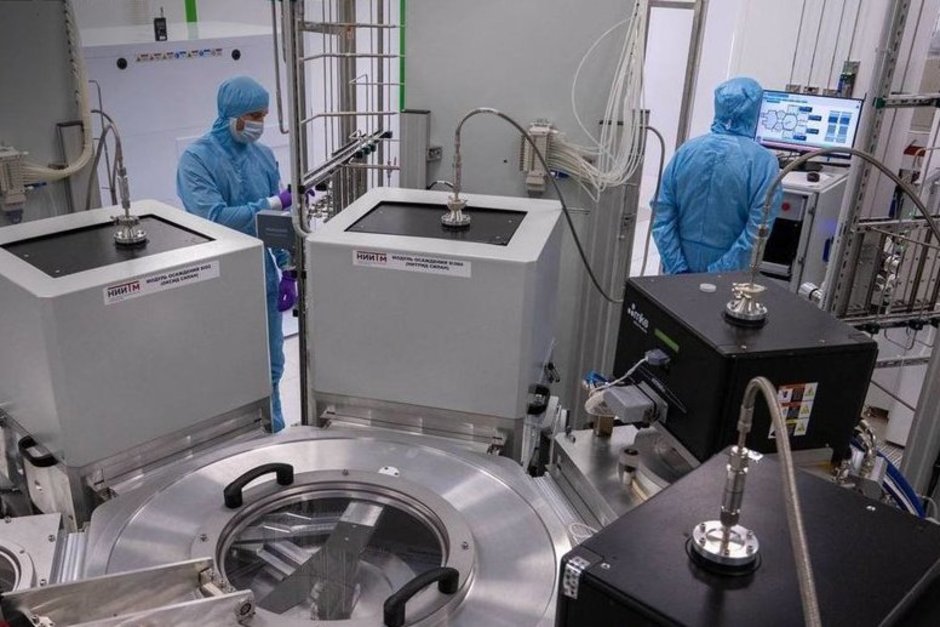
In Russia, the popularity of blue-collar occupations has risen markedly, with “blue-collar workers” increasingly topping rankings of the most in-demand professions. Among the most sought-after are welders, electricians and bricklayers. This trend is a reason to seriously reconsider which specialists are being trained and for what kind of economy, believes Galina Akhmerova, founder of the Darwin Foundation for the Development of Accessible Modern Education and creator of the Round platform. In an opinion column for Realnoe Vremya, the expert outlines the main changes in the labour market, the shortage not of manual labour in the classical sense, but of technologically skilled specialists.
Rising demand for blue-collar jobs is not a signal to abandon higher education
Just a few years ago, blue-collar professions were perceived as a forced choice — “if you failed to get into university”. Today, the situation is changing: qualified workers are becoming a scarce and expensive resource, and the labour market is competing for them. This is a reality that is hard to dispute. But a far more important question is whether we correctly understand what is happening and what conclusions we draw from it.
As someone who has worked for many years at the intersection of business, technology and education, I see a risk of replacing strategic thinking with tactical decisions. The growth in demand for blue-collar jobs is not a signal to “cancel higher education”, but a reason to seriously reconsider which specialists we are training today and for what kind of economy.
In recent years, Russia has seen a sharp rise in demand for qualified blue-collar workers and an increase in the prestige of “working professions”. According to research data, the share of Russians who consider the work of a qualified worker to be the most respected grew from 12% to 45% in a single year, and for the first time “blue-collar workers” overtook IT specialists and engineers in the rankings.
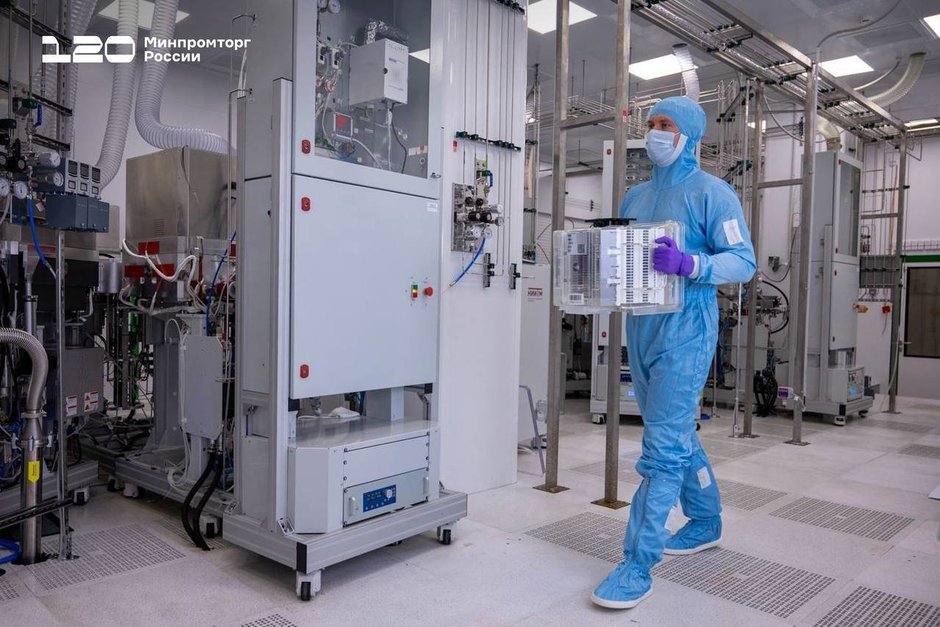
The share of Russians who consider the work of a qualified worker to be the most respected rose to 45% over the year, and for the first time “blue-collar workers” overtook IT specialists and engineers in the rankings.
At the same time, a shortage of such specialists persists: according to recruitment platforms, blue-collar professions are in particularly short supply. Employers expect growth in labour productivity to become the key trend of 2026 and are already compensating for staff shortages by raising wages and improving working conditions. For example, analysts note that the incomes of qualified builders, welders and installers in a number of regions are catching up with or exceeding the salaries of mid-level office specialists, while age (50+) is increasingly less of a barrier to hiring.
However, it is important to note a fundamental point: today’s labour market is extremely unstable. The distance between a “jobseeker’s market” and an “employer’s market” is now minimal. A single economic, technological or regulatory shift is enough for the pendulum to swing sharply in the opposite direction.
Today, the market dictates that there is a shortage of “smart working hands”. Tomorrow, a new imbalance is possible, and we may again see a mass turn among young people towards vocational education as a reaction to the current shortage rather than to a long-term economic development strategy.
The most in-demand blue-collar occupations in 2026
Rankings by industry analytical centres point to an acute labour shortage in construction and installation (bricklayers, plasterers, engineering systems installers), electromechanics and equipment setup (electricians, fitters, adjusters), building and infrastructure maintenance, industrial production (CNC machine operators, turners, milling machine operators), as well as in the transport and logistics sector. The combined shortage of qualified workers in these segments is estimated at more than 1.5 million people.
At the same time, the very content of blue-collar professions is changing. We are no longer talking about “manual labour” in the classical sense, but about technologically savvy specialists. Even plumbers, mechanics or electrical installers in 2026 are expected to possess a basic digital skill set: the ability to work with tablets, diagnostic software, digital drawings and AR instructions.
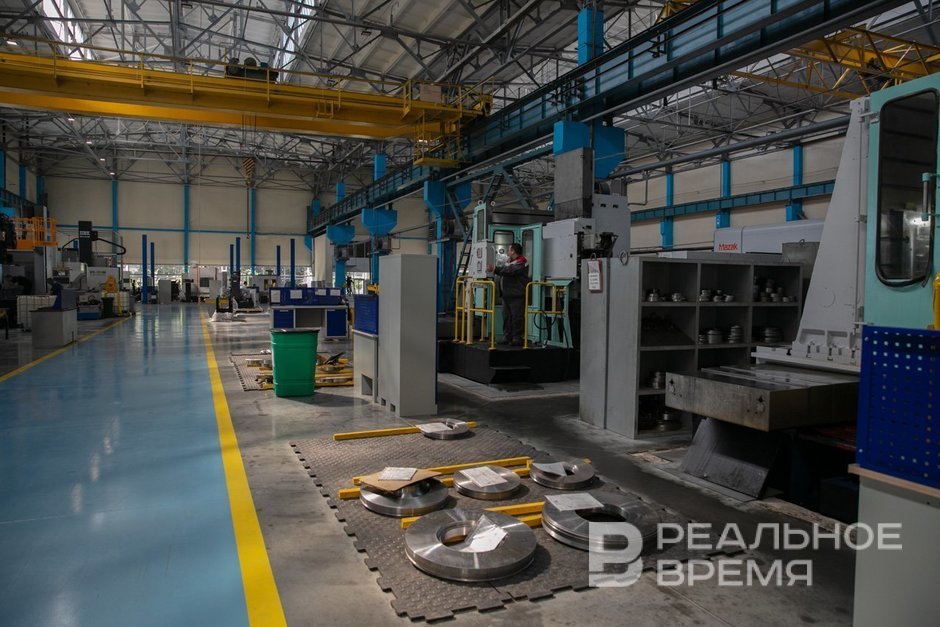
The value of multidisciplinarity is increasing: professions at the intersection of sectors, such as mechatronics specialists, operators of automated lines, and technicians servicing robotic systems. It is precisely these skills that allow blue-collar specialists to remain in demand amid automation and the introduction of AI.
Against the backdrop of rising prestige for blue-collar professions, pressure from education policy is also intensifying. The state is reducing the number of publicly funded and fee-paying university places, raising entry thresholds, closing certain fields of study, and encouraging school graduates to choose colleges and technical schools. Formally, this is explained by the need to address labour shortages in the real sector of the economy.
The problem is that the education system, by its nature, is far less flexible and far less adaptable than the economy and the labour market. The economy can change within two or three years, while educational cycles last four to six years or more. As a result, there is a risk of training specialists for yesterday’s demand rather than tomorrow’s reality.
Some experts already note that the labour shortage is to a large extent artificial and linked to outdated models of work organisation, low productivity and the reluctance of businesses to invest in automation and staff training. Until these systemic issues are resolved, the labour shortage will be reproduced again and again.
Balance as the key to a sustainable labour market
In the short term, qualified workers are indeed in a winning position: wages are rising, the choice of vacancies is expanding, and age discrimination is declining. But in the long term, the situation will be radically changed by accelerated robotisation, automation and the introduction of AI. Vacancies for robot operators, technicians servicing automated systems, and digital manufacturing specialists are already appearing.
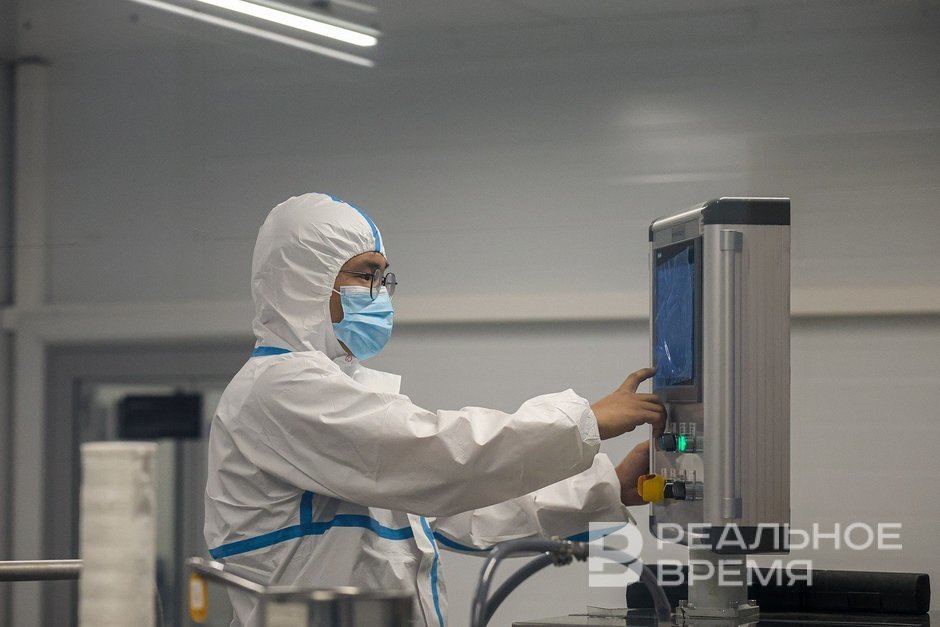
This means that it will not be workers as such who win, but those who are able to learn continuously and combine practical skills with digital and analytical competencies. At the same time, demand will grow for “human-to-human” professions: doctors, teachers, psychologists, social workers, managers — that is, those whose work requires empathy, communication and complex thinking.
That is why I am convinced that the choice of an educational trajectory should be based not on short-term trends or administrative signals, but on a conscious understanding of a young person’s own interests, inclinations and talents.
In the long run, it is impossible to lose in only one case — if a person is engaged in work that genuinely interests them. At all times, the market has valued and will continue to value people with passion, responsibility and a sincere love for their work, whether it is a blue-collar profession, engineering, medicine or the humanities.
Thus, the return of respect for blue-collar professions is undoubtedly a positive and long-overdue trend. It reflects the real needs of the economy and changes public perceptions of work. But sustainable development is possible only with balance: between “smart hands” and “smart minds”, between engineering, technical and humanitarian training, between the speed of the market and the inertia of the education system.
It is precisely this balance, rather than another distortion, that can ensure long-term economic stability and offer people a conscious and dignified professional path.