The history of a soul or the history of the world: the Christian code of Harry Potter and Narnia
A debate on predestination, courage, and forgiveness at “Stradarium”
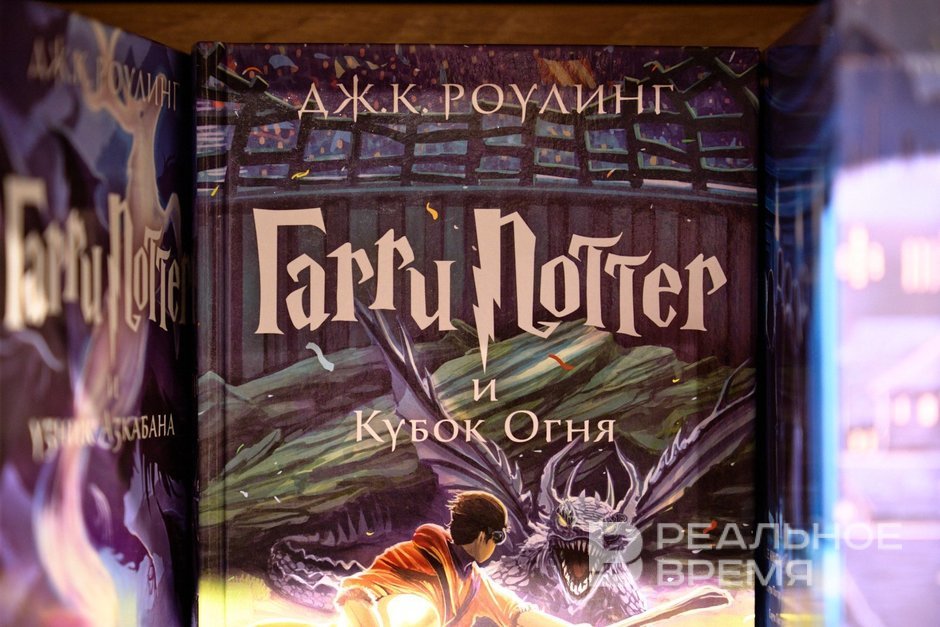
Can J.K. Rowling's Harry Potter books be considered Christian? And what distinguishes them from C.S. Lewis's “Chronicles of Narnia”? Last week, at a discussion titled “Harry Potter and the Wardrobe” hosted by “Stradarium," literary critic Galina Yuzefovich and journalist Yuri Saprykin attempted to separate two seemingly close worlds — the universe of Harry Potter and “The Chronicles of Narnia” — along the lines of theology, virtue, and the very structure of reality. Details are in this report by Yekaterina Petrova, literary columnist for Realnoe Vremya.
“Two major phenomena of christian culture”
The main goal of the discussion “Harry Potter and the Wardrobe” was to determine whether J.K. Rowling's Harry Potter books and C.S. Lewis's “Chronicles of Narnia” can be considered Christian works.
Doctor of Historical Sciences, medievalist, and translator Oleg Voskoboynikov suggested viewing both series as “two major phenomena of Christian culture of the 20th and early 21st centuries," linking the conversation primarily to the name of C.S. Lewis. However, doubt was cast regarding the Harry Potter books: “Surely this isn't a Christian fairy tale?”
Literary critic Galina Yuzefovich responded: “Of course, 'Harry Potter' is a very Christian book in many different respects, despite being heavily criticized by various clergy of various denominations.” According to Yuzefovich, “the cleverer clergy have always accepted that 'Harry Potter' is a Christian book and, as such, useful for young Christians.” Yuzefovich emphasized that J.K. Rowling herself “speaks about this absolutely openly and repeatedly.”
Galina Yuzefovich described the writer's religious biography: having been formed “within the framework of a loosely believing Anglican church," Rowling, after returning to Edinburgh following her divorce, “began to seek support in Christianity, and this Christianity turned out to be Presbyterianism, Calvinism with its very powerful dogma of predestination.” Later, the writer moved away from active church life, but “she speaks of herself as a Christian who has currently lost her faith but very much hopes that this faith will return.”
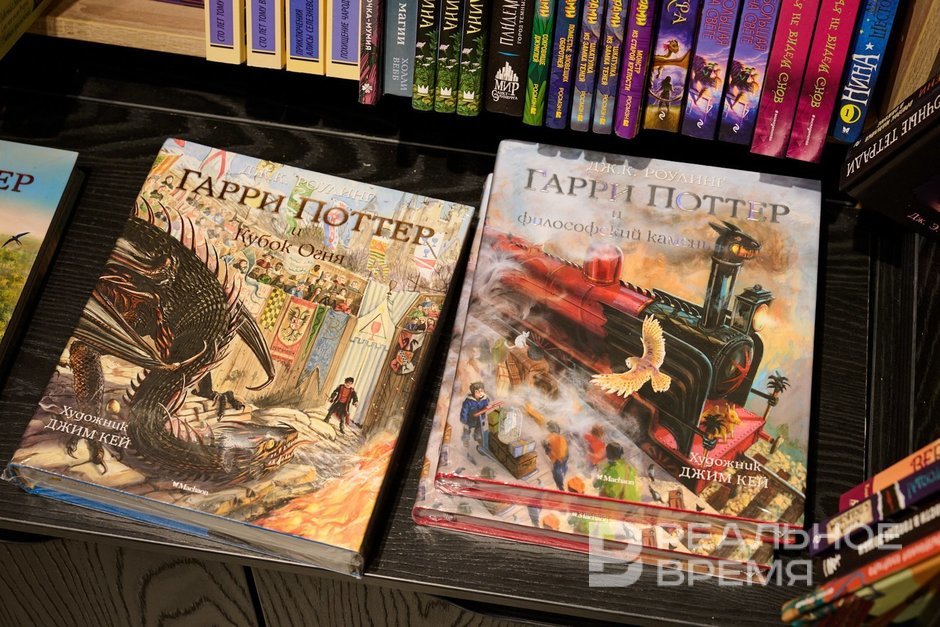
Yuzefovich defined the main argument for a Christian reading of the series as follows: “The simplest thing, of course, that any reader, even the most unprepared, picks up on, is the direct, simple parallel between Christ and Harry, who in the seventh book literally sacrifices himself for the victory over world evil, and he doesn't fake death or imitate it, he goes through death, Harry truly dies.” Yuzefovich clarified: “Just like Christ, Harry dies without a sure promise. He doesn't have firm faith that he will die and be resurrected.” However, according to the critic, this is “only the tip of the iceberg," and Christian motifs in the text appear “on many different levels.”
Journalist and critic Yuri Saprykin agreed that “Harry Potter” is permeated with Christian motifs," but added a caveat: “The story itself isn't quite about the same thing as Holy Scripture or 'The Chronicles of Narnia.' They have a different meta-plot.” Saprykin pointed to the motif of redemptive sacrifice “from beginning to end”: Harry's parents “go to their deaths to save their child," and the hero himself repeats this gesture. In this, Yuri saw a recognizable parallel to the sacrifice of Aslan in the story “The Lion, the Witch and the Wardrobe” (1950) from C.S. Lewis's series.
Saprykin also drew attention to textual details: “In 'Potter,' there are many Christian allusions, starting with the fact that Harry prays when he doesn't have his wand. And to whom, exactly, should he pray? To Dumbledore, perhaps? Well, it's clear to whom.” Yuri Saprykin also recalled the inscription on the grave of the hero's parents — “a direct quote from 1 Corinthians: 'The last enemy that shall be destroyed is death.'" At the same time, the journalist noted the opposite reaction: the book was accused of promoting occultism and magic, although, in his opinion, “for Rowling, the process of transformation with a magic wand is secondary, while the primary focus is the deeper content concerning how a person lives in this world.”
When the conversation turned to discussing the Narnia books, the distinction became fundamental. “In 'Narnia,' the main character is Divine Providence. And the unifying plot becomes sacred history — from the creation of the world to the end of the world, to the world's transition into a different state," said Yuri Saprykin. He described the series as a movement “from the beginning to the end of this fictional world," concluding in the book “The Last Battle” (1956). Saprykin suggested viewing everything happening between these poles as “indirect analogies to sacred history," where Aslan “is constantly present, he is remembered, he is awaited, he invisibly appears nearby in times of trouble.”
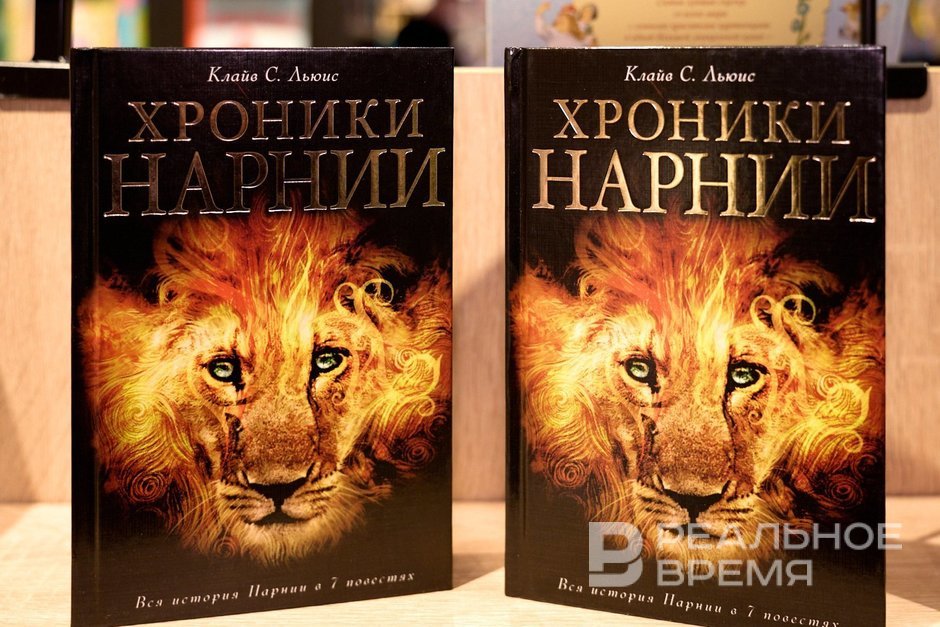
Yuzefovich, conversely, questioned the consistency of the Christian code within Lewis's series. In her words, beyond the obvious correspondences — “The Magician's Nephew” (1955) as the Book of Genesis, “The Last Battle” as the Apocalypse, and “The Lion, the Witch and the Wardrobe” as the Gospel story” — the remaining books seemed to her “more neutral than the Harry Potter books.”
Saprykin responded that direct allusions might be absent, but “the presence of Aslan — invisible yet constantly felt — defines the fabric of the narrative.” He cited a scene from “The Silver Chair” (1953), where the heroes are convinced that the lion is “just an oversized cat” and a figment of imagination. The journalist linked this line to the idea of another, truer reality: “The reality we exist in is a certain reflection of that true reality with a capital 'R.' We see a reflection in the mirror, but we don't see the expanse that opens through the window.”
“The history of a human soul” and “the history of the world”
Comparing J.K. Rowling's Harry Potter books with John Bunyan's “The Pilgrim's Progress” (1678), Galina Yuzefovich argued that this 17th-century text turned out to be closer to the boy wizard's story than direct biblical parallels. "'The Pilgrim's Progress' is a book that tells how a person moves from a bad state to a good state, from a bad place to a place of holiness. 'Harry Potter' isn't about bad and good places, but it is about the formation of a person from a seed into a full-fledged, adult, good person, including in the Christian sense of the word," Yuzefovich said. She emphasized: “It's the history of a human soul, not the history of the world, which, it seems to me, the Narnia books are. It's the story of the formation of a person in accordance with Christian virtues.”
Yuri Saprykin recalled that C.S. Lewis's first Christian book was called “The Pilgrim's Regress” — a deliberate echo of “The Pilgrim's Progress.” The journalist defined it as “an allegorical book about his own conversion, meandering along winding paths.” Lewis's later autobiography, “Surprised by Joy," also, in Saprykin's view, represented “a story of wandering, the gradual building of a soul, a human character in its connection with higher powers.” “Parallels with 'Potter' can also be found here. It's also a history of a soul," Yuri Saprykin noted.
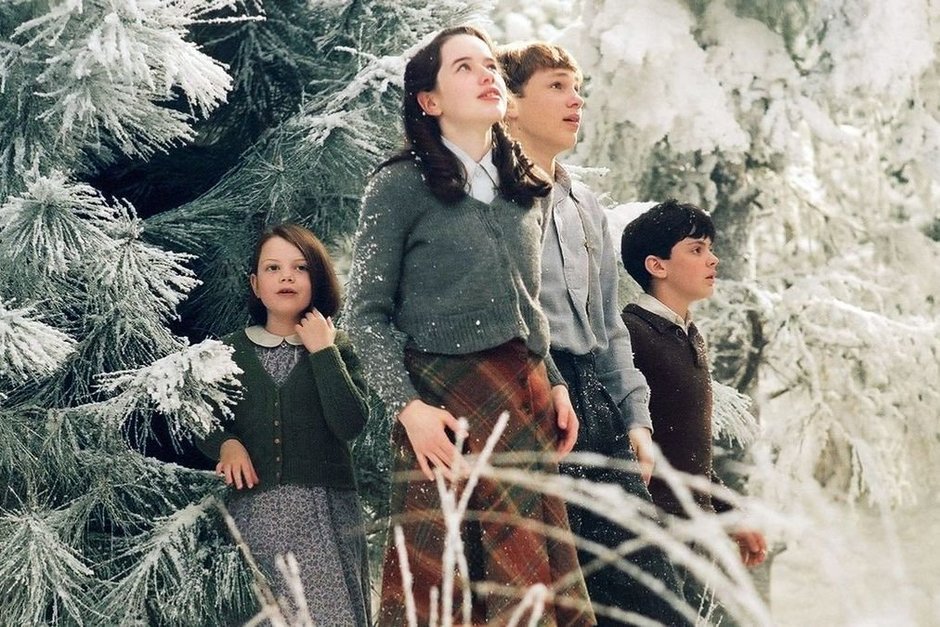
However, the difference in scale was fundamental. According to Yuzefovich, “Narnia” is “the history of the world," beginning with creation and ending with the world's end. In contrast, the Harry Potter series unfolded “several floors lower”: it wasn't a cosmic drama but the path of an individual.
When discussing both series, the conversation turned to the theme of virtue. “The idea of virtues in 'Harry Potter' is incredibly important. And these virtues are very Christian, I would even say specifically Protestant-Christian," noted Galina Yuzefovich. She named courage as the main one: “It's not reckless daring. It's laborious courage. None of the heroes are brave by nature. They are forced to be brave. They repeatedly choose the path of courage.” Here, virtue is understood as work, not an innate quality.
Yuzefovich interpreted loyalty similarly. “It is always difficult for the heroes to show loyalty," she said, citing the example of Ron, who retreated and then “forced himself to return.” Loyalty to Dumbledore, a “morally ambivalent” figure, became, in her words, “the labor of realizing virtue.”
Finally, “the main virtue is love, but not romantic love — love as agape, sacrificial love, placing the object of love above the lover," noted Yuzefovich. The romantic line in the series, in her opinion, is almost bracketed out. At the center of the plot remained friendship and readiness for self-sacrifice.
Yuri Saprykin, speaking about Narnia, agreed that loyalty and courage are crucial virtues in this series as well, but clarified the difference in their nature. “It seems to me that Lewis understands courage in a more archaic way. It's not so much a response to life's challenges as an internal state, an internal fortitude," the journalist said. He linked this to Lewis's interest in the medieval worldview and the “discarded image” of a unified universe. Characteristically, “the main knight turns out to be the mouse Reepicheep," an outwardly insignificant creature, but the bearer of supreme honor.
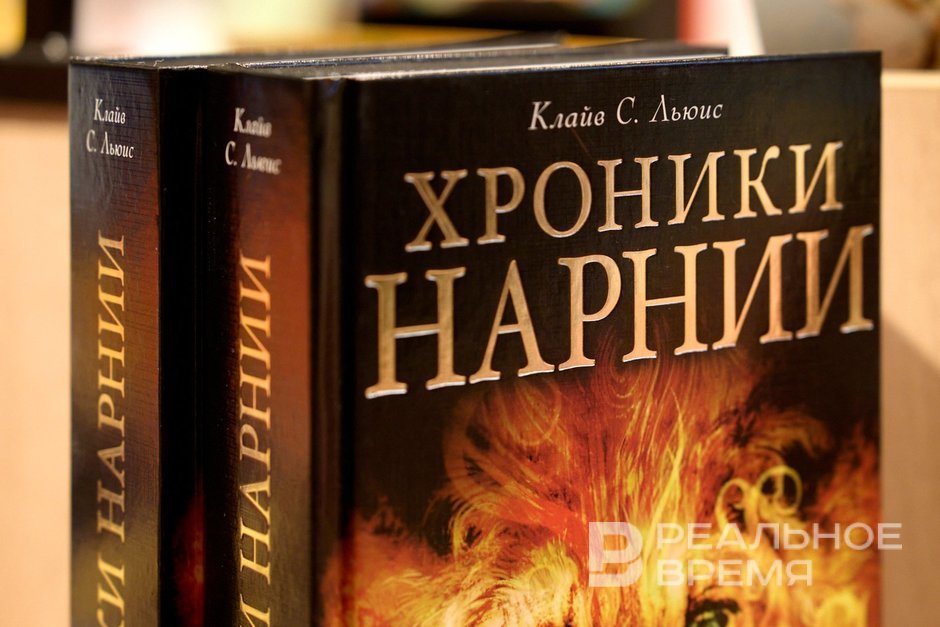
Saprykin identified the status of the world itself as the key difference. According to him, Lewis insisted that “Narnia is not a fiction. It's an imagined story that tells about deep aspects of reality that we, due to our limited perception, are unable to see.” In this logic, myth reveals hidden truth. The world of Narnia was “different, but a world in which the truth of this world is more visible and noticeable.”
Yuzefovich developed this idea through the example of the hero Ransom from Lewis's “Space Trilogy.” Ransom expected God's intervention and understood that “the Lord had already intervened, He had already sent him here.” Courage in this world was born from contact with grace. “In Lewis's world, grace is present; heroes can interact with it. It doesn't free them from free will but gives them a sense of meaning and support," Galina Yuzefovich added.
In contrast, she characterized the world created by Rowling as harsher. “In the world of Harry Potter, the heroes have it harder. They must show the same courage, but nothing was promised to them. They have no experience of interacting with grace," said the literary critic. Their choice was based on an internal moral law: “You choose what is right not because salvation was promised to you. You choose what is right because it is right," Yuzefovich concluded.
“Someday everything will fall into place”
The discussion of virtues in both series led the participants to differentiate the concepts themselves. Oleg Voskoboynikov clarified: to what extent can we say that both the Harry Potter books and the Narnia books are specifically Christian stories, rather than works about universal human values that were also embodied in Christianity? Voskoboynikov drew attention to Stoicism as “the ancient school closest to Christianity” and suggested seeing in the heroes' behavior primarily the ability to discern. “This most resembles the concept of discernment — discretio, the ability to separate good from evil. And it seems to me that this applies to the characters in both of our fairy tales," the medievalist added.
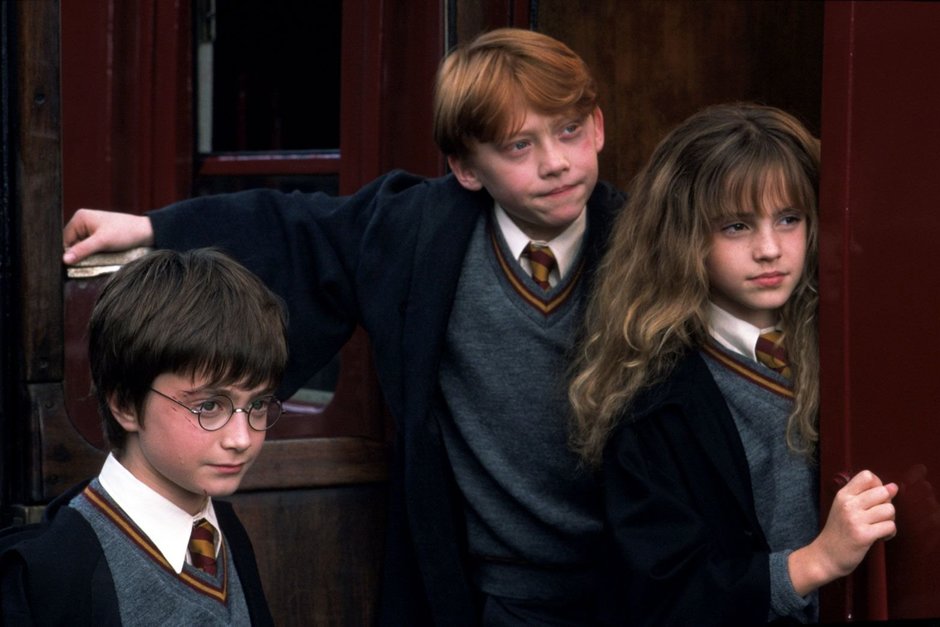
Galina Yuzefovich continued to insist that in the world of Harry Potter, courage is precisely Christian in nature. “It's the courage to do what is right. It's not the courage that lets you fly easily on a broomstick. It's the courage that compels you to challenge Death Eaters, stand up for the weak, resist bullying," Yuzefovich said. She described the sorting ceremony in detail: “A boy who grew up in toxic conditions enters a world where he must make his first real choice. He literally says to the Sorting Hat: 'Give me courage. Send me to the brave.'" According to the literary critic, this was a “prayer for the strength to act rightly," addressed to the highest authority of that world. “All the heroes' courage is the courage to act as their conscience dictates," Yuzefovich emphasized, comparing this motif to Christ's prayer in the Garden of Gethsemane.
Yuri Saprykin noted that courage is “unquestionably a universal virtue," known even to the world of the “Iliad," but he distinguished it from fortitude. “Fortitude is a broader and fundamentally Christian virtue. Fortitude in the face of sorrows, in the face of death, fortitude as steadfastness in faith," the journalist said. He cited the example of Frodo from J.R.R. Tolkien's “The Lord of the Rings.” The hobbit's strength lay precisely in steadfastness. Saprykin noted that both the heroes of “Potter” and the children in Narnia showed courage “when they were yanked out of their warm, cozy rooms and given a sword.”
The discussion of good and evil revealed the difference between the worlds. Yuri Saprykin formulated the question symmetrically: “In 'Harry Potter,' there is evil; is it present in 'Narnia'? In 'Narnia,' there is good; is it present in 'Harry Potter'?” Saprykin recalled the popular theory of “Professor Dumbledore's Grand Game” — a strategy in which Harry was meant to be sacrificed.
Yuzefovich confirmed: “Dumbledore knew that to win, Harry had to be sacrificed. He understood that Harry's days were numbered. And in a sense, he understood that his own days were also numbered.” According to Yuzefovich, Dumbledore “raises Harry for slaughter," and Harry realizes this before the final meeting at King's Cross. The key virtue here became forgiveness: “Harry understands that Dumbledore was not an unequivocal force for good. And through this understanding, he forgives him," said the literary critic. The same mechanism applied to Harry's father: the hero learns about James Potter's cruel past and “forgives him and loves him as he is.”
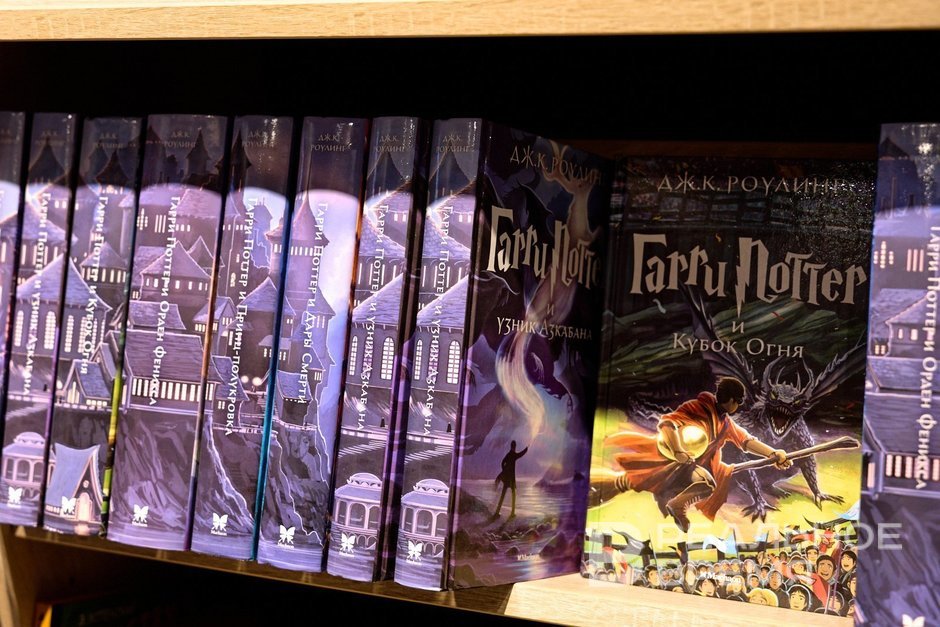
Yuzefovich noted the moral ambivalence of the world: “Dumbledore is not good in any dimension.” In this world, many things “can go wrong”; evil is not reduced to a single figure, and good is not guaranteed from above. “Good is only the moral law within the heroes. Their inner ethical tuning fork, which they calibrate based on nothing known," Galina Yuzefovich said. She added that even the savior of the world is imperfect, and losses are final.
Speaking about the world of Narnia, Yuzefovich observed that evil there seems more localized: it is concentrated in the figure of the White Witch and “systematically ends up being defeated.” This, in the critic's opinion, made the picture more unambiguous.
Saprykin objected, clarifying the theological framework. He rejected the notion of God as a strategist sending his Son to execution, recalling the Christian understanding of the unity of the Father and the Son: “No one sent Aslan to be sacrificed. Aslan is God.” Addressing the problem of evil, Saprykin referenced the Augustinian tradition: “Evil is a falling away, a defect, corruption. The divine force is older and stronger.” According to him, in the world of Narnia, evil seems less convincing precisely because “the divine principle is more fundamental, and ultimately evil will be crushed.” The reader has access only to a fragment of reality in which “someday everything will fall into place.”
In the final perspective, the distinction became fundamental. In “Narnia," the Christian worldview provides the structure of existence: good is primary, evil is secondary and surmountable, the higher order is guaranteed. In “Harry Potter," good exists as choice and effort, without external guarantee and without the obvious presence of grace. Both universes rest on the same values: courage, loyalty, love, the ability to discern good from evil. But they distribute them differently: either as part of a cosmic design, or as an internal human law.
Yekaterina Petrova is a literary columnist for the online newspaper Realnoe Vremya and hosts the Telegram channel “Buns with Poppy.”