Historical kattashi and modern chulpas
"Җеп” exhibition opens at the national museum of Tatarstan ahead of Fashion Iftar
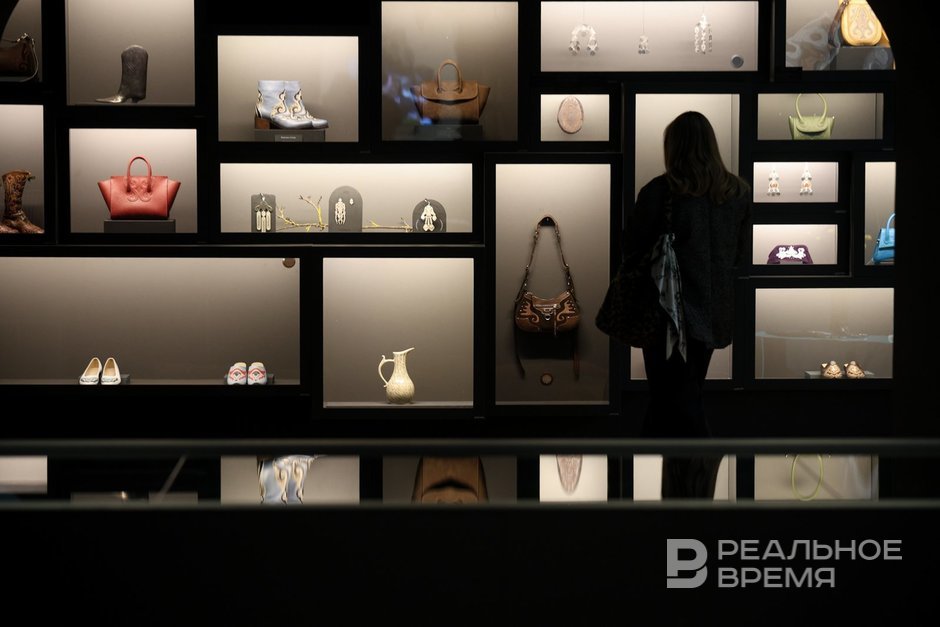
Tatar costume and jewelry from the turn of the 19th–20th centuries, along with examples of their contemporary reinterpretation, were showcased at the National Museum of the Republic of Tatarstan in the exhibition "Җеп” (“Thread”). The exhibit features works from 11 Kazan brands and drawings by Niyaz Khaziakhmetov. The project was curated by Jannat Mingazova, founder of the Fashion Iftar project, who opened the exposition on her 32nd birthday. More details in this report by Realnoe Vremya.
Determine the age yourself
— A thread connects time, generations, different traditions, the contemporary and the historical, — explained the meaning of the title, Ayrat Faizrakhmanov, General Director of the National Museum. He joked that another exhibition, coincidentally titled "Җәnnәt bakchalary” (“Gardens of Paradise”), will open later at the venue — timed to the year of “Kazan — Cultural Capital of the Islamic World.”
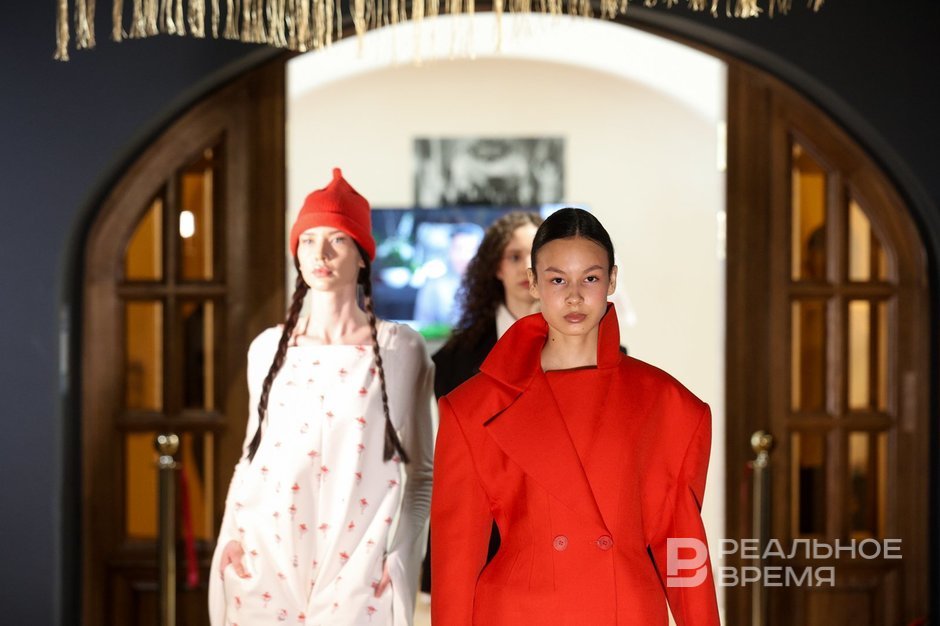
A small fashion show was also organized at the opening. However, with an abundance of guests and their disorganized placement, the models had a difficult time — at times they competed for space on the “podium” with journalists and photographers.
— Within the framework of this exhibition, I wanted to show the intellectual side of Tatar culture, because since childhood I was raised with the idea that Tatars are about education, Tatars are about art, about being interested in everything new, developing, and, of course, developing oneself, — stated Jannat Mingazova.
The exhibition occupies four halls on the second floor and is divided into sections: "Җеп. Through the Years," "Җеп. Headdresses," "Җеп. Hands and Crafts," and "Җеп. Form.” In each section, examples of historical costumes and jewelry from the collection of the National Museum (as well as from Mingazova herself and Gulshat Nugaybekova) are displayed alongside works by contemporary brands.
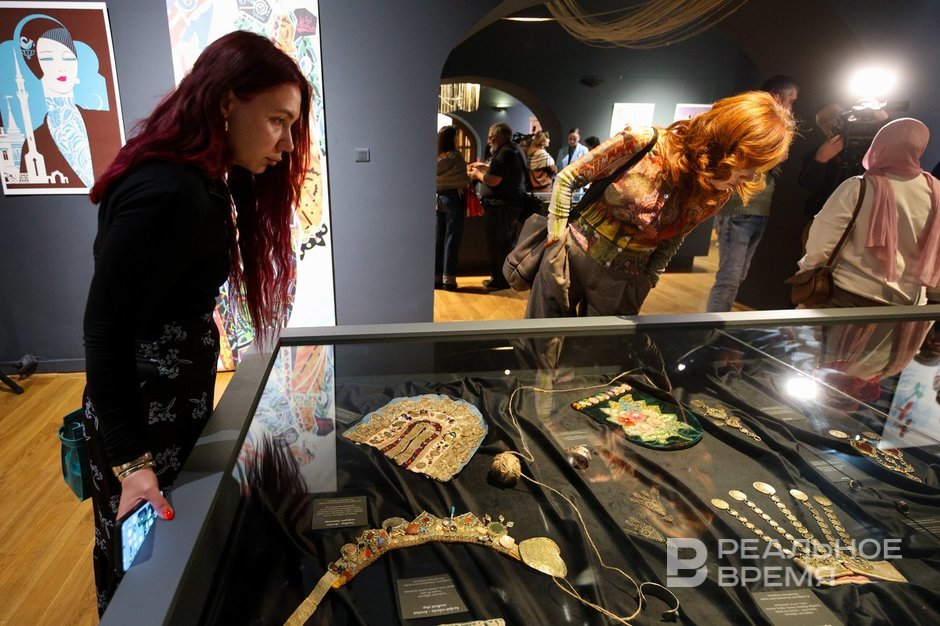
— As for the museum's collection items, my colleagues and I also played a little and decided to show not only understandable, familiar images (a shirt, camisole, and kalfak, for example), but also to play on a small juxtaposition, — notes Dina Gatina-Shafikova, Deputy General Director of the museum for research.
Thus, the exhibition opens with two costumes. One is somewhat archaic, with a long tunic-like shirt, and the other is already in the Art Nouveau style. On the head is the lesser-known kattashi headdress, which was previously thought to be worn only by girls, but now photographs have been found showing adult women wearing it as well.
The exhibition is arranged so that samples from various masters are placed side by side, without any separation. Sometimes, only by reading the label can you determine that a chulpa is not from the 19th century, but by Rezeda Agliullova. On the other hand, it's impossible not to immediately recognize the micro-skullcaps from Your Yool by Tanya Chernoguzova — because contemporary designers have become adept at marketing.
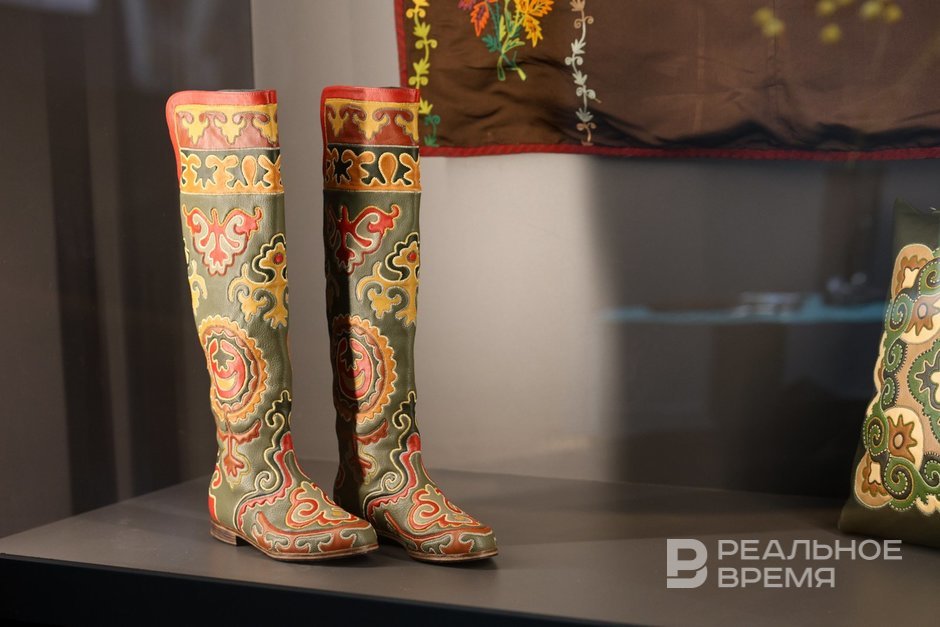
Overall, there are many accessories at the exhibition. These include bags by Daniyar Khaziev and Aigel Salyah. Footwear, of course, is represented by the “Sakhtian” brand. A contrast at the exhibition is provided by jewelry made from polycarbonate produced at Kazanorgsintez. But this accessories section is not limited. Artist Guzel Khaib (whose drawing became the basis for the mural on the house at Tatarstan St., 7) showcases her jewelry here — this is her brand IMIR Jewelry, created with her husband. She is paired with DASAEV and Matrushke.
The worlds of Niyaz Khaziakhmetov
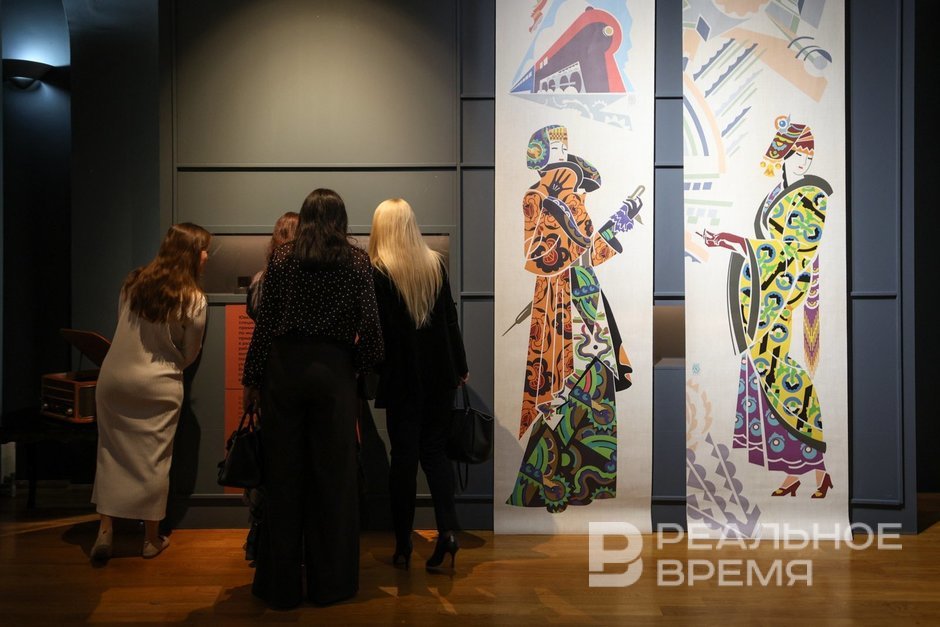
“Thread” is about the world of the modern woman. We don't say “Tatar woman," because the products of local designers are worn by city residents regardless of nationality. At the same time, the exhibition's exhibits are united by a male perspective. These are posters by Niyaz Khaziakhmetov — for the first time in a long while, so many can be seen together in an exhibition format. As is known, Khaziakhmetov is inspired by illustrators of the first half of the 20th century, who worked in the Art Nouveau and Art Deco styles, incorporating themes of Tatar Jadidism, even ethnofuturism — all with a touch of humor.
The exhibition is dominated by well-known names with an attention to expensive tradition. Buro Banu, which is currently planning to open a store in TSUM, showcases both replicas of historical costumes and their contemporary variations. Luiza Skipina draws her inspiration not only from Tatar culture but from the entire East.
On the other hand, the youngest brand, Qayna, interprets Tatarness as freely as possible, moving away from ethnicity — it manifests through words, embroidery, and names (“Yakty," “Yabalak”). If you don't look closely, it's almost a basic style.
— This brand was a discovery for me, — notes Gatina-Shafikova. — They mix unclear visual codes in their collections in the form of dresses, camisoles, vests, and headdresses. They work with mythology. They have a contemporary costume inspired by the 80s, but with a print of Shurale apa.
Lusia by Liliya Galimullina perhaps reflects on tradition in the most interesting way. For example, she imitates elements of the hasite, a chest strap, using leather embroidery.
— Galimullina has shown here that the reverse side can look just as cool as the front, — noted guide Oksana Galibaeva.
In addition, a separate stand is dedicated to works from the “DPI Tatars” laboratory of the “Reactor” art residency, curated by Mira Rakhmat. Here, visitors' attention was drawn, for example, to the ichigi-shaped vases from the Vnutri Matur studio and the “Ozyn” table from “Metallomania.”
Color, pattern, cut, meaning
First and foremost, the exhibition's task, it seems, is to show the transmission of visual traditions. They will be understandable to both locals and tourists. The exhibition, incidentally, will run throughout March.
— I would argue about the visual code, because when I listened to the exhibition curator, she revealed more profound foundations, — says Gatina-Shafikova. — I think contemporary designers have already outgrown this stage of pattern and color. They are working, for example, with cut, as we see with Buro Banu.
The exhibition "Җep” is organized as part of the Fashion Iftar program. This year, it will be held for the 10th time on March 13–15. Its main colors will be blue and light blue, and the leitmotif will be freedom (irek). An iftar for 1700 people with a fashion show and a performance by Elmira Kalimullina will be organized at the Kazan Expo International Exhibition Center on the first day.
On the second day, a lecture hall will be held at the Millennium Panorama hotel with the participation of the Union of Designers of Tatarstan and the fashion industry development institute Bienopen. Admission, by the way, is free.