Ingeborg Bachmann's map: a life told through cities
On the centenary of the birth of the famous Austrian poet and writer Ingeborg Bachmann
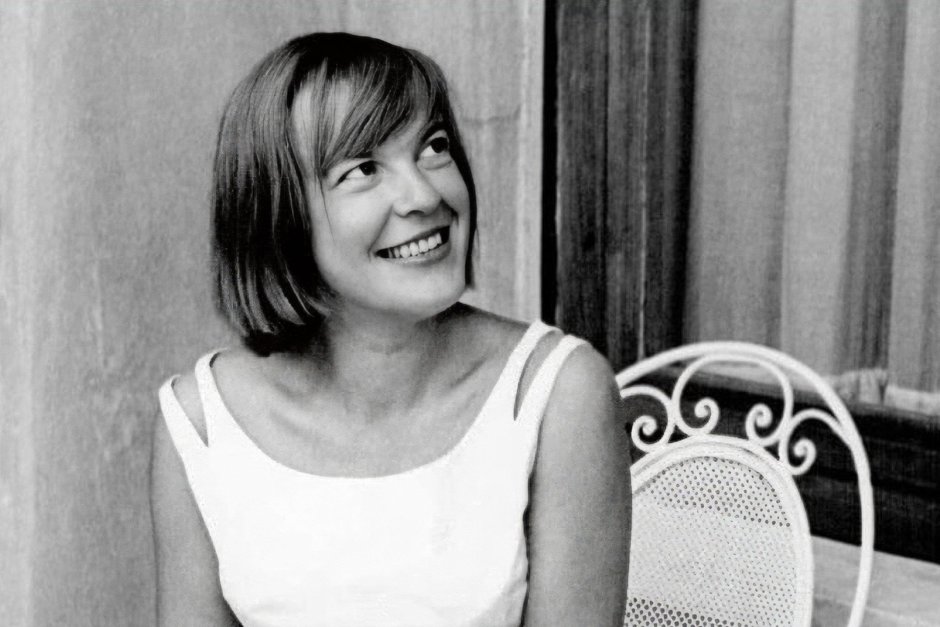
The biography of Ingeborg Bachmann, whose centenary is celebrated today, does not fit into any single country. She is called an Austrian writer, although her life long ago turned into a European route: Klagenfurt, Vienna, Zurich, Frankfurt, Berlin, Rome. In each of these cities, Bachmann lived a new version of herself — a student, a poet, an intellectual, a novelist. If you look at this map as a whole, it tells not only the story of one author but also the story of post-war Europe. Literary critic Ekaterina Petrova writes about this in her material for Realnoe Vremya.
Klagenfurt: childhood on the ruins of the old world
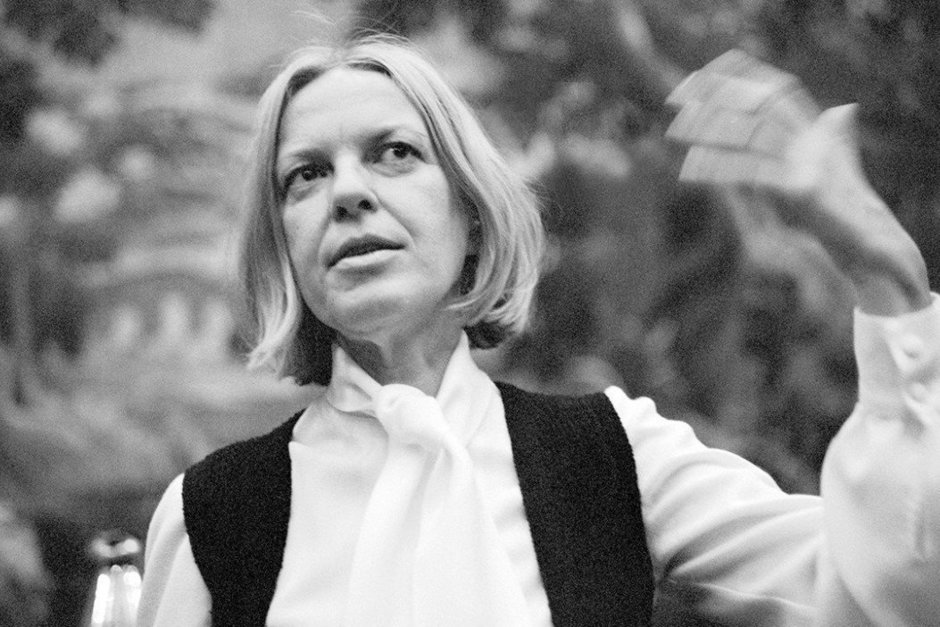
It all began in Klagenfurt, where Bachmann was born on June 25, 1926. This city is often presented as a quiet corner on Lake Wörthersee, but for the future writer, it was above all a borderland. Carinthia, the southernmost federal state of Austria, is located near Italy and Slovenia and connects the Germanic and Slavic worlds. Bachmann's childhood holidays were spent on her grandfather's farm in the Gail Valley, near the border with Slovenia. Ingeborg recalled that it was the sensation of borders that gave rise to her longing for distant roads:
— I think the narrowness of the valley and the awareness of borders gave me a longing for distant countries.
Italian literary scholar Luigi Reitani wrote that the border experience of Carinthia significantly influenced all her work. It is no coincidence that many of Bachmann's characters constantly leave, return, and cross borders.
“There was a certain moment that destroyed my childhood: the entry of Hitler's troops into Klagenfurt," Bachmann said of the starting point of her adult life. In the spring of 1938, she was twelve years old. She grew up in a family where her father supported the National Socialists, and her mother recalled how representatives of the League of German Girls tried to involve Ingeborg in the organization, but she resisted this pressure to the end.
Later, Bachmann associated with this time her moral interest in truth and responsibility. The war entered her texts as a constant presence of violence in ordinary life. Many years later, Klagenfurt returned to the writer's prose in a different form. In the story “Childhood and Adolescence in an Austrian Town," Bachmann described a provincial town without nostalgia:
— People rarely moved to this town from another town, because its temptations were too small; they came here from the villages, because the farms were becoming too small.
Vienna: philosophy, love, and the beginning of literary life
After the war, Ingeborg Bachmann sought a new way to understand the world. In 1946, she came to Vienna after studying in Innsbruck and Graz and stayed there for several important years of her life. At the University of Vienna, Bachmann studied philosophy and Germanistics, attended lectures by psychotherapist Viktor Frankl, who was one of the first in Austria to speak openly about Nazi concentration camps, and worked with philosopher Viktor Kraft, the last representative of the Vienna Circle.
Another teacher, Leo Gabriel, introduced her to the ideas of Martin Heidegger. In January 1950, the university accepted her dissertation “Critical Reception of the Existential Philosophy of Martin Heidegger.” Shortly before her death, Bachmann called her relationship with Vienna a “love-hate relationship for life.” It was here that she entered the city's literary scene, attended writers' meetings at the Café Raimund, and began publishing regularly in the Viennese press.
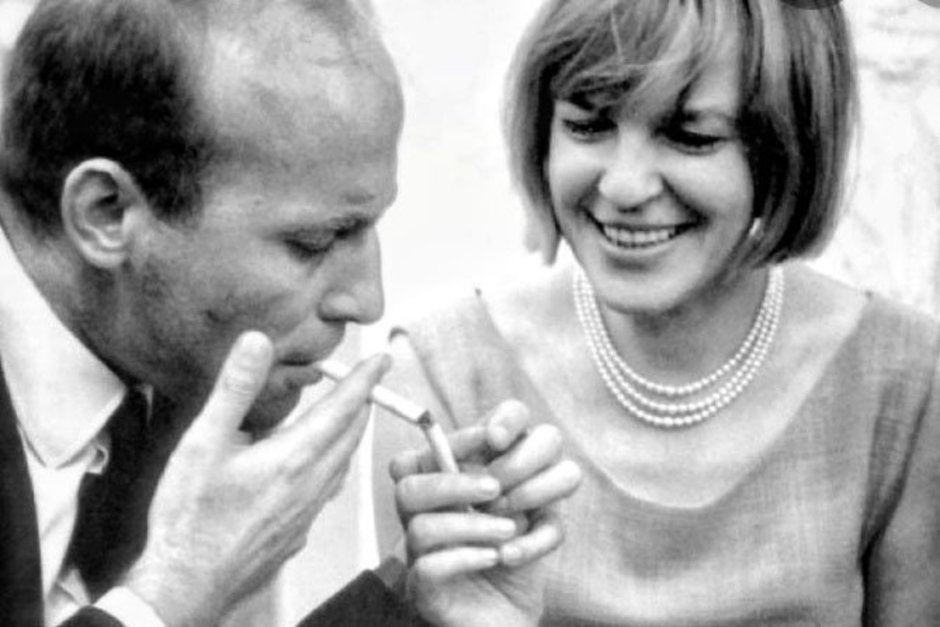
Among the many acquaintances, one quickly changed her life. On May 16, 1948, Bachmann met Paul Celan at the home of artist Edgar Jené, and within four days, a romance began between them. She grew up in a family where her father was a member of the Nazi party. He had survived the Holocaust, lost his parents, and passed through labor camps. A few days after their meeting, Celan dedicated the poem “In Egypt” to Bachmann. Their romance did not last long, but their correspondence continued for almost two decades. Bachmann preserved more than two hundred letters, postcards, and telegrams.
— Sometimes I want only one thing: to leave here, to Paris, to feel you touching my hands, touching all of me — with flowers — and then again to know nothing — neither where you came from, nor where you are going, — she said.
The personal story quickly turned into a literary one. German writer and playwright Andrea Stoll called the relationship between Bachmann and Celan one of the most dramatic and significant events in the history of German literature after 1945. In their letters, they spoke of love, but no less — of memory, guilt, and the catastrophe left behind by Nazism.
Celan wrote poems addressed to Bachmann. More than ten texts from the collection “Memory and Poppy” are directly connected to her. Bachmann responded not only with letters but also with her own poems. Both authors, through shared images and motifs, sought a space in which poetry could exist after Auschwitz. It was the meeting with Celan that made Bachmann rethink the experience of the destruction of European Jews and the place of literature after this tragedy.
Vienna remained for Bachmann not only a city of love but also a city of language. Even during the war, she wrote an appeal to herself: “My word, save me!” In the post-war years, this question took on a different meaning. Bachmann increasingly reflected on whether the German language could speak the truth after Nazism. She studied Wittgenstein, debated Heidegger's philosophy, and gradually came to the conclusion that literature must resist the “bad language” of everyday life.
Niendorf: the birth of a literary star
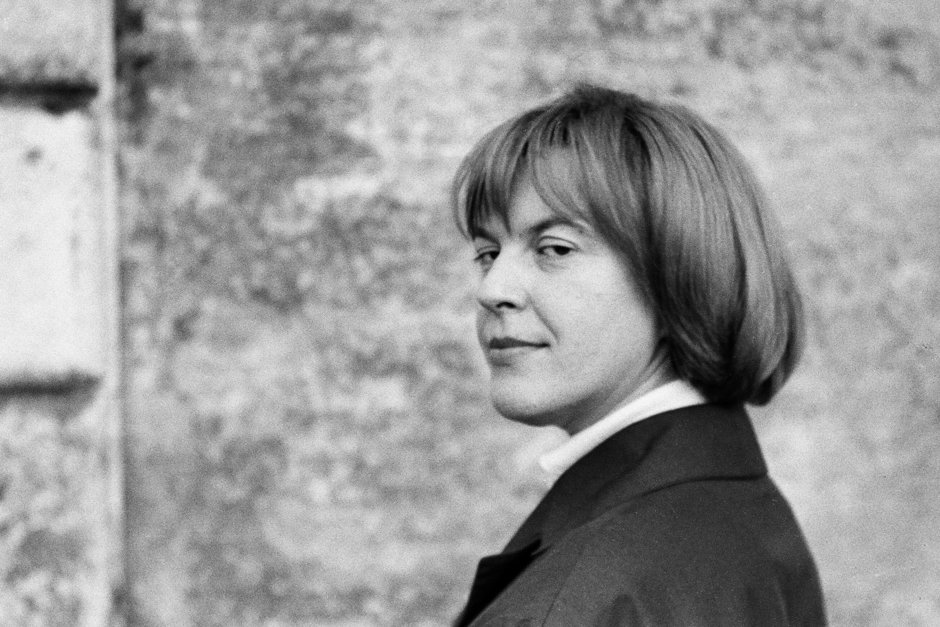
In May 1952, Ingeborg Bachmann arrived at the small Baltic resort of Niendorf as an almost unknown author and left as one of the most discussed figures in young German-language literature. The organizer of the “Group 47," Hans Werner Richter, invited her to the meeting after reading a few unpublished poems.
At the reading, Bachmann made a strong impression not only with her texts but also with her demeanor. Contemporaries remembered the combination of marked shyness and elegance, and the writer herself purposefully got acquainted with authors and critics of her generation. Within a year, she received the “Group 47” prize for poems from the collection “Deferred Time," and this success finally convinced her to give up a permanent job and live by literature.
Niendorf revealed another important thing: Bachmann's literary career was no longer developing within Austrian borders. After the war, it was “Group 47” that became the main center of German-language literature. Here, writers from Austria, Germany, and Switzerland met, and the literary space was built across state borders. Soon after her success in Niendorf, Ingeborg gained wide recognition in West Germany, wrote a libretto for composer Hans Werner Henze, and published her second poetry collection, “Invocation of the Great Bear.”
In 1954, Der Spiegel magazine put her photograph on the cover and called Bachmann “a representative figure of the new generation of poets.” Before this, no post-war German writer had received such a place in the public sphere.
Zurich: Max Frisch and the price of love
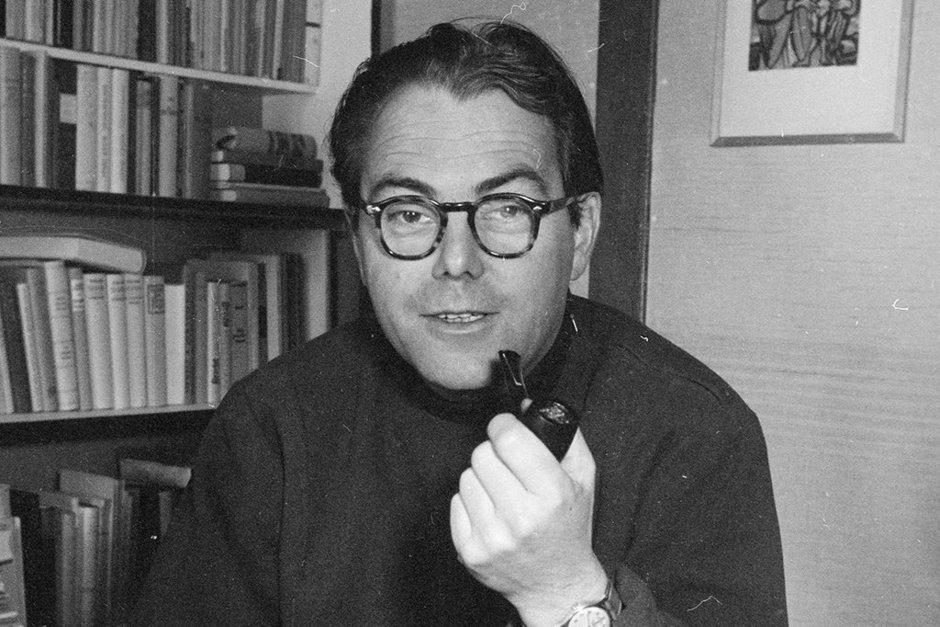
In May 1958, Bachmann completed the radio play “The Good God of Manhattan.” The text was read by Max Frisch, who sent the author an enthusiastic message. On July 3, they met in Paris, and almost immediately a romantic relationship began between them. In the fall, Ingeborg moved to Zurich, and from February 1959, they began living together, alternating between Switzerland and Rome. In October 1959, Frisch proposed. Bachmann refused.
— The impulse comes only from outside, not from within, because I see in this only something external, — she explained her decision.
Later, in a letter to Hans Werner Henze, she would write that marriage would violate her own law and fate. Living together did not make the relationship simpler. In March 1960 in Venice, Bachmann and Frisch entered into an unusual agreement. They agreed to maintain freedom in their personal lives and to speak of other relationships only when they truly changed their union.
However, it was precisely connections with other people that gradually destroyed this construction. Over the years, German poet and writer Hans Magnus Enzensberger, Italian Germanist Paolo Chiarini, and student Marianne Oellers, who later became Frisch's wife, intruded into their story. In the fall of 1962, Bachmann learned of Frisch's new affair. After that, she experienced a severe crisis and was hospitalized several times. In the spring of 1963, the couple finally separated.
The story did not end there and passed into literature. After Ingeborg's death, Frisch claimed that they had never worked together as writers, but the published correspondence showed the opposite. Bachmann advised him on title options, and Frisch commented on her texts and radio plays.
Researchers have also repeatedly linked Ingeborg Bachmann's novel “Malina” (with the stress on the first 'a') to the experience of this relationship. Many read the book as the writer's response to Frisch's novel “I'll Call Myself Gantenbein” and as an attempt to artistically process their shared life experience. Even those researchers who argue with this interpretation acknowledge: the story of Bachmann and Frisch left a noticeable mark on the prose of both authors.
Frankfurt: from writer to thinker
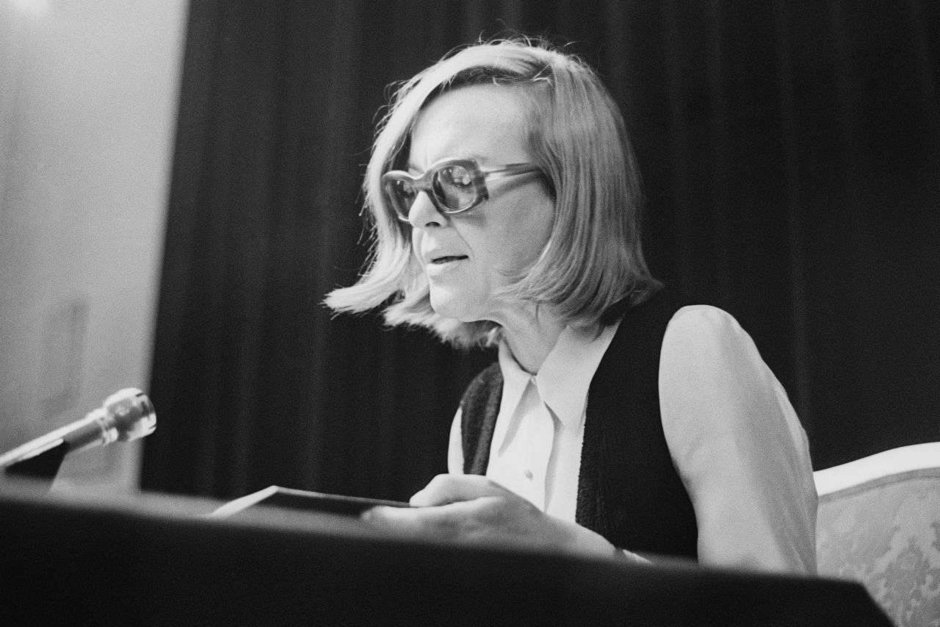
The lectern can sometimes change a writer more than a new book. In the winter of 1959–1960, Ingeborg opened a series of lectures at the University of Frankfurt on “Problems of Modern Poetry” and became the first guest lecturer in this series. By this time, she was already known as the author of the collections “Deferred Time” and “Invocation of the Great Bear.”
The lectures created a new platform for dialogue between literature and science and gave Bachmann the opportunity to connect the history of post-war literature with her own principles of writing.
The writer formulated the main idea of these lectures with extreme clarity. She argued that literature arises as a “thousandfold and thousand-year-old rebellion against bad language," because “life has only bad language at its disposal," and therefore literature opposes it with the “utopia of language.” There, she also called literature “the glory and hope of people” precisely because of its movement toward such a language.
Another formula grew from Bachmann's earlier experience, which researchers often associate with the influence of Paul Celan: “Truth is within a person's strength.” In Frankfurt, these ideas came together into a coherent conception of literature's task after Nazism and war.
Berlin: work on a major project
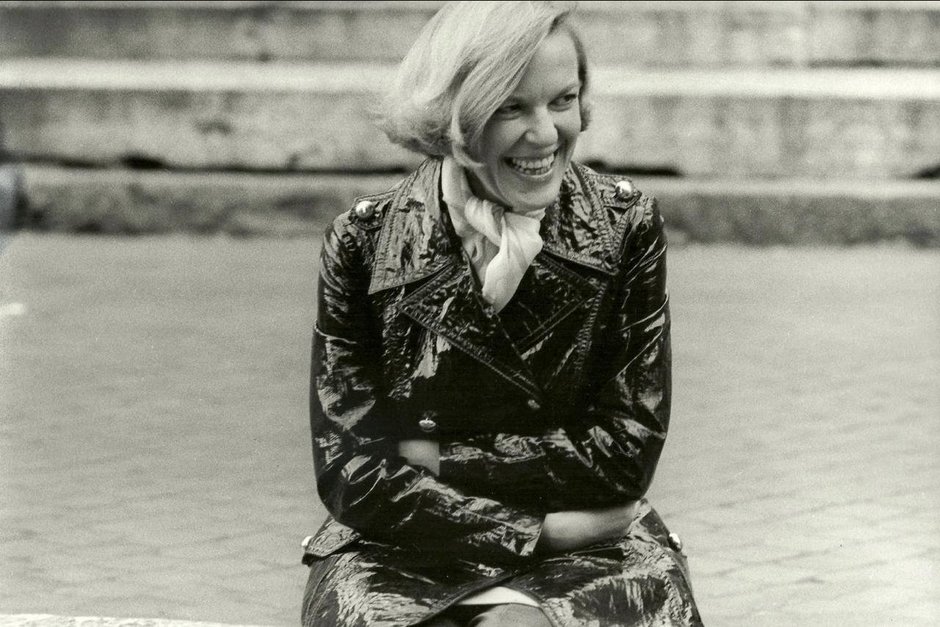
A few years later, Bachmann moved to another city that set not an intellectual but a political scale. In December 1962, she received an invitation from the Ford Foundation and in the spring of 1963 went to Berlin for almost three years. The city was living in conditions of a divided Europe, and Ingeborg herself gradually changed the direction of her work. During this time, she returned less and less to poetry and focused on prose. Later, journalists repeatedly asked her to explain this choice.
— To refuse is strength, not weakness, — Bachmann answered.
In Berlin, she met Polish writer Witold Gombrowicz, began a relationship with young Austrian author Adolf Opel, and traveled extensively, trying to overcome a creative crisis.
It was during the Berlin years that the most ambitious project of her life emerged. In the summer and autumn of 1965, Bachmann began work on the novel “The Franza Case," soon took up “Requiem for Fanny Goldmann," and gradually formed the project “Death Styles.” This is a single cycle that includes the novel “Malina," unfinished books, and related prose texts. In these works, the writer explored the connection between human consciousness and the crimes of Nazism, addressing collective guilt, memory, and the role of language in preserving violence.
Rome: the last home
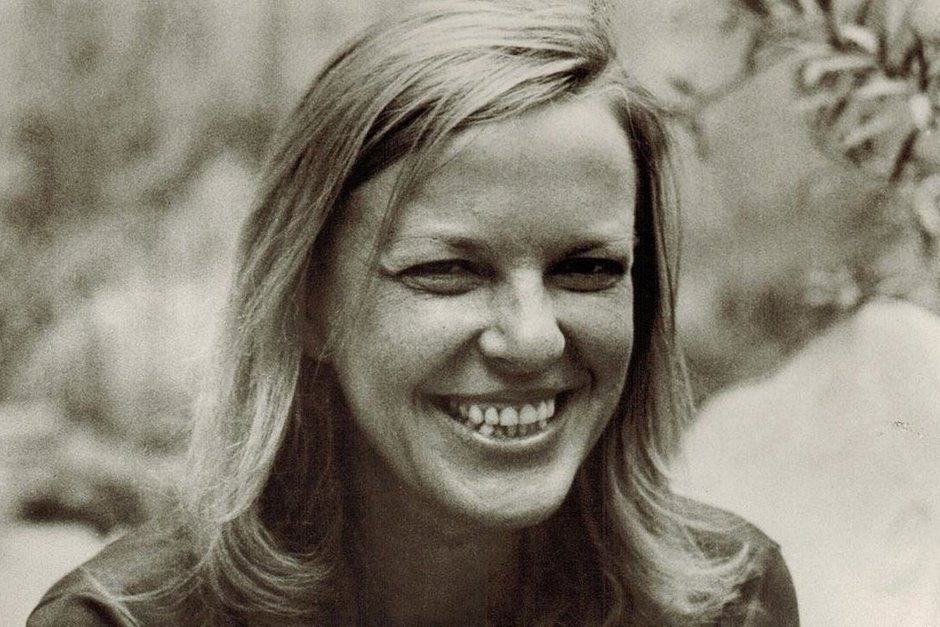
By the end of 1965, the writer had returned to Rome and hardly ever parted with this city again. After many moves and travels, it was here that Bachmann settled her life for many years. In Rome, she worked, received friends, met with authors and translators. Here she met Italian writer and publisher Roberto Calasso, maintained ties with European literati, and continued to offer Italian authors' texts to German publishers.
When the Austrian government offered Ingeborg an apartment in Vienna in 1972, and the management of the Burgtheater expressed interest in a new play, Bachmann still decided to stay in Rome.
It was in this city that she completed the work that had occupied her for several years. In the second half of 1967, Ingeborg focused on the “Death Styles” cycle and above all on the novel “Malina.” In the autumn of 1970, she was finishing the manuscript, and in January 1971, together with publisher Siegfried Unseld, she approved the final version of the work. The book was published on March 17, 1971, and became the only completed novel published during the writer's lifetime. Bachmann called it “an autobiography, but not in the usual sense," but rather a “spiritual, imaginary autobiography.”
At first glance, the book tells the story of a woman who lives between two men — Malina and Ivan. But the plot quickly extends far beyond the love story. The nameless heroine repeatedly tries to speak about her own experience, remembers the past, tells dreams, and faces the impossibility of being heard. In one of the novel's key episodes, her voice literally disappears: she speaks, but no one hears her.
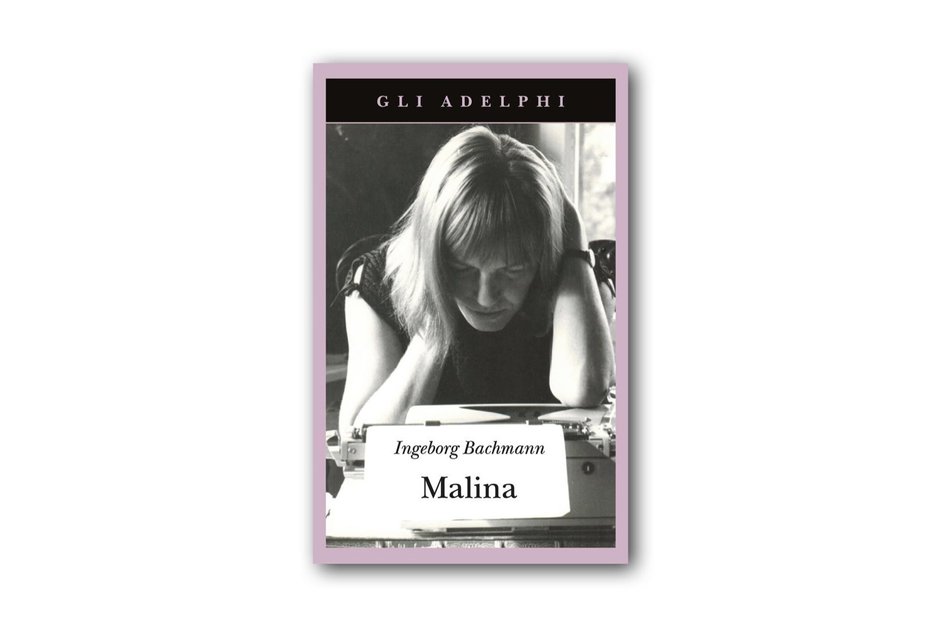
Later, researchers saw in “Malina” a text about the female voice in a patriarchal world and about how violence continues to operate after the catastrophes of the 20th century. Biographer Andrea Stoll noted that in this novel, Bachmann “gave the daughters of the dramatic 20th century their own voice.”
After the book's publication, Ingeborg read from the novel on stage many times and gave interviews. “Malina” stayed on bestseller lists for weeks, although critics continued to argue about it. Then came the story collection “Simultaneously," and work on the “Death Styles” cycle continued.
On the night of September 25–26, 1973, a fire broke out in the writer's Rome apartment. Ingeborg Bachmann suffered severe burns and died in the hospital a few weeks later, on October 17, 1973. Later, researchers and critics repeatedly recalled that the cause of the fire was an unextinguished cigarette, and fire and cigarettes constantly appeared in her works.
Ekaterina Petrova — literary critic for the online newspaper Realnoe Vremya, host of the Telegram channel «Булочки с маком».