Big History in a Small Room
“All Our Yesterdays” by Natalia Ginzburg — a book about how history quietly destroys ordinary life
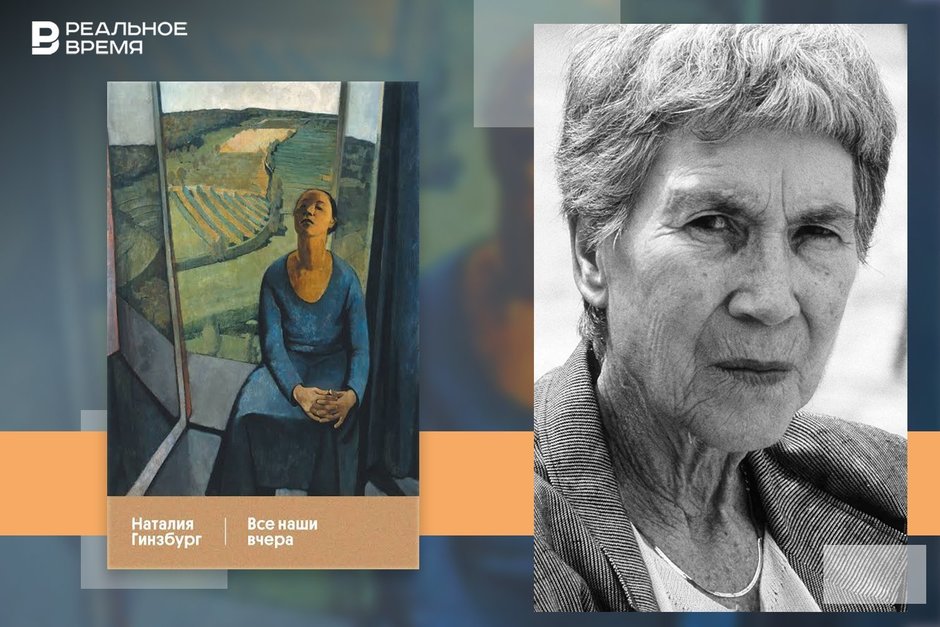
In the spring of 2026, Natalia Ginzburg's novel “All Our Yesterdays” was published in Russian — a book that offers a completely different view of 20th-century history. Most novels about World War II begin at the front or with occupation. Ginzburg chooses a different starting point. Her war exists in conversations around the family table, political arguments, letters, troubling news, and imperceptible changes in everyday life. History enters the house quietly, long before the weapons begin to roar. The literary critic of Realnoe Vremya, Ekaterina Petrova, tells how Natalia Ginzburg found a language that allowed her to speak about great historical catastrophes through the daily lives of ordinary people.
History begins in the kitchen
Natalia Ginzburg's particular perspective on history grew out of the writer's personal experience. She was born into a Jewish family that openly opposed the fascist regime. Her father, the scholar Giuseppe Levi, refused to support Mussolini's regime and lost his university position. In 1938, Ginzburg married Leone Ginzburg, one of the leaders of the anti-fascist resistance. During the war, the family was sent into internal exile in Abruzzo, and later the couple continued their underground work in Rome. In 1944, Leone was arrested, tortured in the Regina Coeli prison, where he died.
Natalia's first novel was published in 1942 under the pseudonym Alessandra Tornimparte. At the time, racial laws prohibited Jewish authors from publishing under their own names.
After the war, Ginzburg returned to the Einaudi publishing house, where she worked alongside Cesare Pavese, and later with Italo Calvino and Primo Levi. However, the events she lived through did not make her prose confessional. In her essay “My Vocation," the writer formulated the principle she remained faithful to all her life:
— When we are happy, our imagination is stronger; when we are unhappy, memory works more vividly. Suffering makes imagination weak and lazy.
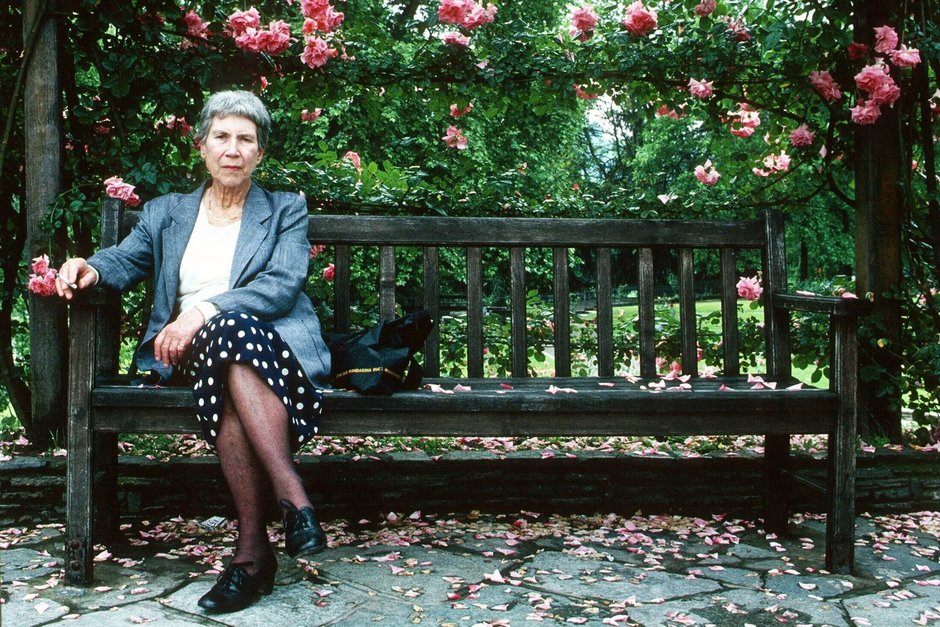
Ginzburg consciously avoided pathos and lengthy explanations. Biographer Maya Pflug recalled that the writer had learned a household rule:
— Do not write anything heavy or long.
Ginzburg herself wanted every phrase to act “like a whip crack, like a slap.” In the novel “All Our Yesterdays," written before her famous “Family Lexicon," this restrained and almost impassive voice was first fully formed.
How Natalia Ginzburg changed the language of memory
After the novel's release in 1952, many critics called “All Our Yesterdays” a book about World War II. Formally, it is. The action unfolds on the eve of and during the war; the characters face fascism, the underground, arrests, and forced separations. But for Natalia Ginzburg, war was almost never an independent subject of depiction. It exists on the periphery of the narrative. At first, it is conversations around the family table, newspaper news, political arguments of young people, and then a series of circumstances that gradually change life.
The political in the novel is revealed through its impact on everyday life. Public history dissolves into private life. Habits and ways of communicating change. “All Our Yesterdays” transforms into a chronicle of the disappearance of a familiar world.
Ginzburg abandoned the dramaturgy characteristic of war literature. There are almost no long monologues, psychological explanations, epic battles, or climactic scenes in the novel. The author seems to record what is happening with the impassivity of a chronicler. The characters talk, move, marry, lose loved ones, and continue to do household chores. The text is very restrained, but therefore emotionally more powerful.
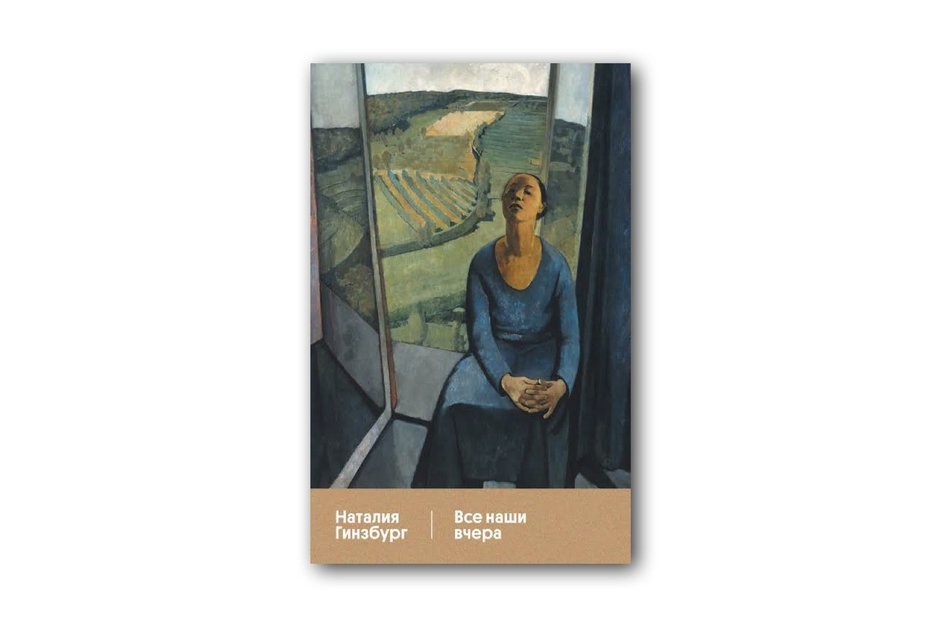
Irish writer Sally Rooney called Ginzburg's book a “perfect novel.” Rooney also noted that the Italian writer achieved the impossible, making the reader feel the scale of historical tragedy through imperceptible changes in the rhythm of ordinary life. History slowly seeps into the house while the characters still hope that everything will remain the same.
Contemporaries often took Ginzburg's prose for simple. But behind this external simplicity lies a meticulously constructed system of repetitions and short sentences. Ginzburg rejected “heavy” writing and high style. Instead, she sought a language capable of speaking about trauma without unnecessary words. As a result, the strongest episodes of the novel lack conventional drama. Tragedy appears more convincing when told calmly.
Researchers increasingly consider Ginzburg as one of the writers who anticipated modern literature's interest in family history and everyday life as the main way of understanding the past. In the novel “All Our Yesterdays," there are no great heroes or grand historical scenes. But there are people who continue to live, love, make mistakes, and make plans while the era changes imperceptibly around them and the world spins into the unknown.
The past that never ended
Natalia Ginzburg's novel remarkably anticipated many trends in contemporary prose. The writer shows how public history grows through family memory, daily habits, conversations at the table, and words that people repeat to each other for years.
This manner of writing was inherited by many authors decades later. According to Spanish writer Elvira Medel, Vivian Gornick was drawn to Ginzburg's constant movement between fiction and reality, Rachel Cusk to the asceticism of her style, and Sally Rooney to the ability to talk about politics through the personal. Cusk herself said:
— Reading Ginzburg, you realize how mannered modern prose has become.
At the same time, “All Our Yesterdays” occupies a special place in Ginzburg's own work. The novel long remained in the shadow of her more famous “Family Lexicon," and researchers more often turned to her essays and short prose. Italian literary scholar Giorgia Ghersi believes that one reason for this neglect lies in the nature of the book itself. It does not fit into familiar genre frameworks: it uses realistic techniques but simultaneously experiments with the narrator's voice and the structure of the narrative. The work is difficult to call either a classic neorealist novel or a traditional family chronicle.
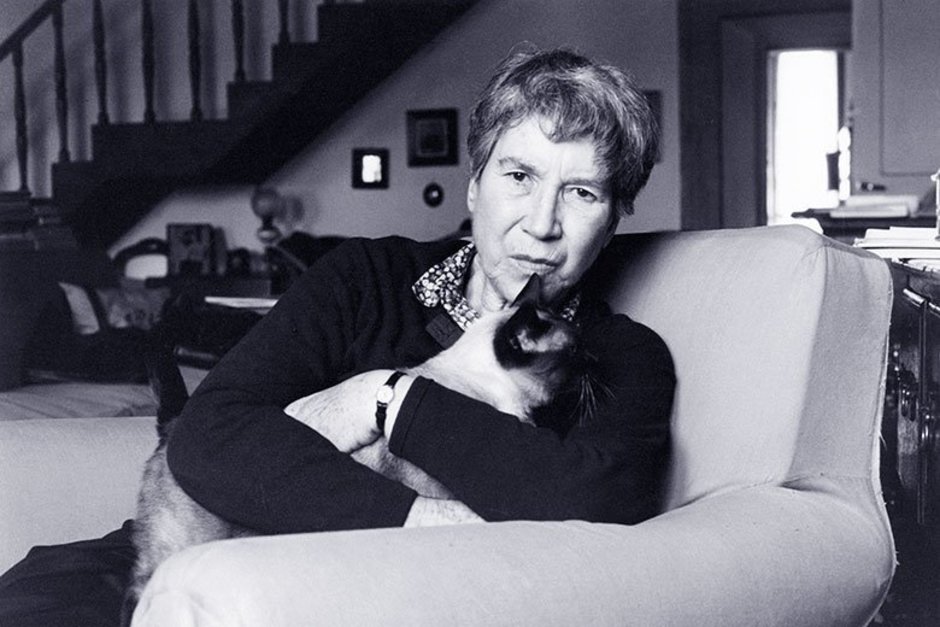
Here, Ginzburg first finds that way of telling family history that would later become the basis of “Family Lexicon.” The writer made family language and domestic space a universal way to tell about both one family and an entire country.
To the modern reader, accustomed to plot-driven stories, the novel may seem unusual. Events seem to dissolve into everyday life, and the characters speak briefly and rarely exchange long dialogues. In a note to the 1964 edition, Ginzburg explained her intent:
— My characters have lost the ability to speak to each other.
History rarely begins with loud events. This is the main idea of the novel “All Our Yesterdays.” Major political and historical events come unnoticed. First, they change family habits and the language people use to describe themselves and the world around them. Ginzburg saw this as early as the early 1950s. Seven decades later, the book needs no historical commentary.
Ginzburg's novel still explains how great upheavals become part of everyday life and how the memories of ordinary people remain the most reliable way to preserve history.
Publisher: Podpisnye Izdaniya
Translation from Italian: Anna Yampolskaya
Number of pages: 288
Year: 2026
Age rating: 16+
Ekaterina Petrova — literary critic for the online newspaper Realnoe Vremya, host of the Telegram channel «Булочки с маком».