How the story of Jane Eyre changed literature
Today marks the 210th anniversary of charlotte Bronte's birth. We explore how her novel “Jane Eyre” started a new literary tradition
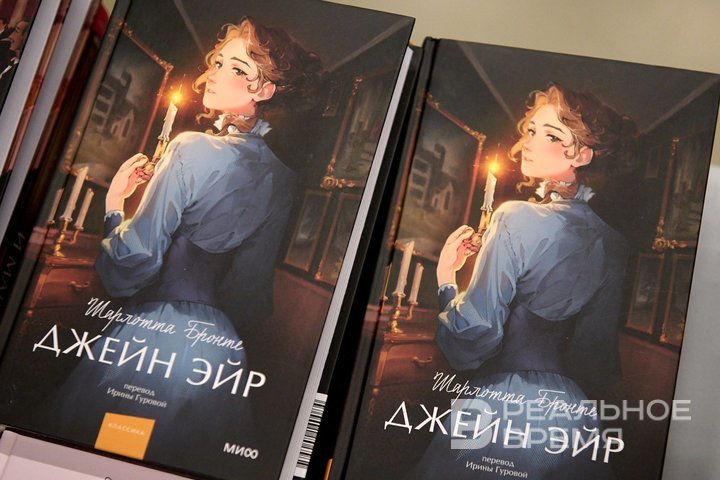
Sometimes a single book changes not only a heroine's fate but the very way stories about women are told. Charlotte Brontë's novel “Jane Eyre” became precisely that text, breaking conventional rules and making readers see the role of women in literature and society differently. “Jane Eyre” is not just a story of an orphan achieving independence but a significant milestone in the formation of feminist thought and the psychological novel. The book proposed a new model of heroine (independent, thinking, and active) and influenced generations of writers and readers. Literary columnist Yekaterina Petrova of Realnoe Vremya explains how this novel changed literature.
Charlotte Brontë vs. Victorian England
Mid-19th century Victorian England had a rigid system of gender roles. Women were viewed primarily as subordinate domestic beings destined for marriage and service to husbands and children. Women were confined to the home and lacked opportunities for self-fulfillment; their activities were limited to housekeeping and child-rearing.
Women's social status remained low. They faced numerous prejudices and restrictions, lacking basic rights: the right to vote, financial autonomy, property rights, education, and the possibility of divorce. The patriarchal culture of the 19th century reinforced women's dependence on men, and violating norms, such as chastity requirements, led to social condemnation and severe sanctions.
Even amidst the era's large-scale social transformations, women were forced to lead a double life: outward submission and internal strivings for freedom. Under these conditions, merely raising the question of women's equality and independence was a pioneering movement for the liberation of female consciousness.
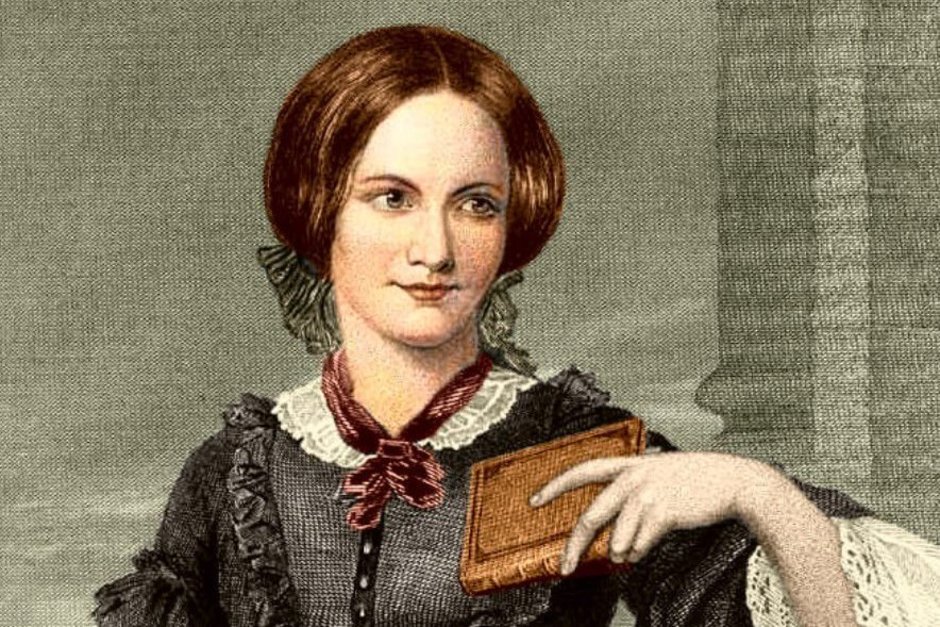
Against this backdrop, the publication of the novel “Jane Eyre” in 1847 under the pseudonym Currer Bell was a notable event. This is the story of an orphan who overcomes social limitations to achieve self-fulfillment. The work was immediately seen as a text raising the issue of women's rights and independence. Contemporary criticism has called the novel “proto-feminist," meaning it anticipated key ideas of feminism.
Charlotte Brontë articulated in the novel a demand for women's liberation, equal and independent marriage, and conditions for forming an independent personality. The images of Jane Eyre and Bertha Mason influenced contemporary women, contributing to the spread of feminism and the liberation of female thought.
Jane Eyre as a superwoman
“Jane Eyre” introduced a new type of heroine. She refuses a subordinate role and consistently asserts her own autonomy. Charlotte Brontë shows Jane as an orphan without fortune or connections but forces her to forge her own path in life, first as a student, then as a teacher and governess. For Jane, education is a tool enabling action in a world unfavorable to women. She articulates a demand for equality, stating that women possess the same feelings and mental capacities as men.
Jane constantly defends her dignity and personal freedom. She rejects unequal relationships and returns to Rochester only when she achieves financial independence and a position equal to his. The text states a direct commitment to self-respect:
“I care for myself... The more solitary, the more friendless, the more unsustained I am, the more I will respect myself.”
Simultaneously, Brontë destroys the traditional image of woman as the “angel in the house” and shows the process of rejecting prescribed roles. Jane defies social expectations: she refuses to be Rochester's mistress, leaves Thornfield, lives in poverty, but retains the right to make her own decisions. She also rejects St. John's proposal, seeing in it a new form of dependence and a denial of her own feelings.

Jane recognizes the risk of losing freedom in marriage and tries to find a balance between feeling and independence. She builds a relationship with Rochester based on equality, viewing independence and unity of outlook as the foundation of a happy marriage.
Furthermore, Brontë shows the formation of female self-awareness and the development of the heroine's inner voice. Jane travels from the imposed role of a “secondary being” to recognizing herself as a subject. This is a transition from the state of “other” to the state of “self.” She develops expression of her own thoughts and focuses on her own needs, not on a man's desires. Jane forms her “self” through experience of resistance and internal choice. Her striving for independence begins in childhood and continues into adulthood, where she consistently defends her subjectivity and personal boundaries.
A woman's place
In Victorian England, children already knew their fates. Boys from more or less well-off families went to school, while girls were educated at home, mainly prepared for marriage. Jane sees this inequality from an early age and understands that education is the key that opens the door to independence. She also comes into conflict with male domination, which manifests in the family where the man controls all members and makes decisions.
Jane refuses to submit, argues with authority figures, and defends her own views. The heroine acts not according to society's prescriptions but by her own will, attempting to break imposed norms. Even in love, she does not abandon her principles or sacrifice morality and dignity to remain with a man as his mistress.
Society, it must be said, does not approve of Jane's behavior. Her love of freedom is rather irritating. Jane is humiliated from childhood, and her aunt shows all her cruelty whenever the heroine minimally deviates from social norms.
As she grows up, Jane realizes that marriage and relationships in high society are often built on calculation and status, not reciprocity. The story of Rochester and his first wife, Bertha Mason, is precisely such a union. The family arranges their marriage for money and position, ignoring the feelings of the future spouses. Both wealthy Bertha and poor Jane find themselves in equally dependent positions under male control.
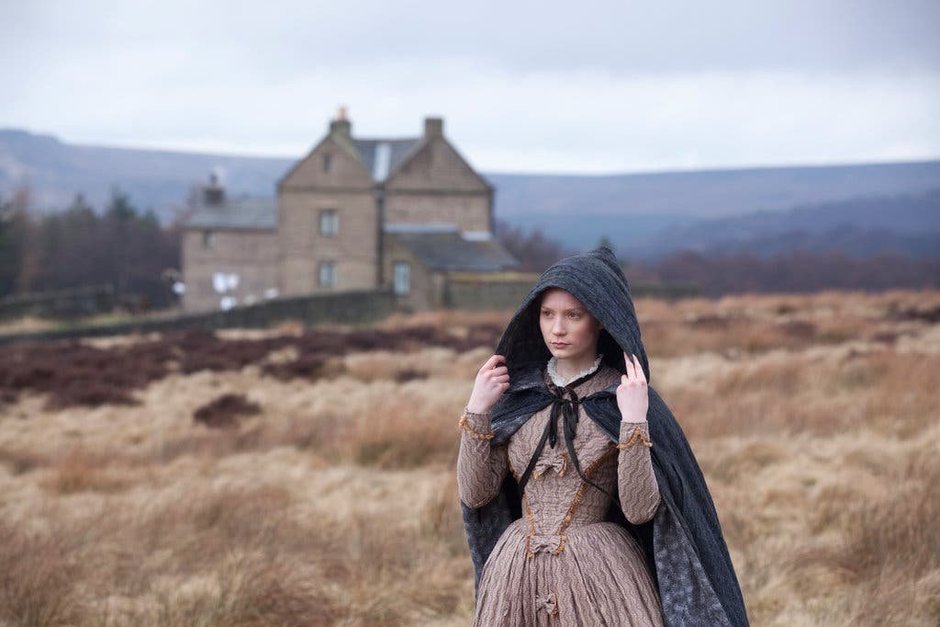
Charlotte Brontë structures “Jane Eyre” as a first-person narrative. From this perspective, the heroine's personal experience forms the basis of the text's structure. The novel takes the form of an autobiography, becoming more authentic and realistic. Jane herself describes her development and records her inner states through self-observation:
“I longed for liberty; for liberty I gasped.”
Here, Brontë's innovation is evident. She connects the external plot with the heroine's inner world, showing psychological dynamics through her thoughts. Female characters in literature were often deprived of a voice and self-expression, but here the heroine reclaims the ability to speak and be heard. Through the first person, Brontë shifts the woman from the position of object to the position of acting subject, thereby changing the traditional narrative model.
Nature constantly reflects the heroine's state. Brontë describes joy through images of wind and light and shows crisis through images of withering and emptiness. For example, after the secret is revealed, the heroine compares herself to a melting snowflake and notes that the garden has lost its brightness. Simultaneously, Brontë introduces a Gothic thread through the image of Bertha Mason and the scene of the “madwoman in the attic.” The image of the “madwoman” often appears in 19th-century literature, typically marking women who break social taboos as mentally unstable.
An “anti-Christian treatise”
When “Jane Eyre” was published, it caused a great stir. Critics agreed that the book was “remarkable," “captivating," and written with immense power. Jane's vivid narrative voice, openly declaring her desire to be an individual, seemed new and truthful.
However, many reviewers were horrified by the heroine's independence. Elizabeth Rigby, in her famous 1848 review, called the novel a “pre-eminently anti-Christian treatise” that violates all moral and social foundations and encourages Chartism (the workers' rights movement) and rebellion against authority. The author was accused of “coarseness” and “rudeness” for depicting emotions and scenes considered improper for a Victorian lady.
Over time, “Jane Eyre” became a revolutionary work that influenced the development of literature. It shaped the canon of the psychological novel and became a forerunner of the feminist movement in literature. Charlotte Brontë changed the concept of the heroine, shifting the focus from external beauty to inner strength, resilience, and moral independence. The “proud orphan” type opened the way for many independent female characters in literature. The intimate first-person narrative influenced the development of psychological prose, anticipating methods of authors such as Marcel Proust and James Joyce.

The novel influenced the work of George Eliot and Elizabeth Gaskell. Many contemporary authors, such as Anita Brookner, use the image of Jane Eyre as a model for exploring the fate of a virtuous but lonely woman. The novel inspired writers to rethink the role of women and revise classic plots. The most striking example is Jean Rhys's “Wide Sargasso Sea” (1966), which gives a voice to Rochester's “mad wife," reinterpreting her story from the perspective of postcolonial criticism.
Furthermore, “Jane Eyre” has become the basis for numerous remakes, sequels, and interpretations exploring other sides of the story. For instance, Daphne du Maurier transplanted the plot into the context of a psychological thriller in her novel “Rebecca” (1938).
The literary tradition gradually shifted its focus from passive heroines to characters who control their own lives and express an inner voice. These very texts spurred the revision and critique of distorted images of women prevalent in works by many male authors.
*Age rating: 16+*
Yekaterina Petrova is a literary columnist for the online newspaper Realnoe Vremya and hosts the Telegram channel «Булочки с маком».