Gilbert White and the art of noticing the world
In “The natural history of Selborne," the English clergyman Gilbert White teaches us to see nature
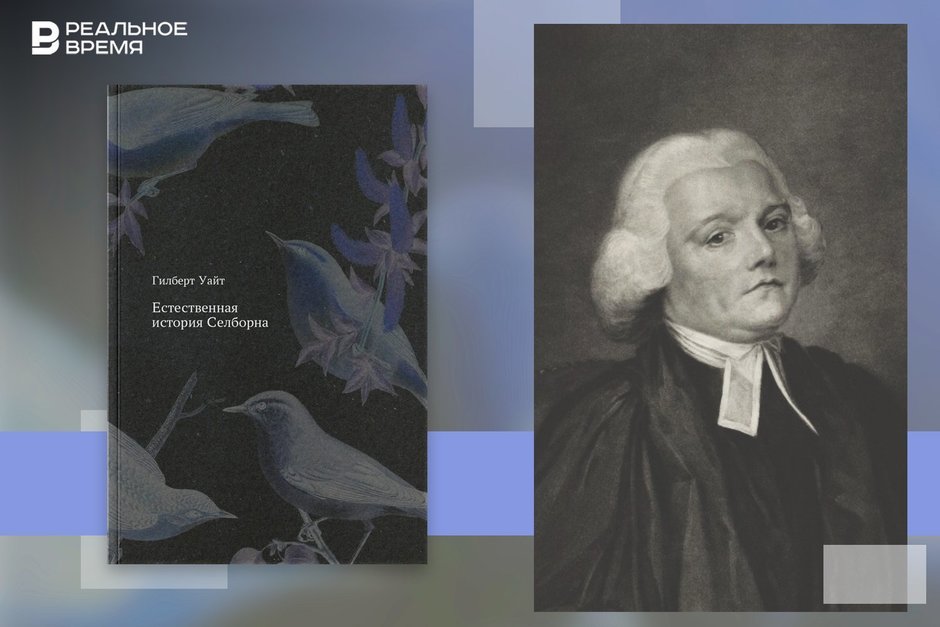
At the end of the 18th century, an English country clergyman named Gilbert White began recording what he saw around him. He watched birds, noted the flowering times of plants, observed the weather, and collected letters to other naturalists. These notes became the basis of “The Natural History of Selborne.” Critics and readers quickly noticed the book, and it then went through nearly three hundred editions and remained in print for over two hundred years. White's work entered literary history as the first book of natural history and achieved the status of an English classic. It was first translated into Russian only at the end of 2025. Literary critic Ekaterina Petrova of Realnoe Vremya explains what a modern reader might find interesting in an 18th-century book.
How Gilbert White invented nature prose
Gilbert White created a text that would later be called nature writing. This genre combines observation, scientific facts, and the author's personal experience. Such books describe plants, animals, weather, and landscape, but simultaneously show how a person perceives nature and how their view of the world changes alongside it. Nature writing uses the precision of natural science but avoids dry academic language. Authors often write in the first person, keep diaries, insert letters, and record details of everyday life. The result is something like a scientific-literary essay.
White was one of the first to show that even an ordinary field or garden could become material for a substantial book. He carefully observed bird migration, animal behavior, and the changing seasons. Together with naturalist William Markwick, he collected data on more than 400 species of plants and animals between 1768 and 1793. Researchers later called these records one of the earliest examples of phenology — the science of seasonal changes in nature. White viewed nature as an interconnected system. Even about the earthworm, he wrote with great respect:
— The most insignificant and unsightly insects and reptiles play a far more important role in the household of Nature and exert a much greater influence than incurious people tend to believe
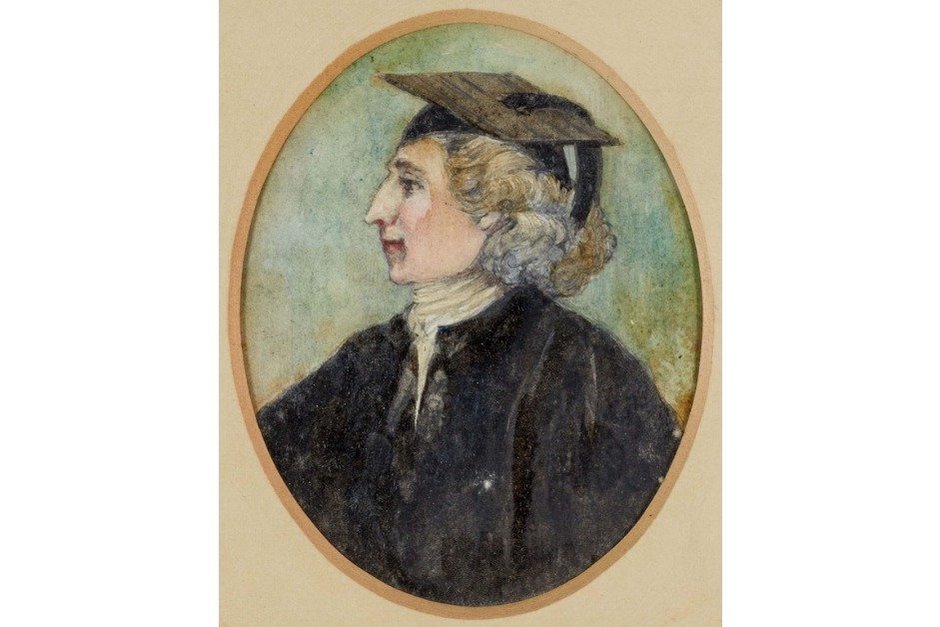
Researchers call Gilbert White one of the first authors who turned local observation of nature into an independent literary form. After him, the genre was taken up by Henry David Thoreau, Ralph Waldo Emerson, John Muir, and Charles Darwin. Thoreau, in “Walden," also built his book around personal experience, observation, and life next to the forest. But White did it earlier than many: he showed that a careful look at a familiar landscape can tell us as much about the world as a great journey or a scientific expedition.
A naturalist without a laboratory
White hardly ever left the village where he was born. He was born in Selborne in 1720, studied at Oriel College, Oxford, and earned a degree that allowed him to take holy orders as a clergyman. After Oxford, White served in parishes in Hampshire and Wiltshire, but time and again returned home to the family estate of The Wakes in Selborne. He lived there for almost his entire life. In 1788, the village had only 686 inhabitants, and Selborne itself remained almost isolated from neighboring places.
White described in detail the local lanes, which over the centuries had sunk so deeply into the chalky soil that they resembled ravines. He wrote that these “rugged, gloomy scenes deter ladies” and “make timid riders shudder.” Even the garden near his house White turned into an object of constant observation. He grew more than forty kinds of vegetables, experimented with corn, potatoes, and sea kale, and recorded everything in his “Garden Calendar.”
The clergyman began keeping an observation diary in 1751. Initially, he recorded what was happening in his garden, and later he started a more detailed “Naturalist's Diary.” Instead of dead specimens and collections, White studied live fauna in their natural environment, whereas many naturalists of his time studied mainly dead specimens. He carefully recorded details, compared notes, measured, and cross-referenced data. White was also the first to notice differences between several species of leaf warblers based on their song and began studying bird migration as a regular natural phenomenon. American nature writer Donald Peattie called him the creator of seasonal observation of nature and a man who taught readers to look closely at birds. Modern scientists refer to White as England's first ecologist.
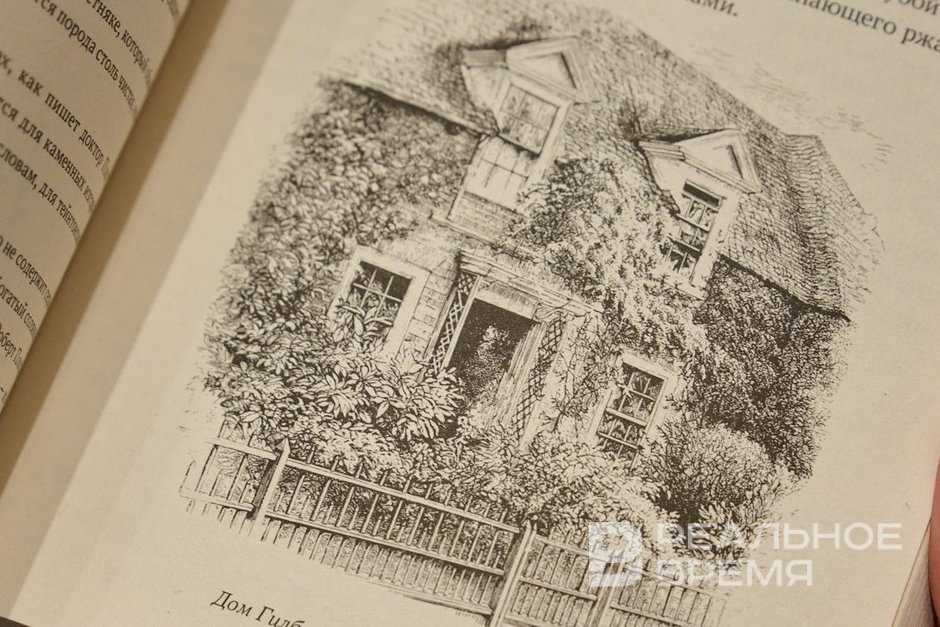
White's innovation lay precisely in his attention to everyday nature. He did not construct grand theories or turn science into an armchair pursuit. The essayist Richard Jefferies wrote in 1887 that White went out for a walk “without thinking of evolution, variation, or microbes," his “mind remained free, and his gaze — open.” White showed that any attentive person could study nature.
— There is not the slightest need to know the Latin names of birds in order to observe them, — wrote Jefferies about his method.
For years, White observed the same locality and viewed it as an interconnected system. This approach later influenced Charles Darwin. In 1870, Darwin recalled White's books among the texts that had particularly impressed him in his youth.
Letters, birds, and seasons
Gilbert White assembled “The Natural History of Selborne” from letters to the naturalist Thomas Pennant and to Daines Barrington, a member of the Royal Society. He actually sent some of the letters, while others he wrote specifically for the book. White described in detail the surroundings of Selborne, its hills, forests, roads, and weather.
“The soils of this district are as varied as its landscapes," writes Gilbert White in the very first letter.
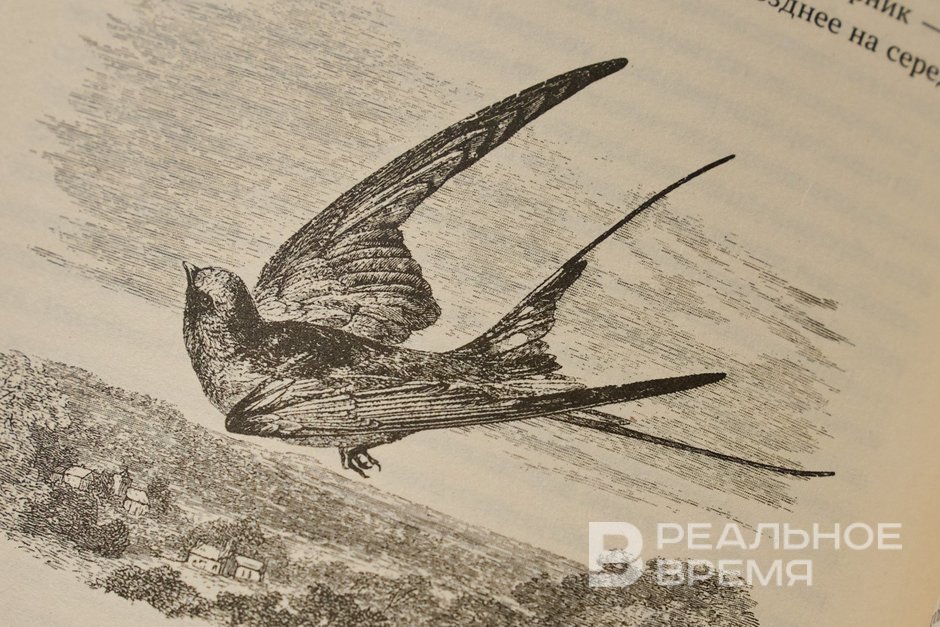
He did not separate nature from the everyday life of the village. White studied bird behavior with particular attention. “The language of birds is very ancient, and, like other ancient modes of speech, very elliptical: little is said, but much is meant and understood," he notes in a letter dated September 9, 1778. White described the flight of woodpeckers, the habits of swifts, and the migrations of swallows. He also noticed domestic details. In one letter, the clergyman recounted how peacocks rattle their long tail feathers, “like dancers with sabers," and quickly back towards the females. Alongside the birds, the garden, the vegetable patch, the roads, the rains, and neighbors' conversations constantly appear in the book.
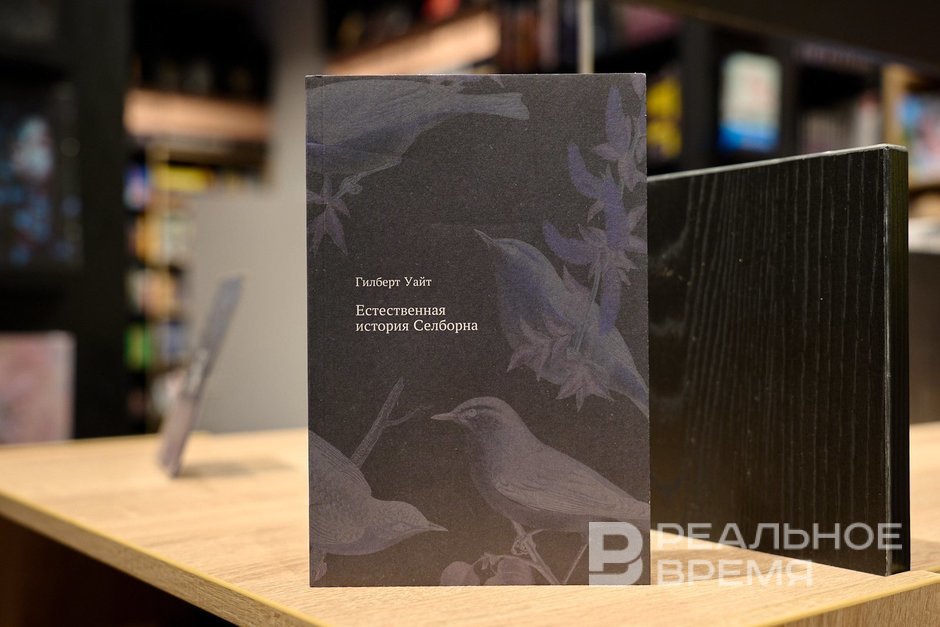
Sometimes White's entries resemble short diary notes. He could record the weather, the state of the garden, and the behavior of animals in just a few lines. This rhythm sets a calm and slow pace for the book. At the same time, White maintained the precision of an observer. He measured the flowering times of plants, compared the habits of birds, and described climatic phenomena. In the summer of 1783, he noticed a strange haze following the eruption of the Laki volcano:
“The sun at noon looked as blank as a clouded moon, and shed a rust-coloured ferruginous light on the ground and floors of rooms; but it was particularly lurid and blood-coloured at rising and setting.”
“The Natural History of Selborne” is called the first classic of the nature writing genre. The English poet Samuel Taylor Coleridge characterized it as a “sweet and delightful book.” And Virginia Woolf wrote that White, from the first pages, seems to “leave the door open," and the reader hears the sounds of the world beyond the text. The book influenced the essayistic writing of the 19th and 20th centuries, rural prose, and environmental literature. In the 19th century, readers saw Selborne as an image of disappearing rural England; in the 20th century, the book became part of ecological culture. And today, it continues to be read as a detailed chronicle of the relationship between humans and nature.
Against digital haste
It is difficult to find another 18th-century book that so insistently slows down the gaze. White did not chase after events or seek spectacular discoveries. He described the first flowers, the first butterflies, and the first frosts. He teaches us to notice what usually escapes us in our daily haste. The author seems to tell the reader: “Observe carefully, stay close to the earth!”
The personal and local connection with nature through patient observation became the foundation of the entire tradition of nature literature. In the 21st century, this approach has gained renewed significance. Contemporary books about climate change, species extinction, and ecosystem destruction are also built around the idea of careful and attentive treatment of the place where a person lives. American writer and journalist Elizabeth Kolbert writes about climate change. British author Robert Macfarlane explores the language of landscape. And Chicago-based journalist Sophie Yeo discusses humanity's broken connection with the planet. But many of these authors continue the line that White began.
Particularly interesting today are the pages where White describes the simplest things. He watches moths at night, observes wasps in the garden, and records in detail the habits of Timothy the tortoise. After reading the book, you begin to see seasonal changes, insects, birds outside your window, and plants in your garden differently. Gilbert White created a detailed chronicle of the living world and showed that even a small plot of land can reveal an entire system of connections.
“The Natural History of Selborne” occupies a special place among books about nature also because White does not set humanity against the surrounding world. He shows nature as part of everyday life. But in many ways, it is a connection lost to modern man. His genuine, childlike delight in the manifestation of life in every flight of a bee, every bird's song, every breath of wind, or every swelling bud makes you see the world differently. With the same enthusiasm and understanding of the fragility of all living things.
Publisher: talweg
Translation from English: Maria Slavorosova
Number of pages: 352
Year: 2025
Age restriction: 16+
Ekaterina Petrova is a literary critic for the online newspaper Realnoe Vremya and the host of the Telegram channel «Булочки с маком».