In Kazan, the “Secrets of the 18th Century Mansion” were revealed
The ASG Reception House welcomed guests for its first art walk
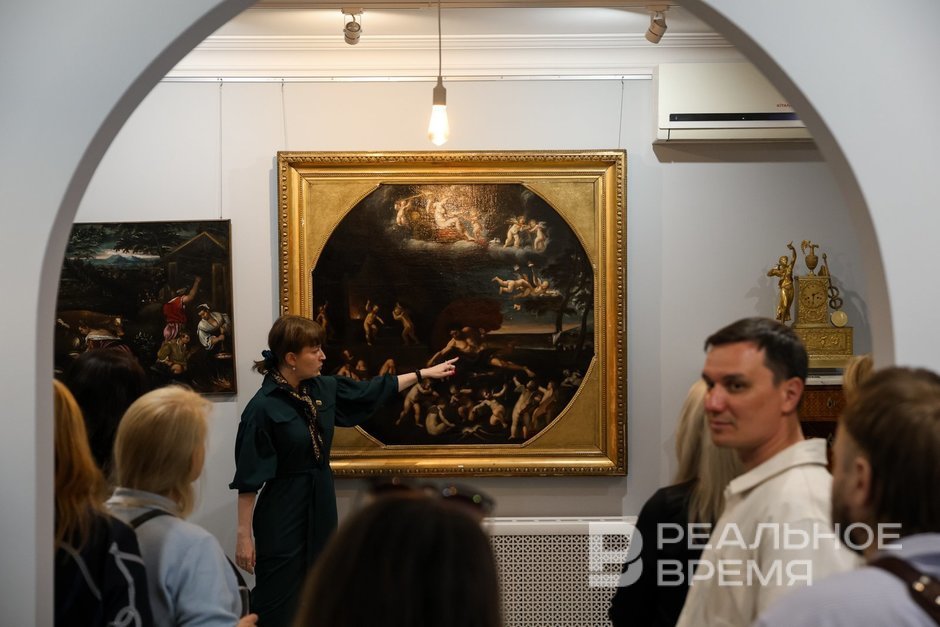
In the very heart of historic Kazan, an art walk took place through the ancient mansions of the ASG Reception House. Guests of the event immersed themselves in the atmosphere of the 18th—19th centuries, frozen in the luxury of palace interiors, and were able to touch unique interior items from the private collection of the ASG Grand Collection of Fine Arts. How the Reception House breaks the mould for hosting business and ceremonial events is detailed in the material by Realnoe Vremya.
“The mansion is mesmerizing”
The art walk at the ASG Reception House was timed to coincide with International Museum Day, celebrated annually on May 18. Arriving guests were greeted at the threshold of the mansion by a maître d' in a period costume, immediately immersing visitors in the atmosphere of the 18th century, while live classical music and historical interiors only enhanced this effect.
The ASG Reception House is a unique place where past, present and future meet. It includes a space for business negotiations and official receptions, a scientific cluster for studying the art of the old masters, a digital centre for classical art, as well as a private collecting centre and an ART residence. It comprises two restored and renovated historic mansions, furnished with antiques, preserving their historical character in the decor, yet equipped with modern multimedia technologies.
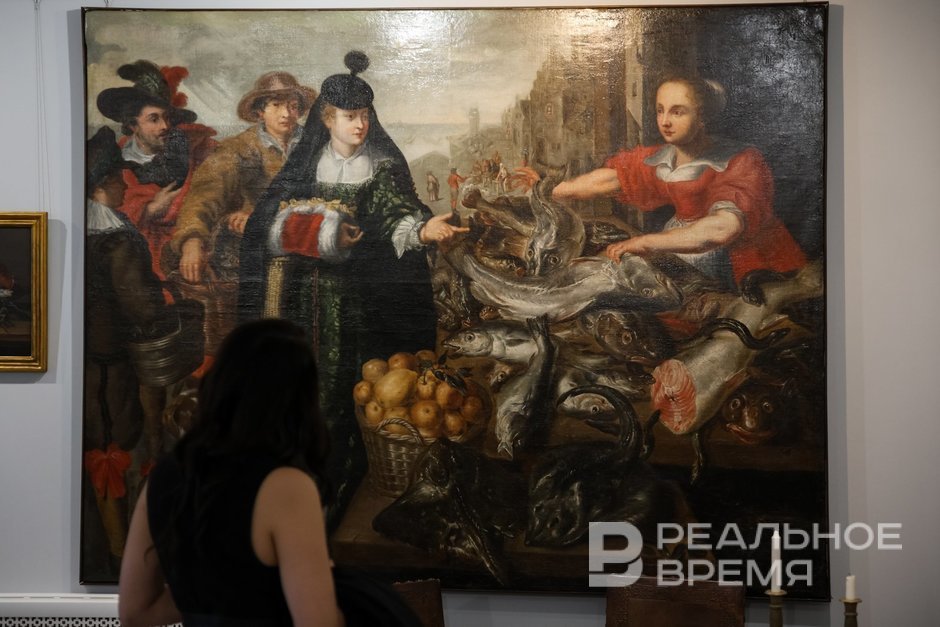
The pride of the ASG Reception House is rightfully its unique collection of European art masterpieces from the extensive ASG collection. However, this space is not like a standard, lifeless static exhibition where beautiful exhibits are simply gathered; here, the visitor is transformed from a detached spectator into a participant in the exhibition and can even touch antique objects with their hands. At the same time, the luxurious halls become a venue for social receptions, business and ceremonial events. As noted by Aigul Khamitova, director of the ASG Reception House, the company is bringing to life an innovative interpretation of global cultural heritage:
— When you come to this mansion, it is impossible not to fall in love with it. This place is mesmerizing; you want to return to it again and again. Guests who have visited us admit that they feel here as if they are at an exquisite aristocratic reception. This could be the beginning of a revival in Kazan of the tradition of social events, which were held so often in our city in the 18th—19th centuries. Within these walls, any event becomes unique, whether ceremonial or business. Our doors are open to a wide variety of projects: the mansion hosts business meetings, social receptions, immersive performances and fashion shows, as well as family celebrations and intimate weddings.

“From baroque to classicism”
This format of organizing the space of the Reception House is a kind of testing ground for a new large-scale cultural and business cluster — the ASG Palace of Fine Arts, which has already been dubbed the Kazan Louvre.
The concept of the Palace, with its state rooms, ceremonial enfilades and galleries, draws on the memory of the great noble families and Russian emperors associated with the history of Kazan and the Tatar people. The presentation of the future Palace evoked particular admiration from the guests. Thanks to artificial intelligence technologies, they saw what the halls and interiors of the new cultural space will look like: the concept and scale of the project are breathtaking. Named halls will present the history of European art from the 16th to the 19th century, each organized according to the principle of a unified art-historical concept — from Baroque to Classicism. The ASG Collection of Fine Arts numbers over 7,000 items, a significant part of which will be presented in the Palace.
The exhibition of the ASG Palace of Fine Arts will be unique for Kazan. It will span three floors. On the main ceremonial floor, the piano nobile, more than 20 halls will open. They will all be dedicated to the Russian emperors who left a significant mark on the history of Kazan — Peter I, Elizaveta Petrovna, Catherine II, Alexander I, as well as famous patrons of the arts. On the ground floor will be the halls of Menshikov — an associate of Peter I — Likhachev and others. Also on this floor, a space for multimedia computer technologies and artificial intelligence will be created — paintings that come to life, stylization of visitor photographs into images from the 17th—19th centuries. Guests will be able to enter a time machine and immerse themselves in a different era. Portraits of historical figures will come to life, and Peter I will speak Tatar. On the third floor, it is planned to house a permanent exhibition of decorative and applied arts, with an emphasis on furniture, clocks, porcelain and other interior items.
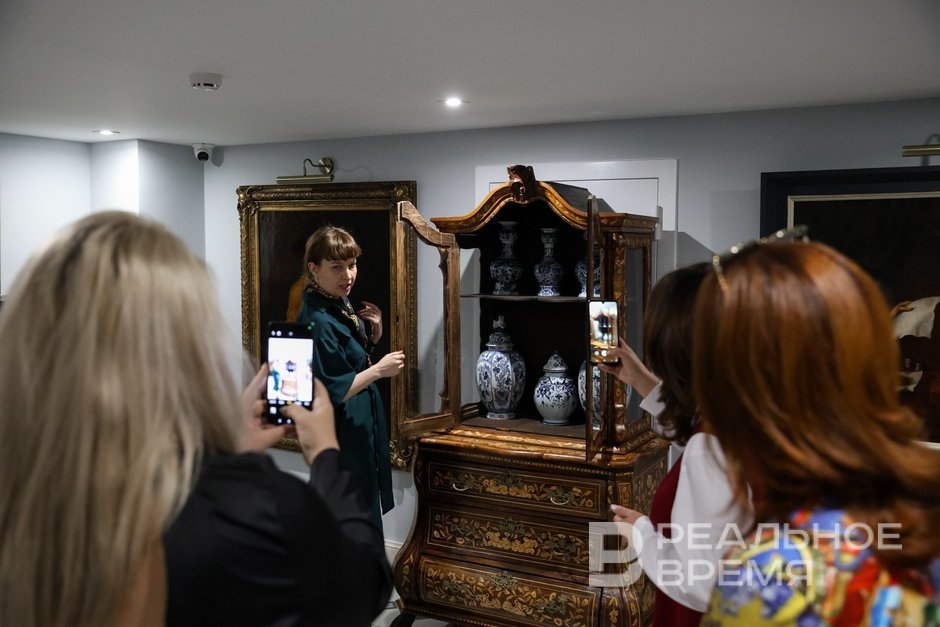
— After the revolution and the Great Patriotic War, many works of art were taken away, collections were plundered. Much ended up abroad, in Europe and America. Alexey Semin is now bringing all of this back to Russia. He has a dream — to find a painting that was sold from the Hermitage somewhere abroad and return it to Russia, — said Alina Bulgakova, director of the ASG International Institute of Cultural Heritage.
“The noble goal of enlightenment”
Another distinctive feature of the ASG Palace of Fine Arts will be the pinacotheca (a place for storing paintings), which is also unique not only for Kazan but for all of Russia.
— The concept of a pinacotheca is uncharacteristic for Russia. We believe that if Peter I had lived longer, such places would have appeared in Russia, just as they did in Europe. At the Palace of Fine Arts, we decided to create a painting storage facility on special sliding screens. Moreover, the paintings will not just be stored there; visitors will be able to see them, — Bulgakova explained.
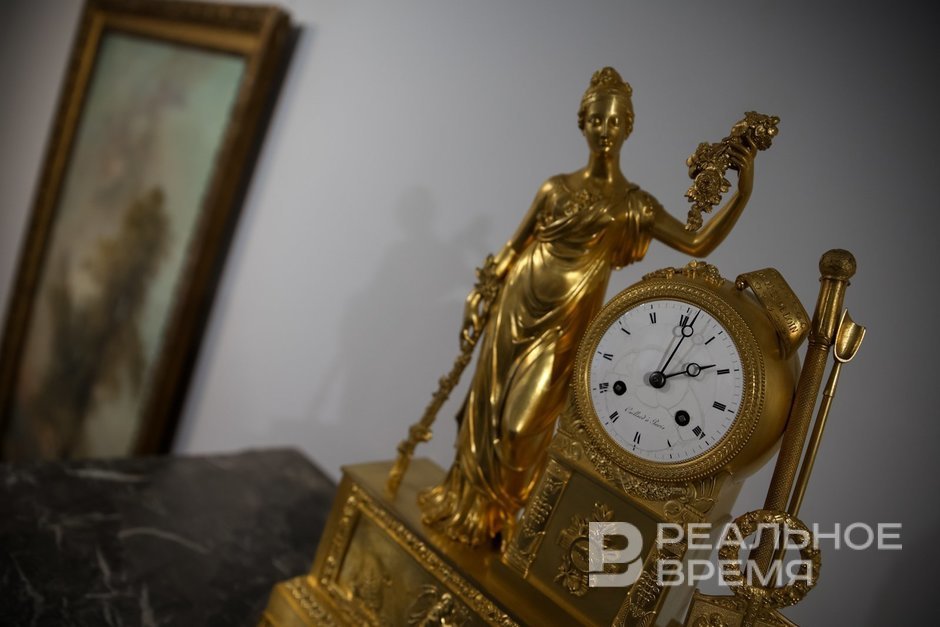
The ASG Grand Collection of Fine Arts is one of the largest — not only among private, but also among state — collections of Western European art in Russia. It features Flemish painting and French furniture from the courtly era, English clocks, masterpieces by Frans Snyders, and much more. The owner's approach is that the items in his collection should serve the noble goal of preserving cultural heritage and promoting enlightenment.
The visit to the ASG Reception House evoked sincere admiration from the guests; they noted the unique opportunity to combine historical aesthetics with the functionality of the venue and have already begun outlining ideas for their own events.