Maxim Protasov: “Halal shelves in retail used to be 'very strange'"
The head of Roskachestvo spoke to Realnoe Vremya about the development of the halal sector, entering international markets, and problems in this area
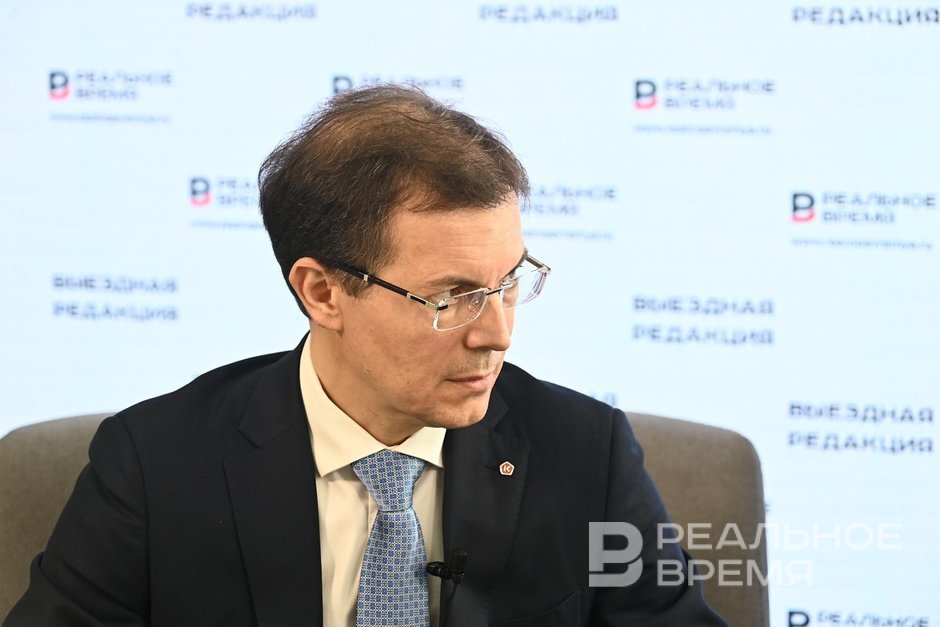
A correspondent from Realnoe Vremya spoke on the sidelines of KazanForum-2026 with the head of Roskachestvo (Russian Quality System), Maxim Protasov, about the implementation and problems of halal certification, how to attract tourists from Islamic countries, as well as why stars are awarded to hotels and what other standard confirmations are in demand by businesses. For more details, see the material by Realnoe Vremya.
— What steps has Roskachestvo taken to develop the halal products sector?
By order of the First Deputy Prime Minister, a Halal Competence Center and a certification body “Roskachestvo-Halal” have been established within Roskachestvo. Within the framework of the center, a technical committee has been formed under the leadership of Assistant to the President of the Russian Federation Ruslan Edelgeriev, and a national standardization program has been approved (nine standards — from food production to tourism, logistics, healthcare, etc.). Training of specialists from major companies, manufacturers, and retail chains has been organized at the Roskachestvo Academy.
— How has the situation with halal shelves in retail changed?
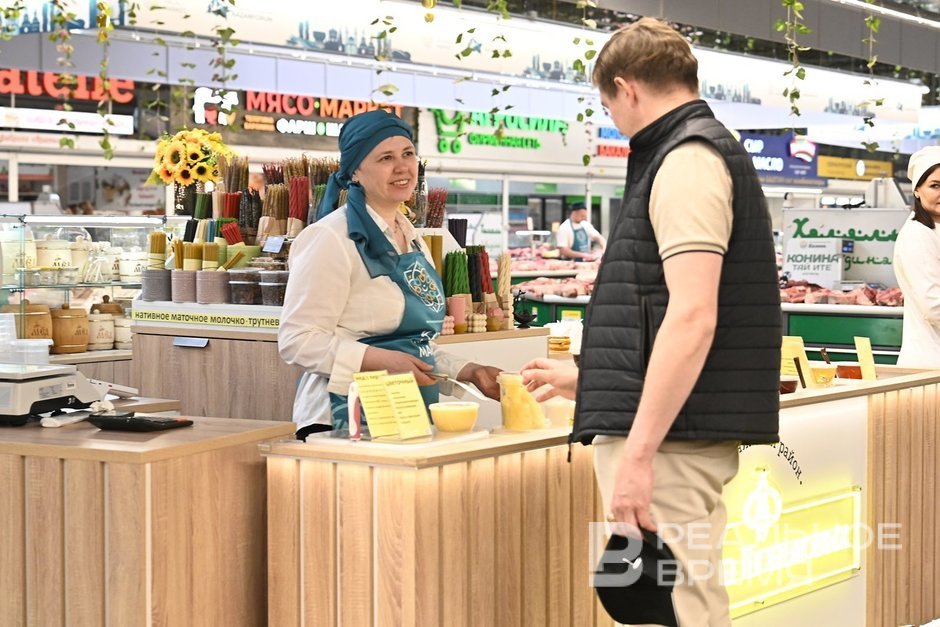
Previously, halal shelves in retail used to be “very strange," but now the situation has improved. Only products whose certificates are entered into the federal state register of Rosakkreditatsiya (Federal Accreditation Service) and issued by accredited bodies can be sold on the shelves.
— What significant event has occurred in the field of halal certification?
The certification body “Roskachestvo-Halal” issued its 100th “halal” certificate, entered into the federal register of Rosakkreditatsiya. It was received by a major ice cream manufacturer from Moscow, focused on local and external markets.
— What new certification areas have been launched?
The certification body “Roskachestvo-Halal” has expanded its accreditation scope and launched the “Muslim Friendly” certification system for healthcare facilities. In addition, an agreement has been signed with the state agency for the development of halal tourism in Malaysia: now certificates are recognized by both parties, and unified hotel catalogs for tourists are being formed.
— How does Roskachestvo assess the state of the halal products market in Russia?
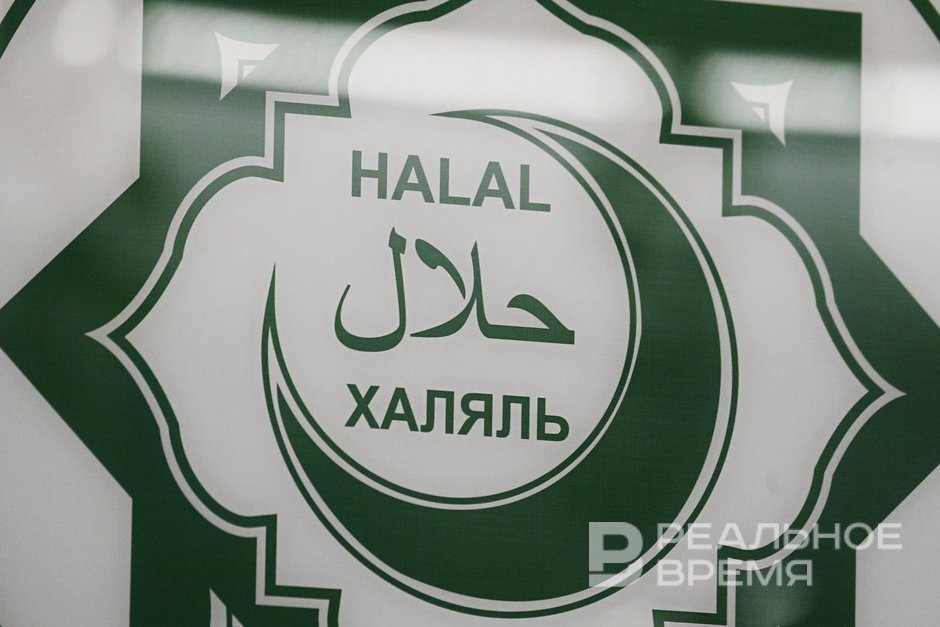
The trends are positive. A system has been formed that guarantees to consumers that products labeled “halal” truly meet the standards — they can be verified in the Rosakkreditatsiya database. This register will be opened to retail chains and consumers in a convenient format.
— Is there a demand from domestic manufacturers for halal certification for foreign markets? How does Roskachestvo help with this?
The ideal model is when a manufacturer, having passed certification in Russia, can freely sell products all over the world. Currently, many countries require re-certification, which is costly. Roskachestvo is working towards the recognition of its certificates abroad: they are already recognized in Algeria, Pakistan, the Gulf countries, and the CIS. For example, Tajikistan has officially recognized organic certificates and sent out information through trade channels.
— What other areas of certification are in demand among businesses?
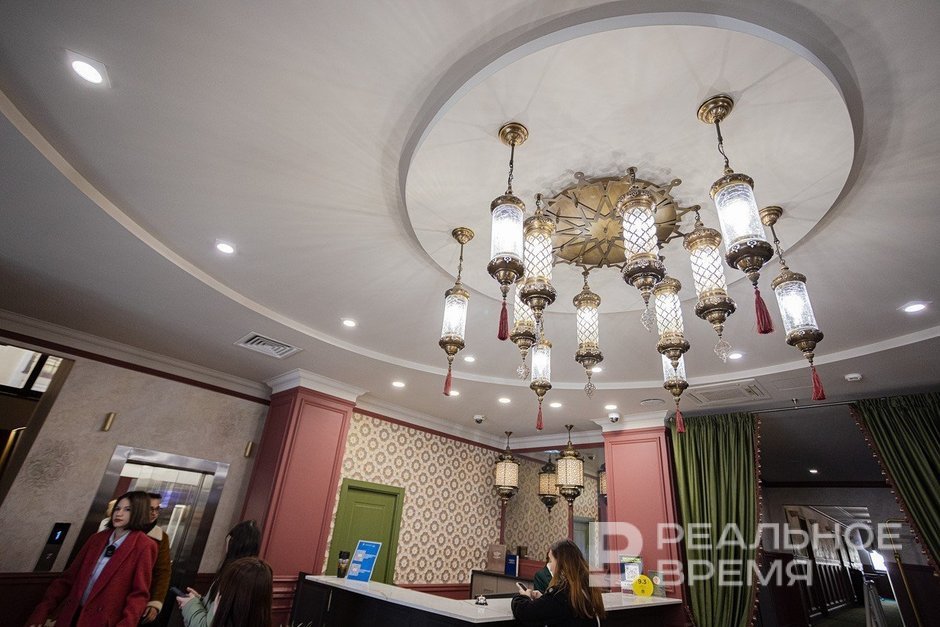
Besides halal certification, quality management systems (QMS) are in demand — through the “Russian Expert” project, Roskachestvo helps organizations implement optimal QMS systems. There is demand for food safety principles (HACCP) in public catering — Roskachestvo's competence center in food safety provides recommendations and conducts certification for restaurant chains and individual restaurants. Certification of hotels and inns is necessary — Roskachestvo has become the main body awarding “stars” and conducts additional certification (halal, “Muslim Friendly," etc.).
— How is quality controlled after certificates and “stars” are issued?
Systematic inspections are carried out — annual and surprise. Experts arrive without warning to assess compliance with standards. Experience with surprise inspections has been honed on products with the State Quality Mark: after the mark is issued, products are inspected at least twice a year.
— What tasks does the quality mark solve?
The key task is to raise the level of quality in the Russian market. The quality mark motivates manufacturers to create products that not only comply with technical regulations and GOSTs, but also with advanced standards. Currently, only 270 Russian goods meet the requirements of the State Quality Mark, including 14 goods from Tatarstan.
— How does the Russian Government Prize in the field of quality differ from the quality mark?
The quality mark applies to a specific product unit, while the prize applies to the efficiency of the enterprise as a whole. Roskachestvo experts conduct diagnostics of organizations, fill out checklists, and award points. 12 enterprises with the highest points receive the prize. For example, an enterprise from Zelenodolsk (Gorky Plant) received the prize yesterday at the White House.
— What role does Roskachestvo play in the development of the healthy products market? How many manufacturers have undergone certification?
Roskachestvo controls the market for organic, green, and functional products, and issues certificates (“Roskachestvo — functional products," “Roskachestvo — organic," state organic mark). There are about 250 organic producers in Russia, with more than 400 certificates issued. Functional products help people obtain the daily norm of micronutrients according to WHO recommendations.
— What areas of Roskachestvo's activities will be in demand in Tatarstan in the coming years?
The “Russian Expert” project, the QMS certification system, and participation in the government quality prize are in demand.
Of the 250 enterprises that underwent an audit as part of the prize, 40 received high scores, of which 25 became laureates, and the rest became diploma holders. This shows that the quality culture is becoming part of the “DNA” of enterprises in the republic.
— Thank you for the interview!