From Elena Molokhovets to fan recipes based on anime and Harry Potter
How cookbooks have changed over the past 165 years
In May 1861, Elena Molokhovets published a book with a long title — “A Gift to Young Housewives, or a Means of Reducing Expenses in Household Management.” This work went through dozens of reprints and still remains on bookstore shelves. The book was a complete domestic encyclopedia: recipes were divided into appetizers, soups, main courses and desserts, and before each section, the author gave advice on choosing products and kitchen utensils. In essence, the cookbook back then functioned as a modern lifestyle media, talking not only about food but also about the right way of life. One hundred and sixty-five years later, the genre is experiencing a rise again, only now, alongside classic recipes, there are books based on TV series, anime and video games. Realnoe Vremya's literary critic Ekaterina Petrova tells us what path cookbooks have traveled over the past century and a half.
The birth of culinary literature
The very idea of writing down recipes came to Russia much earlier than Molokhovets published her book. Philologist Galina Kabakova reminds us that as early as the 17th century, tsarist feasts turned into gastronomic spectacles. In Ivan Zabelin's book “The Domestic Life of Russian Tsarinas in the 16th and 17th Centuries," a feast in honor of the birth of Peter I is described: the tables were decorated with sugar figures of eagles, swans and entire “sugar cities” with cannons and people.
The first document that described Russian cuisine in detail was the “List of Tsar's Dishes” of 1610. The boyars prepared it for the Polish prince Vladislav, who was invited to the Moscow throne. The document listed dishes, products and the order of serving. Even then, Russian cuisine actively used lemons, saffron, cloves, cinnamon and cardamom. Kabakova notes that 17th-century cooks put tens of times more spices than today, and divided fish soup into “yellow," “black” and “white” depending on the set of spices.
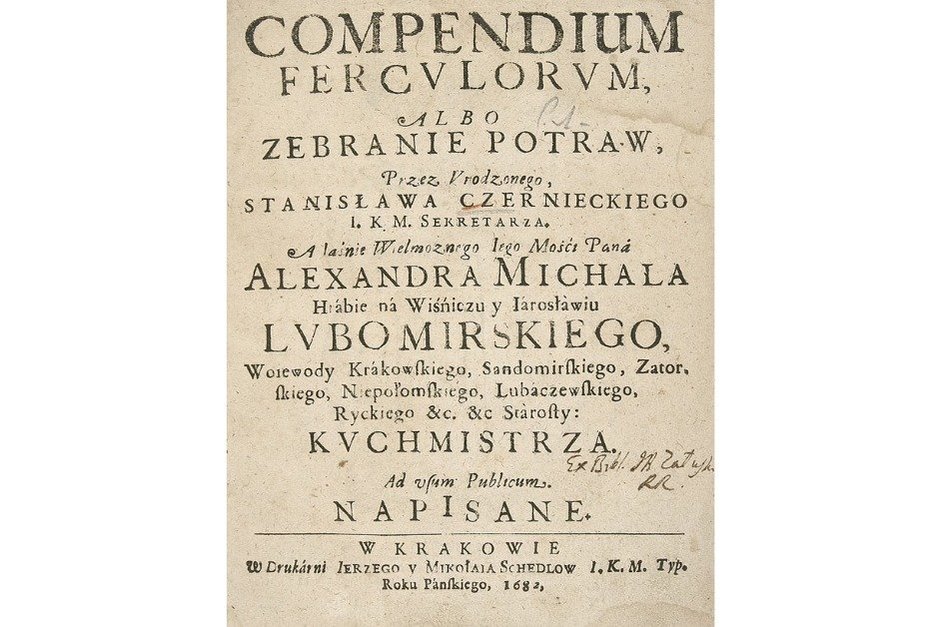
However, all these lists, expense books and descriptions of feasts did not yet constitute culinary literature in the modern sense. The first collection of recipes could have been a translation of the Polish book “Kuchmistrzostwo” (The Art of Cooking) by Stanisław Czerniecki. It was translated in Russia at the end of the 17th century, but was never printed. Cookbooks appeared only in the 1770s, with most being translated from German and addressed to professional chefs.
The situation was changed by female authors. First, Ekaterina Avdeeva published “The Handbook of an Experienced Russian Housewife," and then Elena Molokhovets wrote a book for the new urban middle class — not for cooks, but for housewives. It was at this moment that cookbooks turned from professional instructions into a mass genre.
The ideal housewife: the cookbook as a social project
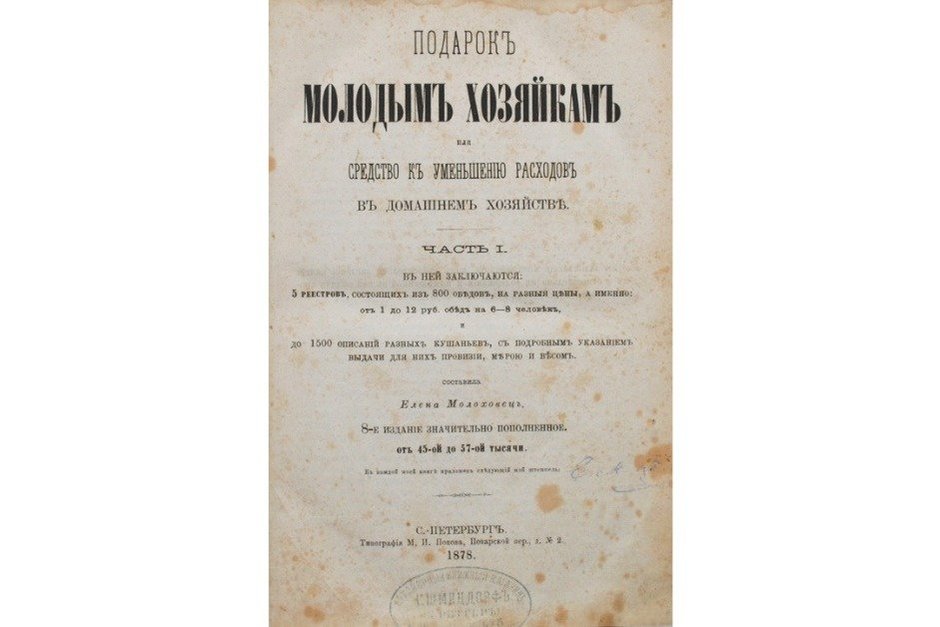
In May 1861, Elena Molokhovets published the book “A Gift to Young Housewives.” This work explained how a “proper” family should live after the abolition of serfdom. Molokhovets offered a food calendar for the entire year, budget management schemes, advice on relations with servants, apartment layout rules, and even recommendations for shared prayer. In the preface, she wrote:
— I compiled the book exclusively for young housewives, to give them the opportunity, without their own experience and in a short time, to gain an understanding of housekeeping in general.
Over half a century, the book went through 29 editions and sold nearly 300,000 copies. Readers bought it as a practical guide and as a status marker: a cookbook in the 19th century showed a family's belonging to the educated urban class. The first edition included about 1,500 recipes; by 1904, there were already more than four thousand.
Along with the recipes, the genre itself grew: Molokhovets added advice on clothing care, medical recommendations, instructions for cleaning marble and sewing machines. Competitors quickly began to profit from the book's popularity. “The Real Gift to Young Housewives," “The Complete Gift to Young Housewives” and even “The Newest Cookbook” compiled by “NOT Molokhovets” appeared on the market. Publishers turned the author's surname into a commercial brand.
At the same time, Molokhovets herself considered her book a response to the crisis of the old way of life. In a letter to Empress Maria Feodorovna, she argued that after the abolition of serfdom, Russian women “ceased to be embarrassed to run their households and appear in their kitchens.”
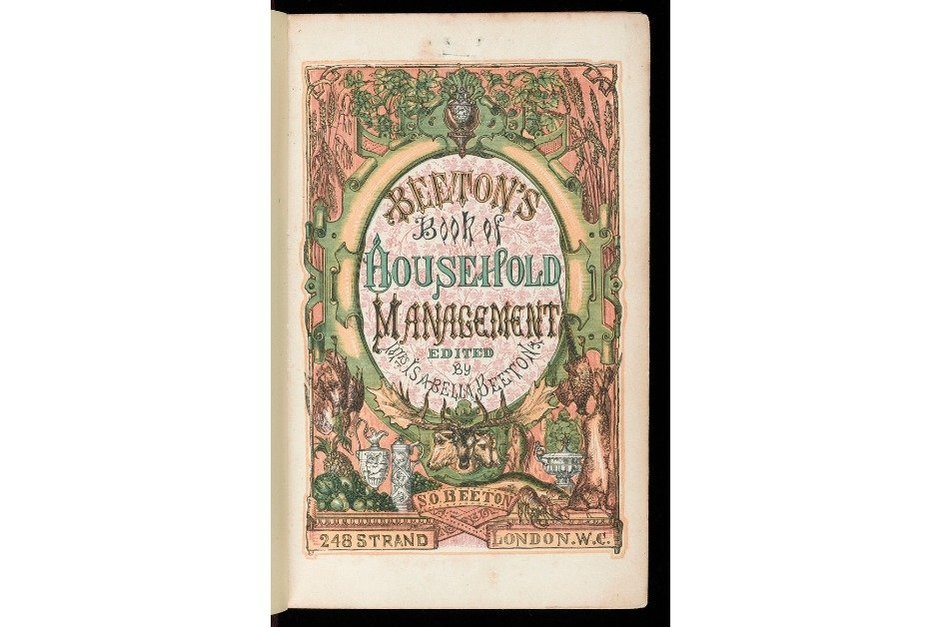
In the same year of 1861, a similar process was underway in Britain. Isabella Beeton published Mrs Beeton's Book of Household Management — a book that turned housekeeping into a system of rules for the Victorian middle class. In its first year, it sold 60,000 copies, and by 1868, the print run approached two million. Like Molokhovets, Beeton built a complete model of life from her cookbook. Her work combined recipes, advice on raising children, instructions for servants, medical notes and rules of conduct for the lady of the house. In the preface, Beeton explained that she decided to write the book due to the “disorder of household management," which brought “suffering to both men and women.” Her work shaped the image of a disciplined and rational woman of the Victorian era.
Beeton standardized the format of the recipe itself: first a list of ingredients, then the method of preparation, the cost of the dish, the seasonality of the products and the number of servings. This principle later became the norm for culinary media of the 20th century.
Like Molokhovets, Beeton built the home as a social project. Both books linked food with respectability, order and morality. Historian Kate Thomas called Beeton “a powerful force in the creation of Victorian domestic comfort," and Oxford University Press added that her book was a “foundational text” of the new middle-class model. The difference was that Molokhovets addressed noble families undergoing the reforms of the 1860s, while Beeton addressed young British families just learning urban bourgeois life. But both books did the same thing: they turned the kitchen into an instrument of social norm.
The USSR, France, Italy: three models of gastronomic culture
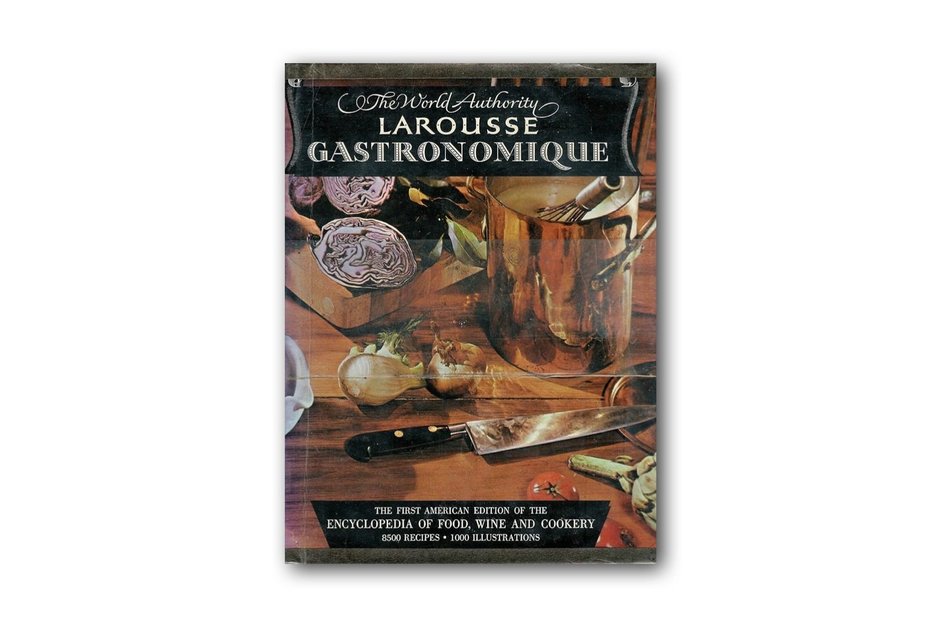
French gastronomic literature of the late 19th and early 20th centuries standardized national cuisine simultaneously with the formation of the modern French state. Culinary magazines for chefs and housewives established French food as an elite norm and showed how France “improved” the dishes of other cultures.
The gastronomic encyclopedia “Larousse Gastronomique," edited by Prosper Montagné, was published in 1938 and immediately changed the very genre of the cookbook. Montagné assembled a complete system of knowledge: cooking techniques, biographies of chefs, the history of gastronomy and a dictionary of professional terms. The preface to the book was written by Auguste Escoffier. He said that Montagné used his “Culinary Guide” as a basis and “definitely borrowed many recipes.” But it was precisely this connection that helped the encyclopedia establish French haute cuisine as an international standard. Later editions under the direction of Joël Robuchon expanded the encyclopedia with recipes from around the world, but French cuisine still retained its status as the main coordinate system within it.
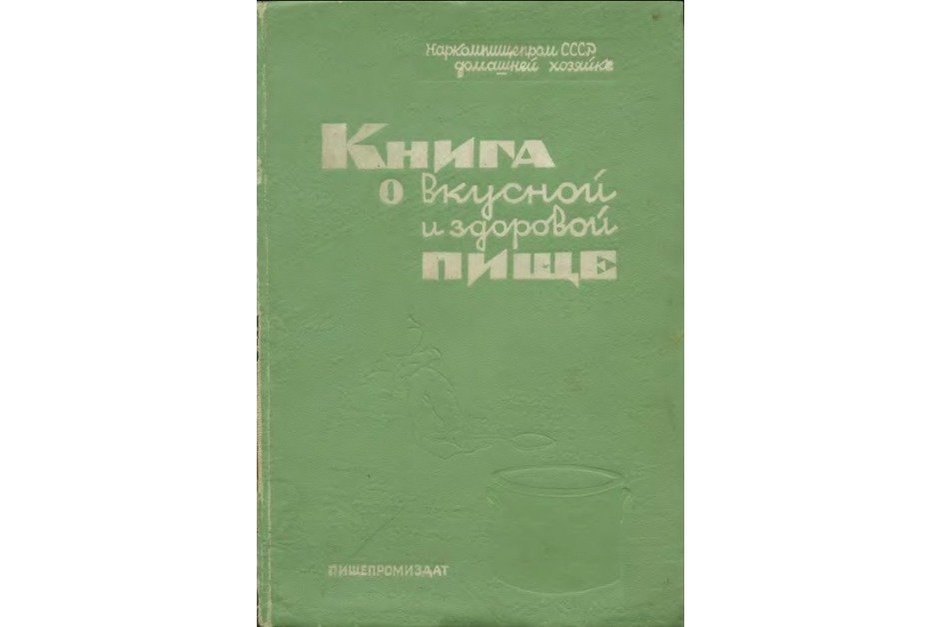
In 1939, the Soviet government launched a project for a new way of life. “The Book of Tasty and Healthy Food” was created under the supervision of the People's Commissariat of Food Industry and personally Anastas Mikoyan. The publication was positioned as “A Gift to the Soviet Housewife from the People's Commissariat of Food Industry.” The authors of the book gathered about two thousand recipes, recommendations for healthy eating and descriptions of Soviet products. At the same time, the book depicted not a country of scarcity in the late 1930s, but a world of abundance: jellied sturgeon, stuffed suckling pig, set tables and shops with perfect displays.
Researchers from the Institute of Nutrition, together with practicing cooks, attempted to create a new Soviet cuisine after the abolition of food ration cards. The book was supposed to replace the pre-revolutionary bestseller by Molokhovets, which was considered too bourgeois for the USSR. Even the design worked as part of the ideology: color inserts, gold embossing and large illustrations convinced the reader of the stability of the new life. The New York Times later wrote that Soviet citizens simply called it “The Book” and treated it almost as a sacred text.
After Stalin's death, editors removed his quotes and references to Beria from new editions, and in the 1960s simplified recipes due to problems with food supplies. But the book did not disappear: from 1952 to 1999, publishers released about 8 million copies. Today, people return to it as a document of Soviet everyday life and an object of nostalgia.
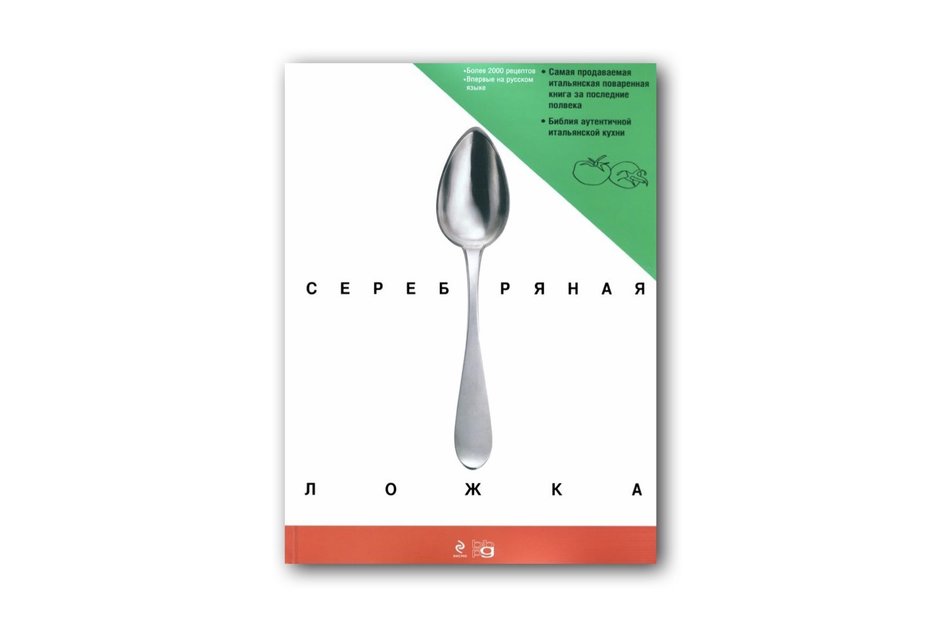
Ten years after their colleagues from France and the Soviet Union, Italy offered a completely different model of gastronomic influence. “The Silver Spoon” (Il cucchiaio d'argento) collected recipes from ordinary home cooking from all regions of Italy: pasta, risotto, vegetable dishes, desserts and family Sunday dinners. The publishing house Editoriale Domus released it in 1950.
Over time, “The Silver Spoon” became Italy's main gastronomic export brand. The British publishing house Phaidon released the English version in 2005, and the book unexpectedly became a New York Times bestseller. Readers bought the image of Italy: long family dinners, simple products, regional traditions and the Mediterranean rhythm of life. Italian cuisine relied on simplicity and quality of ingredients, rather than complex technique. Many recipes were created by ordinary people, so the dishes easily entered everyday life and became so-called comfort food. In the 21st century, Italy reinforced this effect through gastronomic tourism, a system of regional product protection and the Slow Food movement.
A conversation about culture, television and identity
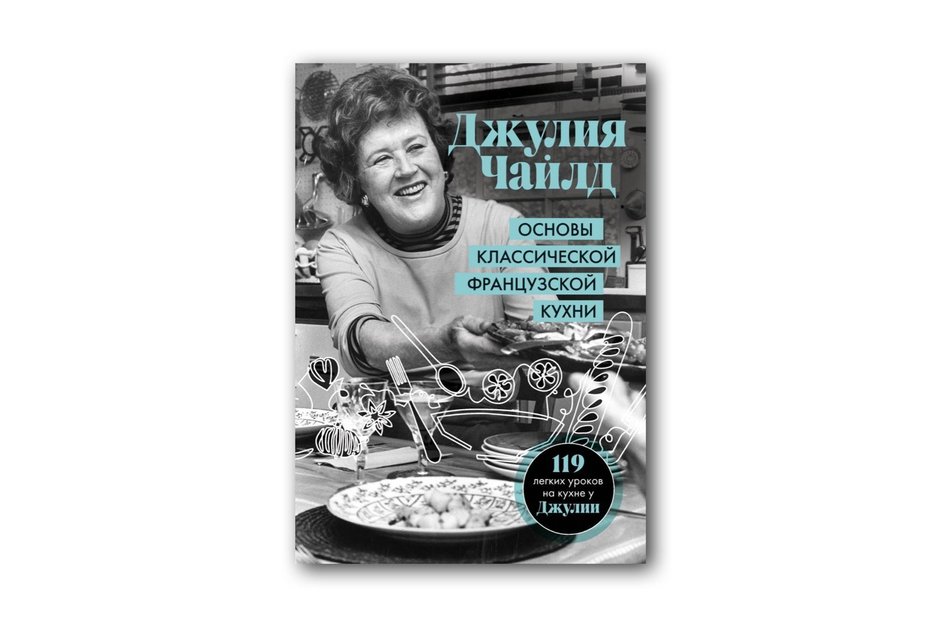
In 1961, American housewives were buying canned soups and reading books like “I Hate to Cook” by Peg Bracken or Poppy Cannon's “Can-Opener Cookbooks," which taught opening cans instead of lengthy cooking. Against this backdrop, Julia Child published “Mastering the Art of French Cooking” — a seven-hundred-page book with detailed explanations of how to dress a duck or make boeuf bourguignon. She explained complex techniques to ordinary people.
Child came to gastronomy late: in 1948, when she was 36 years old, Julia moved to Paris and, in her own words, “barely knew how to make an omelet.” In her memoir “My Life in France," she recalled:
— I fell in love with French food — with the tastes, the processes, the history, the endless variations.
Training at Le Cordon Bleu and working on the book with Simone Beck transformed her from an American expatriate into a media star. The television show “The French Chef” cemented this effect. Child joked, made mistakes on camera and didn't hide her failures. When a potato pancake fell onto the stove during filming, she calmly said, “Well, that didn't turn out very well.” It was this tone that changed the attitude towards cooking. Culinary arts ceased to look like a boring domestic duty and turned into a form of leisure, creativity and entertainment. Media historian Emily Contois later noted, “Food communicates and shapes every part of your identity.”
After Child, cooking entered celebrity culture for the first time, and television turned the chef into a public figure. Without her, there would have been no Food Network, no American chef Emeril Lagasse with his “BAM!”, no gastronomic travel shows with Anthony Bourdain, who called food “a way to enter another culture.”
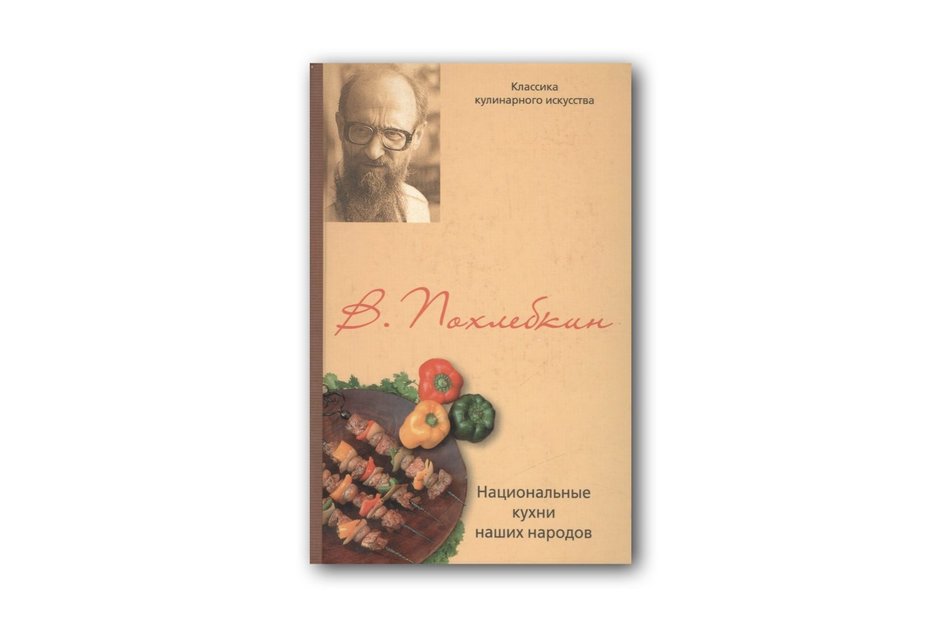
In the USSR around the same time, William Pokhlebkin took a different turn: he turned cooking into a conversation about the country's history and national memory. His 1978 book “National Cuisines of Our Peoples” spoke not only about the recipes of the USSR's republics, but also about cultural ties, religious habits and the politics of everyday life. Researcher Ron Feldstein wrote that Pokhlebkin had “far more historical and cultural details than other similar books," and this is what makes him a “unique culinary historian.”
Pokhlebkin himself considered food a “problem of restoring the national soul.” He explained Russian identity through cabbage soup (shchi), black bread, tea and sauerkraut. In his “Culinary Dictionary," he called shchi “the main classic Russian hot soup” and wrote: “You can forget your own father, but never shchi.” Pokhlebkin constantly connected gastronomy with the history of language, economics and everyday life. He argued with dictionaries, distinguished the concepts of “spices," “aromatics” and “condiments," revived old Russian dishes like kundums and wrote studies on tea and vodka.
His texts were read not only for the recipes. Many bought the newspaper “Nedelya” solely for his columns, and the book “Tea” was discussed in the kitchens of Soviet dissidents. Researcher Angela Brintlinger called this work “permitted dissent”: through talking about food, Pokhlebkin preserved pre-revolutionary cultural memory and offered an alternative to the official Soviet version of history.
The era of Jamie Oliver and Yulia Vysotskaya
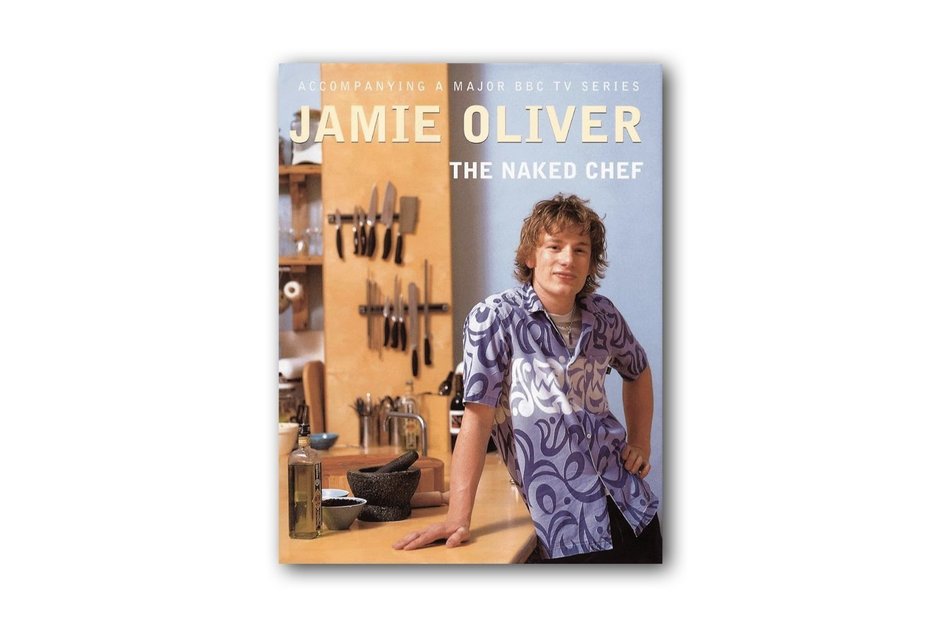
In the spring of 1999, Jamie Oliver burst onto British television on a Vespa scooter and within a few episodes destroyed the familiar format of the cooking show. In “The Naked Chef," he threw ingredients into a pan, “smeared," “squashed” and “shoved” food, and called cooking itself entertainment:
— Cooking should be fun.
Before him, television showed chefs in white jackets with pre-measured ingredients, but “The Naked Chef” made the kitchen part of the daily life of young city dwellers. The camera followed Oliver around London, The Stone Roses and Toploader played on the soundtrack, and the show itself resembled a music program more than a gastronomy textbook.
Along with the TV show came the eponymous book “The Naked Chef” (1999), which instantly became a bestseller and served as an extension of the author's television persona. It was then that the modern culture of celebrity chefs emerged: the chef became a media personality with a recognizable style, voice and value system. Researcher Christine Barnes later called such chefs “talking labels” — figures who simultaneously sell recipes, a lifestyle and an idea of “proper food.”
Oliver himself linked the project's success to a change in men's attitudes towards cooking: “When the second series of 'The Naked Chef' came out, cooking started helping to pick up girls. The show really broke down barriers.” Thus, the cookbook definitively entered the entertainment industry, and the author's personal brand became more important than the recipes themselves. By the early 2010s, Oliver had sold over 14 million books, launched Jamie's Italian restaurants and turned his name into an international gastronomic franchise.
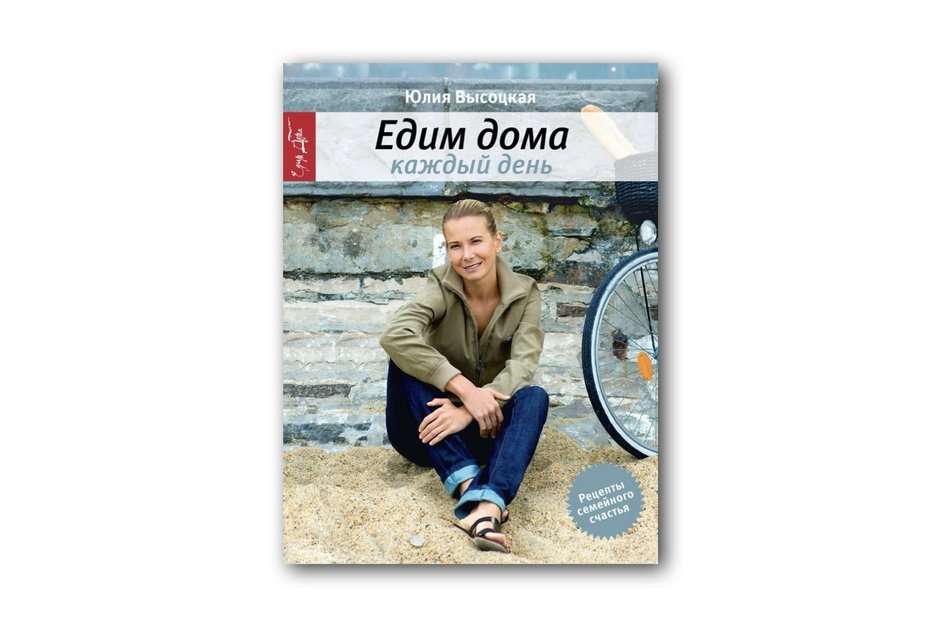
In Russia, the same model was adapted by Yulia Vysotskaya, but shifted the focus from urban British lightness to the idea of domestic comfort and emotional involvement. Her program “Eating at Home!” started in 2003, and the first cookbook was published at the end of 2005. Already in 2006, “Eating at Home. Recipes by Yulia Vysotskaya” appeared, where the cookbook became an extension of the author's television personality. Vysotskaya did not separate cooking from personal life: she talked about childhood, family and habits at home.
— When I was a child, I absolutely knew that at home, the food was the most delicious, — she recalled in the book “Baked Goods for Lelik.”
It was this emotional tone that changed Russian gastronomic culture in the early 2000s. Thanks to Vysotskaya's image, cooking ceased to be the “domain of housewives," and home cooking itself became part of a modern lifestyle. The cookbook now sold not only dishes, but also an atmosphere: family dinner, cooking together with children, beautiful table setting, travel and gastronomic leisure.
Visual appeal began to play an important role. The “Eating at Home!” brand also produced designer recipe notebooks with color-coded sections, author's inserts and Vysotskaya's advice on every spread. In 2009, Vysotskaya launched a website and her own internet television, and later the YouTube show "#sweetandsalty.” It was from this that directions like foodporn later emerged: food became visual content, and the kitchen became part of lifestyle aesthetics. Vysotskaya constantly emphasized the connection between food and emotions and everyday pleasure: “I like everything connected with food — both the process of cooking and the process of eating.”
From Hogwarts to the air fryer: the new life of the cookbook
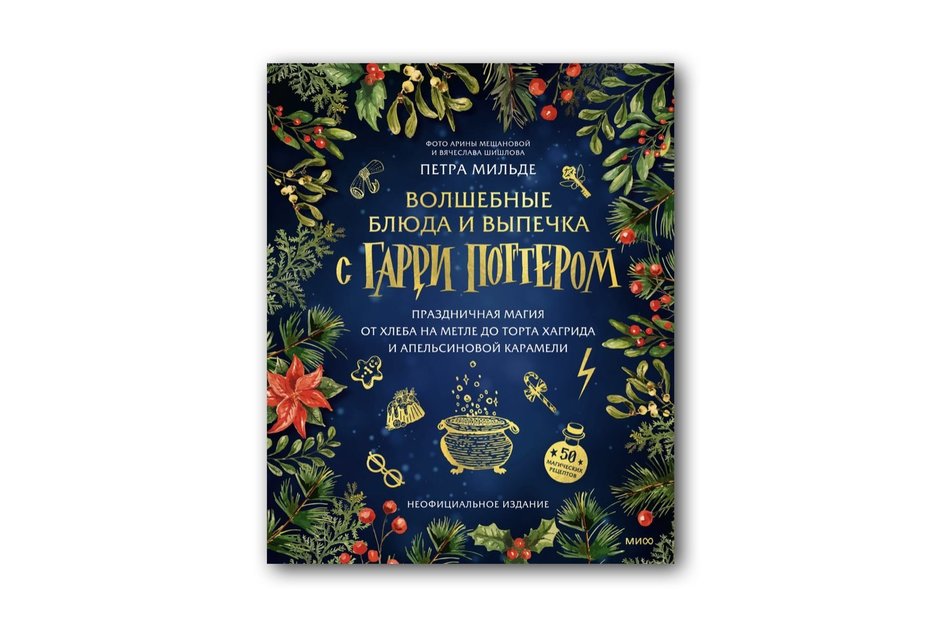
Today, fans collect cookbooks the same way they collect figurines, art books and limited editions. Recipes have become a way to “enter” a beloved universe. A young audience buys books based on Genshin Impact, Minecraft, The Elder Scrolls, Harry Potter, Korean dramas and the anime of Hayao Miyazaki. In 2024, sales of such publications in the Chitai-Gorod chain grew by 14%, and on Wildberries — almost threefold. The general director of Eksmo, Evgeny Kapiev, explained that the market did not experience explosive growth, but changed its audience:
— If previously the ratings were dominated mainly by classic cookbooks, now first place goes to books like “The Unofficial Harry Potter Cookbook” or recipes from anime.
Publishers already perceive this trend as part of fandom culture. Wine and gastronomy journalist Anna Kukulina writes that such books have long become a full-fledged fan service and coexist with other merchandise from cult franchises. This is especially noticeable in anime culture. Parents of teenagers say that after watching series, their children want not only to discuss the characters, but also to cook their food at home.
TikTok and YouTube have amplified this effect: short videos with “food from games” or “dinner from Hogwarts” turn the recipe into an extension of viewing. Even the official Skyrim cookbook appeared precisely because players wanted to recreate the characters' food in reality. And the author of “Magical Dishes and Baking with Harry Potter," Petra Milde, wrote that she wanted to preserve the “Christmas atmosphere of Hogwarts” and transfer it to the home kitchen.
At the same time, printed cookbooks have not disappeared even after the boom of TikTok recipes and food bloggers. A 2026 study by AST non-fiction and Chitai-Gorod showed that 40.3% of surveyed Russians still use printed cookbooks as a source of recipes, and 40.5% have bought them within the last year. Every third respondent collects beautifully designed editions for their aesthetics and as a collection. Publishers now speak not of reference books, but of slow media and home leisure. Ekaterina Cherkasova, chief editor of the “Kladez” imprint, noted that a printed book helps to “avoid digital noise” and remains a popular gift.
| Thematic direction | Share in Q1 2026 | Growth rate Q1 2026 vs Q1 2025 |
| Recipes for kitchen appliances (mainly air fryer recipes) | 22% | +847% |
| Baking and desserts | 16% | +237% |
| Asian fan recipes (anime, manga, dramas, games) | 10% | -42% |
| Beverages (led by non-alcoholic drinks) | 10% | +127% |
| Fan recipes (movies, TV series) | 6% | +149% |
| Russian and Soviet cuisine | 5% | +177% |
In 2026, books for air fryers grew particularly quickly: AST non-fiction's sales increased by 847% quarter-on-quarter. At the same time, demand grew for books on baking, niche recipe books, fan editions and gift gastronomy books. Evgenia Larina, director of AST non-fiction, links this renaissance to new eating habits and the popularity of kitchen appliances.
On the shelves, “Air Fryer Recipes," “Hěn měiwèi! Food from the World of Teyvat” (Genshin Impact), “The Unofficial Bridgerton Cookbook” and reprints of Pokhlebkin sit side by side. The buyer chooses not so much a cooking instruction as a mood, visual style, and feeling of comfort. That is why books with a story end up at the top of sales: “At the Table with Bulgakov” by Elena Pervushina, “961 Hours in Beirut” by Ryoko Sekiguchi, “Taste: My Life Through Food” by Stanley Tucci, or “About Jam” by Alena Doletskaya.
Ekaterina Petrova — literary critic for the online newspaper Realnoe Vremya, host of the Telegram channel «Булочки с маком».