Smart automation
TAIF-NK implements APC system at catalytic cracking unit
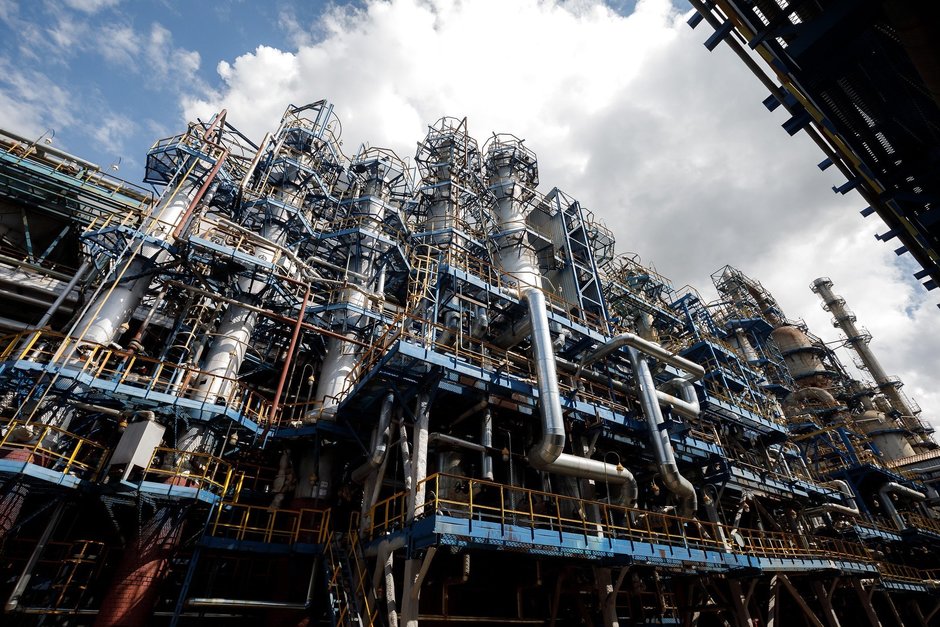
At the Gasoline Plant's catalytic cracking unit, TAIF-NK is actively implementing an Advanced Process Control (APC) system. This step is part of the company's strategic program to improve efficiency and sustainability of production processes in a changing economy. About the advantages of the digital tool — in this report by Realnoe Vremya.
Project launch
The implementation of the APC digital tool at TAIF-NK's catalytic cracking unit began in January of last year. A highly professional team, consisting of technologists and the operational efficiency improvement group of TAIF-NK, as well as specialists from the integrator company engaged in designing and implementing the APC system, joined the project.
After conducting an initial survey and collecting baseline data for design, the question arose: which APC system to implement, given that major foreign vendors had refused to supply specialized software to Russia? The choice fell on software from a Russian company included in the Russian Software Registry.
In less than a year, project documentation was developed, control strategies and optimization tasks were defined.
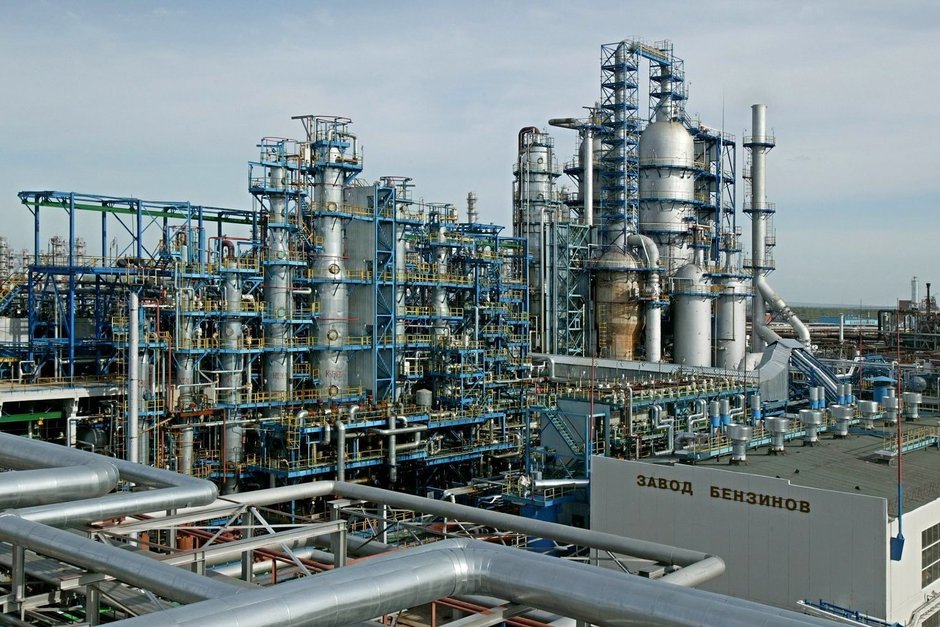
— An Advanced Process Control system is a hardware and software complex that operates above the basic control system. The main goal is to maximize the yield of valuable products by automating and improving process control. Built-in mathematical models help reduce fluctuations in technological parameters and carry out continuous optimization of the system according to specified economic criteria, — Marat Faizrakhmanov, head of the group at the Advanced Development and Efficiency Improvement Service of TAIF-NK JSC, explained the nuances of the APC system's operation.
Autopilot for the technological process
During the APC implementation, digital tools were used that play a key role in optimizing production processes and ensuring high product quality.
These include multivariable controllers (MCs). They allow managing several interdependent parameters simultaneously, minimizing the impact of fluctuations on the overall process. MCs provide adaptive control, allowing the system to automatically adjust to changing operating conditions of the unit. This in turn leads to more stable results and resource savings.
Virtual analyzers help track information about the state of production flows in real time. They process data on parameters such as temperature, pressure, and flow rate, creating accurate product quality predictions. Thanks to virtual analyzers, operators can identify potential deviations in advance and respond promptly, which will significantly increase overall operational efficiency. VAs also help relieve the laboratory workload when data correlation is good.
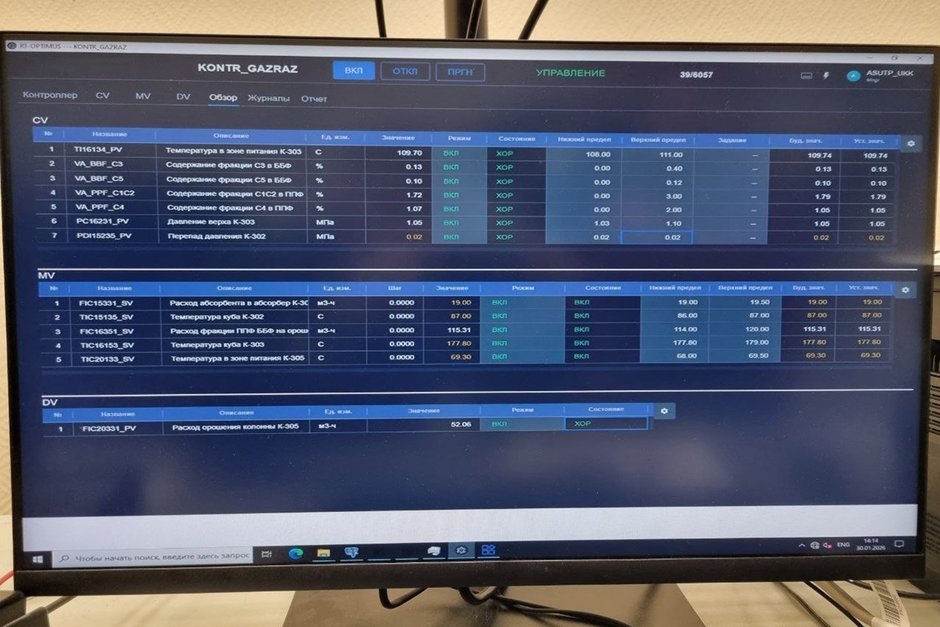
The analytical tools used within the APC will provide the ability to collect and process huge volumes of data obtained at all stages of production. With their help, specialists can identify trends, build predictive models, and develop strategies for optimizing unit operation.
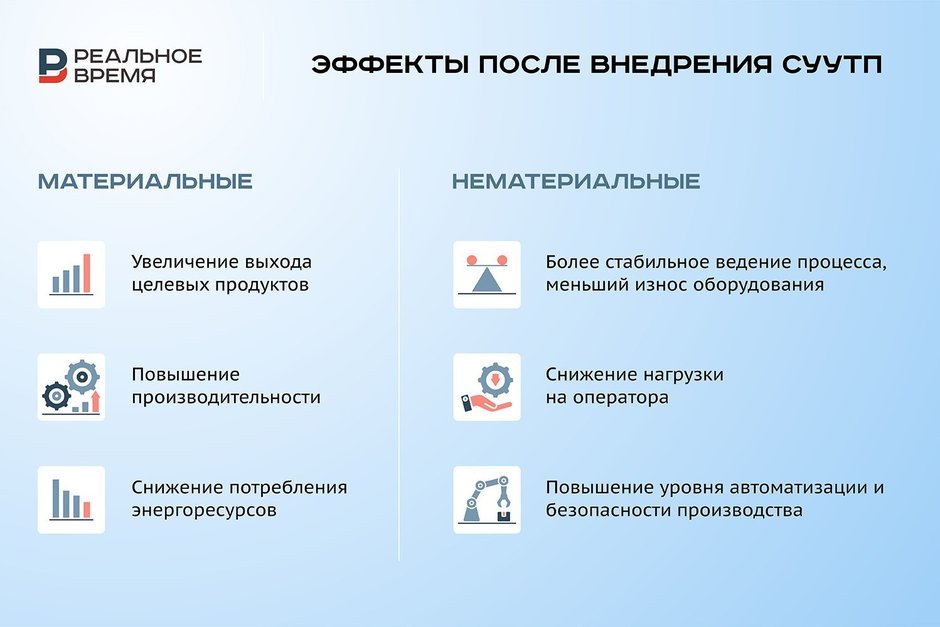
The APC will also make it possible to predict the quality of intermediate and product flows based on virtual analyzer readings, reduce quantitative losses, and increase profits through optimal operating modes and redistribution of product withdrawal in favor of more valuable products. It will also minimize energy consumption, reduce the number of unit malfunctions, and decrease instances of safety automatic devices being triggered.
Personnel training
Currently, the catalytic cracking unit is undergoing the commissioning phase. The transfer of the APC system into trial operation is planned within the deadlines stipulated in the contract. Before launching the new system, the operational technological personnel of the Gasoline Plant underwent training. Specialists from the integrator company visually demonstrated and explained the basic operating principles of the digital tool.
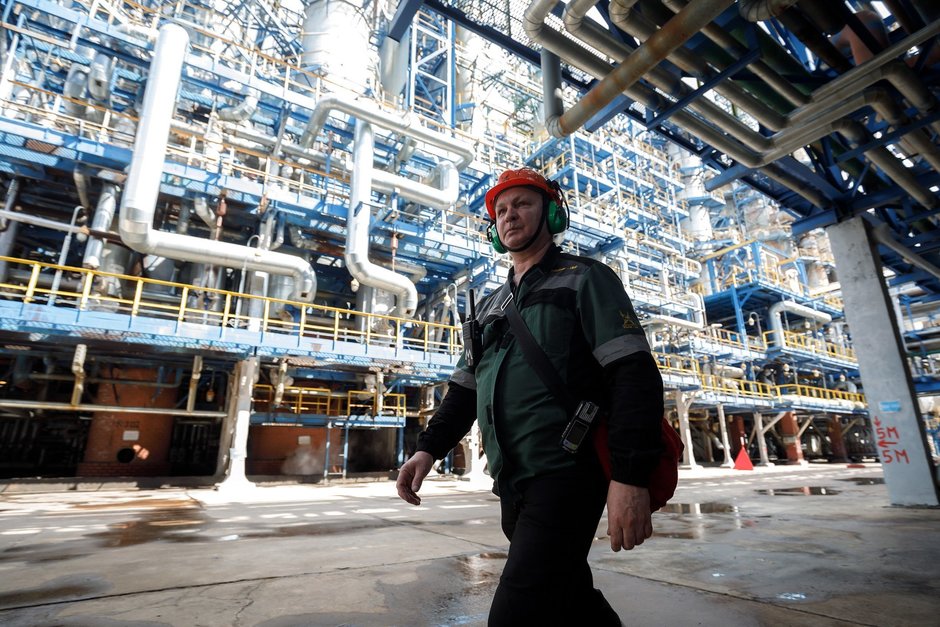
The training covered not only theoretical aspects of the system's operation but also practical skills. The course included simulations of various technological situations. This allowed personnel to better understand how to respond to changes in process parameters and what steps to take to achieve optimal results.
It is important to note that the implementation of the APC will not only simplify work processes but also increase the level of safety in production, as well as minimize the number of errors associated with the human factor.
— The operational personnel understand that implementing the APC will improve the technological process and increase the company's profit. Operators will be able to set permissible parameter limits according to the regulations, and the system will independently manage the process, freeing them from constant monitoring, — Marat Faizrakhmanov explains the advantages of the APC.
Impetus for the development of domestic Software
The company notes: implementing the APC is an important step towards increasing production efficiency. The company is continuously raising the level of automation and investing in the development of digital tools.
Furthermore, work on the project at TAIF-NK has provided impetus for the development of domestic APC software. Together with the oil refiners, engineers from the integrator company improved the software, which in terms of functionality is not inferior to imported analogues and is suitable for implementing APC projects of varying complexity.
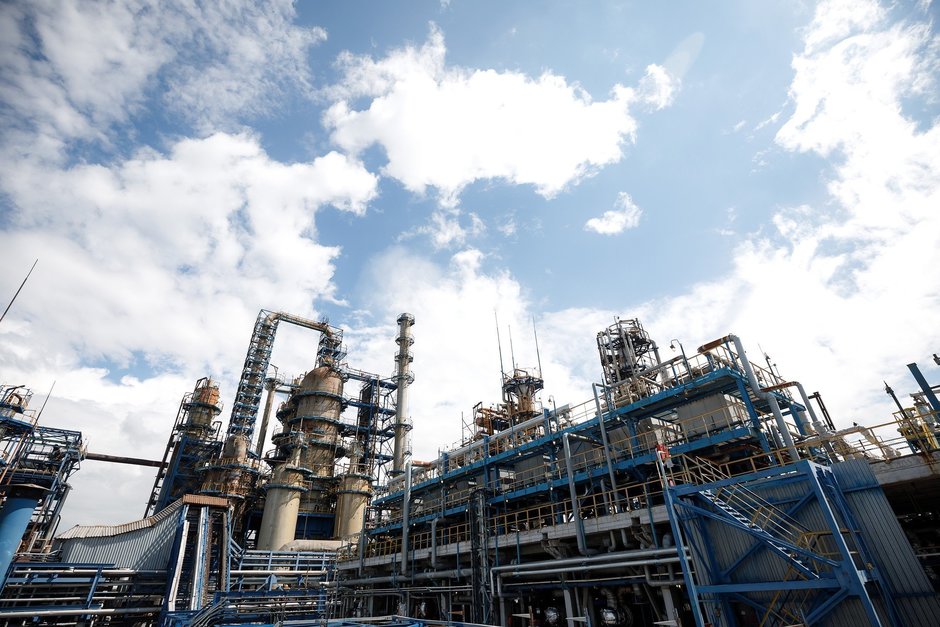
— The software used must be included in the unified register of Russian computer programs and databases. During the APC implementation, domestic software and the Linux operating system will be used. Security software compatible with Linux will also be used. This solution complies with legislative requirements and promotes the development of domestic software by integrating it into the country's critical information infrastructure, — emphasized Marat Faizrakhmanov.
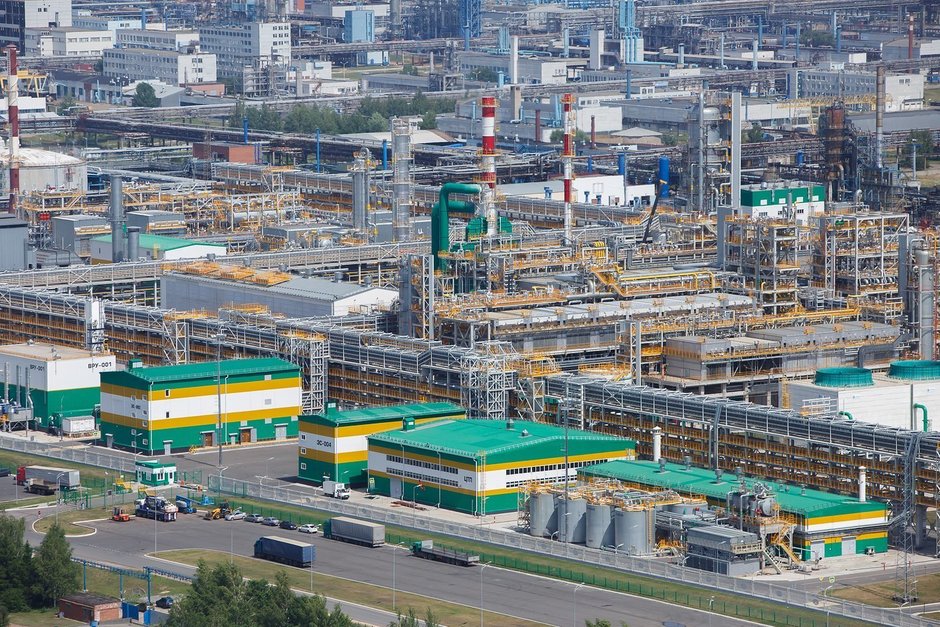
In the next two years, it is planned to implement the APC at the ELOU-AVT-7 and Catalytic Gasoline Hydrotreating (CGH) units (sections 200, 300). Plans include implementing a Global Dynamic Optimization system (GDO), a Laboratory Information Management System (LIMS), blending stations, and in the near future, creating digital twins of the units.
By implementing digital tools, TAIF-NK is actively adapting to new realities, using advanced technologies to improve efficiency and competitiveness, which opens new horizons for promising growth in the oil refining markets.