The investigation is conducted by a brisk aristocrat and a rather foolish police officer
The mini-series based on Agatha Christie's novel «The Seven Dials Mystery» has been released today. We tell you what you need to know before watching it.
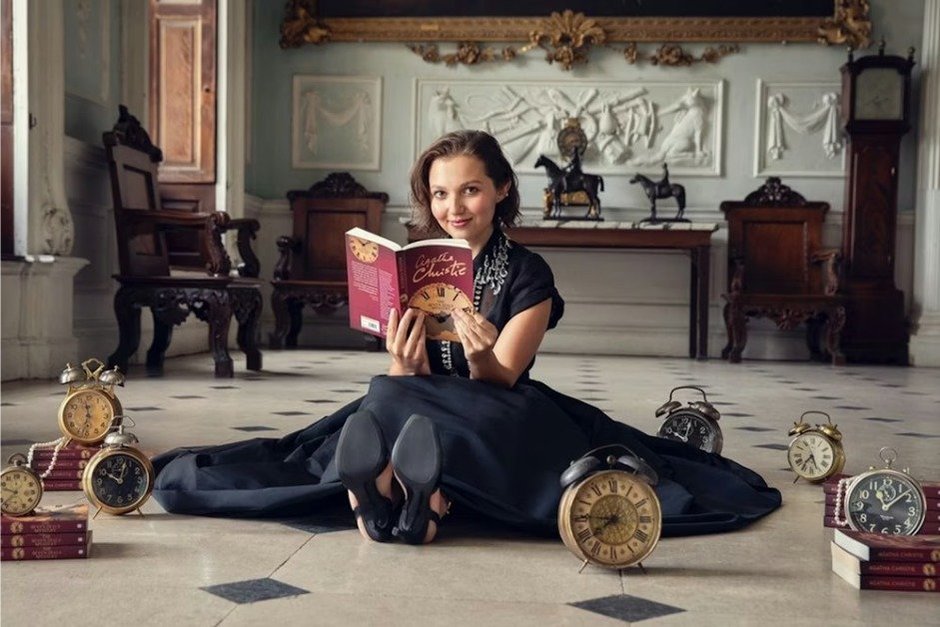
The mini-series «The Seven Dials Mystery» is a new adaptation of Agatha Christie's 1929 novel. The story of a country house joke with eight alarm clocks, a secret society in the Seven Dials area of London, and an investigation led by the energetic aristocrat Bundle and the seemingly simple-minded superintendent Battle is returning to the screen more than forty years after the first television adaptation. Ekaterina Petrova, a literary reviewer for «Real Time», tells us about the context in which this novel was created, how Christie's contemporaries perceived it, and what is important to know before watching the series.
«Without the former vivacity and audacity»
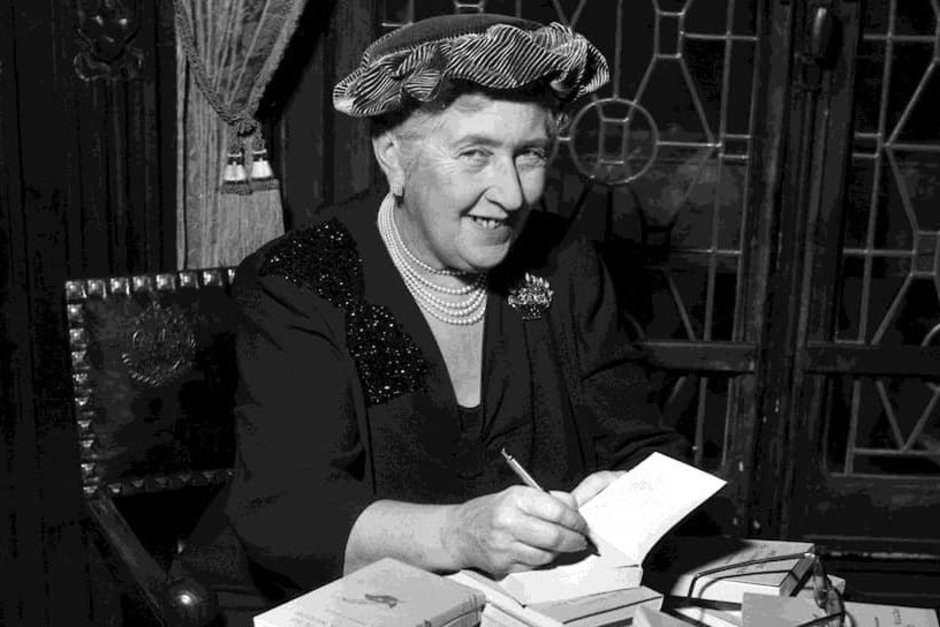
Agatha Christie's novel «The Seven Dials Mystery» was written in the late 1920s. This was a period that the writer later described as a time of professional growth. «The Seven Dials Mystery» is the second book after her divorce from Archibald Christie. According to the writer, she felt that she was «gaining confidence in her writing» and could easily produce «a book a year, and perhaps several stories».
In her autobiography, she classified the novel as a «light thriller» and emphasized that such texts were easier to write because they «did not require as much planning and complex structure» as strictly detective works. In this novel, Christie deliberately returned to an earlier period of her work, reviving the characters from «The Secret of Chimneys» — Lady Eileen Brent, nicknamed Bundle, Lord Caterham, Bill Eversley, and Superintendent Battle.
«The Seven Dials Mystery» was first published in the UK on January 24, 1929, by William Collins & Sons, and later the same year it was published in the US by Dodd, Mead and Company. The British edition was sold for seven shillings and sixpence, and the American edition for two dollars. In the following decades, the novel was republished numerous times in hardcover and paperback, and in 1932 it was included in Christie's omnibus along with «The Murder of Roger Ackroyd» and «The Mystery of the Blue Train». As of January 1, 2025, the book entered the public domain in the US.

Critical reception of the novel upon its release was mostly restrained or negative. A reviewer from The Scotsman noted that the book was «less successful in terms of style» than some of Christie's earlier novels but still «maintained the author's reputation for ingenuity». The Times Literary Supplement was much harsher, criticizing Christie for abandoning «the methodical investigation of a single limited crime» in favor of «a novel about a universal conspiracy and international villains», and concluded that «there is no particular reason why the man in the mask turns out to be who he is».
The New York Times Book Review began its review with praise for the first chapters — «the book has very cheerful young people, and their involvement in the murder hardly spoils their mood» — but then accused the author of deliberately withholding necessary information from the reader and offering a «completely absurd» solution to the mystery. The critic described the novel as «well below the level» of Christie's previous works. Later, in 1990, critic Robert Barnard summarized the perception of the book with the formula: the same characters and social gatherings as in «The Secret of Chimneys», «but without the former vivacity and audacity».
The plot of the novel is set in England in 1925 and begins with a weekend at Chimneys, a country house rented by Sir Oswald Cout. The guests decide to play a prank on Jerry Wade, who is known for his habit of sleeping in. The young people set up eight alarm clocks in his room to go off in succession, but in the morning the footman finds Wade dead and one alarm clock missing. This seemingly unsuccessful prank sets off a chain of events that includes a second murder: Ronny Devreux, before dying, whispers «Seven Dials» and asks to pass a message to Jimmy Tesiger.
The investigation is taken up by Lady Eileen «Bundle» Brent — «the most unexpected of detectives», as the creators of the Netflix series call the heroine — and takes her from the world of country house parties to the Seven Dials area of London. There, under the guise of a nightclub and a gambling house, a secret society of hooded figures with dials instead of masks operates, discussing the missing «Seventh Number» and the theft of a secret formula intended for the British Minister of Aviation.
An energetic it-girl and a rather foolish police officer
Eileen «Bundle» Brent is the central character of «The Seven Dials Mystery» and the earlier «The Secret of Chimneys» (1925). She is an energetic it-girl of her time and the eldest daughter of Clement Edward Alistair Brent, the 9th Marquess of Caterham, owner of Chimneys estate. This house plays a key role in both novels. Bundle has two younger sisters, Daisy and Dulcie. She speaks about her mother with characteristic bluntness: the latter «got tired of having only girls and died», believing that «someone else could take care of producing an heir».
The Brent family's connections with the Foreign Office — in particular, Bundle's uncle held the position of Foreign Secretary — explain the constant presence of officials and state secrets in the plot. Chimneys estate was based on the real Abney Hall in Cheshire.
Bundle's age is not explicitly stated, but from a remark about an event that happened when she was twelve, it can be inferred that she is about nineteen in «The Secret of Chimneys» and a little over twenty in «The Seven Dials Mystery». Bundle is described as a tall, dark-haired girl with an «attractive boyish face» and shrewd grey eyes. Her character is resourceful, stubborn, and lively.
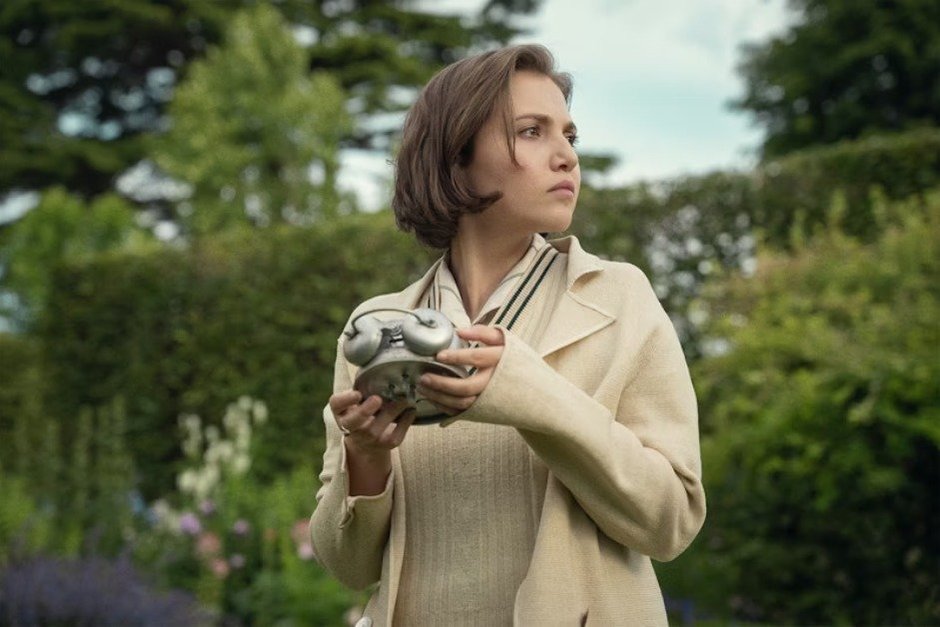
Bundle drives an Hispano-Suiza car, admits to driving too fast, and even once thinks she has hit a man who has actually already been shot. In «The Seven Dials Mystery», she becomes the main figure in the amateur investigation, effectively competing with Superintendent Battle. According to Christie's biographer Janet Morgan, the writer originally conceived this novel as a story centered around an «energetic young woman» who had already been introduced to the reader earlier.
The second investigator is Superintendent Jim Battle. He is one of the few professional police characters in Agatha Christie's novels, regularly appearing in her works, including «The Seven Dials Mystery», where he plays a key, though not immediately obvious, role. Battle was first introduced, like Bundle, in «The Secret of Chimneys» and then reappeared in the sequel. Christie presented him as a figure involved in investigations that touch on secret organizations and state interests.
Battle is distinguished by a степенный common sense and deliberately gives the impression of a rather foolish or not very inventive police officer. One of the aphorisms attributed to him is:
«From my point of view, anyone who spends their life trying not to get run over by a bus would be better off getting run over and not getting in the way. They are of no use.»
This cynicism is combined with Battle's подчеркнутая politeness and communication skills.
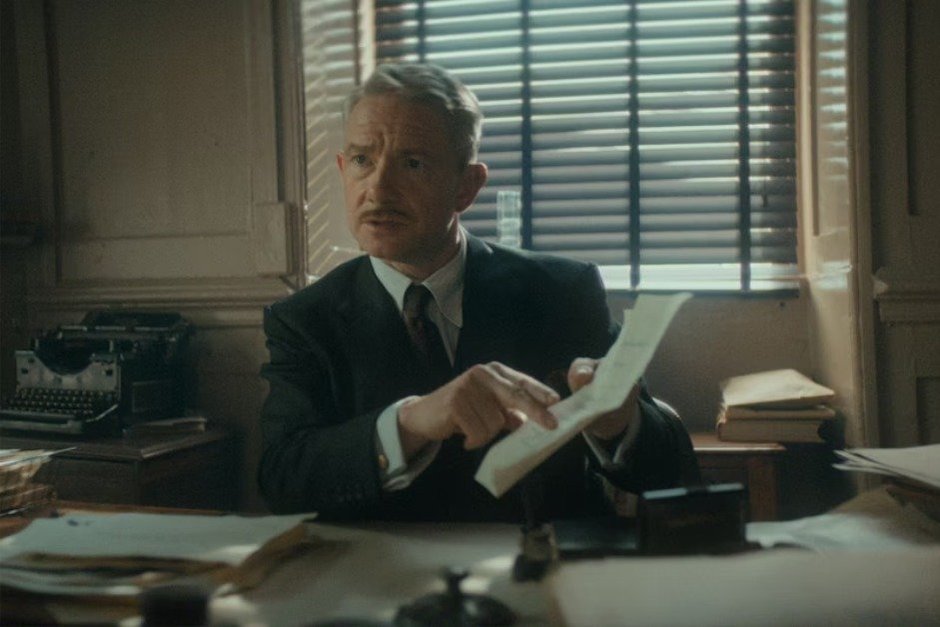
In Christie's character system, Battle occupies an intermediate position between the official investigation and amateur detectives. He is smarter and more cautious than the police officers of the early detective tradition and is quite comparable to Inspector Japp from the Hercule Poirot series, although he acts more restrainedly. In «The Seven Dials Mystery», Battle participates in the investigation alongside Bundle, and the final revelation of the conspiracy is directly linked to his official role. In later novels, Christie expanded Battle's character: in «Towards Zero» (1944), he became the sole main character, and it was there that we first learn that he has a wife and five children, and his youngest daughter inadvertently provides a clue to the solution.
Seven Dials on the map
The real Seven Dials area in London, where the одноимённый club is located in Christie's novel, retained its reputation as a troubled place by the time of «The Seven Dials Mystery». It is a crossroads and neighborhood near Covent Garden, where seven streets converge on an almost circular square. In the center stands a column with six sundials, with the column itself functioning as the seventh dial.
The layout of the area dates back to the 17th century and was conceived by politician Thomas Neale to form triangular plots with minimal façade frontage — rent was charged per foot of façade, not per square foot. The hopes of attracting wealthy residents were not met: by the 19th century, Seven Dials had become a slum and was among the most notorious «low» areas of London.
Charles Dickens, in 1835, described the local «streets and yards running off in all directions until they disappear in the unhealthy vapors above the roofs», and in his collection of stories «Sketches by Boz» noted the feeling of disorientation for «a stranger first encountering the seven dark passages». This reputation persisted into the early 20th century: the area remained a byword for urban poverty when Christie set her 1929 novel there.
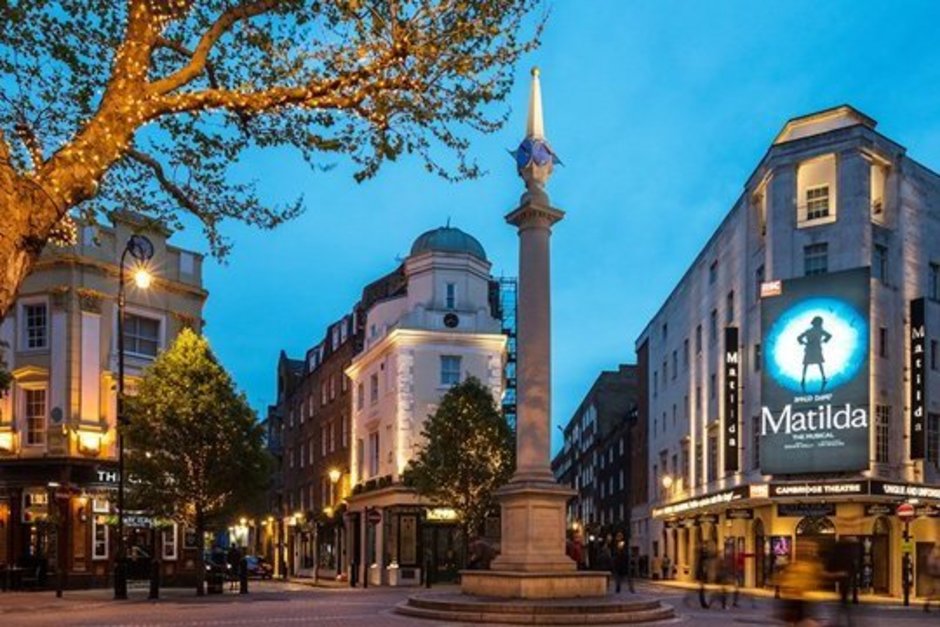
The Seven Dials club is depicted in the novel as a den and gambling house in a run-down area of London. By the 1920s, many of the streets were already preparing for renaming. This happened in the 1930s, when Great and Little Earl Streets became Earlham Street, and parts of other streets were incorporated into Monmouth Street and Mercer Street. But the social облик had not yet changed.
After World War II and especially from the 1970s, the situation began to change. In 1974, Seven Dials received conservation area status, with more than a quarter of the buildings listed for protection, and by the end of the 20th century, the area had become a prosperous, predominantly commercial district between the theatrical West End and the shopping streets around Neal's Yard.
In 1989, a new column with sundials was installed at the historical site, based on the original 17th-century design. By that time, the area had окончательно lost its status as a slum but retained the old layout that made it recognizable to Christie's readers.
«A dream come true»
The first экранизация of «The Seven Dials Mystery» was released in the UK on March 8, 1981, as a television film with a runtime of about 140 minutes. The project was a continuation of the successful adaptation of Christie's novel «Why Didn't They Ask Evans?», which was released a year earlier and was created by the same team: screenwriter Pat Sandys, executive producer and director Tony Marchant, producer Jack Williams. The main roles were played by John Gielgud (the Marquess of Caterham), Sheryl Campbell (Eileen «Bundle» Brent), Harry Andrews (Superintendent Battle), and James Warwick (Jimmy Tesiger).
The экранизация largely followed the structure of the novel and, according to Christie's official heritage website, was «extremely faithful to the book», with no significant deviations from the plot and characters. Filming took place, among other places, at Greenway House, Agatha Christie's Devon estate.
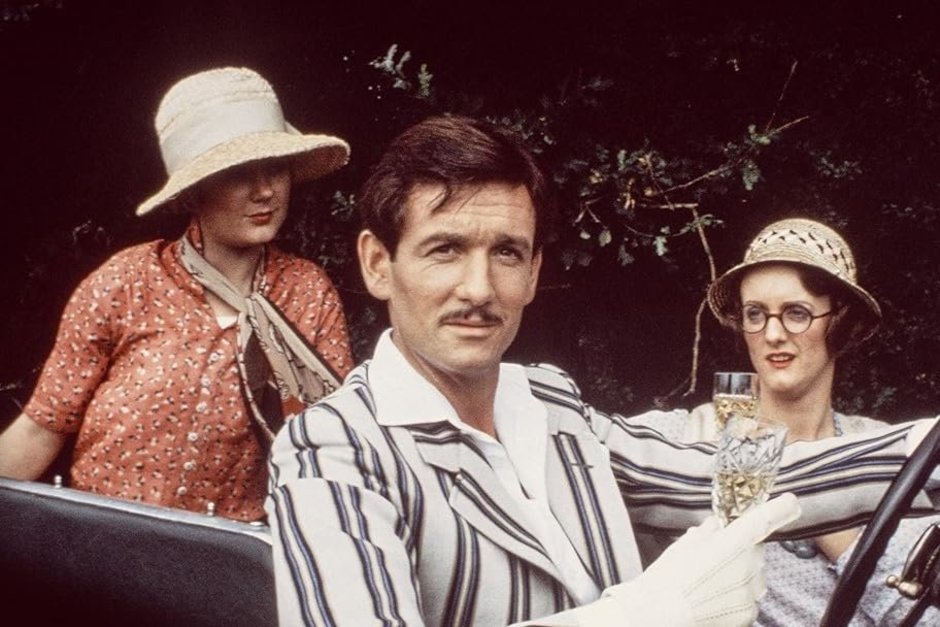
In the US, the film was shown in April 1981 and received harsh reviews. A reviewer from The New York Times noted that the drama was «tiresomely silly», despite the abundance of red herrings and intrigue. The critic described Bundle as a «resolute and generally fearless young aristocrat», but called her character implausible. He also noted that Sheryl Campbell's performance was an interesting contrast to her previous roles. The adaptation, in the critic's opinion, «did not play fair», drastically changing the characters' personalities as the story progressed and turning Christie's humor into an irritating device.
Despite the difference in reviews on either side of the Atlantic, this film cemented interest in further television adaptations of Christie's works, leading to the commissioning of «The Secret Adversary» and «Partners in Crime» in the early 1980s.
Today, the mini-series «The Seven Dials Mystery» has been released on Netflix. The streaming service announced the launch of the project in 2024, emphasizing that it is a three-part story. The main roles are played by Mia McKenna-Bruce (Lady Eileen «Bundle» Brent), Helena Bonham Carter (Lady Caterham), and Martin Freeman (Superintendent Battle).
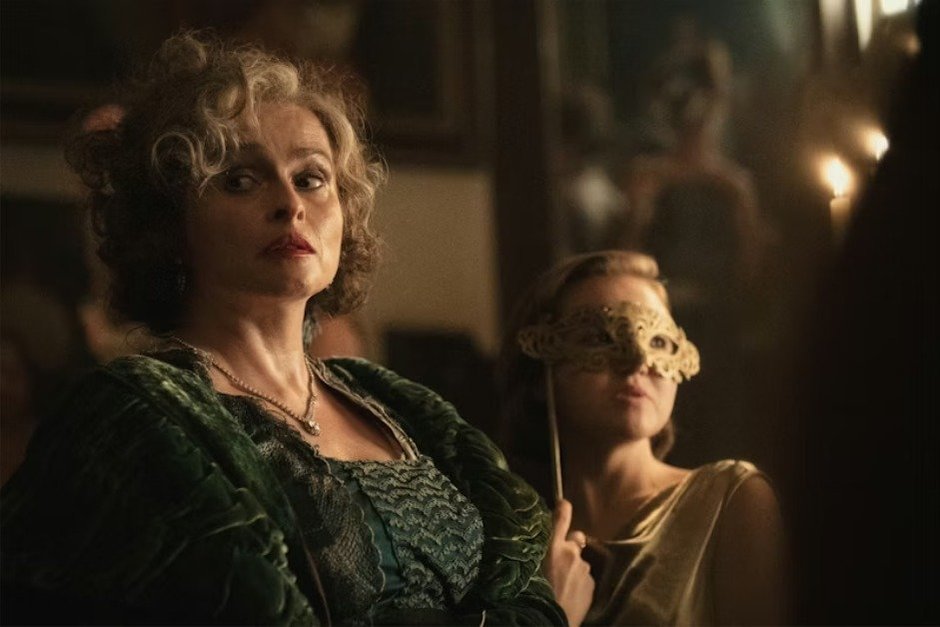
Filming began in June 2024 in the UK and took place in Bristol and Bath, where certain streets were closed off and transformed to resemble London in the mid-1920s. For example, Great Pulteney Street in Bath was completely closed, modern street furniture was covered with wooden panels, and vintage cars and props were used on set. In August 2024, local residents spotted Martin Freeman during a break between shoots in a record store and café in the center of Bath. A store employee recalled that the actor asked for «a couple of bottles of water and the Wi-Fi password» and then looked through the store's collection of 1980s vinyl records.
The project participants have repeatedly commented on their work on the series. Mia McKenna-Bruce noted that «Chris Chibnall's scripts are brilliant» and spoke of her involvement as work on «a new interpretation of Agatha Christie's iconic narrative». Producer Suzanne Mackie called the series the first and principal project of her company and spoke of the goal of introducing «Christie's iconic characters to a new generation». Agatha Christie's great-grandson, James Prichard, emphasized that Bundle is one of Christie's «witty and vibrant young heroines» and called her cinematic воплощение in the new adaptation «a dream come true».
Ekaterina Petrova is a literary reviewer for the online newspaper «Real Time» and the host of the Telegram channel «Macaroon Buns».