Eldar Abdullin: “A resuscitator is a profession where one must be internally very motivated”
The head of the intensive care department of City Clinical Hospital No. 2 — about rejuvenated strokes, the harm of vapes, extreme rescues and the peculiarities of the specialty
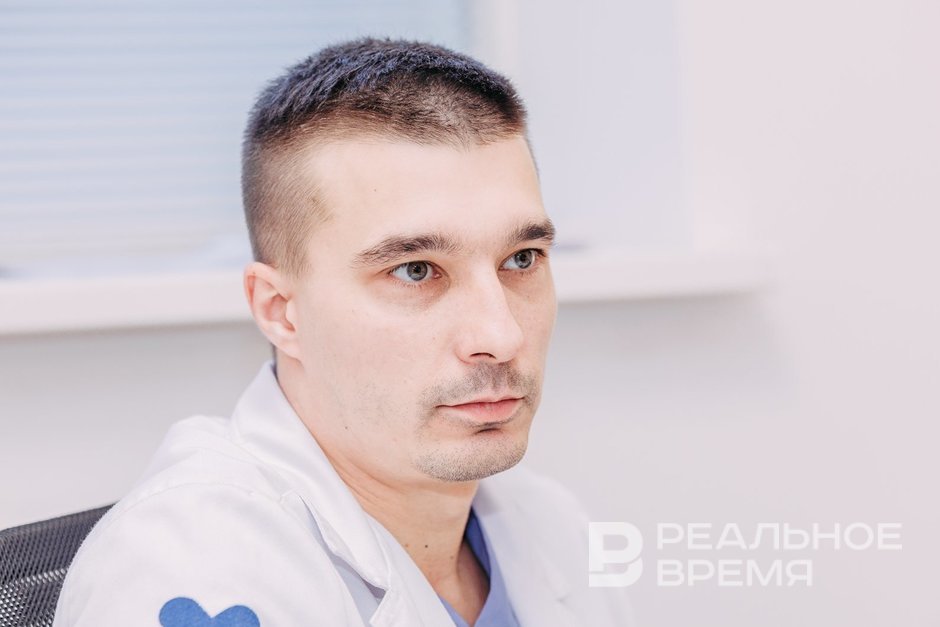
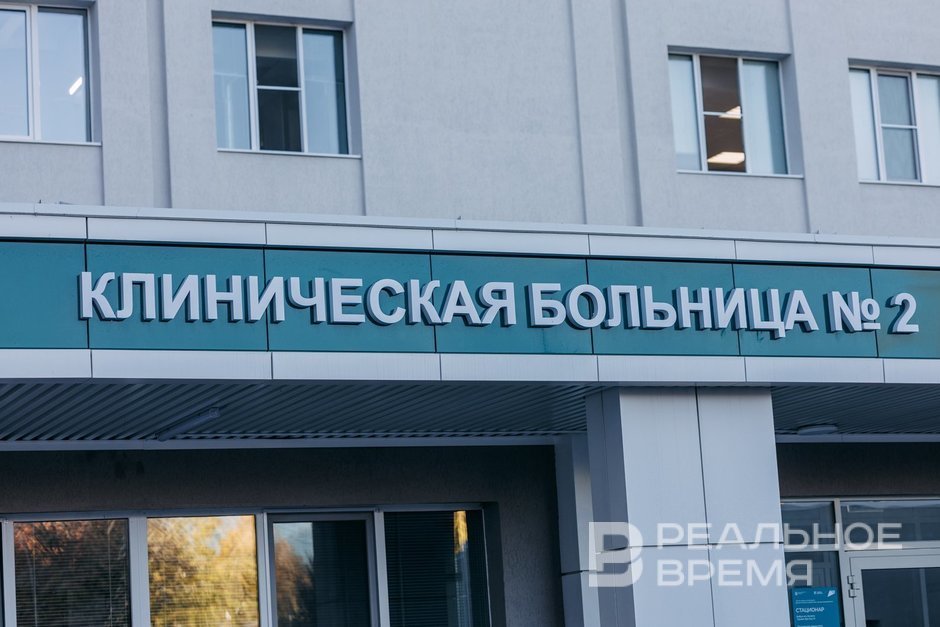
Eldar Nailevich Abdullin heads the department of resuscitation and intensive care of Clinical Hospital No. 2 in Kazan and acts as the deputy chief physician of the hospital. In his portrait for “Real Time” he talks about the peculiarities of working in the intensive care of somatic hospitals. He recalls the most striking cases from his practice, explains why strokes are getting younger and why vapes and energy drinks are harmful. He talks about his management secrets and reflects on the moral and ethical side of the resuscitator's work. And also — explains why the words “resuscitation” and “comfort” are quite compatible concepts.
“The main thing is to see how severe patients stabilize, gradually return to life”
Eldar Nailevich did not grow up in a medical family, but his parents dreamed that their son would become a doctor. They did everything they could for this: they bought the child thematic books and anatomical atlases, motivated him to study biology and chemistry in depth, talked, persuaded. The teenager did not resist much: he liked the natural science profile, and he saw nothing bad in the medical profession. Therefore by the upper grades he already had a ready plan, and he did not consider anything else for himself.
Already now Eldar Nailevich says that he is grateful to his parents for their motivation and for their labors:
— I can state with confidence that they were right. I feel in my place in this profession. What my parents did for me is priceless. I am grateful for all the efforts that they invested in my upbringing and education. I rarely tell them this — but let them know that this feeling is always with me.
In 2010 our hero entered KSMU. Upon graduating from the university, like many other young men, he wanted to become a surgeon — and even completed an internship in surgery. He received the surgeon's certificate, but already during the internship he understood: surgery for some reason “does not hook.”
— The surgical profile for some reason did not hook me. You stand at the table, perform an operation. But there is no spark. At the same time I consider that work is a second home. That means one must feel comfortable at work, one must like it. And I decided: that means this is not mine, explains Eldar Nailevich.
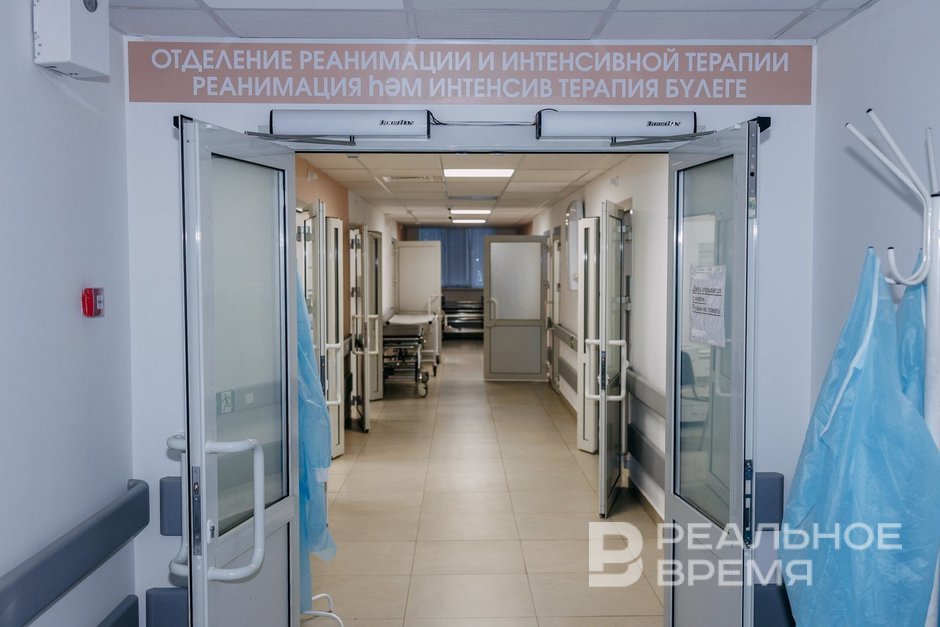
But resuscitation — “hooked.” The future doctor was inside this specialty from the fourth course — when it became possible to work as a male nurse, he got a job in the intensive care department right here, in Kazan clinical hospital No. 2. In this specialty he saw himself.
— I was carried away by this: all this activity, quick decision-making. And the main thing — to see how severe patients stabilize, gradually return to life, and then recover. I finally understood that I needed to be precisely here. I like it here. Therefore, having received the diploma of completion of the internship and the surgeon's certificate, I immediately entered residency in anesthesiology and resuscitation, says the doctor.
“I would not want something like that to repeat”
In 2019, with the diploma of completion of residency, he returned to the very department where as a male nurse he had begun his medical path. This time already as a doctor. The chief physician believed in him and immediately put the young medic in charge. So he felt the full force of responsibility for the most urgent department in the hospital from the very beginning.
And in 2020 the pandemic came. For the young specialist this became a test of strength. Clinical Hospital No. 2 of Kazan worked as a full-fledged Covid hospital. All beds were repurposed, a hospital was deployed on 4 floors. There was also an intensive care unit — and the resuscitators worked to the point of exhaustion.
— We were morally ready for what would happen — after all, we knew what situation was unfolding in China. Therefore we expected that there would be many fatalities. We understood that the virus is reactive and that it causes accompanying complications, pronounced respiratory failure. But the medics were physically broken by work in the Covid hospitals. There was an enormous load, all of us were on duty a lot. It was not easy to work in the SIZOs, especially in summer, when it was +30 outside the window, and you inside the hospital were dressed in a plague suit. The glasses fogged up, and we looked for ways to exclude this fogging — we treated the glasses from the reverse side, so that at least to see where you are going. It was a very hard period. I would not want something like that to repeat, the doctor admits.
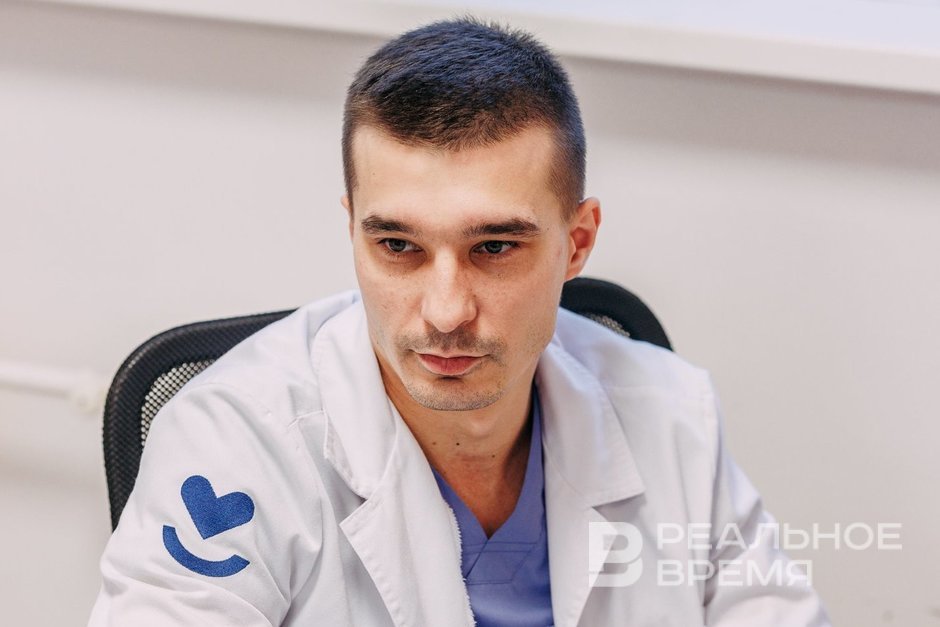
The medics were physically broken by work in the Covid hospitals. There was an enormous load, all of us were on duty a lot. It was not easy to work in the SIZOs, especially in summer, when it was +30 outside the window
Eldar Nailevich notes that after the coronavirus there have been more “young” strokes, the number of other diseases has increased, especially among the young. An impression forms that Covid weakened the population as a whole and left a trail of consequences behind it.
— I see this even by myself: I had Covid twice. And after that I began to feel very tired after duty. Although before that I was stably on duty twice a week, and no decline of strength was observed. This cannot be put down to age either — a person at 34 should not be in maximum decline of strength after duty. Therefore I consider that I gave way in terms of general endurance precisely after Covid, the doctor admits.
Stroke, diabetes and pneumonia as the three horsemen of the resuscitation apocalypse
Now there are 6 doctors in the department (together with the head). Here there are 9 intensive care beds. 6 work as part of the primary vascular center of the hospital — patients with stroke from the Kirovsky and Sovetsky districts of the city, from Derbyshki, are hospitalized here. In the first 9 months of 2026, 670 patients with strokes were brought here. All patients with stroke necessarily pass through the intensive care unit, even if their condition is not critical. The first 24 hours, by order of the Ministry of Health, they spend on intensive care beds.
Another 3 intensive care beds are somatic, on which patients with severe pneumonias, cirrhosis of the liver and other somatic pathologies that do not require surgical intervention are treated.
The morning begins with a round of the intensive care patients: the head looks at their dynamics, controls the prescribed treatment. Further the patients are taken on by the daytime resuscitators, at night the whole department passes into the hands of the doctor on duty. In the morning, if new patients have been admitted, the prescriptions are corrected together with the head if necessary.
The most common reason for which people end up in Eldar Nailevich's department is stroke. A patient arriving at the vascular center with signs of stroke is first diagnosed in detail. First one must establish the type of stroke, because on whether it is ischemic or hemorrhagic depends the method of treatment. The person undergoes a CT scan, tests are taken from him, the resuscitators assess the functions of the organism.
The peculiarity of the resuscitator's work is that it is not always possible to collect an anamnesis: the patient is often unconscious. In such a case the doctors rely on a detailed questioning of relatives. But it also happens that it gives nothing, or the person has no close ones. And the doctors get a “black box” situation, when nothing is known about the patient and the development of his disease. Then the doctors treat the clinical picture, gradually getting to the grain of truth.
If before the doctors there is not a stroke but another critical condition of unclear etiology, everything also begins with examinations and with the maintenance of the life-support functions. If it becomes clear that the cause was an internal injury requiring surgical intervention — they contact the related specialists from the profile clinics of the city and, if necessary, transfer the patient there.
Another popular reason for patients ending up in the intensive care department is the decompensation of diabetes mellitus. Hypoglycemic coma sets in when the concentration of glucose in the blood critically falls. Hyperglycemia and ketoacidotic coma — when the blood sugar, on the contrary, is critically high over a long time. Eldar Nailevich recalls that literally a few weeks ago an 18-year-old girl with type I diabetes in a coma was admitted to the department — the doctors coped, and discharged her already in clear consciousness and with all the recommendations for the further management of her disease.
— We, resuscitators, sometimes have to be endocrinologists too. We have already pulled out a multitude of severe patients with pronounced acidosis. At first, when I was only beginning to work, we actively consulted with the endocrinologists of city hospital No. 7. And now, by the developed tactics, we already independently bring patients out of severe decompensations, explains our hero.
The third type of diseases leading to the intensive care of a somatic hospital — severe pneumonias with respiratory failure, which require a person's temporary stay on a ventilator. Such patients, according to the doctor, are also many.
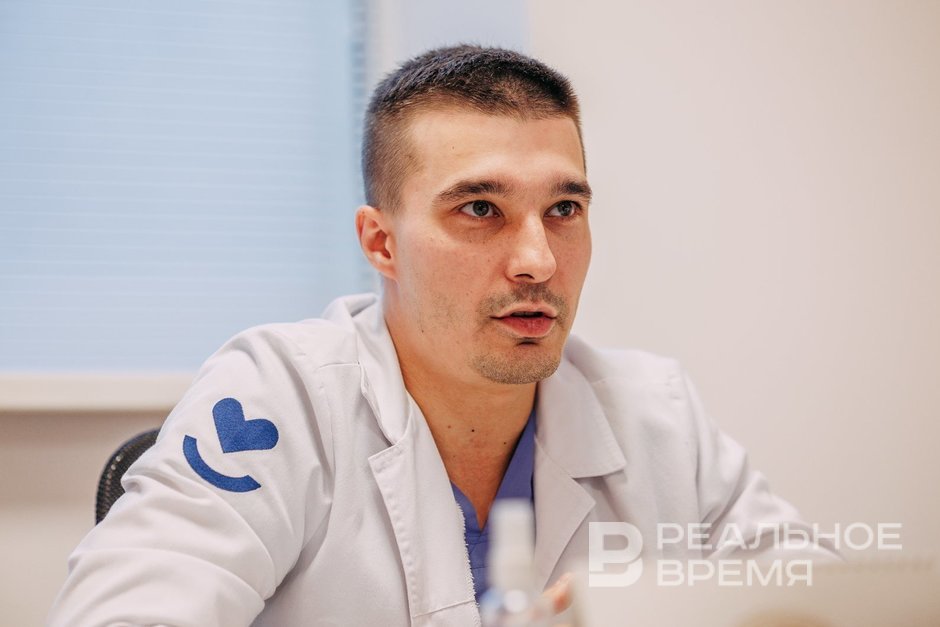
We, resuscitators, sometimes have to be endocrinologists too. We have already pulled out a multitude of severe patients with pronounced ketoacidosis
“The guys do not know what harm the drink that they perceive as lemonade can do to them”
The contingent of patients in the intensive care department of Clinical Hospital No. 2 is predominantly elderly people, but, according to the doctor, stroke has seriously grown younger. Eldar Nailevich says that patients in the age range of 40+ and even 30+ not rarely end up in his department. No one undertakes to say precisely what this is due to. Apparently, as the doctor reasons, the cause is complex. The pace of life has sharply accelerated, there has been more stress and load, nutrition has changed for the worse, many young people move very little. And even the recently begun trend for sport has so far not brought a statistically significant improvement in the figures for “young” strokes.
Our hero admits: severe diseases or even the death of young people from somatic diseases still “breaks through” the psychological defense.
In such cases the doctor conducts an analysis: why did it happen? Did the patient have chronic diseases that he did not know about? Or, perhaps, diseases that he knew about but did not take the preparations? Did he smoke or not? If he smoked, then what — vape or cigarettes? How many energy drinks did he drink?
— And I make notes for myself: “Aha, this could have contributed. Probably I too should give this up.” The situations that I see at work paradoxically influence me positively — I know precisely what to give up, and what never to start, the doctor explains.
Eldar Nailevich says with confidence: energy drinks and vapes are not as harmless as they may seem. They really harm health and can lead a young person straight to his department. Cases of “collapsing” lungs, disruption of the work of the alveoli, vape-associated pneumonia — are not isolated. The system of destruction of the organ here is different, not the same as with smoking classic cigarettes. But the harm is unambiguous. And the fact that Tatarstan from March 2027 will ban their sale, the medical community met with approval.
As for energy drinks, the general enthusiasm of the young for them is also not the healthiest story. They directly affect the cardiovascular system due to the large content of caffeine and taurine. They raise arterial pressure, the heart works under a large load. An excessive dose of energy drinks can provoke a sudden cardiac arrest.
— And young guys because of their unawareness, carelessness do not know what harm the drink that they perceive as lemonade can do to them. And they do not control the amount of energy drink drunk, states Eldar Nailevich.
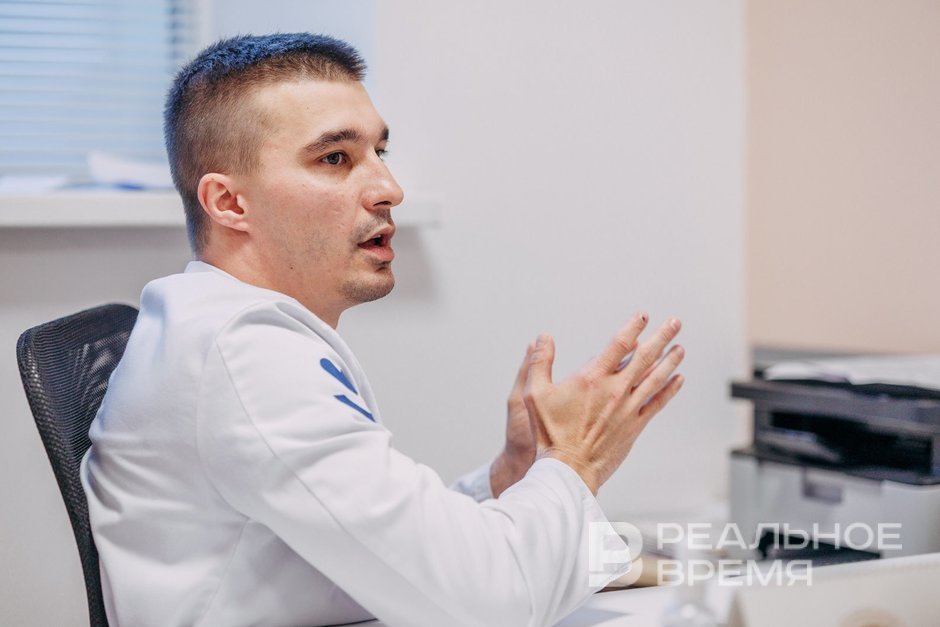
The situations that I see at work paradoxically influence me positively — I know precisely what to give up, and what never to start
“If a patient asks whether he will live — I always give a positive answer”
We have more than once recorded interviews with resuscitators, and all of them say with one voice that the specialty is special. In it the line between life and death is the thinnest. And in it, however regrettable this may sound, there is the most risk of losing a patient. To go consciously into this specialty means to be ready for such losses. But for Eldar Nailevich this too did not become a negative factor in his choice. He explains: the games won from death are all the same considerably more. And this in the doctor's eyes outweighs the losses and keeps him in the profession.
Over time, as our hero says, the scenario of how a doctor lives through the death of a patient comes: the main thing is to understand that you did everything possible. Of course, it is hard when a person's life ends. But a doctor must not pass each fatal outcome through himself, otherwise a very rapid burnout will occur. Sooner or later, in Eldar Nailevich's opinion, the elements of burnout overtake any resuscitator; this is a cost of the specialty. The doctor's task is to do so as to push it as far away in time as possible.
The intensive care unit is a complex department from the moral-psychological point of view. The doctor says that during treatment he tries to maintain a strictly cool-headed approach to patients and not to let sympathy and other emotions out. This helps not to miss anything, to be concentrated and precise, because in the end on how the doctor works depends the salvation of a person's life.
— We see the problem, see the clinical picture, determine the points of application of treatment. And we treat. If the patient is conscious and asks whether he will live — I always give a positive answer. Even if I understand that the risk is enormous. I always say that everything will be fine, because I cannot allow myself to deprive a person of hope. I will certainly cheer him up, tells Eldar Nailevich.
The intensive care unit in Clinical Hospital No. 2 is open for relatives. At certain hours patients can be visited (but only if a quarantine for infectious diseases has not been declared — this happens during the period of an outbreak of flu and ARVI in the city). Round-the-clock care by relatives is not practiced here — but in the conditions of the vascular department, where the patient is transferred after the intensive care, this is even welcomed.
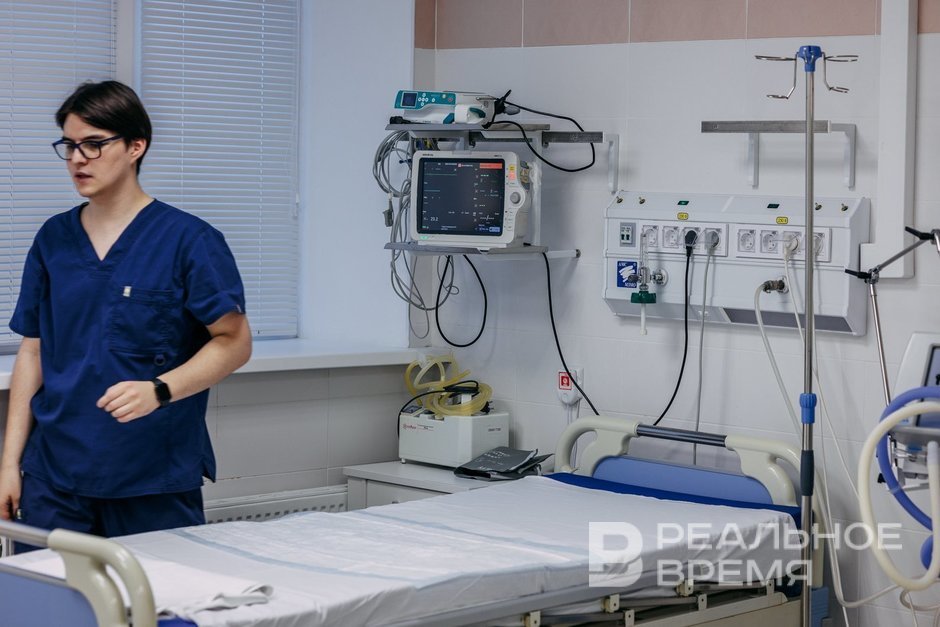
— Especially in the first — third days after the transfer from the intensive care, it is desirable that a close person be next to the patient. We see that the brain function of patients in such a case recovers faster. It is especially important to see familiar faces for elderly patients, the doctor says.
At the wish of the patient or his relatives a priest is admitted to the intensive care ward — be it a mullah or an Orthodox priest.
— If it will be easier for them, if it will calm them — please. We will by no means interfere, says the doctor.
The doctor says that elderly people who end up in the intensive care may develop a state of intensive care delirium — disorientation and anxiety, agitation. Around him there is bright light, the equipment beeps, there is not a single familiar face, he does not fully understand where he is and what is happening — and the organism reacts accordingly. And here a simple conversation with the resuscitator often helps.
— If you focus the patient's attention on yourself, calmly talk with him, address him by name and patronymic, say that he is in the intensive care department and we will now treat him — this helps. Even if the patient has a stroke and he may partially not perceive information — he can be calmed in 6—7 cases out of 10 precisely by such a conversation, personalized, human.
Eldar Nailevich explains that even the intensive care unit must strive to be maximally comfortable for the patient. Yes-yes, these concepts are compatible! Modern Russian intensive care tries to develop in this key. Several months ago the head of the intensive care from the Moscow Kommunarka came to Kazan — he told how the process of patients' stay in the intensive care is organized. Our hero was so impressed by this story that he too gradually began to make changes in the work of his department. For example, now at night the upper light is turned off in the wards, so that the patients sleep calmly in the semi-darkness. Before this was not allowed, so that the duty nurse could clearly see each patient. But since in Kommunarka this system works, why should it not work in Kazan?
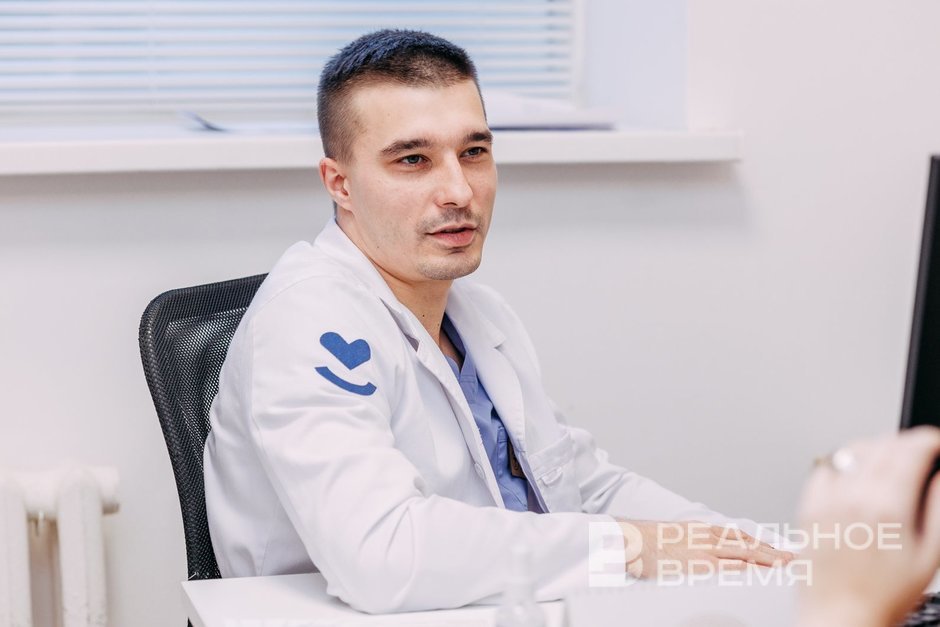
Stay in a medical institution must also be comfortable. We proceed from a human-centered position
Following the example of the Moscow clinic Eldar Nailevich thought about allowing a longer stay of relatives next to the patient. After all, this too is a kind of creation of comfort for the person.
— That is, our message is this: stay in a medical institution must also be comfortable. We proceed from a human-centered position.
“People think that if their close one is treated in third-level clinics, this will change the situation”
But to the relatives of a patient the resuscitator will say everything as it is, hiding nothing, especially if the situation is critical. Because, in his opinion, they must be ready for the probable variant of the development of events. The doctor does not promise that the patient will survive with one hundred percent probability. But he can promise that the doctors can do everything depending on them.
Accordingly, he also sees a different reaction from the relatives of his patients. Both calm and aggression. Both tears and non-acceptance of the situation. To remove the negative emotions, the head of the department tries to find time for a conversation with the relatives of the patients. An honest, trusting conversation, in which all the i's will be dotted and people will receive objective information about their close one.
— We often encounter distrust of the hospital itself. People think that if their close one is treated in third-level clinics, this will change the situation. That there the care will be better. But the approaches to treatment (if surgical help is not required) are the same both with us and in the same RCH or in the MCDC. We all work by the same standards and recommendations. And our equipment is the same, and the medical competencies, and the standards of care for patients. Before, when I heard such claims, I felt hurt. But now I have become wiser, so to speak. And I allow that a person may have his own opinion, which I cannot directly influence. My task is to treat patients, reasons the doctor. — But I would like to say that the opinion of people is gradually changing for the positive. And this is very pleasing.
Eldar Nailevich says that the capacities of the largest republican centers are also attracted to treatment in Clinical Hospital No. 2, if necessary. These may be consultations with colleagues, second and third opinions. And if, for example, the doctors together come to the conclusion of the necessity of a multidisciplinary approach — the patient is transferred to another hospital. This happens, for example, if the patient needs to undergo dialysis in parallel with the intensive care measures. Or so that he is observed around the clock in the intensive care by a cardiac surgeon. Or if the help of thoracic surgeons is needed.
“There was no time for reflection”
Eldar Nailevich tells a case from his practice when he had to recall his surgeon's certificate himself. An ambulance urgently delivered a girl with cystic fibrosis. She had pronounced respiratory failure, deep hypoxia and impaired consciousness. The patient was immediately transferred to a ventilator, an X-ray was made — and they discovered that one lung was not functioning because of a pneumothorax — a condition in which air accumulates in the pleural cavity (the space between the lung and the chest wall), and the lung collapses. In such a case the help of a thoracic surgeon is needed, who will perform drainage: introduce a tube into the pleural cavity and evacuate the air from there.
They called the RCH and took the decision that the patient needed to be transferred to them. But for this she first had to be stabilized. And the girl's condition was extremely unstable. Therefore the thoracic surgeon from the RCH set out for Clinical Hospital No. 2 in order to drain the patient on the spot.
And at this time the patient's saturation collapsed within two minutes — and the doctors understood that the only working lung had also begun to collapse because of a spontaneous pneumothorax. The surgeon from the RCH was on the way — but he had no chance of arriving in time.
— I had no other way out but to perform the drainage myself. Otherwise we would have lost the patient. Technically I knew how this is done, because I have the surgeon's certificate. There was no time for reflection. We could have begun cardiopulmonary resuscitation, but in conditions when both lungs do not work, this would have led to nothing. I put the puzzle together in my head in 15 seconds. And I drained this patient with a central vein catheter — with what was at hand. First the right side, then the left, we began active aspiration. We immediately heard breathing from both sides, the saturation rose almost to 100%. And about 20 minutes later the surgeon arrived and replaced the drains with the ones that are supposed to be, recalls the doctor.
The next day the patient was taken off the ventilator, she came to consciousness — without any neurological deficit. The cerebral cortex had not had time to suffer — the resuscitator's bold decision was taken in time. From Clinical Hospital No. 2 she was transferred for further treatment to the thoracic surgeons at the RCH, from where she was safely discharged.
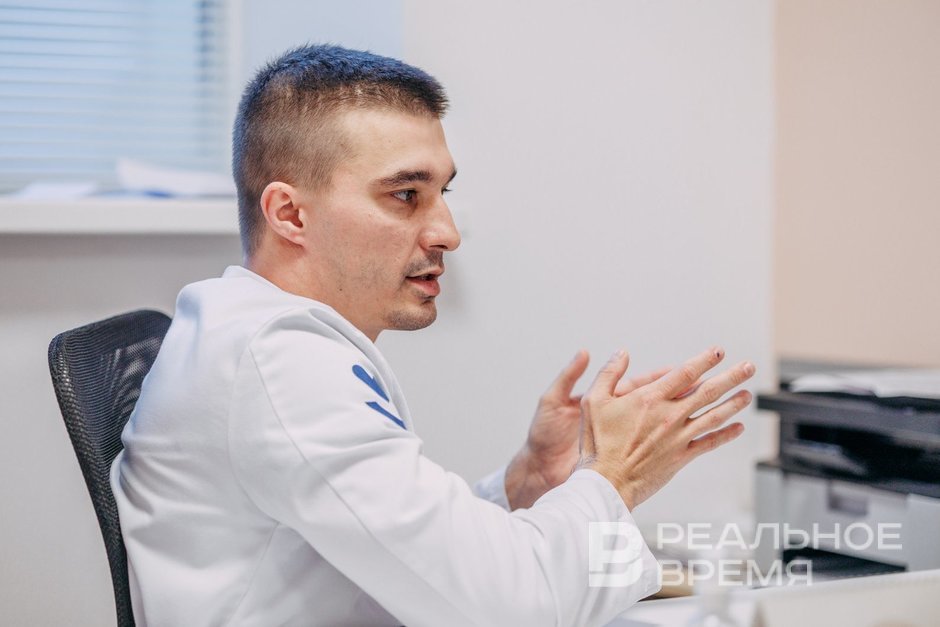
I had no other way out but to perform the drainage myself. Otherwise we would have lost the patient.
“Everyone has a credit of trust. But it is one-time”
Managing a department is a difficult matter. Especially if it concerns the intensive care, where a colossal load falls on the medical personnel. It is not easy not only for the doctors: the nurses and junior nurses are involved here to the maximum, because the patients cannot serve themselves. How to keep the personnel both in tone and not let them burn out?
Eldar Nailevich smiles:
— One simply must preserve a healthy atmosphere in the collective. I am not a supporter of the whip, I am always for encouragement. But so that everything works on this approach and one does not have to apply the whip, one tries to assemble a team in which everyone understands the good attitude. I try already at the stage of the first conversation to understand whether the person will hold out at this work in this department or not. After all, our work is hard — both morally and physically. Therefore I try to maintain a healthy atmosphere in the collective. Somewhere to lend a shoulder, somewhere to help.
The head tells what violation he will not tolerate from the personnel. His taboo is the concealment of information about violations within the department. He always demands from his employees to say directly if they have made a mistake and done something wrong. An analysis of the situation will take place and a plan will be developed how to prevent such a mistake a second time.
— I say to everyone who works in the intensive care department: “Everyone has a credit of trust. But it is one-time.” If I understand that a person has deceived me, further I will never be able to trust him. And I will always treat him with wariness, Eldar Nailevich spreads his hands.
Today the doctor is responsible not only for the intensive care, but — as acting deputy chief physician of the hospital — for other departments too. Accordingly, he transfers his approaches to the whole hospital as well. He tries to build open relationships with the collective and create an atmosphere of honesty. So that one does not have to watch over anyone and look for violations. And even at meetings he often says that he is not looking for those to blame. To identify rough edges in the work of the collective of the hospital — this is a common task. But not for punishing the guilty, but in order to understand why these problems arise and to make sure that they do not exist in the future.
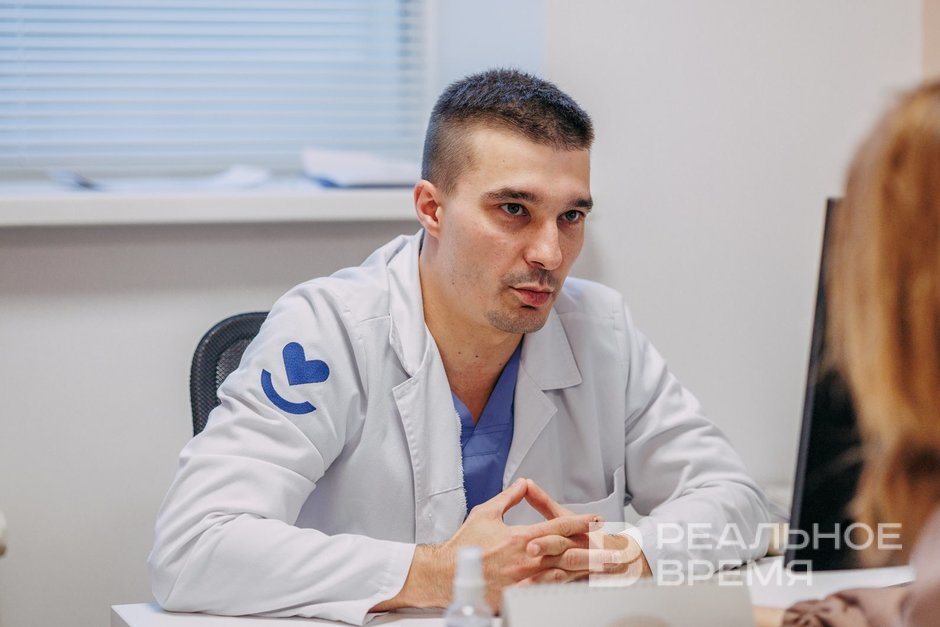
If I understand that a person has deceived me, further I will never be able to trust him. And I will always treat him with wariness
A separate question is the replenishment of the departments with young doctors. It is no secret that there is no queue of residents for resuscitators: the specialty is too hard, there is too much responsibility and drama in it.
— I think that a resuscitator is such a profession where a person initially must be internally very motivated. Otherwise it is impossible to work in this profession. But we managed to recruit doctors, says the doctor.
“I dream of living a long and happy life”
A resuscitator must be attentive to himself and try to preserve his health, because the load falls on him not only moral but also physical. Stress plus physical fatigue — is not the healthiest cocktail.
— The main risk factor for us is the absence of normal sleep if you are often on duty. This is an overload for the nervous system. But if in the evening you come home and sleep a full night — the risks decrease. I, as a doctor, try to look after myself. I quit smoking; for two years now I have been doing sport — it helps me a lot. When I lift iron in the gym, work thoughts, oppressive reasonings go away. The head unloads, the body strengthens, the doctor shares his recipe for preserving mental peace and physical health.
Eldar Nailevich is a young and active doctor. His career began already quite intensively: at 34 he is already responsible for the intensive care department of a city clinic and acts as deputy chief physician. But to the question of whom he sees himself as in 15 years, he refuses to answer unambiguously: he says that life is a dynamic thing, and he does not make any plans regarding his career.
— I do not make plans. I simply try to perform my work with quality, our hero smiles.
Answering our traditional question about what is most important and most beloved for him in the profession, he answers:
— I am here for the sake of saving lives. This goal is the main one for us, this is what we work for.
Life is an interesting and beautiful thing. It is full of wonders.
Reflecting on things undesirable for himself, the doctor says that he hates a negligent attitude to what you do. He himself is a big perfectionist, therefore negligence in all its manifestations causes active rejection in him. Another unpleasant aspect of the work that doctors often note is the disrespectful attitude of patients or their relatives. With this, as deputy chief physician and as head of the department, Eldar Nailevich regularly encounters.
— Often this is, of course, unfounded. But, first, I must find out the cause of such behavior or attitude. Is there not a rational grain there? Maybe the patient somewhere received a not very good experience in communicating with a medic and now broadcasts this onto the others. As for me, I try to conduct the conversation with everyone within the framework of mutual respect. I listen to the person, try to come to some kind of consensus. But if he behaves unacceptably — I will simply end the conversation, explains the doctor.
Outside the hospital Eldar Nailevich is a happy husband and father of two children. He admits: he would like to spend more time with the children, but it does not always work out because of the great busyness. And having come home after an intense day, the doctor sometimes wants to be in silence and abstract himself from any communication. It is precisely this abstraction that sport gives him.
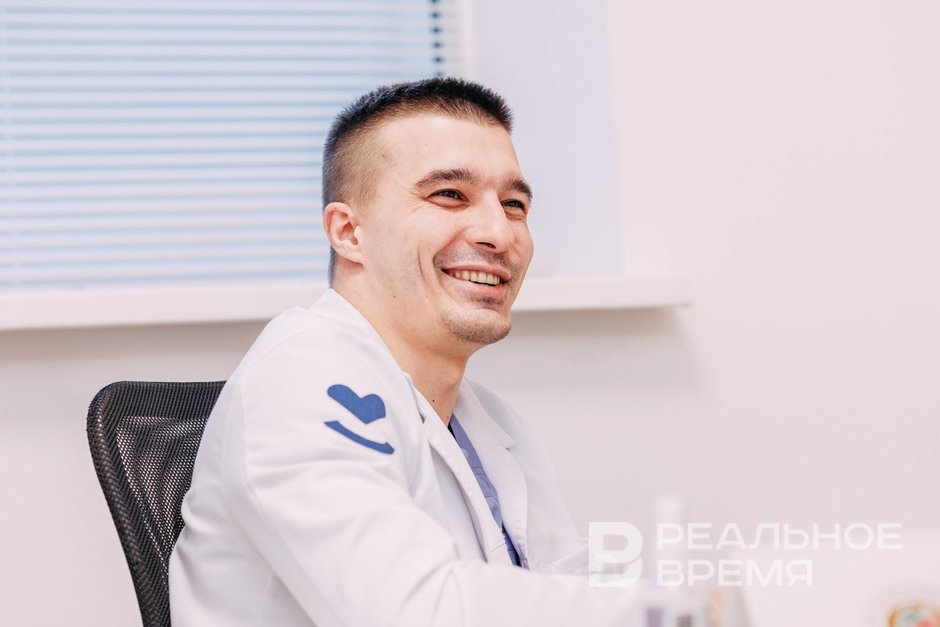
We ask: what does the doctor dream about? He smiles:
— Life is an interesting and beautiful thing. It is full of wonders. Therefore I dream of living a long and happy life. After all, everything that I have now is great happiness. I have a wonderful family, there is a roof over my head and food in the refrigerator, a beloved work, close friends… And I dream that this happiness lasts long and long!