From Bugulma to Rybnaya Sloboda: new points on Tatarstan's tourist map
Beyond the top routes: where to go in the republic if you've already seen the main attractions
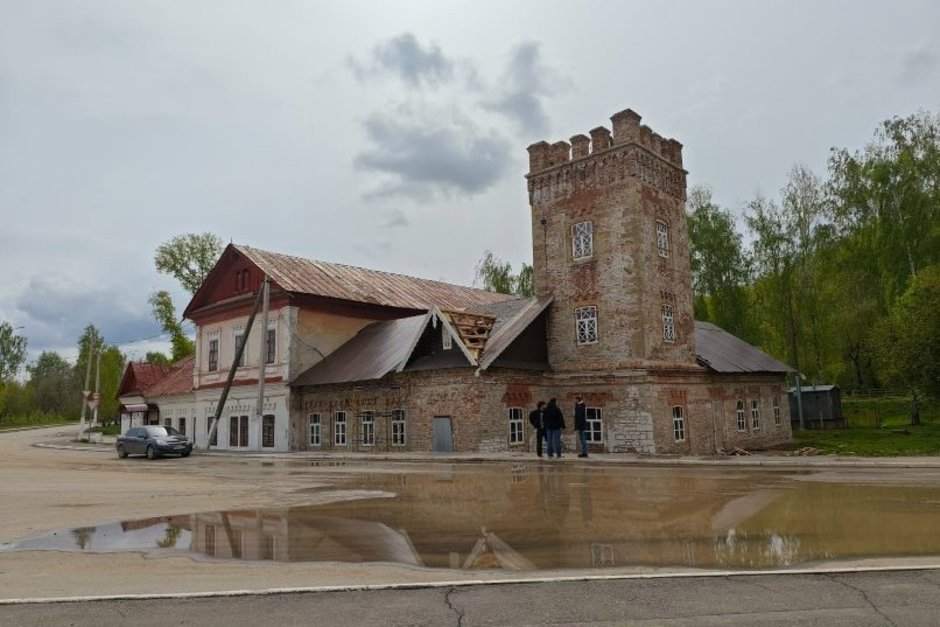
Tourists coming to Tatarstan strive to visit, in addition to Kazan, Bolgar and Sviyazhsk; the most active ones get to Bilyar, Yelabuga, and Tetyushi, while the flow of travelers to Chistopol is gradually growing. Active Kazan residents go to Verkhny Uslon, the Yuryev caves, and the Laishevo Sea at least once a year. But there are other places in the republic worthy of attention — Realnoe Vremya tells you where else you can go.
Bugulma
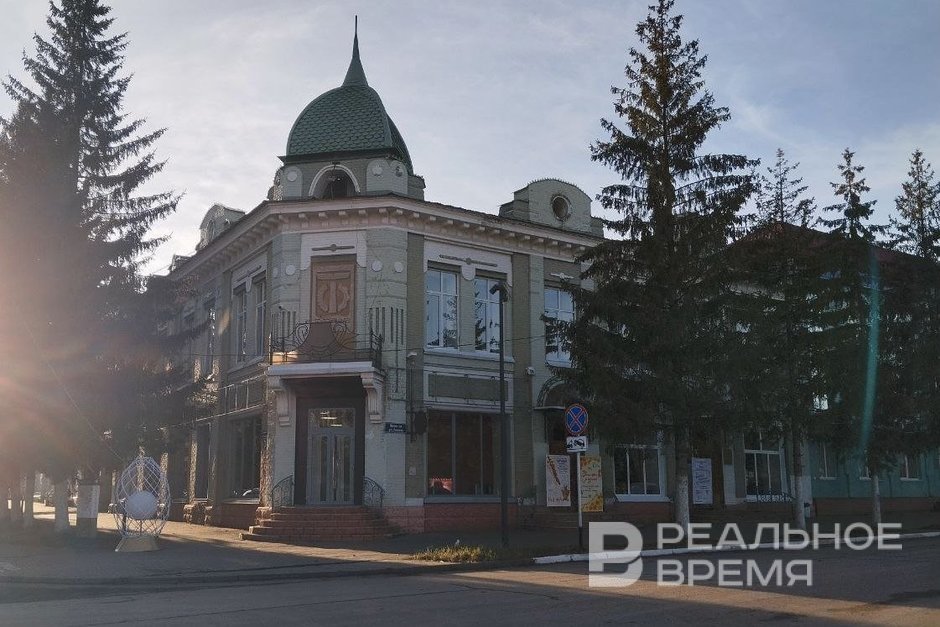
Damir Fattakhov, who took over Bugulma and the Bugulminsky district last year, is actively preparing for the city's 250th anniversary, which will be celebrated in 2031. By that time, tourist infrastructure should also be put in order. Nevertheless, the historical center of Bugulma still preserves the spirit of a provincial town, although it is far from the major trading center of the 19th century. This applies, for example, to Lenin Street (formerly Bolshaya). A trip here can be combined with a visit to Almetyevsk. Tourists visit the Yaroslav Hasek Literary Memorial Museum in the building of a former tavern where he lived. The Tatar Culture Center operates in one of the buildings of the merchant Mukhametshakir Khakimov. You can also drive around the area and, for example, visit the ruins of the Bugulma Alexander Nevsky Monastery in Sosnovka.
Leninogorsk
From Bugulma to the historical center of Tatarstan's oil production — Leninogorsk — is 32 km. Here, the Open-Air Oil Museum operates. However, the phenomenon of the springs of the Leninogorsk district, of which there are more than 260, has long required understanding. There is a legend that a spring appears where the eternal wanderer Khizyr-Ilyas stopped. In this area, locals joke, he danced. By the way, there are also mineral water springs here.
Aznakayevo
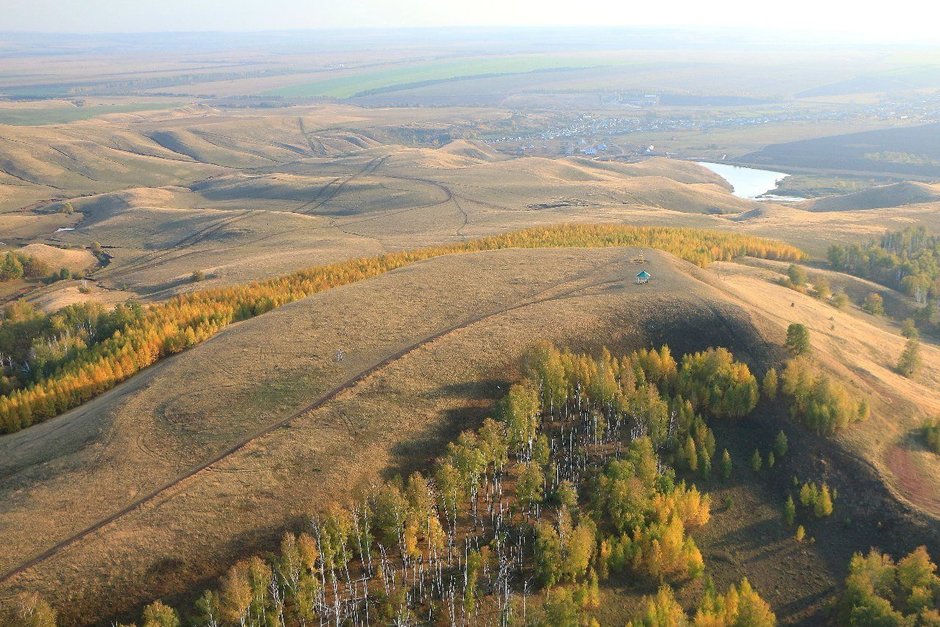
Here is the highest point of Tatarstan — Mount Chatyr-Tau (a whole 321.7 meters above sea level). Its other name is Izgelar tavy (Mountain of the Saints); a spring used to be located here. Recently, the “Chatyr tauda zhyen” festival was held here for the 16th time. Its highlight is the national horse-wrestling “Audarysh.” This year, for example, there was also a shaman's yurt and, of course, a fashion show. In short, Chatyr-Tau is one of the places that tell about the pre-Islamic history of the territory of Tatarstan.
Mendeleevsk
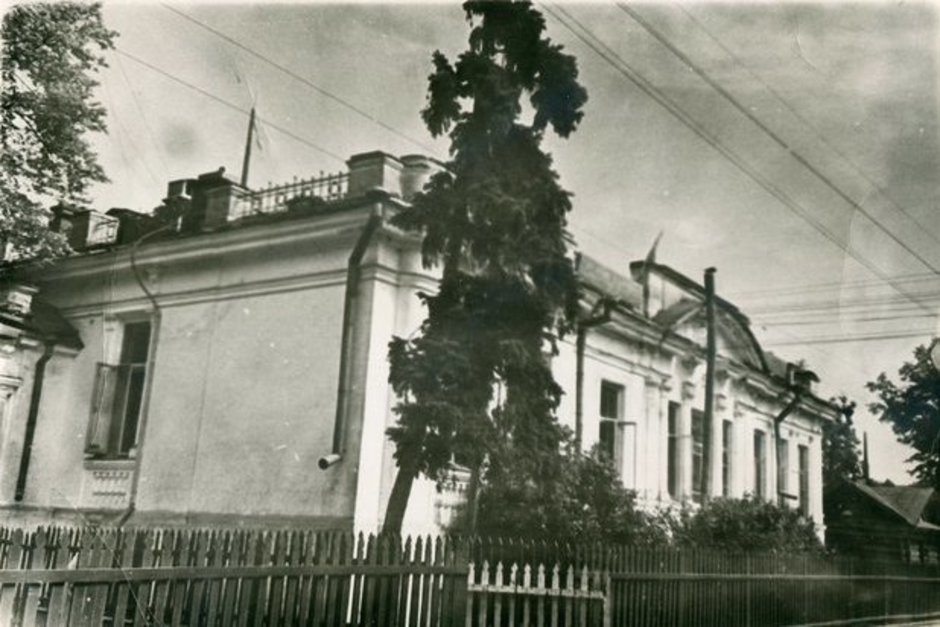
From Kazan, tourists heading to Tetyushi and Verkhny Uslon also visit the estates of the Molostvovs and Marquis Paoluc ci. And we recall that in the village of Krasny Klyuch there is the estate of Pyotr Ushkov, owner of factories in Kokshan and Bondyug (now part of Mendeleevsk), founder of the “P.K. Ushkov and Co. Chemical Plants Partnership.” His nephew Alexei built a house in Kazan, which is named after his first wife — Zinaida Ushkova. The Mendeleevsk house had its own power plant and a huge park. Boris Pasternak, for example, lived here.
Nizhnekamsk
If you are not interested in industrial tourism, then in the capital of petrochemistry you can visit one of the powerful karst springs — Krasny Klyuch. And find the remains of the estate of the Yelabuga merchants Stakheevs, which burned down in 2021. Ivan Stakheev built it for his daughter Alexandra, later it became known as the Chikin mansion after her husband. The head of the Nizhnekamsk district, Radmir Belyaev, has already promised that after restoration, a tourist cluster will appear here.
Arsk
Take the train to Arsk! In the district, in addition to the museums of Gabdulla Tukay in the villages of Novy Kyrlay and Koshlausch, they visit the “Alifba” alphabet museum — about one of its creators, Saley Vagizov, about whom Ildar Yagafarov made a film. They go to the village of Kultesi to see the wooden mosque. Or to Kshkar — for the stone mosque. And in Arsk itself, they look into the production of famous ichigi boots — they are produced here, albeit not on an industrial scale as in Soviet times.
Kukmor
Get on the train again, and here is the birthplace of Kukmor felt boots. And also, accordingly, the Rodugin brothers' factory, where the local museum of local lore operates. You can see the ancestral home of their competitors, the Komarov brothers; by the way, the subject of rivalry was not so much the products but the raw materials — wool. Another attraction is the rather inconspicuous but unique Shukhov Tower. Its unique mesh metal structure deserves special attention, especially since a similar tower in Moscow is planned to be dismantled.
Kamskiye Polyany
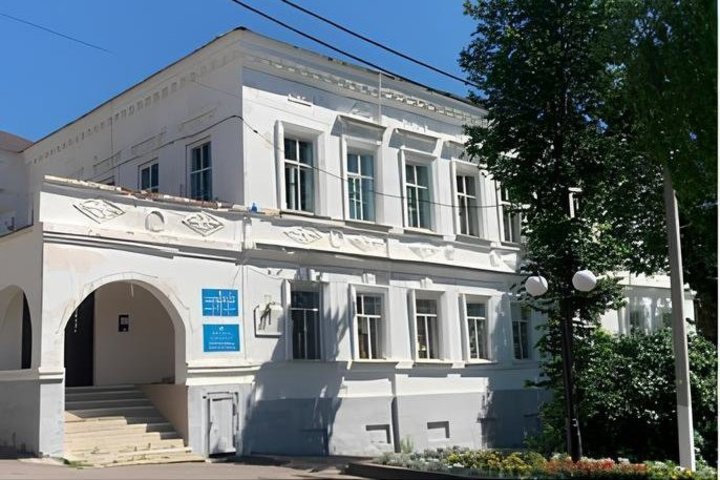
The industrial territory of the Tatarstan NPP is not recommended for visiting due to the risk of floor collapse, although it is open to access. The facility was decided to be built in 1978 for understandable reasons — large industrial enterprises appeared around it. Construction began in 1982. About 274 million rubles were invested. But at that time, the Chernobyl accident occurred, and unrest and protests against the construction of the NPP began among the population of the district. In October 1989, the construction was decided to be stopped. Later, attempts were made to create a gambling zone here, and then — to build a tourist and recreational park.
Mamadysh
Those who do not go to Tetyushi but head towards Yelabuga stop in Mamadysh, visit the local “Fisherman's Yard," stroll along Sovetskaya Street — exploring the town hall, the Gostiny Dvor, the Kuzovnikov merchant's house, and the Loshchilov tea house. They are surprised where the monument to Farid Yarullin, the author of the first Tatar ballet “Shurale," came from here. The fact is that his father Zagidulla, who wrote “The Tukay March," comes from the village of Malaya Sun. And then they go out to the Nokrat River (Vyatka). In the evening, they say, it's almost like in Sviyazhsk.
Rybnaya Sloboda
While the traffic jam to the Kama Sea in Laishevo threatens to grow into a separate form of entertainment, the same Kama is also in the next district. If you go there along the M-7, stop by the village of Yana Sala — here, candidate of historical sciences Nurulla Garif opened a private museum — in the house of Sharafetdin, his grandfather's great-grandfather. After the revolution, the building was nationalized. It housed the collective farm board, the village council, a school, and a hospital. And then the historian was able to take the house back. He finds the exhibits himself, cleans them, and determines their place. And Garif has also written 68 books, most of them about the history of the villages of the Rybno-Slobodsky district.
Radif Kashapov