“Santel” — in Tatarstan style
The history of the breakthrough in cellular network development, the sale of “digital language," and the creation of the first digital television
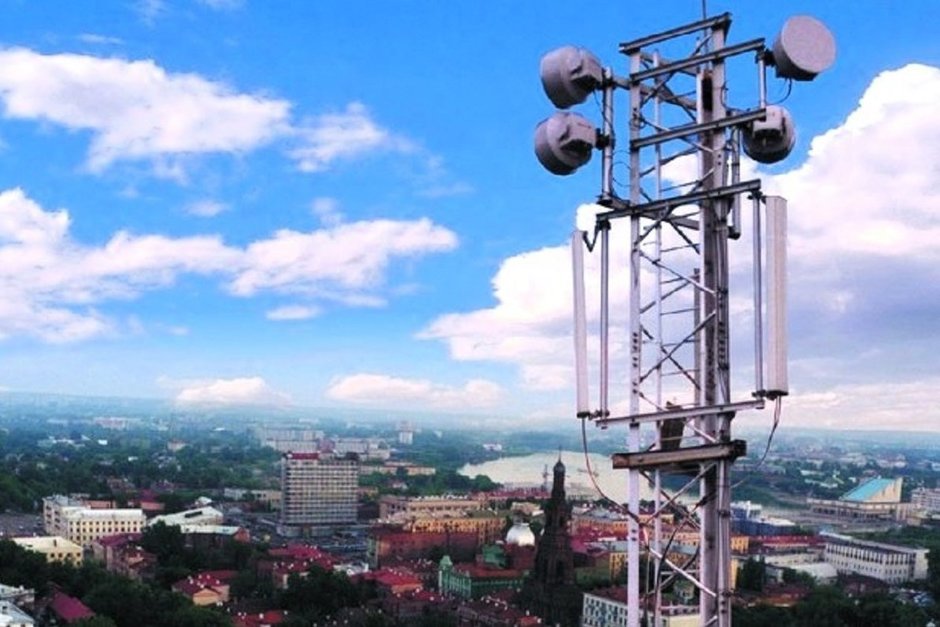
Today, the world discusses the prospects for further development of artificial intelligence, introduces unmanned systems in all spheres of life, and most payment transactions occur online. But if you think about it, serious work in Tatarstan to provide modern mobile communications began only thirty years ago, and only twenty years ago did we gain widespread access to the internet and online services. Realnoe Vremya continues its story about how and by whom the foundation for the large-scale development of the telecommunications industry was laid in our republic. Part two.
“Santel” is digital language
“TAIF-Telcom” is the company's name. But the very first cellular operator in the GSM standard needed its own brand. Sonorous, original, resonating in the soul, prompting action and the communication inherent in human nature. Participants in the process recall that dozens, if not hundreds, of options were considered. Here are just a few of them: “Bolan” (which means “deer” in Tatar), “Maksat” (which translates to “goal” in Russian), “SST," and so on.
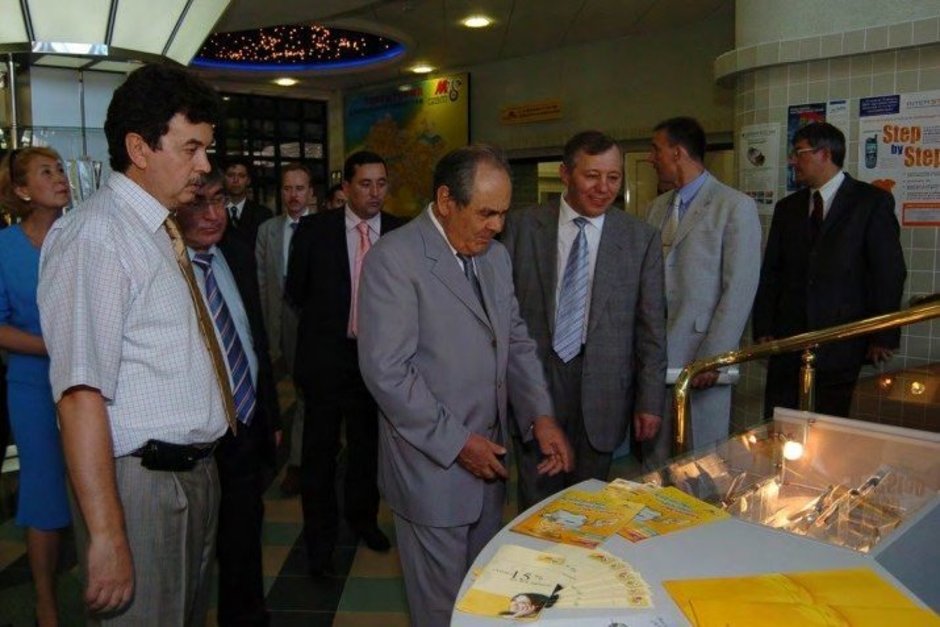
One of the key goals was that it had to be something of our own — Tatar. Brainstorming sessions and dictionaries were used. Soon they settled on the word “San” — “number” in Tatar, but that was not enough. It did not sound right. During heated discussions, “tel” was added — telecommunications, and in translation from Tatar, it also means “language.” So it turned out that “Santel” means “digital language.” Designers saw the sun (sun) in this name and placed it on white waves. The green flag was added from the flag of Tatarstan (information from the book “SANTEL. The History of Cellular Communications Development in Tatarstan”). The idea appealed to the management of both TAIF and the republic. And most importantly — to the people, the future subscribers.
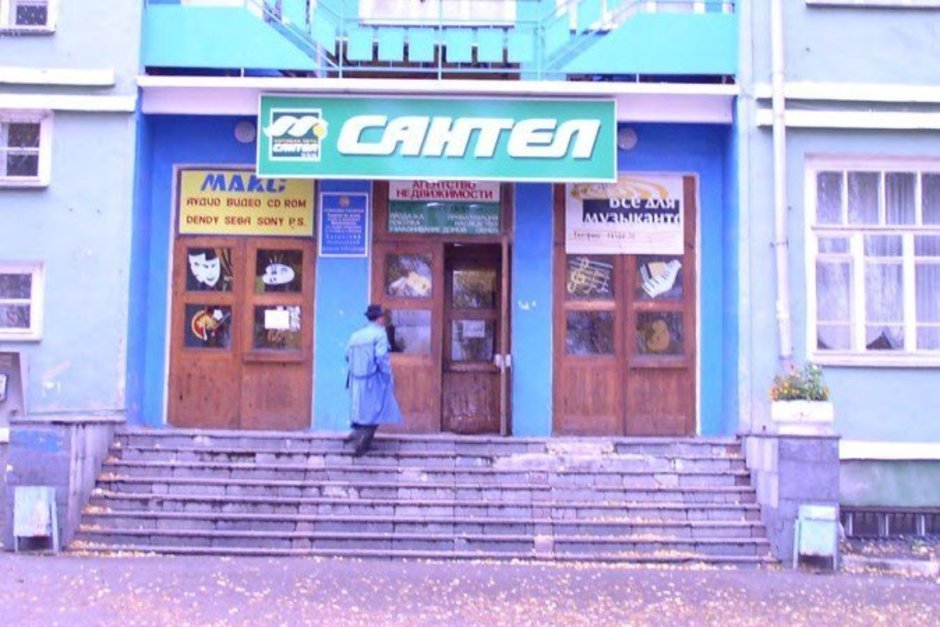
And TAIF, as was its custom from the very first days of the company's operation, calculated everything many steps ahead. The equipment that was purchased and installed provided for the implementation of the most advanced mobile technologies. In other words, the goal was not only reliable cellular communications and opportunities for the development of high-speed mobile internet access in the republic but also a comprehensive approach to the development of the telecommunications industry in Tatarstan as a whole.
“Hello, hello! How do you read me? Over!”
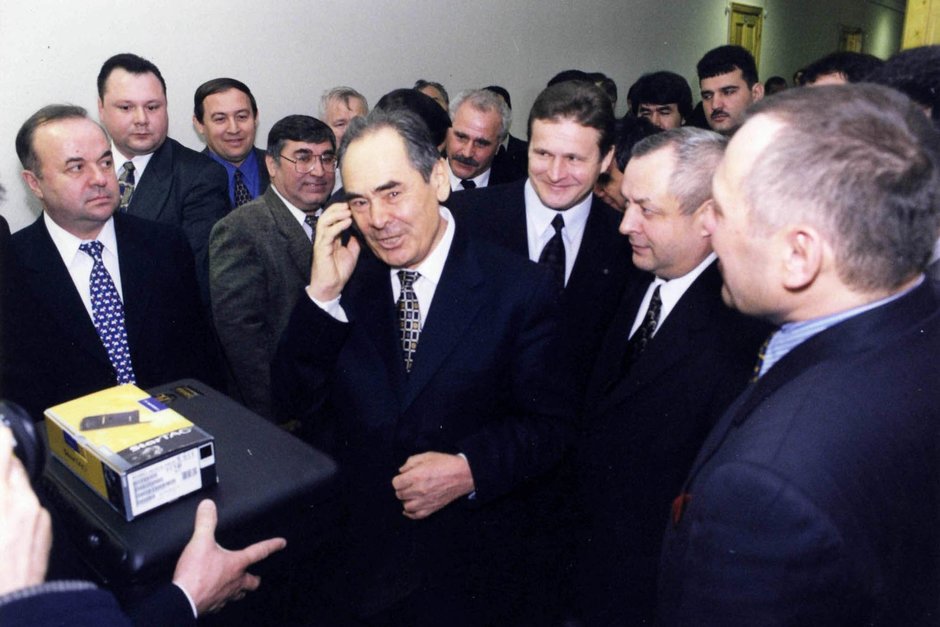
— I remember that day perfectly — March 3, 1999. The first president (now State Counselor of the Republic of Tatarstan) Mintimer Sharipovich Shaimiev ceremonially cut the red ribbon at the entrance to the State Unitary Enterprise of Telecommunications Management 'Tattelecom.' Also taking part in the festive ceremony were Rustam Minnikhanov (from 1998 to 2010 — Prime Minister of the Republic of Tatarstan, today the Rais of the republic) and the Chairman of the State Committee for Communications and Informatization of the Russian Federation (from 1997 to 1999) Alexander Krupnov, — recalls Albert Shigabutdinov about events more than a quarter of a century ago. — The first call in the new GSM standard for the republic, which ensured high-quality communications, was made by Mintimer Sharipovich. He called from his phone to the number of one of the TAIF employees. Both subscribers, whose conversation everyone listened to with great pleasure, loudly and cheerfully said to each other: 'Hello, hello! How do you read me? Over!', joked and congratulated each other.
Thus began a new era for the Republic of Tatarstan — the era of cellular communications. An event that served as an impetus for large-scale changes not only in the telecommunications sector, entailing the modernization of existing networks and the construction of new, modern ones, opening up unlimited technological capabilities in telephony, internet, IT, AI, television, but also becoming a powerful impulse and reliable platform for new rounds of development in education and science, industry and trade, the social sphere, medicine, and the economy as a whole. But we will return to these topics in future materials from Realnoe Vremya.
As Rustem Zakirov, then Deputy General Director of TAIF-Telcom for Sales, shared his memories of the period of the first steps in the formation of the cellular communications market in Tatarstan and Russia, the management of TAIF set large-scale and ambitious goals for the young company. No more, no less:
— To make cellular communications widespread and as accessible as possible (quote from the book “SANTEL. The History of Cellular Communications Development in Tatarstan”).
By the end of 1999, TAIF-Telcom had provided all cities, as well as the main sections of transport routes, with stable mobile communications in the GSM standard. Thanks to TAIF's investments, in the summer of 2000, a switch with a total capacity of 100,000 subscribers was put into operation. The company began to offer new services and expand its network service infrastructure.
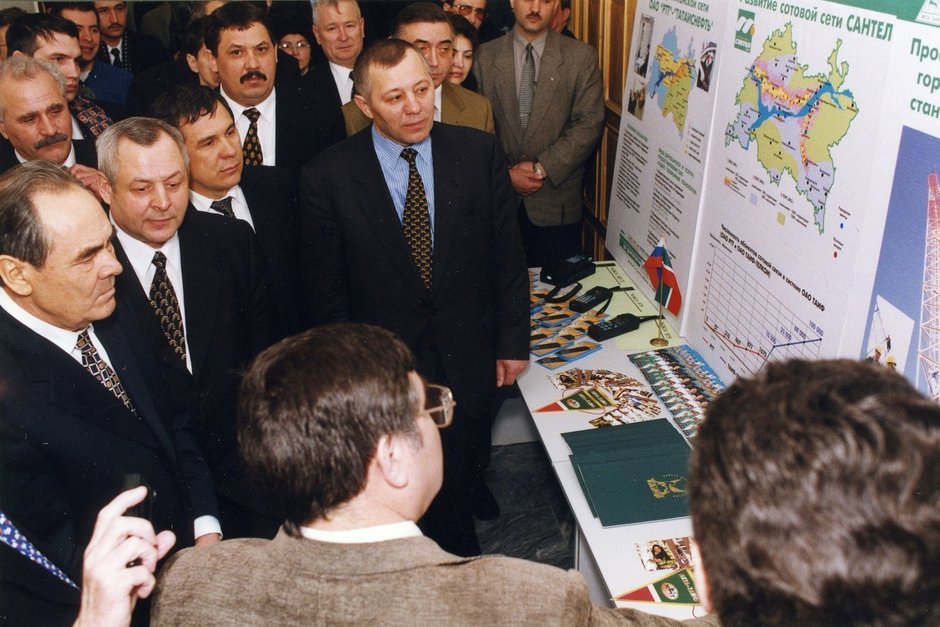
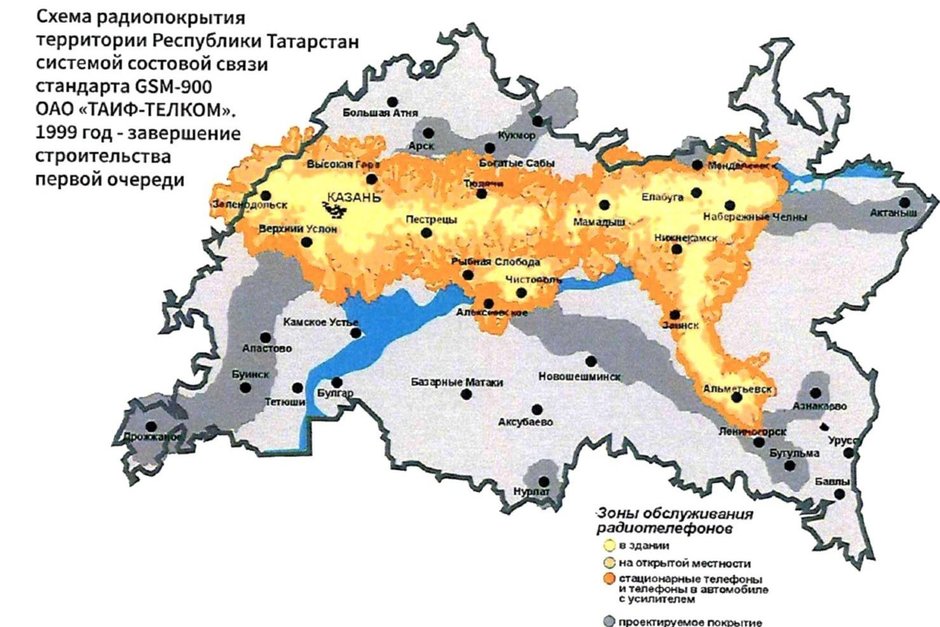
TAIF-Telcom gained its first ten thousand subscribers very quickly — in one year of operation. Then the dynamics slowed down. And again, a thorough analysis of the situation at all levels. As a result, TAIF's management came to an unexpected conclusion: the problem was mental.
— In both cinema and newspapers, the mobile phone was positioned as a luxury item, — Albert Shigabutdinov recalls in one of his interviews with Realnoe Vremya. — Supposedly, only the rich could afford it. Although we were already offering affordable prices.
For example, the “Santel-K” project — an affordable mobile phone with a flexible per-second billing system without enslaving subscription fees and with free SMS. And TAIF decided to go even further. First, to reduce (by 10 times!) the cost of a minute of conversation from $5 to 50 cents. Second, the company invested substantial funds in attracting new network subscribers in a very unusual way:
— We purchased $10 million worth of handsets and gave them away for free, subject to connection, — says Albert Shigabutdinov. — And by 2002, we already had 300,000 subscribers.
The accuracy of this marketing campaign in hitting demand was fantastic! People literally stormed the Santel stores, wanting to get mobile phones. The result? Looking ahead, let's note that already in January 2001, TAIF-Telcom took first place in the all-Russian ranking of cellular companies in terms of subscriber growth. The demand for Santel minutes cards in Tatarstan exceeded all expectations. But the flow of subscribers brought not only income — the growing demand for cellular services pushed the company to accelerate its development, work ahead of schedule in both infrastructure construction and improving the quality of communication services, and also required a constant increase in network capacity and signal availability.
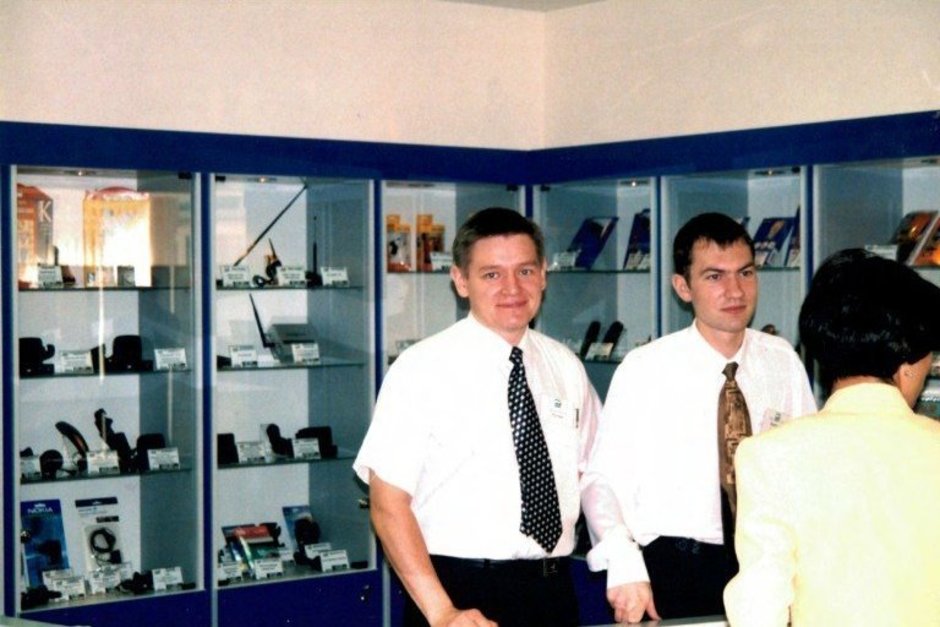
Almost all of Russia's first cellular operators, at a certain stage of development, faced a serious problem when an explosive growth in the number of new subscribers and their activity led to an overload of the company's infrastructure. But not TAIF-Telcom. The development program was written several years in advance. True, it had to be slightly adjusted:
— We planned to acquire a second powerful center with expanded numbering capacity around 2003–2005, but in the end, a station for another 500,000 subscribers from Alcatel SEL AG (Germany) arrived in Tatarstan already in 2000, — recalled Albert Shigabutdinov.
Such foresight and timely investments in development made it possible to avoid unpopular measures such as a temporary moratorium on connecting new subscribers or raising service rates. Moreover, with the growth in the number of users of the Santel brand, the cost of a minute of conversation on the network continued to decline, which only added trust and popularity to the mobile operator.
In the same year 2000, TAIF again confirmed the social orientation of its business with real deeds, creating the company “Mobile State Communications," or “MGS.” Santel provided the newly formed operator with 10,000 numbers for connecting public sector employees: doctors, kindergarten teachers, teachers, and officials, with the ability to use cellular communications at preferential rates — 9 cents per minute, that is, at prices three times lower than the existing commercial rates.
In this approach, as Alexander Leontyev, who headed MGS JSC, noted in an interview with Realnoe Vremya, the difference of TAIF as a company that genuinely cares about Tatarstan and always keeps its finger on the pulse is evident.
In life, everything is interconnected
The implementation of the project to develop GSM cellular communications required TAIF to fully immerse itself in solving other large-scale issues in the development of the telecommunications industry, launching a cascade of interconnected processes.
Thus, one of the most acute problems faced by TAIF-Telcom was the almost complete impossibility of connecting modern digital mobile communications with the “legacy of the USSR” — the physically outdated step-by-step and relay stations of standard wireline communications then operating in Tatarstan, which had been in operation for 40 or even 60 years.
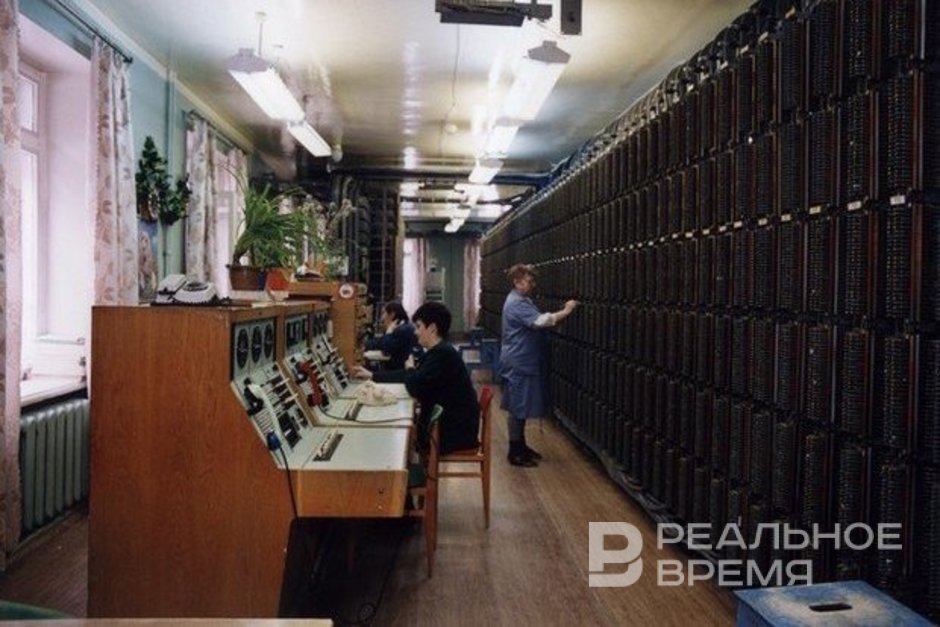
After lengthy and very difficult negotiations between the Ministry of Informatization and Communications of the Republic of Tatarstan, TAIF, Tattelecom, and Kazan City Telephone Network OJSC, a joint decision was made to modernize the outdated stations. According to the agreement reached, TAIF was to buy out part of the telephone exchanges from Kazan City Telephone Network OJSC and Tattelecom and, at its own expense, carry out their modernization: installing the latest digital switches to replace the old equipment. But on the condition that the funds received by the Tatarstan wireline operators — Tattelecom and Kazan City Telephone Network — from TAIF for the purchased stations would effectively become a targeted tranche for the modernization of the exchanges remaining in their possession.
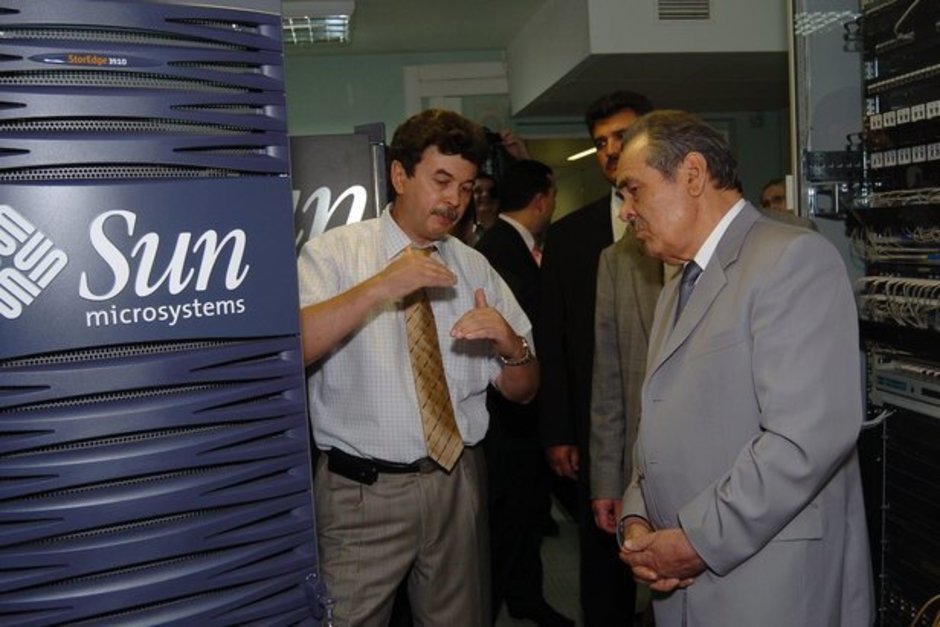
— With the money we paid, GTS purchased new equipment, including installation, for the exchanges on Bauman Street, Butlerov Street, Garifyanov Street... Within about three years, communications in Kazan became completely digital. Many free numbers appeared immediately: telephones for anyone who wanted them — please!” Albert Shigabutdinov told Realnoe Vremya.
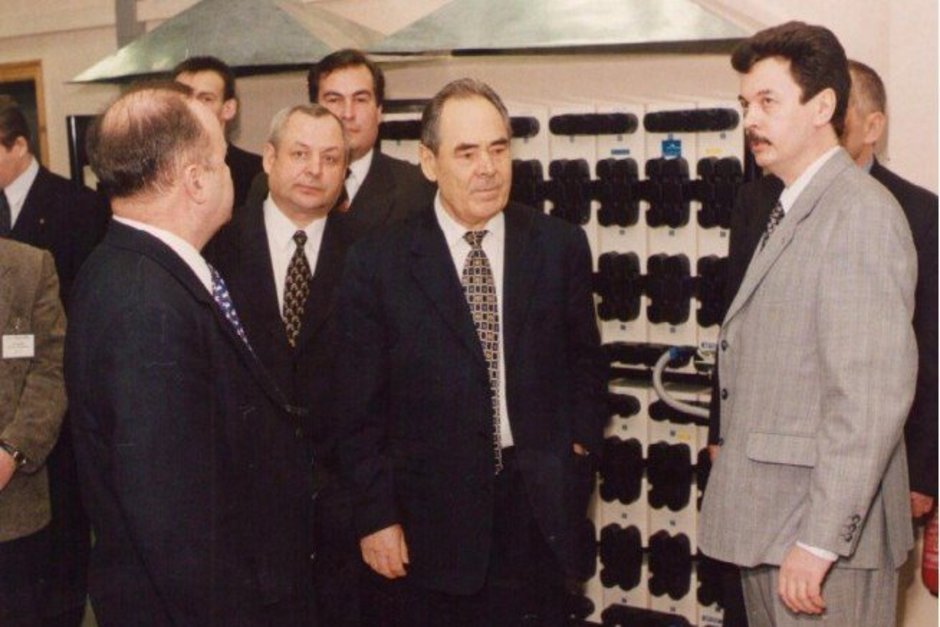
Everyone benefited:
- The republic gained new, modern communications stations equipped with the latest technology.
- The issue of connecting mobile and fixed-line systems was resolved at the most modern level.
- Nearly a quarter of a million Tatarstan families and business representatives who had waited for decades for a landline telephone finally received this opportunity: the installation of digital exchanges increased the region's numbering capacity many times over.
- While analog exchanges occupied an entire building, digital equipment, with greater capacity, easily fit into one room. The freed-up huge spaces made it possible to plan the further development of the industry: to place equipment for the future growth in the number of subscribers and the expansion of the types of telecommunications services provided, and to provide greater comfort for exchange staff.
- Finally, having become the pioneer in the cellular communications market of the Republic of Tatarstan, TAIF also prepared fertile ground for new telecom operators coming to Tatarstan.
At the turn of the millennium
The last year of the 20th century and the very beginning of the 21st century were eventful for TAIF and the republic's telecommunications industry. Thus, the company “RTT," whose subscriber base approached 10,000 users and which operated like a well-oiled mechanism, found a new owner. TAIF, having decided to focus on larger, more urgent issues related to the development of the republic's industrial potential, including the telecommunications sector, transferred trunked radio communication to Tatneft on market terms.
Slightly earlier, the sharply increased public demand for telecommunications services logically led TAIF to create the TV and radio company “TVT," designed to meet the growing market demand for a variety of broadband communication services. And this meant not only cable television but also access to high-speed internet and other areas of telecommunications.
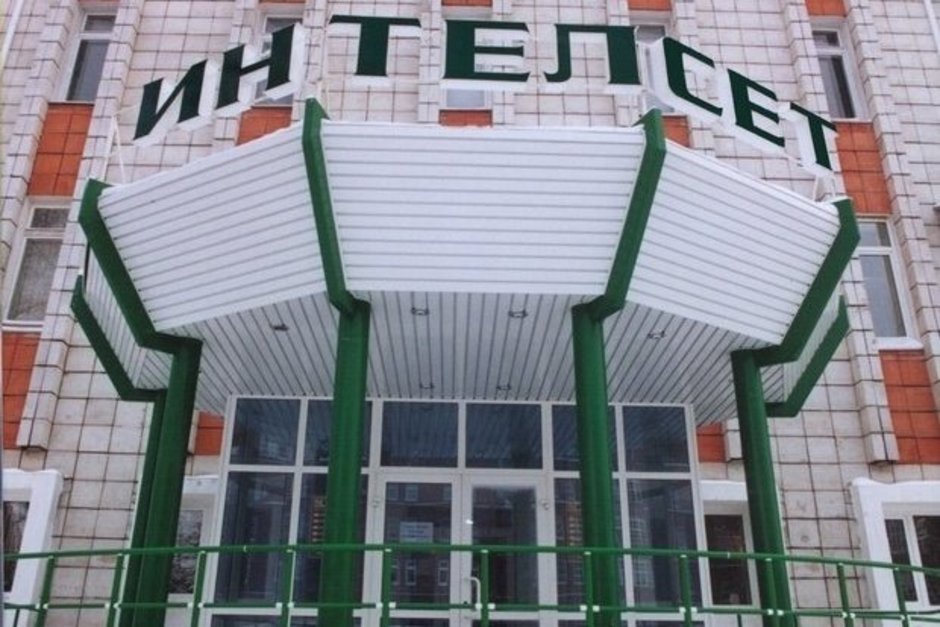
Being involved in another segment of the telecommunications business — the development of fixed wireline communications (subscriber lines) — in 2000, TAIF created the company “IntelSet” (Intelligent Networks OJSC). The company's strategic goal was to provide residents of the republic with access to an integrated package of telecommunications and multimedia services: internet, IP telephony, video conferencing, distance learning and telemedicine, online games, multi-channel cable television, and broadcasting.
And again, TAIF had to contend with emerging difficulties:
— We encountered the fact that there is no reliable communication between cities, villages, and other settlements of the republic. There were only old copper cables. To be able to deliver our services to literally every apartment of Tatarstan residents, we had to immerse ourselves in studying such a direction as laying fiber-optic lines. In August 2002, we created the company TAIF-Telecom OJSC. Its task was to build conjugated, mutually redundant fiber-optic rings with cable capacities of up to 32 fibers, each capable of transmitting millions of megabytes of information. At the same time, we installed the necessary equipment and united everything into a single system connecting cities and regional centers, and through them, most of the republic's settlements, — Albert Shigabutdinov told Realnoe Vremya in an interview.
Fiber-optic lines with a total length of 7,000 kilometers connected all cities, large settlements, and regional centers of Tatarstan into a single network in a record short time. Having triple redundancy, it became the largest multiservice network in Russia, designed for more than a million subscribers. And already in the first year of operation, more than 50,000 users — individuals and organizations in the city — were connected to it in Kazan alone.
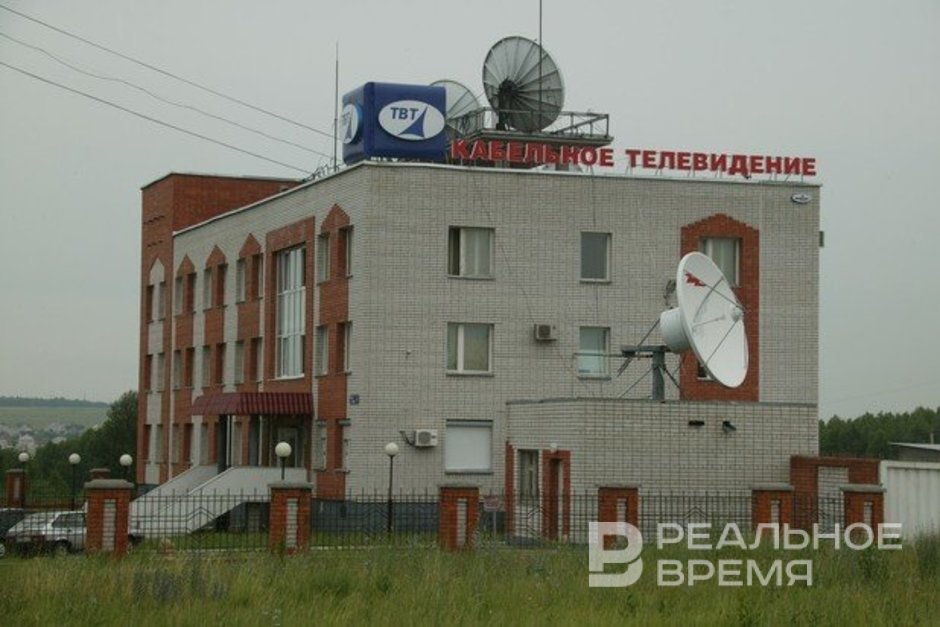
By June 2003, residents of the three largest cities of the republic were actively using the services of the “TVT” telecommunications network. Shortly thereafter, the number of subscribers of cable and digital television from “TVT," as well as users of high-quality broadband internet (at speeds over 100 megabits per second) and IP telephony services, exceeded 700,000 households, companies, and organizations throughout Tatarstan.
Raising funds
Large-scale projects and business development require serious investments: loans directly from banks or raising funds in the securities market. Reliable communications and high-speed access to the global internet provided this opportunity to the republic. The result? Developing another new business direction for Tatarstan — the provision of brokerage services — TAIF acted as the founder of the brokerage company “TAIF-INVEST.”
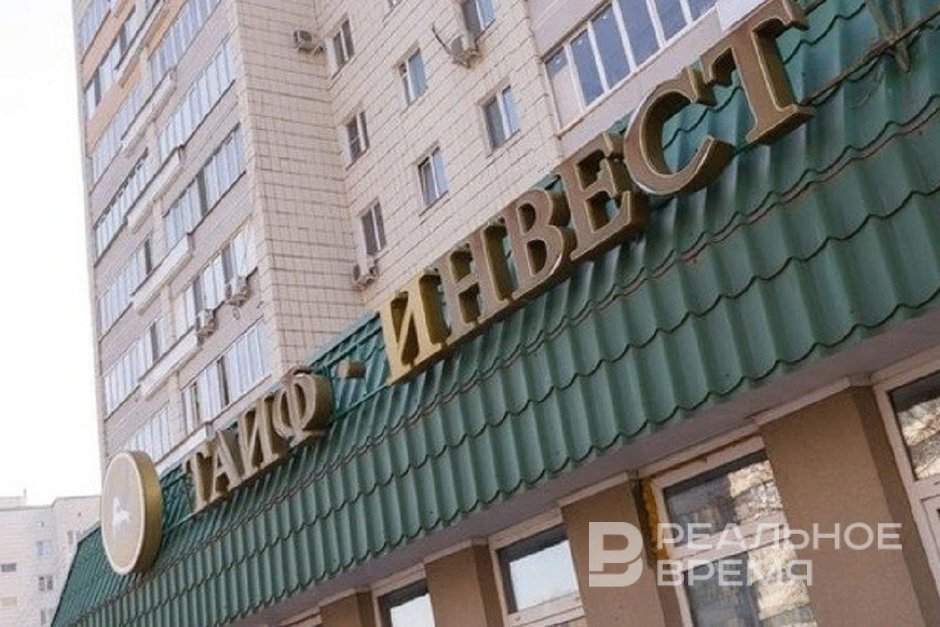
It is noteworthy that among the first operations of the new player in the securities market was the preparation of a bond loan for IntelSet OJSC, as well as the placement of bonds for TAIF-Telecom OJSC. At TAIF's initiative, the secondary market for the securities of the first Tatarstan cellular operator was handled by the Russian Trading System (RTS). And for the largest exchange in Russia at that time, this was one of the first federal-level precedents for bringing bonds to an organized trading platform — until that moment, only shares were traded on it.
However, this topic is so extensive that it requires a separate material, and it will certainly be published in the near future.
To be continued...