Triumph of love and the charm of grotesque: after 40 years, “Cinderella” returns to Kazan
The Nureyev festival opened with Sergei Prokofiev's magical fairy tale
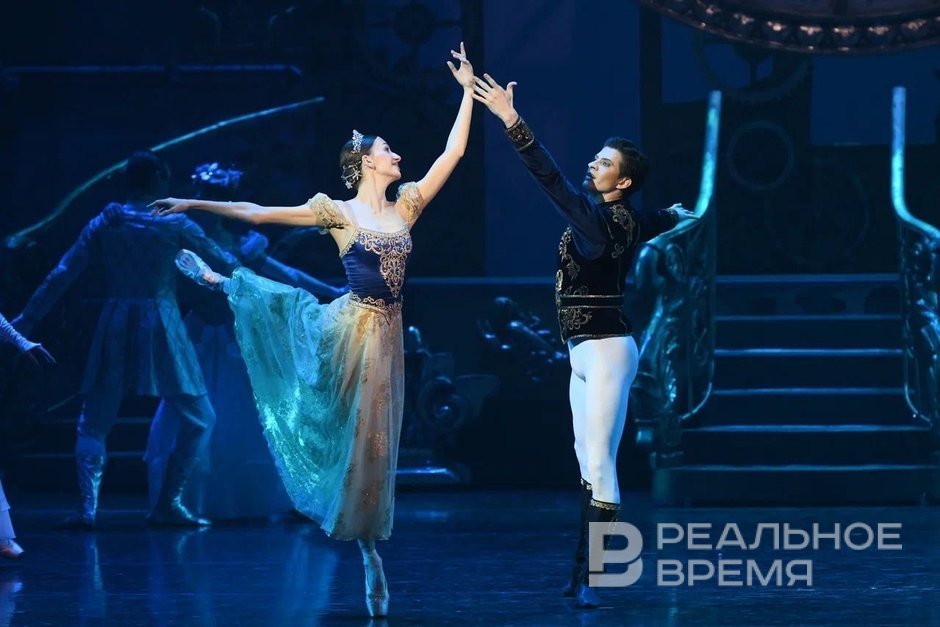
In Kazan, the XXXIX Rudolf Nureyev Classical Ballet Festival opened with the premiere of S.S. Prokofiev's “Cinderella.” For this production, the M. Jalil Tatar State Academic Opera and Ballet Theatre invited a creative team new to them — choreographer Nadezhda Kalinina, set and costume designer Sergey Novikov, video artist Ilya Smilgov, and lighting designer Ivan Vinogradov. This team has created a beautiful, magical fairy tale with a stunning visual palette, diverse choreography, and vivid grotesque images of the negative heroines, whose charm is in no way inferior to the main duo — Cinderella and the Prince. The festival continues until May 30; details on how the premiere performance went are in this report by Realnoe Vremya.
“Cinderella”: inspired by Ulanova, inspiring Nureyev
Luxury, a ball, a magical fairy tale, fantastically beautiful and complex music — it's hard to imagine that Prokofiev wrote this ballet from 1940 to 1944. Initially, the composer looked to the great Galina Ulanova. He was impressed by her outstanding artistry when she created the role of Juliet in the premiere of his ballet, and he began writing “Cinderella” especially for her.
— I see the ballet “Cinderella” as a contemporary classical ballet with its characteristic features of form, such as pas d'action, grand pas, etc. At the same time, I wish to see in the heroine not a fairy-tale, semi-real character, but a living person with human experiences, that is, to deepen her role as much as possible, — wrote Prokofiev.
When the war began, two acts of the ballet out of three were already written. Prokofiev postponed finishing the work, but after the victory at Stalingrad, he returned to “Cinderella.” The theme of found love, fairy-tale tenderness, and magic were born from the pen of Sergei Prokofiev in a country exhausted by a terrible war, in evacuation, in Perm (then called Molotov).
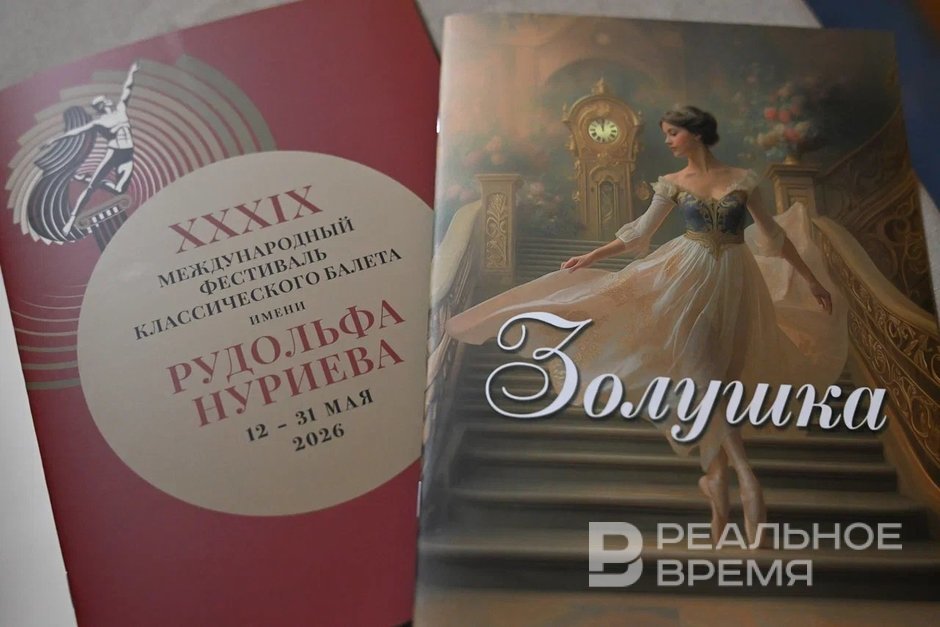
“Cinderella” became the first post-war production of the Bolshoi Theatre — the ballet's premiere took place on November 21, 1945. But it was not what Prokofiev had envisioned: the role of Cinderella at the premiere was danced by Stalin's favorite ballerina, Olga Lepeshinskaya, and due to an altered orchestration, the gentle magic of the music turned into a triumph of Victory. However, the Leningrad production, which premiered in April 1946 at the Kirov Theatre, was light, transparent, fairy-tale-like, and almost without cuts.
Prokofiev's music later inspired many choreographers. For instance, the version by Frederick Ashton, staged in London in 1946 at the Sadler's Wells Theatre (now the Royal Ballet), went down in history. There, the grotesque roles of the stepsisters and the Stepmother were performed by men (one of the sisters was Ashton himself). Rudolf Nureyev, at the Paris Opera, famously moved the action to “golden age” Hollywood — after all, Cinderella's story does resemble the American dream, where a scruffy, ragged girl becomes a princess.
“It's very prestigious that my production opens the festival”
The ballet “Cinderella” had not been staged on the Kazan stage for over 40 years — the second Kazan version of the production was presented by Bari Khaliulov back in 1978, and it left the repertoire a few years later. Now, the fairy tale has returned. This Nureyev Festival's premiere is “Cinderella” choreographed by Nadezhda Kalinina, a representative of the St. Petersburg school and the chief choreographer of the Omsk State Musical Theatre. The music director of the production is maestro Karen Durgaryan, a long-time friend of the Tatar Opera and Ballet Theatre.
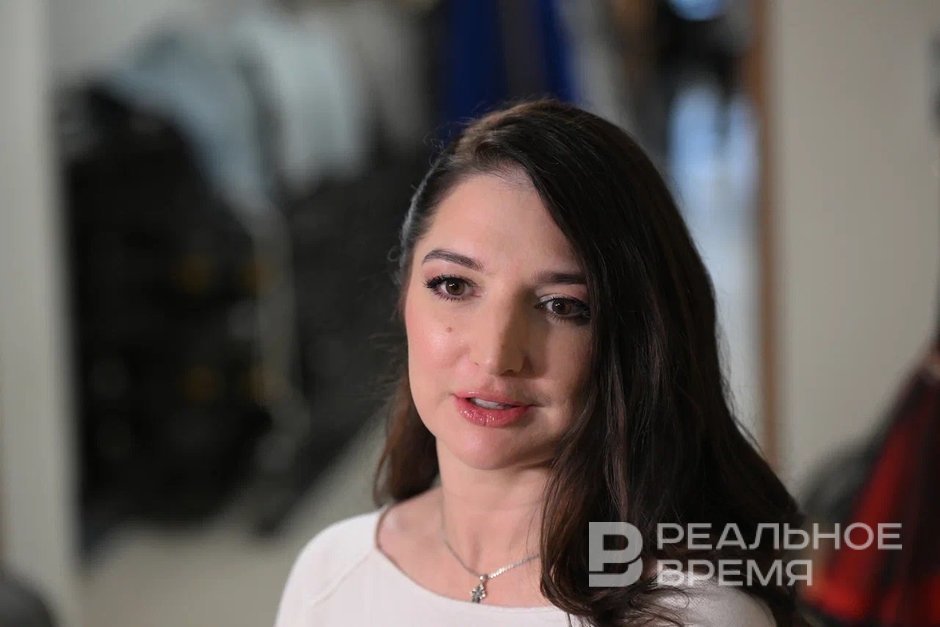
— It's very prestigious that my production opens the festival, — admitted Nadezhda Kalinina before the premiere. — I am grateful to the theatre's management for approaching me with such an offer. And I am especially thankful that they agreed to such luxury and richness in this production. A riot of colors, magnificent costumes at the ball... It turned out to be a wonderful, magical, fairy-tale ballet, in my opinion! Cinderella will enter it, and the audience will become a part of it too.
As the choreographer explains, Prokofiev devoted great attention to the theme of Time in his work. In “Cinderella," it is present in the sets, costumes, lighting, video art, and scenes with the Fairy, who in this interpretation is its ruler. She is accompanied by a retinue of the seasons, each with their own entourage, and they help Cinderella get ready for the ball.
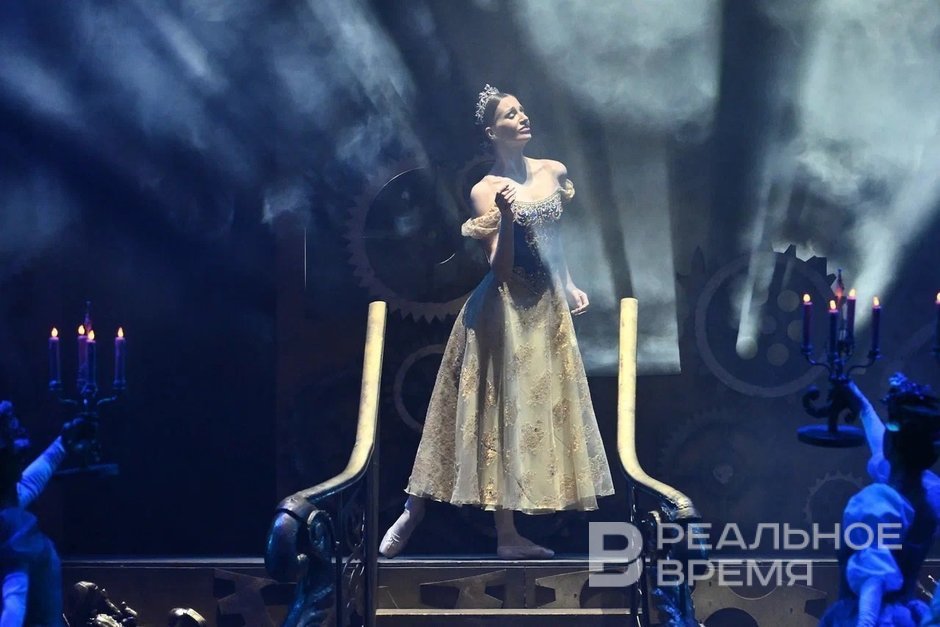
The key moments of the performance are built on the theme of Time, which becomes both a friend to the main character and a formidable arbiter of fate. Cinderella flees the ball as, with the insistent ticking of a giant clock, the world around her seems to collapse: the ballroom set collapses, crumples, and mixes together...
“My Cinderella dreams of love”
The production has two casts, both based on Kazan dancers. During the premiere performance, the role of Cinderella was danced by Kristina Zakharova, and the Prince by Oleg Ivenko. On the second day of the festival, the main couple became Amanda Gomez and Wagner Carvalho.
— Of course, the dancers bring their own nuances to the characters' personalities, — says Nadezhda Kalinina. — I always allow small liberties if they don't contradict my taste. For example, Kristina, in my opinion, is more lyrical, while Amanda is more dramatic. The Cinderellas are different, but both are beautiful. And the Princes — I am very glad they are gifted, lively, highly technical young men who approach this role with humor. And humor is very important for this role.
Kristina Zakharova admits it wasn't easy, as the role of Cinderella is multifaceted. Deep philosophical meaning is embedded in this children's fairy tale: having endured many difficulties in life, Cinderella can see light and goodness in everything.
— My Cinderella dreams of love, — says the prima ballerina of the Kazan theatre. — Probably, this feeling comes from my childhood memories: from the cartoon, the fairy tale about Cinderella. Despite the difficulties, she never loses faith in a better life. Of course, she doesn't expect to go to the ball and find her love there. But when it happens, it overwhelms her — that's the key moment! I wanted to convey this so the audience would feel it all. I found it very interesting to discover these facets. The work went on for six months, and the choreographer had strict requirements.
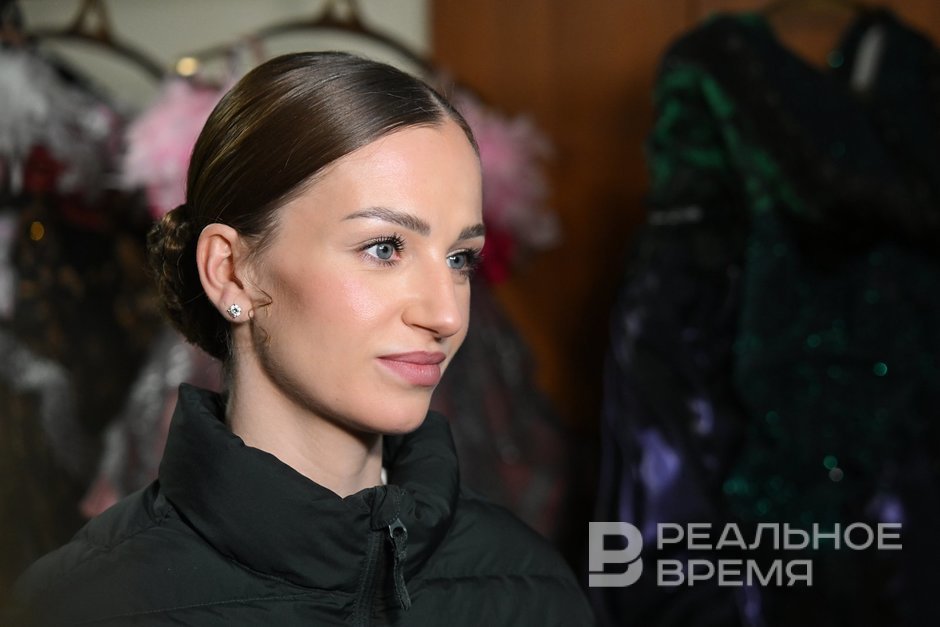
According to the ballerina, the choreographer embeds deeply meaningful images into her work and demands not a superficial interpretation of the roles, but getting to the very essence. Nadezhda Kalinina's choreographic language is not entirely familiar to the Kazan troupe: very dynamic dance that requires immense physical exertion. Yet, the role of Cinderella is completely built on classical technique. Nadezhda Kalinina explains the difficulty of her demands:
— Prokofiev's music is cosmic, lifting you off the ground. Therefore, my task was to stage the duets not on an axis, but to create the feeling that everything is happening in the air, not on the ground. Of course, to achieve this, a lot of work was needed, constant rehearsals to perfect those techniques. Here, of course, all the premiere dancers are wonderful, absolutely amazing people. But indeed, it was challenging. I think we'll see how they convey this weightlessness to the audience. How could one stage “Cinderella” without challenges? Of course, it was not easy, especially knowing what a repertory theatre is like and how busy the dancers are in the repertoire. But everything in this life can be solved. Of course, I am pleased with the result! — says the choreographer.
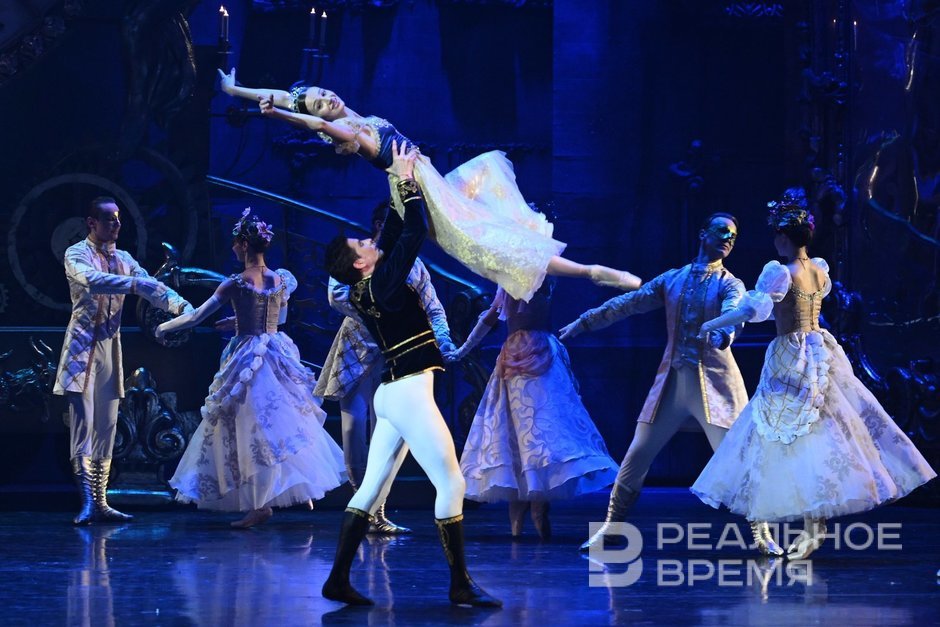
The Prince on the first evening, Oleg Ivenko, confirmed that a great deal of work was necessary, and to achieve that very weightlessness, he had to work hard, constantly supporting Cinderella in the air. He speaks about his role:
— There is an artistic freedom in my Prince. Before Cinderella's arrival, he is fortune's darling, a merrymaker allowed everything: “Hey, girls, la-la-la!” He doesn't want to listen to his parents, refuses to discuss serious matters with them. But as soon as he sees Cinderella — he falls in love with her and decides he wants to stay with her for life. Cinderella's arrival changes everything; he finally becomes serious. And my life is similarly divided into before and after. In my youth, I was such a darling. But when I became more mature, I became a responsible person. So these transformations of the Prince are easy and amusing for me, and it's interesting to show his journey.
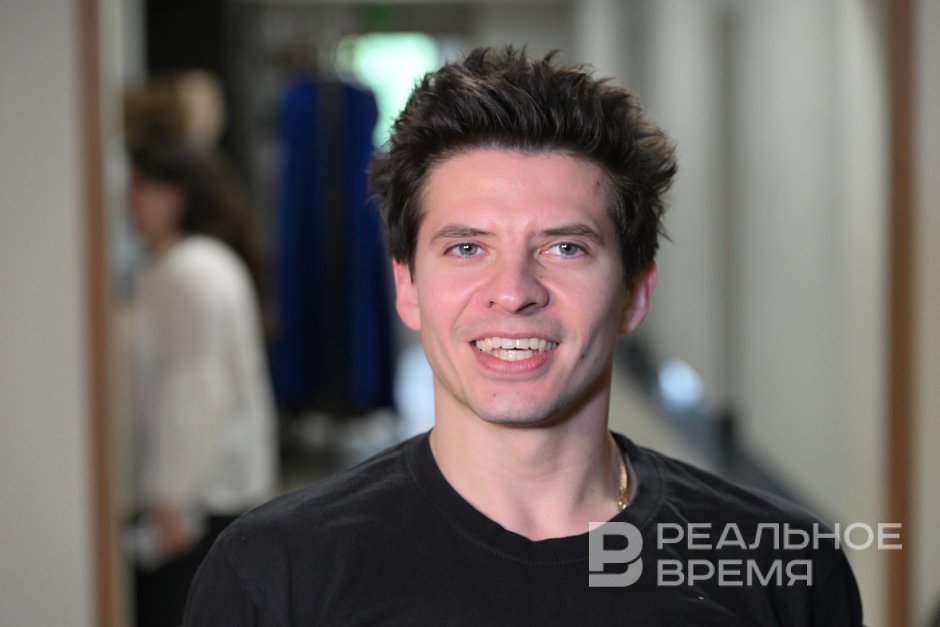
“Adults who want to show their shadow sides will enjoy the negative characters”
After the first performance, one got the impression that the role of Cinderella is gentle, sad, very classical, and seemingly quiet in mood. Even her joy is muted. The Prince can afford to be playful, get into awkward situations (such as in the trio with Cinderella's stepsisters), and disobey his parents. Cinderella, however, remains impeccably composed, even in the love scenes. She is elegant, lyrical, and fragile. At times, even excessively so.
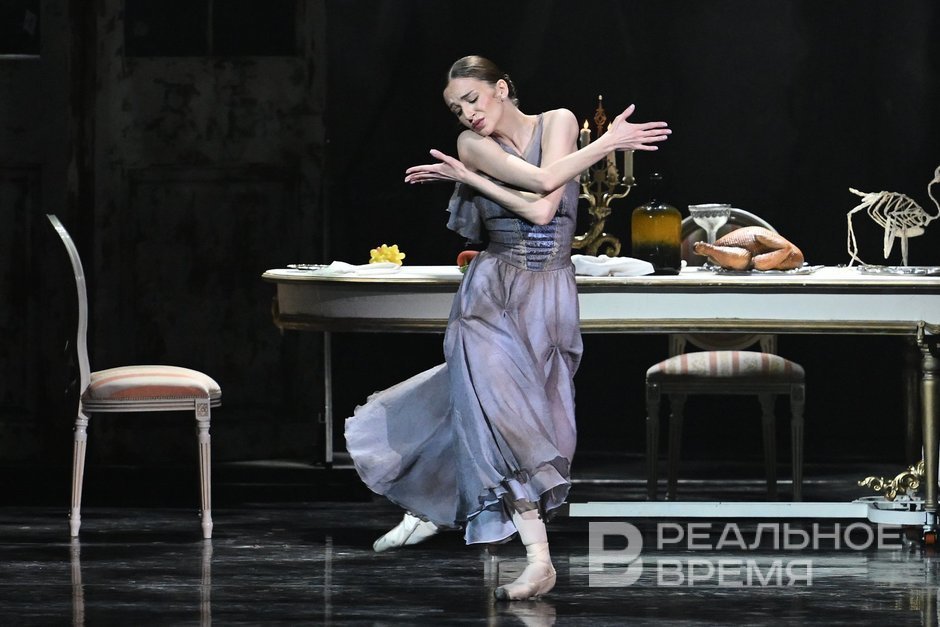
This made the grotesque roles of the first evening — the Stepmother (Artyom Belov), Spite (Lana Khalimova), and Grouch (Alexandra Elagina) — even brighter, more contrasting, and more characterful. They captivated the audience from their first appearance, and the choreographer infused these images with enormous charisma and a fair amount of outrageousness. The scenes of seducing the hapless ushers and the ball master of ceremonies, the deliberately disjointed structure of the dance, and, of course, the grenadier-like figure and androgynous plasticity of the Stepmother are truly something to behold.
— In my productions, the role of the Stepmother has been performed by both a woman and a man. Here, by the way, I wanted a woman, a specific ballerina, to perform it, but it didn't work out due to her health. So I took a closer look at the amazing leading masters of men's ballet. This version is dictated by a sense of humor, mastery — both acting and technical — and the Stepmother has a very rich part. Our Stepmother in the two casts is different; I strive for that. She is multifaceted, with good taste, cruel, temperamental, passionate, — explains Nadezhda Kalinina.
Artyom Belov caused a sensation on the first evening: refined movements, the grace of an aging socialite, curious pas that reveal immense technical work and considerable acting talent. His partners in this “evil trio” were in no way inferior, and it must have been very difficult for the strong ballerinas with filigree technique to portray clumsy steps and a lack of grace. It turned out stylish and bright. The performer of the role of Spite, Lana Khalimova, hoped before the premiere:
— It seems to me that the audience appreciates our characters very much, and generally situations where there is a big difference between the roles — there are positive ones, there are negative ones. If you really get into the character of an evil persona, then probably only children will remain indifferent and want to give preference to the positive hero. But adults, who also periodically want to show their shadow sides, will enjoy the negative characters.
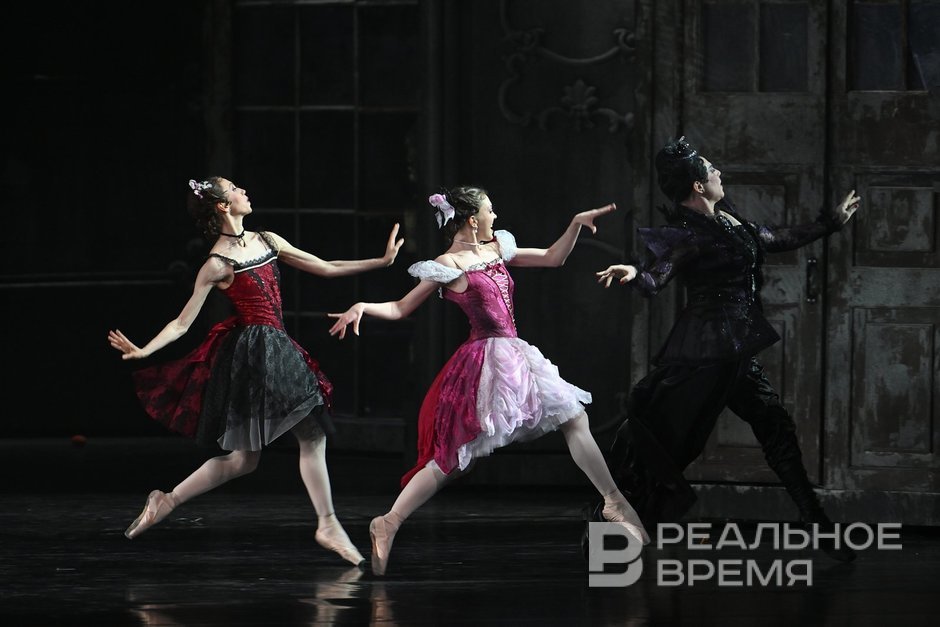
And so it happened. The Stepmother and her daughters received a standing ovation during the final curtain call, and during the performance, it was absolutely impossible to take your eyes off them. Such is the immodest charm of malicious grotesque.
On the second evening, the role of the Stepmother is danced by Mikhail Timaev (and it will be very interesting to see the “honored prince of Kazan ballet” in this role), Spite by Dina Nabullina, and Grouch by Olga Alekseeva.
“The video artist's task is always to work as the second fiddle”
The scenography of the ballet is truly fairy-tale-like: both in the decoration of Cinderella's father's house, in the scenes of the Fairy's and her attendants' appearance, and in the design of the ballroom. For set designer Sergey Novikov from the Omsk State Musical Theatre, this was his first experience working with the Tatar Opera and Ballet Theatre, and it proved successful. Spectators and critics alike appreciated his work — monumental, attentive to every detail, featuring spectacular technical solutions, and completely unbound to any particular century. Here are antique candelabras, a magical carriage, bronze mirrors, and, suddenly, a steam locomotive on which the Prince and his friends search the kingdom for the owner of the lost slipper.
— For me, the main impulse is Prokofiev's music. It is cinematic, we all know that. So every encounter with such a composer is a joy, — Sergey Novikov said before the premiere.
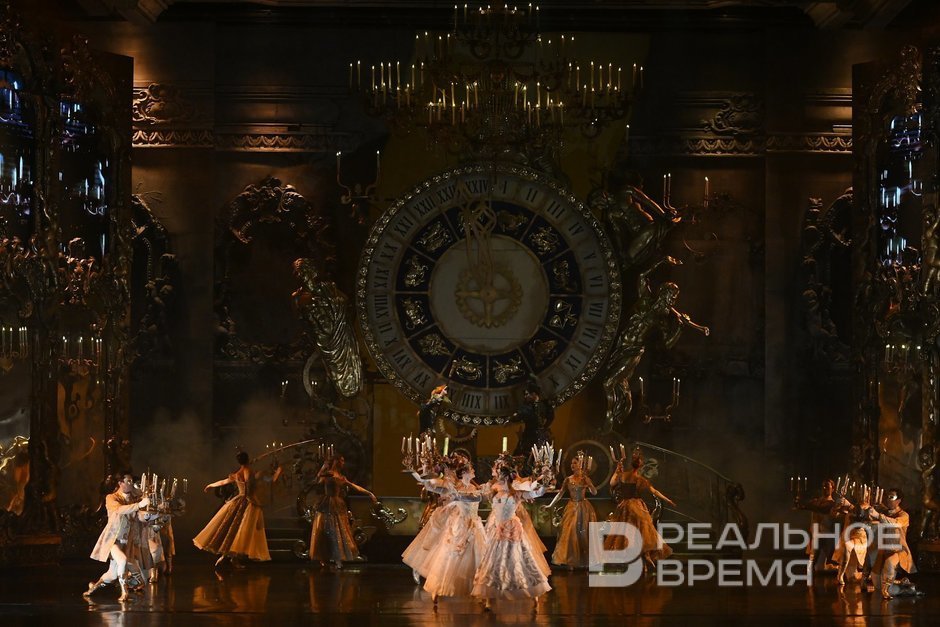
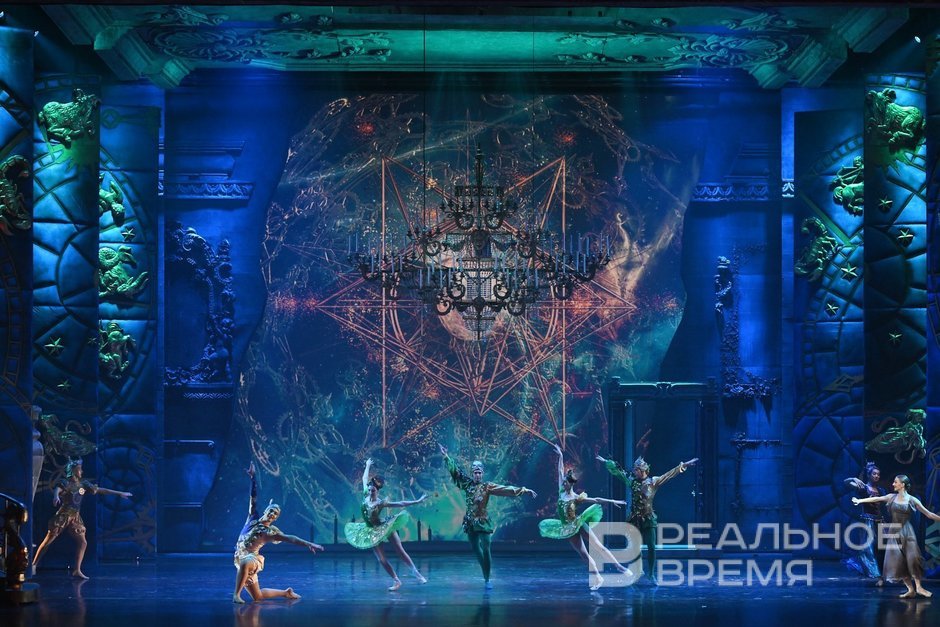
The masterful lighting design by Ivan Vinogradov, a Golden Mask awardee, changes moods and seasons, while the enchanting video art created by another winner of the country's highest theater award, Ilya Smilgov, complements the fairy-tale story, creating a unique pattern for the production without overshadowing it.
— Video projection is often used in theatrical productions, but I believe its role is secondary. First comes the music, then the choreography, and only then the projection. The video artist's task is always to work as the second fiddle. Intrusive video can ruin a great deal. Therefore, the video artist must work on a new layer of the narrative, which must be synchronized with the layer of music and dance, yet still remain independent. Speaking specifically about this performance, the image of Time, temporality, and the transition of one into another is what we agreed upon with the production's choreographer. Each of us went their own way, and now is precisely the moment when we all converge at one point, — says the video artist.
The team of artists managed to solve a very difficult task: to create a scenography that in itself became an artistic phenomenon, an event for the Kazan theatre, yet in which not a single dancer gets lost. The skillful interweaving of music, choreography, sets, lighting, and costumes has come together into a single, beautiful, and truly magical picture.
Instead of an afterword
Thus, the XXXIX Rudolf Nureyev Classical Ballet Festival in Kazan opened on a high note.
Next in the program are ballets from the classical heritage: “Le Corsaire," “Swan Lake” in Vladimir Vasiliev's author's version. An original ballet performed by only one theatre in Russia — our “Zorba the Greek.” A gem of national ballet — “Shurale.” It was filmed by the “Kultura” TV channel and is currently being shown in the “Theatre in Cinema” project.
This year marks not only the 135th anniversary of Prokofiev's birth but also the 200th anniversary of the birth of Ludwig Minkus. The Austrian composer became famous in Russia and was an associate of Marius Petipa. Two of his ballets are in the program of the current Nureyev Festival — “La Bayadère” and “Don Quixote.” The Boris Eifman Ballet Theatre will come as a guest to the Tatar Opera and Ballet Theatre with the ballet “Red Giselle.”
The festival's parallel program includes a lecture by Olga Rozanova, Professor of the Vaganova Academy of Russian Ballet, on Ludwig Minkus and the phenomenon of his ballet music. Ekaterina Novikova will lecture on Rudolf Nureyev and his contemporaries. Spectators are also invited to a creative meeting with Vladimir Yakovlev, the artistic director of the ballet troupe, who is also celebrating his own anniversary this year.
Realnoe Vremya continues to follow the festival events.