“Energoprom-2026”: general scheme-2042 proposed for revision with focus on regions and data centers
Energy consumption is growing unevenly
“Cinderella won the competition for the prince because a fairy gave her Manolo Blahnik shoes and a Dior dress. We don't have such a fairy, so let's get to work," urged Maxim Bystrov, Chairman of the Board of the NP Market Council Association, calling on energy professionals not to wait for miracles at the plenary session of the Energoprom-2026 forum. A year after the adoption of the general scheme for the placement of electric power facilities until 2042, regulators spoke about the need to adjust it, taking into account regional characteristics and including data centers. “Energy consumption is growing unevenly: this year it increased by 3%, and in Tatarstan — by 5%. Last year, total consumption decreased by 0.8%, while in Tatarstan it grew by 5%. This cannot be ignored, because mistakes are costly," said Fedor Opadchiy, Chairman of the Board of JSC SO UES. At the end of the discussion, Energy Minister Sergey Tsivilev agreed that the basic energy development document needs to be updated sooner. More details in the material by Realnoe Vremya.
“GOELRO VER 2.0”
Russian Energy Minister Sergey Tsivilev came to Kazan for the second time to participate in the international energy forum and each time emphasizes the grandeur of the GOELRO plan in poetic constructions. This time, the plenary session was named in the same spirit — “GOELRO VER 2.0: Revival of a Legend.”
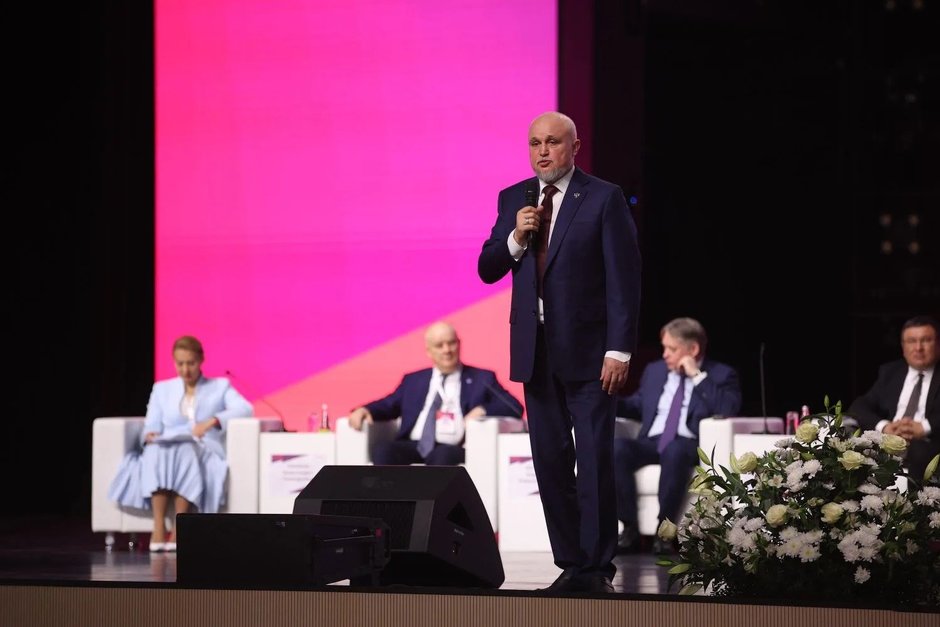
Sergey Tsivilev explained the meaning behind the new plan over 10–15 minutes, rising from his chair and pacing the stage with a microphone. Behind the lyrical title “GOELRO VER 2.0” was the general scheme for the placement of electric power facilities until 2042, adopted in March 2025. According to it, Russia needs to build 88.5 GW of new generating capacity and repair 66 GW of existing capacity, which will satisfy growing domestic demand. The maximum volume of necessary investments in the general scheme is estimated at 42.6 trillion rubles, reported the press service of the Russian Ministry of Energy.
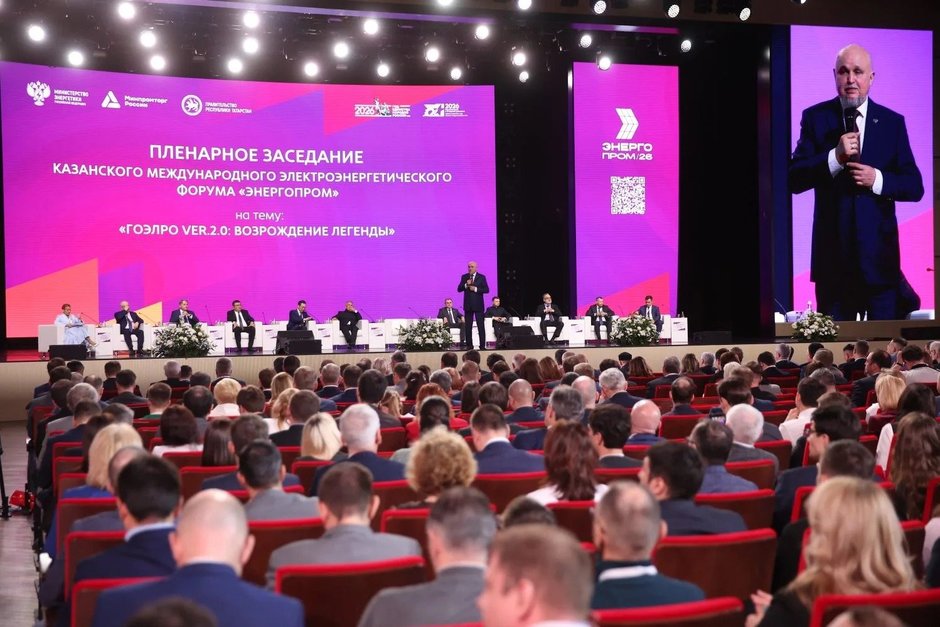
According to Sergey Tsivilev, the developers of the basic documents drew inspiration from the grand achievements of the Russian energy industry. He again highlighted two bright historical events in the past of Russian energy. Firstly, this is the GOELRO plan, which at the beginning of the 20th century ensured the electrification of agriculture and reduced the amount of manual labor. Secondly, the creation of the Unified Energy System of the USSR. “After a devastating war, it was necessary to restore the country and build a new economy," he noted. In both cases, the implementation of the GOELRO plan led to unprecedented economic and industrial growth.
— We now face a task of the same scale, no less, — Sergey Tsivilev said. — That is why our program received the conditional name GOELRO 2.0. This name is a bridge connecting our great past with the present and leading us to a great future.
The first two reasons for adjusting the general scheme: outpacing growth in energy consumption in Tatarstan, “loss” of data centers
Fedor Opadchiy, Chairman of the Board of JSC SO UES, spoke about the need to adjust the general scheme directly and without lyrical tone. According to him, the regional aspect needs to be strengthened in energy system development plans. “We see that energy consumption is growing unevenly: this year it increased by 3% (now it's 2.6% due to the cold winter), and in Tatarstan — by 5%. Moreover, last year total consumption decreased by 0.8%, while in Tatarstan it also grew by 5%," he argued.
In his opinion, ignoring regional sources of growth when making decisions about energy system development is impossible, as transmitting energy over long distances is expensive for consumers. This is the first weak point in the general scheme until 2042.
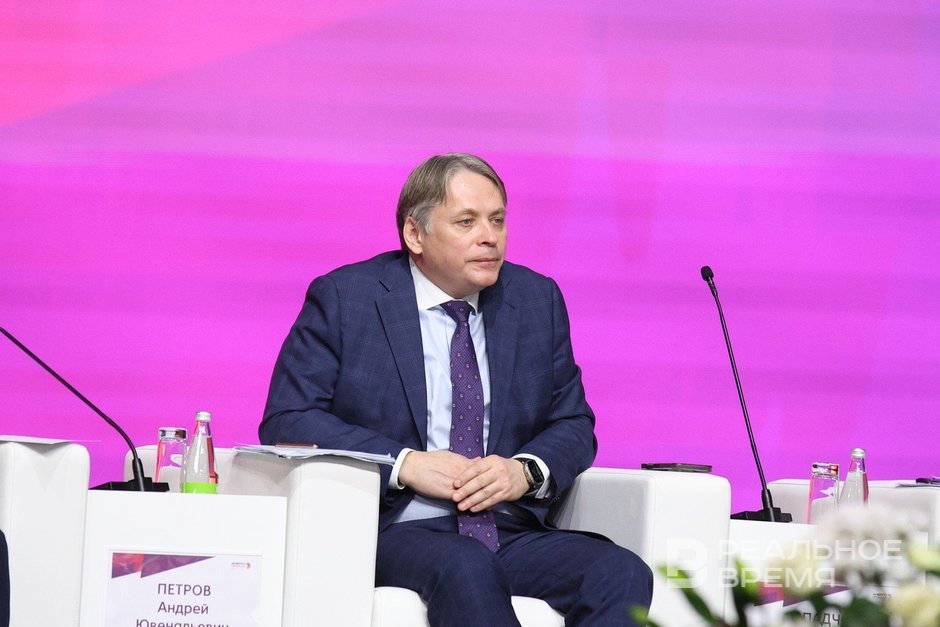
He explained that the general development scheme was based on four principles aimed at integrating capacities. The first three principles remain relevant. The development of large renewable energy facilities, integrated into the unified energy system, continues. Meanwhile, the development of distributed generation is not proceeding as quickly as in some other countries due to regulatory features. “However, the fourth principle — how to link the development of economic activity in other sectors with energy — still requires refinement," he said.
The second weak point is the absence of strategic plans for generation development considering the development of data centers and heavy industry. He considers the idea of developing a general scheme for data center placement considering their growing needs to be correct.
— We cannot immediately provide 3.5 GW near Moscow for this new industry. Therefore, it is logical to consider where there are free capacities in the energy system and develop this industry there, — he suggested.
Opadchiy acknowledged that energy professionals cannot influence the development of all economic sectors, but forecasting and negotiating where possible is necessary.
Minnikhanov's goal: to avoid having to purchase 6 billion kwh on the wholesale market
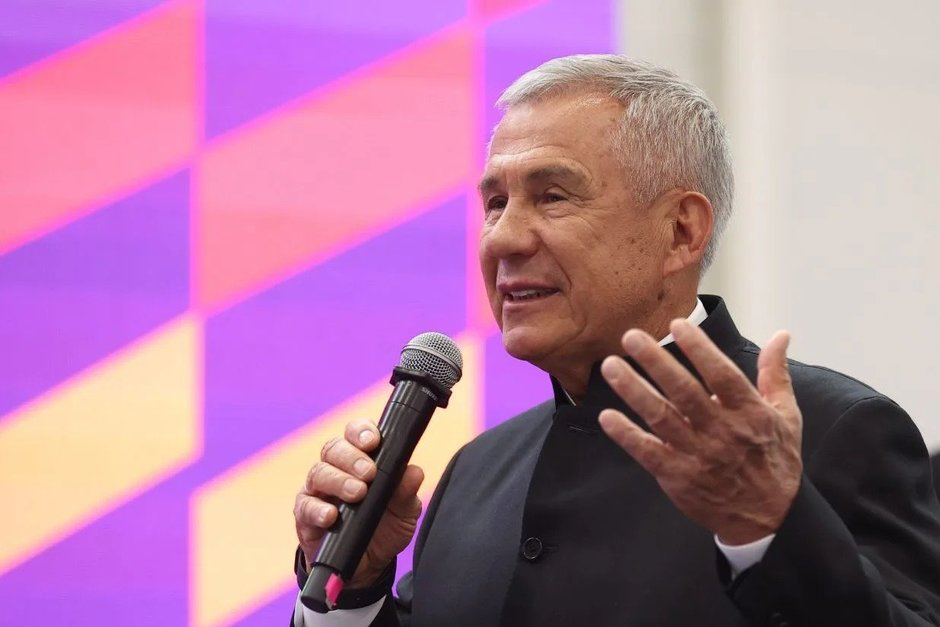
Touching on the vulnerability of the regional component, Rustam Minnikhanov later told journalists that he wanted to see competitive capacities as a result of modernization. “Our task is to bring them to a level where we do not purchase 6 billion kWh from the wholesale market, but rather sell there and build a successful business on this," said the Rais of Tatarstan.
Against the backdrop of industrial growth, consumers in the republic purchased 37 billion kWh, while the energy system generated 31 billion kWh. “Today we have certain capacities, but not all of our capacities are competitive on the market," Rustam Minnikhanov told journalists during a press approach at the Energoprom-2016 forum.
According to him, this is the program minimum that must be implemented within the framework of the modernization program for generation facilities in Tatarstan. By 2031, a large-scale modernization of five generating facilities in the republic, aimed at increasing their efficiency, should be completed. Under this program, capacities at Kazan CHPP-1 and CHPP-2, Naberezhnye Chelny CHPP (all part of Tatenergo), as well as Nizhnekamsk CHPPs belonging to Tatneft and TAIF will be modernized. The republic's authorities hope to include the Zainskaya SDPP modernization project in the KOMMod program; this plant is currently among the most inefficient in the republic along with the Nizhnekamsk CHPP-2 owned by the oil workers.
The third: lag in hydroelectric power plant construction in Siberia
The issue of updating the general scheme is not disputed, noted Fedor Opadchiy. Many agreed on the need for its adjustment. Factual data on the implementation of current plans have revealed gaps. “Nuclear generation and the construction of new CHPPs are proceeding according to plan. The construction of new thermal power plants to cover deficits and the program for modernizing steam power equipment (KOMMod) are slightly behind schedule, but the last tenders have been successfully completed," Opadchiy reported.
There is a serious lag in hydropower. “The construction of hydroelectric plants provided for by the general scheme has not begun. This is especially critical for Siberia, where deficits are already forecast by 2031. If, for example, a hydroelectric plant is not built, we will have to look for replacement solutions," he warned.
— Cinderella won the competition for the prince because a fairy gave her Manolo Blahnik shoes and a Dior dress. We don't have such a fairy, so let's get to work, — urged Maxim Bystrov, Chairman of the Board of the NP Market Council Association, calling on energy professionals not to wait for miracles.
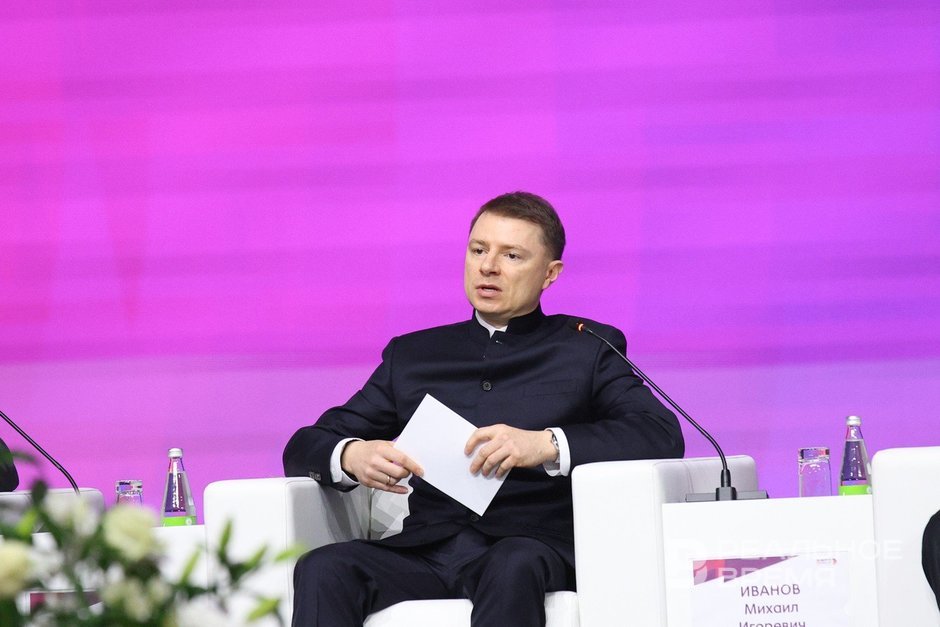
Deputy Minister of Industry and Trade of the Russian Federation Mikhail Ivanov had to answer the question of whether power engineering enterprises can supply generators with gas turbines. Seven large-capacity GTE units are planned to be manufactured this year, with Nizhnekamsk CHPP among the recipients. According to him, the country produces 19 types of gas turbine equipment in the power range from 2 to 170 MW. Only five countries in the world are capable of producing high-tech power equipment, he noted.
— But Power Machines needs a long-term planning horizon of 10 years, — the Deputy Minister pointed out. In this case, enterprises will be able to launch new products. Last year, power engineering enterprises showed a production volume growth of 10%, and production volume reached nearly 1.4 trillion rubles, with a market of 1.5 trillion rubles.
Ruslan Gizzatullin, responsible for generation at SIBUR, argued that distributed generation is a boon for large-scale production. “Electricity consumption for 2025 amounted to about 6 billion kWh and more than 4 billion kcal of thermal energy. With such consumption volumes, we cannot afford to treat the energy system and energy supply solely as consumers," he said.
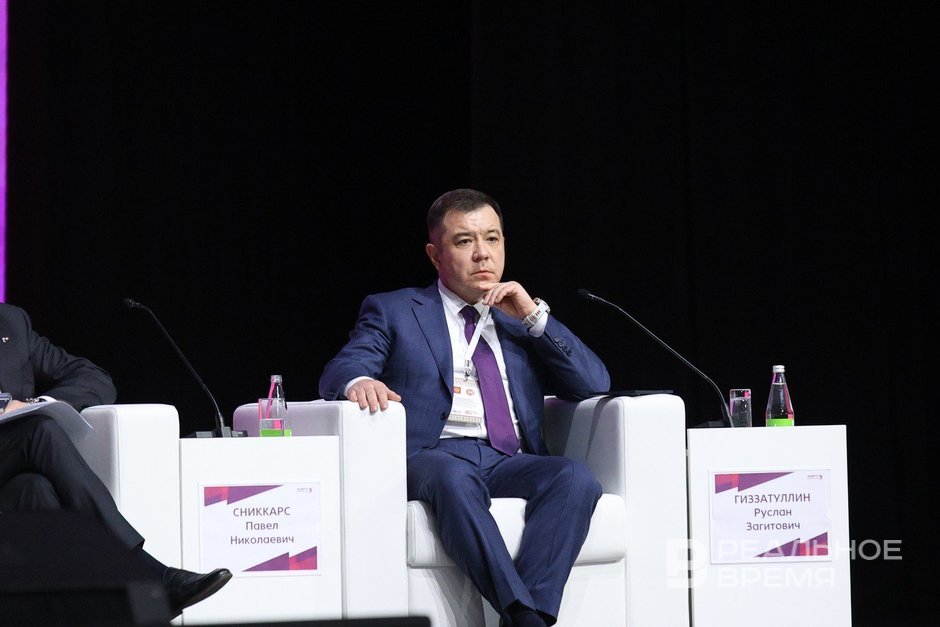
It is precisely in this regard that SIBUR has an integrated and fairly powerful energy infrastructure at its enterprises, including about 63 substations with voltages from 110 to 500 kV.
— We see that distributed energy is precisely what allows us to solve many such problems. The facilities being commissioned in the SIBUR group are being commissioned in accordance with the standards of the system operator. In the event of emergencies, we have the ability to ensure the stability of the energy system and support it, — he said.
Ruslan Gizzatullin sees the development of alternative generation in creating additional incentives when the owner has the opportunity to sell surplus electricity on the retail market, or surplus capacity on the wholesale market, when the consumer moves from the category of only a consumer from the energy system, and also becomes a generator, thereby establishing more complex relationships with the energy system, — he concluded.