“Acceleration must be sought not in soft credit policy”: Central Bank responds to economic slowdown
Elvira Nabiullina holds rehearsal with parliamentary factions ahead of annual report in the Duma
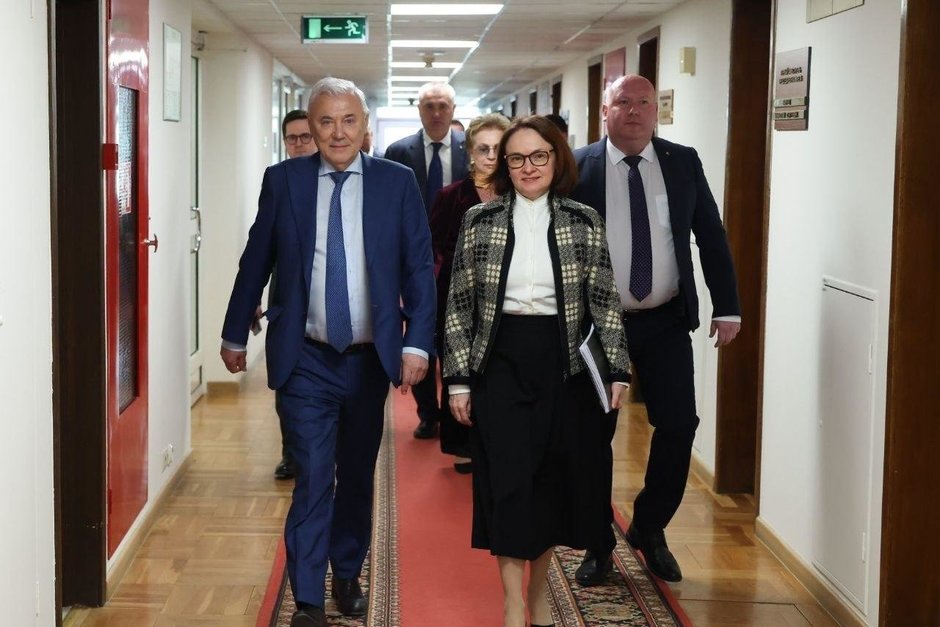
Representatives of State Duma factions approved the results of the Central Bank's work in curbing inflation to 5.6%, presented by Central Bank Governor Elvira Nabiullina ahead of her parliamentary address. However, they noted that the Russian economy has experienced “some slowdown," causing it to lag behind EAEU countries in growth rates. But the Central Bank Governor insisted that businesses should develop not only through cheap loans but also through attracting equity capital. In her opinion, the acceleration of economic growth should be sought not in soft monetary policy, which leads to rising prices, but in incentives to increase labor productivity. More details in this report by Realnoe Vremya.
Inflation in the country fell to 5.6%
On the evening before, Central Bank Governor Elvira Nabiullina came to the State Duma to participate in a joint meeting of committees to review the Bank of Russia's annual report for 2025. Tomorrow, March 26, she is scheduled to give a detailed presentation at a plenary session of parliament and will likely have to answer tricky questions about the state of the Russian economy. Therefore, the meeting with representatives of party factions can be considered a kind of rehearsal before the main event. The Central Bank Governor arrived for the consultation meeting with almost all members of the regulator's Board of Directors, including Alexey Guznov (responsible for macro forecasts), Philip Gabunia (insurance market), and Mikhail Mamuta (responsible for security and protection of borrowers' rights).
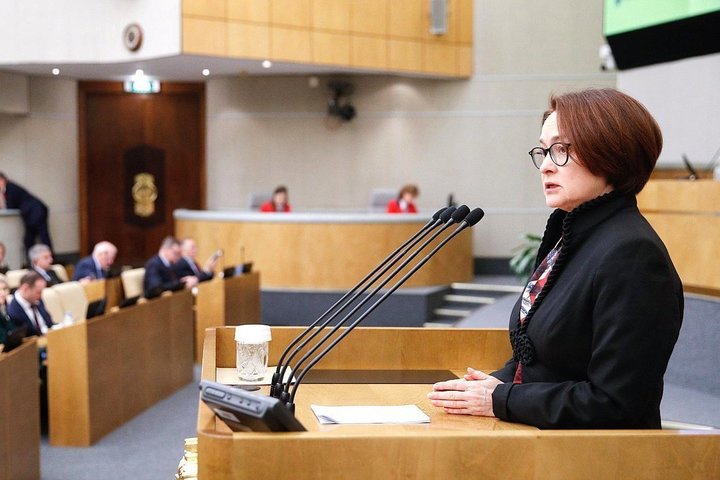
The Central Bank Governor immediately got down to business, reporting on the results of the fight against inflation. Keeping it within acceptable limits is one of the key tasks for regulators worldwide. By the end of 2025, inflation in Russia fell to 5.6%, the lowest level in the last 5 years, Elvira Nabiullina reported.
Moreover, it took 5 years to tame inflation in the country, starting in 2021. “Entering last year, we had double-digit price growth (in terms of current inflation) of 15% (annualized). Before that, inflation was accelerating rapidly. In response, we raised the key rate, reaching 21% in December 2024," she said.
According to her, the Central Bank faced a barrage of criticism from all sides, with doubts expressed that the rate could be an effective tool in combating galloping inflation. However, the leadership of the Bank of Russia insisted on a consistent policy of tightening monetary policy, resulting in a downward turn in inflation.
Why monetary policy easing was slow
Elvira Nabiullina particularly emphasized that “bringing down inflation at any cost” was not the goal. The Central Bank charted a course to return “smoothly, without shocks and without overshooting to the downside.” She explained the caution in reducing the key rate as a risk of renewed inflation acceleration.
— Of course, there are ongoing debates that the key rate should be lowered faster, — the Central Bank Governor argued, as if in absentia. At the insistence of State Duma Deputy Speaker Alexander Zhukov, three economic development scenarios were calculated.
Two of them involve monetary policy easing. “If the key rate had been lowered immediately to 3%, as some propose as an international benchmark, or to 6%, roughly the current inflation level, we would have seen classic hyperinflation in the first scenario or price growth in the tens of percent," she said.
On the other hand, the economy would have received an impulse to grow, but would then have quickly choked on rising prices. “In the long term, this experiment would result in losses for the economy. Long-term GDP growth would be much worse than with low inflation," Elvira Nabiullina is confident.
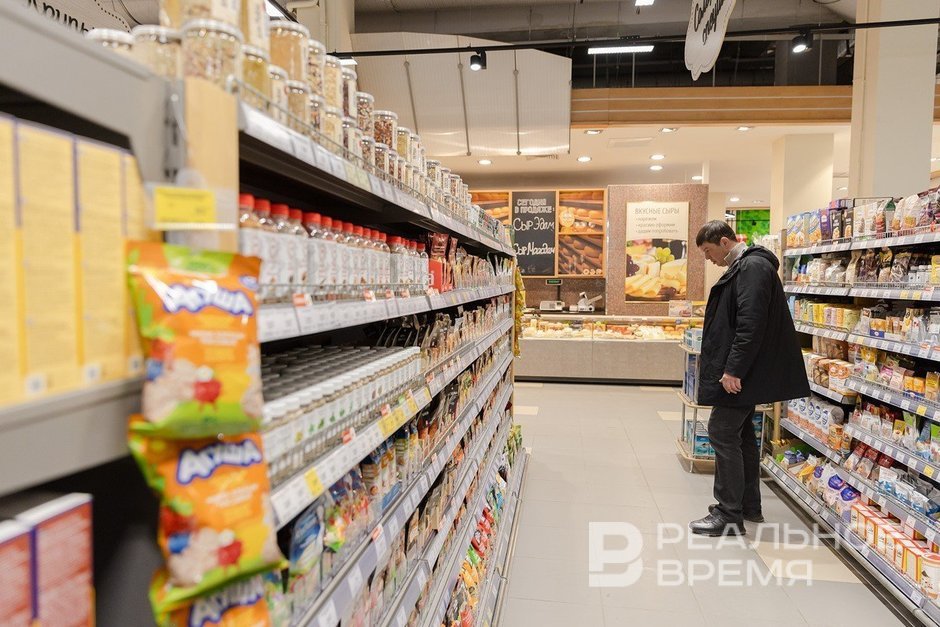
The Central Bank Governor assured that the key rate would continue to decline this year amid slowing inflation. According to the Central Bank's forecast, the overall price level increase by the end of the year will be 4.5–5.5%. It is worth noting that industry showed near-zero growth at the end of 2025.
Elvira Nabiullina saw the benefit of tight monetary policy even when the VAT rate was raised from 20% to 22% on all domestically produced goods. In her assessment, the tax changes did not lead to a new round of price increases, contributing just over 1% to inflation.
At the same time, the economy did not suffer severe consequences from the tight monetary policy, the Central Bank Governor believes. Net profit of enterprises for the year amounted to 27 trillion rubles, while investments also remained at a high level — 42.6 trillion rubles. Banks issued loans to companies and participated in bonds worth 11 trillion rubles. Objectively speaking, profit was 4% lower than the previous year. However, the bulk of last year's profit decline came from the fuel and energy sector, Elvira Nabiullina acknowledged. This decline was attributed to falling global oil prices and sanctions.
— In many other sectors oriented towards domestic demand, profits were growing. This means that the resources for development are there, — she concluded.
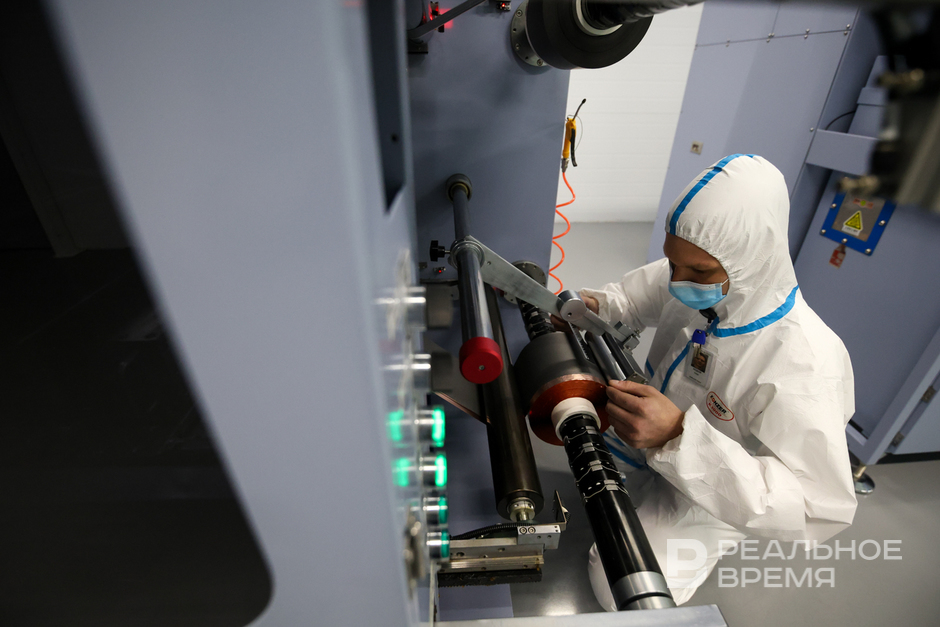
— Acceleration of economic growth, in our view, must be sought not in soft monetary policy, which leads to rising prices, but in incentives to increase labor productivity, — she noted. In her opinion, many international companies attract equity capital, rather than building their business solely on loans.
How to avoid bankruptcy
— Many metallurgical enterprises are shutting down production. Workers are left without regular income but with mortgage loans. What advice can you give to these people? — was the first question from State Duma deputies.
— There is an option to take credit holidays for six months without accruing additional interest, — the Central Bank Governor replied. The borrower must prove a decrease in income. Experience shows that within six months, the vast majority find work and return to normal loan servicing.
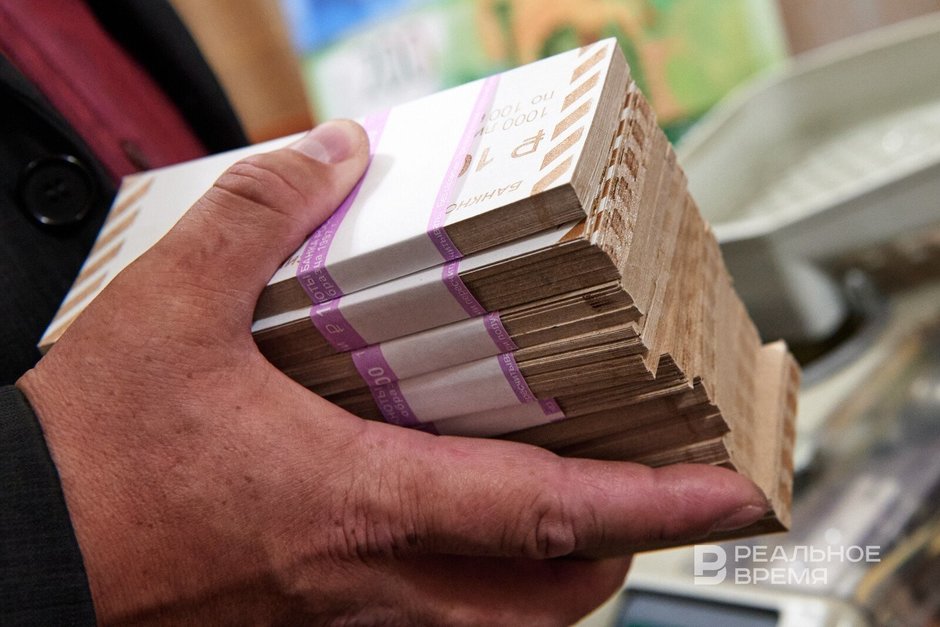
— Currently, a significant number of enterprises, corporate clients, individuals, as well as financial institutions and organizations, are facing a serious liquidity shortage. This leads to pre-bankruptcy and bankruptcy conditions, creating a negative economic and social backdrop, especially for individuals, — Deputy Sergei Gavrilov continued the theme.
According to him, rehabilitation and restructuring procedures were introduced, covering both pensioners and certain categories of citizens, as well as mortgage borrowers. But the situation with satisfying creditor claims remains extremely difficult: only 6% of claims are satisfied, and less than 1% are in the rehabilitation stage.
What to do? The Central Bank Governor responded by saying that the problem needs to be addressed before bankruptcy occurs through restructuring; afterwards, it is too late for all parties.
Why oil companies were asked to pay off debts
Deputy Sergei Altukhov asked about the Central Bank's stance on the legalization of crypto exchanges. Currently, financial authorities allow qualified investors to use cryptocurrency in foreign economic activities. But it is insufficient to meet the needs of enterprises, including for foreign economic activities. They have to attract funds from outside. “What is your opinion on the legalization of exchanges, at least within the framework of an experimental legal regime? What economic effect do you expect from such legalization if it is supported?” he asked.
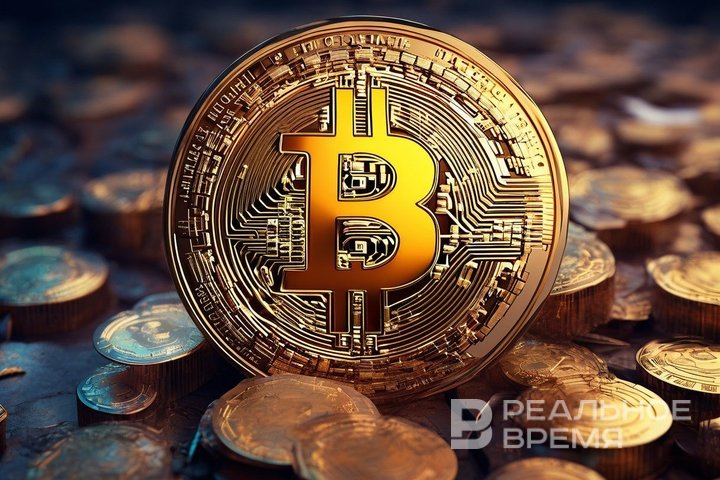
Here, the Central Bank Governor showed a liberal approach, stating that “we need to give opportunities to both” (i.e., banks, brokers, etc.). “Moreover, we believe this should be done not within an experimental legal regime, but through general regulation," Elvira Nabiullina said.
Another deputy asked to explain why Russian oil companies were recommended to pay off their loan debts. The Central Bank Governor replied that the current market conditions are favorable, and their debt amounts are quite large. Banks will be able to use the funds received from them to lend to new borrowers. “It's simply a prudent management of money," she reasoned.
For conscious cooling
However, most of the dialogue revolved around assessing the impact of tight monetary policy on the Russian economy. According to parliamentarians, industry showed lower growth rates than in the EAEU countries. Valery Gartung, Chairman of the State Duma Committee on Competition Protection, representing the “A Just Russia” faction, noted that the country lives and works under the conditions of the Special Military Operation, so it needs strong muscles. “You deserve praise, but that's not enough given the Central Bank's capabilities," he said.
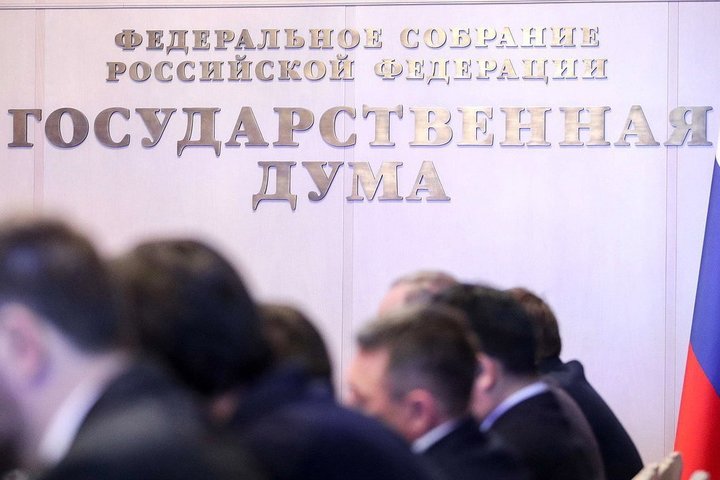
— If the key rate had been lowered to 15% in 2025, that would have been normal. But now businesses are expecting 12%, and until that happens, serious investments should not be expected, — he criticized the Central Bank for its slowness in responding to the economic downturn.
In his opinion, enterprises are experiencing a liquidity shortage, but relying on attracting equity capital is not the best path. “Investors won't line up for shares of the Solikamsk Magnesium Plant," he said, indicating that private investors are interested in blue chips, not shares of small enterprises.
State Duma Deputy from Tatarstan Maxim Topilin, representing the United Russia party, acknowledged that there is currently some slowdown in the economy, but it is a conscious cooling. This is done in anticipation of future quality growth, and it also supports the Central Bank in restructuring mechanisms to stimulate investment. Consequently, the deputies approved the Central Bank's report without comment.