“Charlie and the Chocolate Factory” under ban: how Roald Dahl's books were censored
Book of the week — the novella by British classic Roald Dahl “Charlie and the Chocolate Factory”

Today, September 13, marked 110 years since the birth of Roald Dahl. His books have sold more than 300 million copies and been translated into 68 languages of the world. But the louder the fame, the louder the scandals around his name. Accusations of racism caught up with “Charlie and the Chocolate Factory” back in the early 1970s, when the book was being prepared for a film adaptation. And in 2023, the publisher Puffin rewrote hundreds of words in Dahl's books and provoked a new wave of accusations, now of absurd censorship. The literary reviewer of “Real Time” Ekaterina Petrova sorts out how the text of “The Factory” changed since 1964, which other of Dahl's heroes were affected by the edits and how the many-year war over words ended in the end.
Roald Dahl: a “good wizard” with a dark side
Dahl was born on September 13, 1916 in Llandaff, in Wales, into a family of Norwegian immigrants. After graduating from college in 1934, he got a job at the Shell company, where in 1936 he was sent to East Africa, to the territory of present-day Tanzania. With the outbreak of World War II in 1939, Dahl quit Shell and enlisted as a volunteer in the Royal Air Force. Already a year later, during an emergency landing in the Libyan desert, the future writer received severe injuries: his skull was fractured and his nose was damaged, and he also temporarily went blind. After the war, Dahl took up writing. He started with stories for adults and only a decade and a half later moved on to children's books.
By the standards of the time, Roald Dahl wrote boldly and irreverently. In his stories, adults are presented as cruel and hypocritical, and children defeat them with the help of imagination and black humor. Such an approach to depicting heroes attracted the attention of readers and brought the writer world fame. Dahl became one of the most recognizable children's authors of the 20th century. But the “good wizard” had his own skeletons in the closet. In 1983, in an interview with New Statesman magazine, Dahl stated:
— There is a trait in the Jewish character that provokes hostility, maybe it is a certain lack of generosity toward non-Jews, — and added that “even such a scoundrel as Hitler did not pick on them for nothing.”
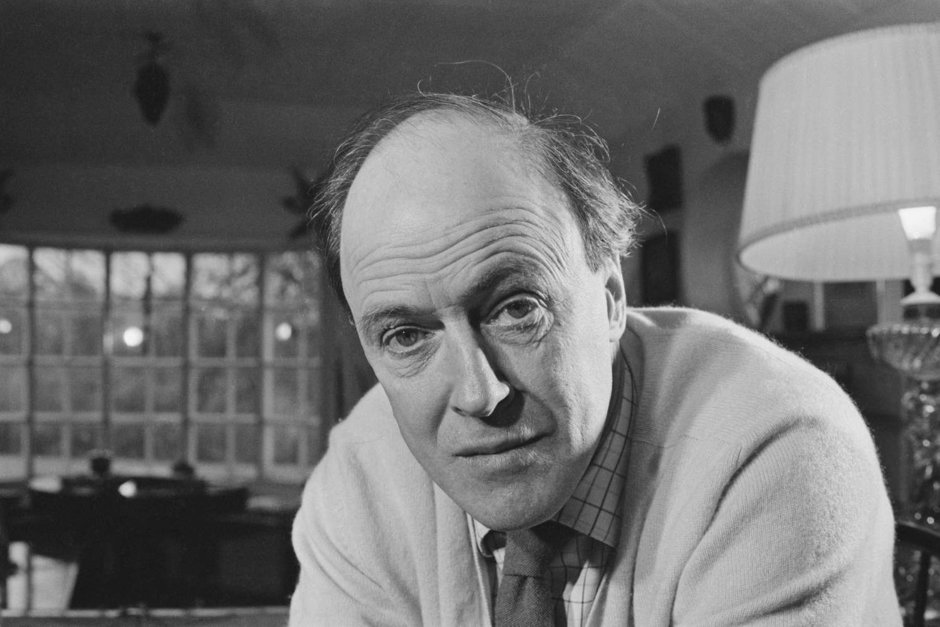
Almost forty years later, in 2020, Dahl's family and the company that managed the writer's legacy apologized for this statement. They said that these words caused “long-lasting and understandable pain.”
“Charlie and the Chocolate Factory”: the first scandal — the Oompa-Loompas
The novella about Charlie Bucket, a poor boy who wins a golden ticket to the factory of the eccentric confectioner Willy Wonka, was published in 1964 by Alfred A. Knopf. Sales started modestly — only 5 thousand copies in the first year, but then grew to 125 thousand copies annually. Today “Charlie” is Dahl's best-selling book: more than 20 million copies sold worldwide.
Few remember that Dahl conceived the first Charlie as a dark-skinned boy. The literary agent decided that a black hero would not please readers and forced the author to change the character. But the racial question did not go away, it simply moved to other heroes of the book. In the original 1964 text, the Oompa-Loompas (Wonka's factory workers) are described as African pygmies. Wonka “orders” them from the depths of Africa and brings them to the factory in packing crates. In their native jungles they starved and fed on crushed caterpillars and tree bark. In essence, this is a disenfranchised labor force that receives only shelter and cocoa for its labor.
In the early 1970s, on the eve of the release of the 1971 film adaptation, the book was noticed by the National Association for the Advancement of Colored People (NAACP). The organization accused Dahl of racism and saw in the story of the importation of the Oompa-Loompas from Africa direct parallels with slavery. At first Dahl argued with the critics and even compared their position to the Nazi one. But then he changed his mind:
— It never occurred to me that the depiction of the Oompa-Loompas was racist, but it occurred to the NAACP and the others. After listening to the criticism, I found that I agreed with it, and so I rewrote the book, he admitted later.
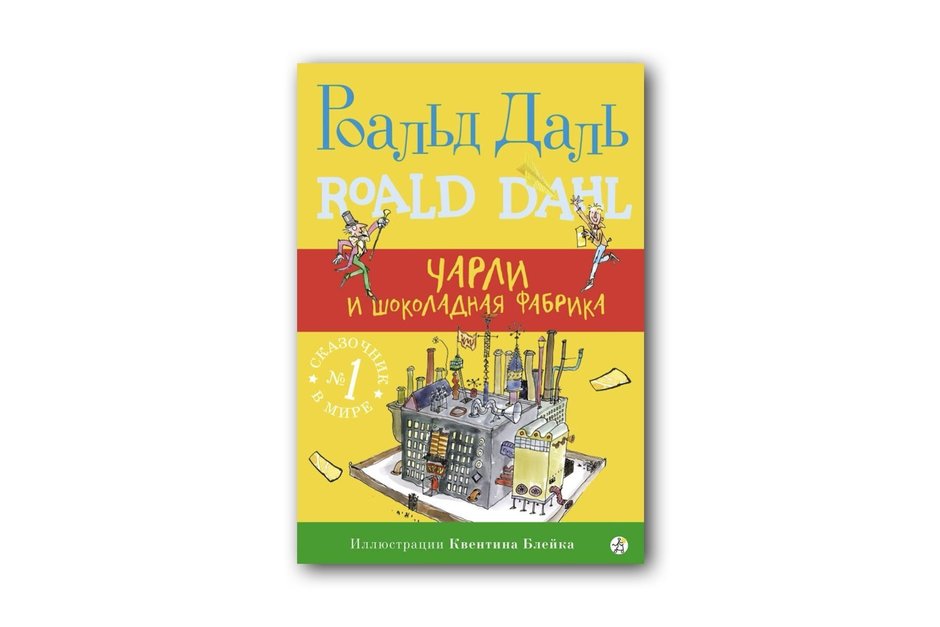
In 1973, simultaneously with the sequel “Charlie and the Great Glass Elevator," a new version of “The Factory” was published. In it, the Oompa-Loompas turned into pink-white little people with golden-chestnut hair, native to the fictional country of Oomplandia, and not from Africa. But the edit did not close the question. Researcher Catherine Keyser in an article for Modern Fiction Studies asserts: even the “cuteness” of the Oompa-Loompas justifies forced labor and white supremacy. After being recolored pink, they simply ceased to read as victims of slavery and turned into cheerful elves, whom one does not necessarily have to sympathize with.
2023: “sensitive readers” take on Dahl
In February 2023, a short note appeared on the title page of new editions of Dahl:
— Words matter. This book was written many years ago, and we regularly review the language so that it can be enjoyed by everyone today too.
Behind this phrase stood large-scale work. The publisher Puffin Books, a division of Penguin Random House, together with the organization Inclusive Minds (a collective of “sensitive readers” who deal with issues of inclusivity in children's literature) rewrote hundreds of passages in Dahl's books. The review began back in 2020, when the Roald Dahl Story Company was managed by the writer's family, and was completed after the sale of the rights to Netflix.
In “Charlie and the Chocolate Factory," Augustus Gloop was the main one to get it. The glutton, whom Dahl called “incredibly fat," turned simply into “enormous.” The changes also affected the Oompa-Loompas; in the new edition they became gender-neutral characters.
But Wonka's factory is only part of the big edit. In “The Witches” (1983), the woman who pretended to be an ordinary person is no longer a “cashier in a supermarket or a typist," but a “leading scientist or business owner.” The definition “old hag” was replaced with “old crow.” From “Matilda” (1988), “The Twits” (1980) and “James and the Giant Peach” (1961) they removed words connected with weight, appearance, mental health and race. For example, Aunt Sponge turned from “madly fat and incredibly flabby” into a “disgusting old beast who deserves to be squashed by a fruit.” And in “Fantastic Mr. Fox” (1970) the word “black” disappeared from the description of the tractors. Now they are simply “cruel, beastly-looking monsters.”
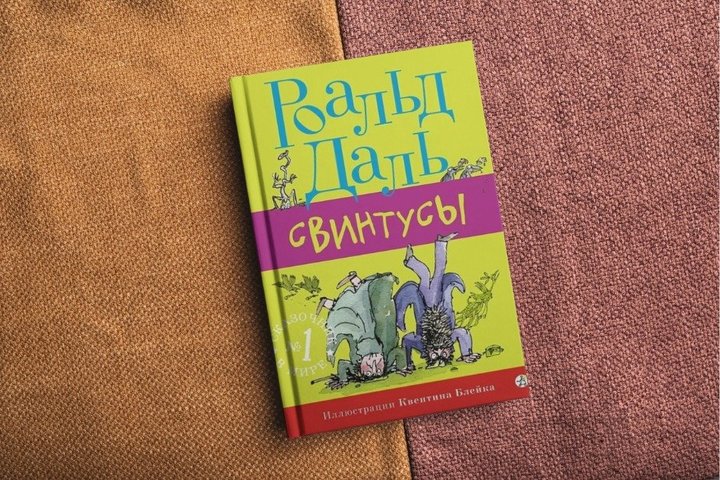
The scale of the edits turned out to be impressive. A journalist of The Daily Telegraph read the new editions of the books and compared them with the previous versions. He counted 59 changes in “The Witches” alone; in the rest of Dahl's books hundreds of edits were made.
“Absurd censorship” and “inclusivity”
The first to speak about the absurdity of the censorship of Roald Dahl's books was Salman Rushdie.
— Roald Dahl was no angel, but this is absurd censorship. Puffin Books and Dahl's heirs should be ashamed, he wrote on Twitter.
In 2023, the Prime Minister of Great Britain was Rishi Sunak, who also spoke out in defense of Dahl's books. His representative stated that the prime minister “agrees with the BFG [the 'Big Friendly Giant'] that one should not gobblefunk with words.” The statement also said that literary heritage must be preserved, not retouched. The head of PEN America, Suzanne Nossel, also spoke out against censorship. She called the edits an attempt to “cleanse the books of everything that might offend someone.” But the writer Philip Pullman proposed a radical solution. He believed that if Dahl's books offend someone, they should not be rewritten, but simply no longer published.
The publisher Puffin and the Roald Dahl Story Company tried to defend themselves from the attacks of the public. Representatives of the publisher and the heirs said that the changes were “small and carefully thought out," made with the aim that “Dahl's wonderful stories and characters continue to delight all children.” Besides this, the company justified its decision by the fact that revising language when reissuing old books is a common practice.
And, as usual, no one asked the opinion of the main readers of Dahl's books — children and teenagers. Researchers decided to fill the gap. In 2025, the journal Children's Literature in Education published a work based on eight discussion groups with the participation of 73 teenagers from three British schools. The conclusion turned out to be unexpected. Young readers demonstrated “a high level of insight and understanding” of the debates about censorship, in many ways not inferior to adult “experts," but their opinion never entered the media noise.
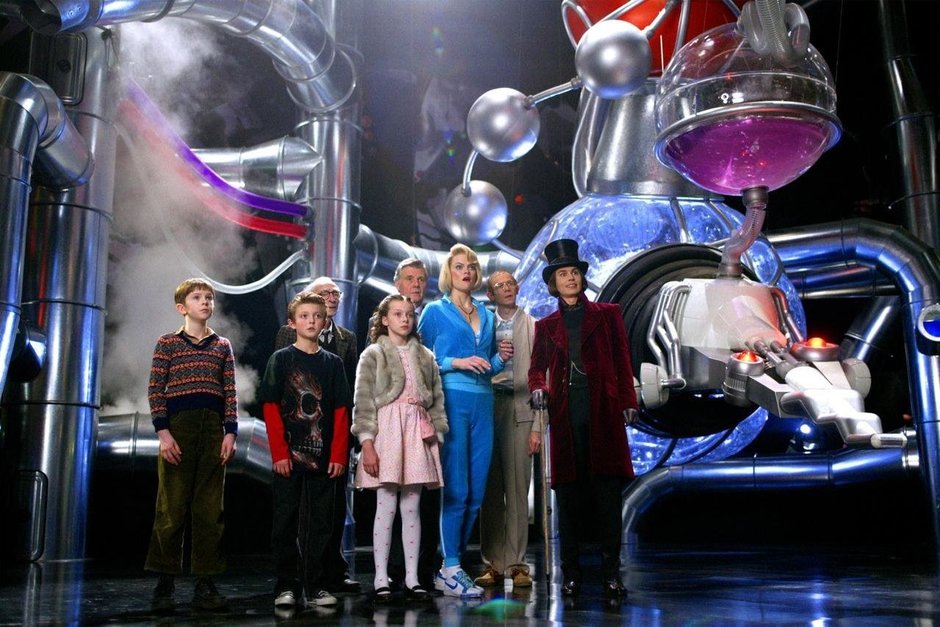
After a week of unceasing criticism, the publisher backed down. Puffin announced the release of The Roald Dahl Classic Collection. These are series of 17 original, unedited books by Dahl, which will be published under the Penguin label, in parallel with the revised Puffin versions.
— We recognize the importance of keeping Dahl's classic texts in print. By offering both the Puffin and Penguin versions, we give readers the opportunity to choose how they want to interact with Roald Dahl's magical, amazing stories, stated the managing director of Penguin Random House Children's UK, Francesca Dow.
In France, the publication of Roald Dahl's books is handled by the publisher Gallimard. There they refused to change anything at all in the texts. “It was not even discussed," the publisher told the France Presse agency. By the way, the writer himself during his lifetime categorically objected to edits of his texts. In a conversation with the artist Francis Bacon, he once threatened: if after his death the books began to be rewritten, he would “send a huge crocodile to devour them.”
The story with Dahl is a collision of two conceptions of the book. On the one hand, it is an unchanging cultural artifact. And on the other — a living text that can and should be adapted to new norms. Some see in Puffin's edits cultural vandalism, others remind that children's literature has always changed. For example, “Doctor Dolittle” by Hugh Lofting and the early books of Dr. Seuss also went through dozens of editions for the sake of relevance. At the same time, the original text of “Charlie and the Chocolate Factory” will pass into the public domain of the USA in 2060. After that anyone will be able to reissue the book in its very first, unedited form, with the African “pygmies” and the “fat” Augustus Gloop.
Publisher: “Samokat”
Translation from English: Elena Baron, Mikhail Baron
Number of pages: 192
Year: 2021
Age restriction: 6+
Ekaterina Petrova — literary reviewer of the online newspaper “Real Time," host of the Telegram channel «Булочки с маком».