“And everything went flying” — writers, poets, playwrights on war's start in diaries
To the 85th anniversary of the start of the Great Patriotic War
On Sunday, June 22, 1941, ordinary life ended for millions of people in a matter of minutes. Some had been expecting war and were not surprised by the news on the radio. Others did not believe what was happening until the very end. Others simply could not find the words to describe the first day of the catastrophe. The literary critic of Realnoe Vremya, Ekaterina Petrova, studied diary entries for June 22, 1941 from the archive of the “Prozhito” project and selected testimonies from writers, poets, and playwrights. There turned out to be few such entries. Most authors returned to their memories of the beginning of the war later, when they were able to comprehend what had happened. But it is precisely these notes that allow us to see that historic day through the eyes of people who did not yet know that four years of war lay ahead of them.
Poet, prose writer Olga Berggolts (at that time 31 years old):
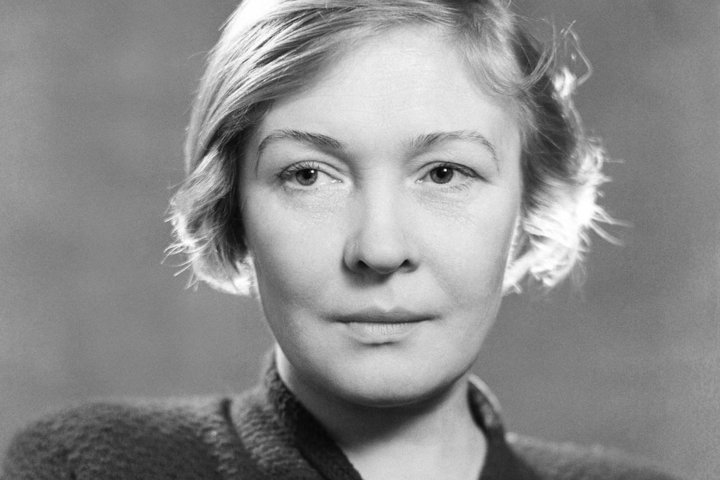
22.06.41
14:00. WAR!
Playwright, screenwriter, translator, editor Andrey Makayonok (at that time 20 years old):
Today the war with Germany began. The “civilized” world has entered the massacre of the Middle Ages. In the twentieth century! The loudspeaker rasped: “Attention! Attention! Moscow speaking. Moscow speaking.” People fell silent.
War! People, as if stunned, as if paralyzed, grew quiet, although the loudspeaker was already silent. The heart felt something new, unknown. They stirred, they made noise. It has begun! It has broken through! War with Germany is no joke. Dark rumors crawl out of basements and spread with elusive speed. And most of them are believed out of habit. A rally. Speeches. Not eloquent. Some cannot express what they want to say. But they want to. They understand the seriousness of the war.
By evening, everyone is waiting for news from the front. Every wheeze of the loudspeaker draws hundreds of people like a monstrous magnet. What? How? But nothing is known. Those who seemed too bold now falter. The frivolous either throw their hats in the air or panic. The cold-blooded remain cold-blooded.
Writer, playwright, translator, teacher, best known as the author of the “Wizard of the Emerald City” book series, Alexander Volkov (at that time 50 years old):
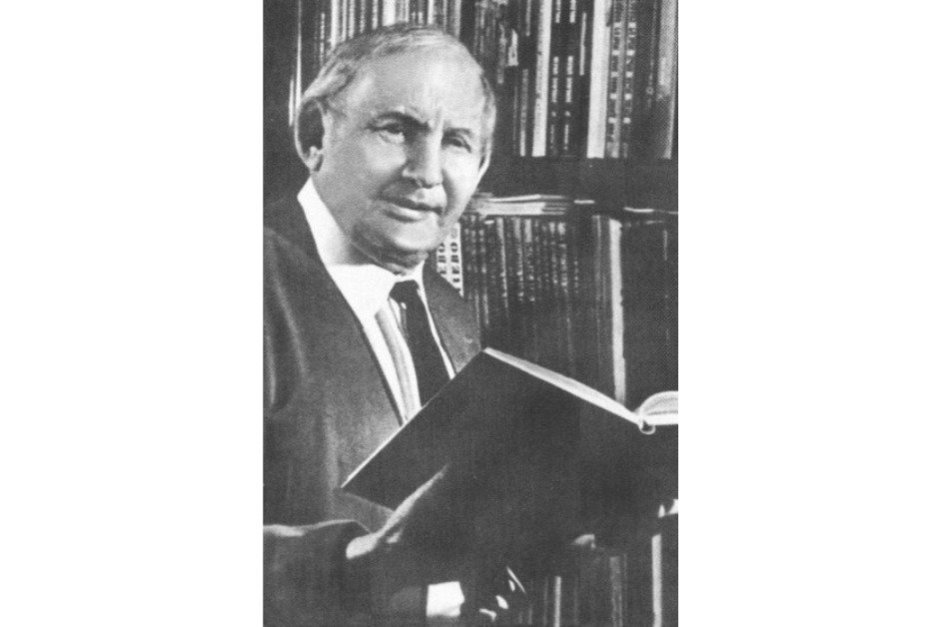
22.A formidable and decisive day! Germany attacked the USSR without declaring war... We suspected nothing until about 11:30; then Borya said he had heard a broadcast from Germany (in English) reporting that Germany had mined the Baltic and Black Seas in response to the USSR massing troops on the western border. The air immediately smelled of gunpowder, and when a few minutes later Galyuska ran in and said that Molotov would speak on the radio, there was almost no doubt left about what was happening.
And so at 12:15 on June 22, 1941, the first words of Vyacheslav Mikhailovich rang out: “Today, at 4 o'clock in the morning, German aircraft crossed the Soviet border...”
Cursed fascists! And all the time of peace with them, I felt nothing but hatred for them...
Hitler will learn the fate of Napoleon, but the war will be cruel and terrible...
I have just seen Borya off, who went to report to the assembly point.
So the peaceful days ended. I don't even want to sit down and finish typing the play, but I must. Life must go on as usual. <...>
Be that as it may —
This will be the last
And decisive battle!
What an anxious and momentous time we live in...
Documentary writer, professor, local historian Valentin Baranov (at that time 17 years old):
11:00. I have just been to a rally. The unexpected news stunned everyone. On the night of June 21–22, German troops unexpectedly attacked our country. Sevastopol, Zhitomir, and a number of other cities were bombed by German aircraft. Many people cried at the rally.
Writer Anatoly Rybin (at that time 25 years old):
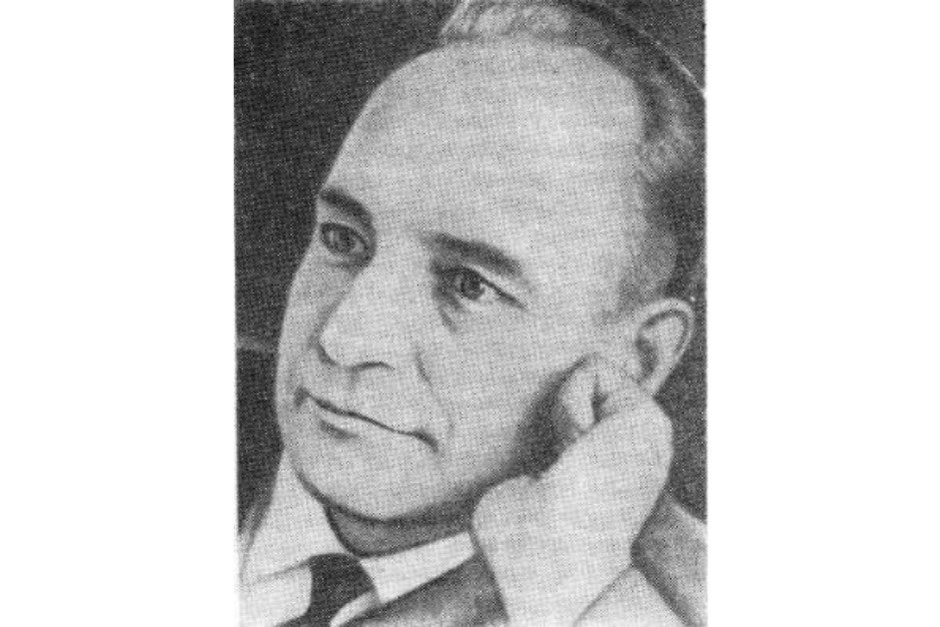
<...> I had my own plan for the day off — to finish an already-started essay about tank crews, commissioned by the editorial office of the newspaper of the Kiev Special Military District. But how could one resist the mesmerizing silence of a warm June night? And I agreed:
— Okay, let's go fishing immediately, right now!
We gathered quickly, in about half an hour, and set off along the bank, choosing a more comfortable spot. By the light of a hand-held lantern, we dug up worms and cast our rods. We listened for a long time: had the command set up anywhere nearby? But it was quiet all around.
Before dawn, the fish began to bite. In just over an hour, we caught two pots of perch. We were already getting ready to light a fire to start cooking fish soup when suddenly we heard the alarming call of an army bugle from the nearby camps located on the opposite bank. Running up a hill, we saw thick dust raised by vehicles on all the nearby roads. An unfamiliar plane howled intermittently in the sky. It flew at a high altitude and quickly disappeared from view. An anti-aircraft gun fired three times.
— Looks like big exercises are starting, — Mikhalsky suggested.
— No, — I doubted, — for exercises, the division always left more calmly, but now there's a lot of incomprehensible bustle and this strange plane?..
But then Sergeant Major Ivan Zhigun, the head of our printing house, ran down from the distant hill, excited, his face flushed from running.
— War! — he shouted in an alarmed voice. — The division is preparing to move out! The editorial office has also been ordered to be placed on combat alert!
Throwing down our rods and pots, we rushed to the town. I found my wife Lena in tears. She could barely speak:
— What will happen now? What now?
We were most worried about her situation. She was left alone with her young son Oleg and was expecting the birth of a second child. I began to calm her down as best I could, trying to convince her that we had a non-aggression pact with Germany, and that this was probably some kind of provocation or mistake.
— It would be good if so, — my wife replied, wiping away tears. — It would be good...
I ran to the editorial office. Near the old white mansion where the corps headquarters was located, Major General Rokossovsky stood and explained to staff officers:
— This is war, comrades, a real one. There are no clear instructions from the high command yet. However, we must be prepared for the most difficult. We will act in our own direction. And the main thing is communication with neighbors, remember! Establish communication by any means and don't lose it. <...>
***
Now at the corps headquarters, I observe what is happening around me, trying to understand the actions of the corps commander himself. And I manage to learn that at four o'clock in the morning, when we were blissfully fishing, the duty officer woke Rokossovsky and handed him a telephone message with an order to immediately open a special secret operational package kept in the safe. But the order was signed only by the deputy chief of the army's operations department, whereas the package was supposed to be opened only by order of the Chairman of the Council of People's Commissars or the People's Commissar of Defense.
However, the corps commander took full responsibility upon himself and, without the slightest sign of confusion, ordered the package to be opened. It directed the corps' units to immediately move out to meet the enemy in the direction of Rovno — Lutsk — Kovel. But this directive was addressed to a fully formed and trained corps, while some of its units were still without weapons and personnel. There was a shortage of vehicles, tanks, and ammunition.
In this critical situation, Rokossovsky, without the slightest hesitation, made a new decision. Under his personal responsibility, he opened the supply warehouses at the disposal of the higher military authorities. And those present saw with what calculation and confidence our corps commander acted, giving instructions and orders. And to those who doubted something, he said, without raising his voice: “An order is an order, comrades. It must be carried out; we'll sort things out after the war.” <...>
Playwright Dmitry Shcheglov (at that time 43 years old):
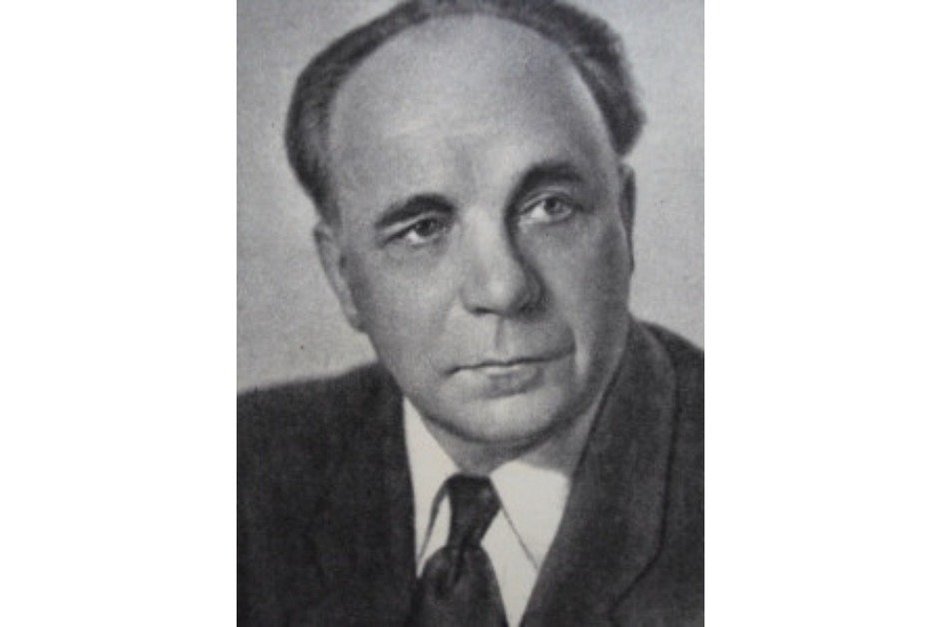
On this calm Sunday morning, June 22, everyone in the house woke up very early, as usual. The air still held the freshness of the night, and coolness streamed through the open windows.
Just yesterday I had returned from Petrozavodsk from the premiere of my new play “The Treasure of Sampo.” In the train compartment, there were two officers: a colonel and a spry major — and their acquaintance, a sharp-eyed woman who added “exactly” to every phrase. They spoke meaningfully about the transfer of Hitler's troops to Finland and that this did not bode well for us.
— It's unlikely that Germany would dare to attack the Soviet Union during a war with Britain and France, — I objected.
They evasively, but without hiding their concern, pointed out that such troop movements could not be merely a demonstration. The commanders spoke seriously and convincingly, and perhaps that is why their conversation left me with a feeling of unease for the future.
By ten o'clock, my wife had left for her theatre, and complete silence fell in our small rooms. About two hours later, the phone rang, and her excited voice sounded in the receiver:
— Do you already know?
— What exactly?
— Germany started a war today!
— A war? With whom?
— With us!
We were both silent for a few seconds, and then my wife said sternly:
— I am very busy. I've been called to the district party committee.
The receiver clicked. I continue to sit, telling myself: calmly, perhaps this is just an assumption.
The ticking of the wall clock makes the room cozy and quiet, and it is impossible to imagine that somewhere battles are being fought. It can't be! But then it was announced on the radio: at twelve, there will be a government announcement. So it's true! The metronome sounds intrusively, steadily. There are only two of us near the loudspeaker: my daughter and I. We both wait tensely. And then, at last, we hear: today, at 4 o'clock in the morning, without presenting any claims to the Soviet Union, without declaring war, German troops attacked our country...
My daughter asks:
— What should I do?
— For now, continue doing what you did every day.
Prose writer, screenwriter, playwright, publicist, war correspondent during WWII, Arkady Perventsev (at that time 36 years old):
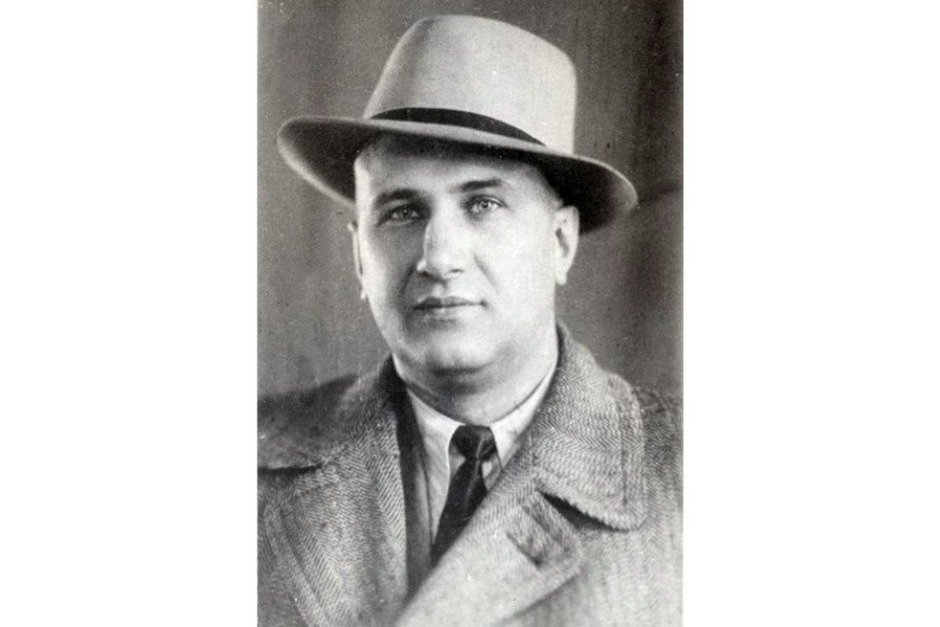
June 22, 1941. Peredelkino
Today at 10 o'clock in the morning I was lying in bed, suffering from sciatica. Verochka was reading Arsenyev's “In the Sikhote-Alin Mountains” by the window. One by one, Nina Kirillovna, the accountant of the House of Creativity, Yuri Libedinsky and his wife walked into the dacha yard. A few minutes later, Pavel Filippovich Nilin bursts into our room without knocking, wearing a blue robe and with a gray face.
— We are at war with Germany. Molotov spoke on the radio...
He ran downstairs, where Libedinsky and others were already gathered.
— The Germans bombed Kiev, Kaunas, Zhitomir, Sevastopol and other cities...
It became cold and frightening. The war had come clearly.
Anxiety was written on all faces. Everything was unexpected and terrifyingly swift. It has begun! The great trial by blood. <...>
Verochka was pale and upset. I saw tears in the corners of her eyes. War! War with an enemy that had victoriously marched through all of Europe. Molotov spoke of Napoleon. The analogy with Napoleon. But then, besides the Patriotic War, we retreated all the way to Moscow.
Shmulevich ran in (the director of the House of Creativity — editor's note). He was upset. We decided to go to Moscow. For the first time, we listened to a broadcast of Comrade Molotov's speech. This is the document of the beginning of the great trial of the Motherland. “Our cause is just. The enemy will be defeated. Victory will be ours.”
At 4 o'clock, Nikolai Ivanovich came (the writer's driver — editor's note). He quickly fixed the car. We drove up to the House of Creativity. Alyosha Ovchinnikov was packing mattresses and things into his car, getting ready to take his family to Moscow. Why? He was preparing for conscription. Os'kin came out (the director of the Literary Fund — editor's note). He is riding with us. [Konstantin] Paustovsky is riding with us. He heard Hitler's speech: "...the Bolsheviks did not fulfill the pact, did not return to Germany the five battleships that were being built on their shipyards... I will destroy this Jewish-communist state.”
Anti-aircraft guns are already in place. Nothing reminds one of war. A cool day, clouds in the cool blue sky, a solid clean highway. We are flying fast. Here is Moscow. On the streets near shops, we see the first queues. Otherwise — everything is as before. <...>
The theatre called. Boyadzhiev (a director at the Central Theatre of the Red Army — editor's note). We will come to you. I'm waiting. They arrived. Verochka can no longer buy sugar. We are left without sugar and with 10 rubles in our pocket. But these are all trifles. <...> Kandybin called (the commissar of Civil War brigade commander Ivan Kochubey — editor's note). “Well, here it comes, Arkady.” — “Come over.” — “I can't, I'm on duty.” We talked, both boasting of our battle composure. <...>
We decided to stop by the Mayakovskys' to boost their spirits. We found them all at home. Olya was covering the windows. Everyone was upset. Even Olya, who is always strong-willed. Auntie has red eyes and streaks on her cheeks. I kissed her, feeling her hot lips. “The time has come to die," she said. I consoled her, but it didn't help much. Lyuda is cheerful, but it's not easy for her either. We had some tea, borrowed 100 rubles from Olya, and left to send a telegram to Kiev <...>.
People in gas masks have already appeared on the streets. Janitors also put on gas masks and clean aprons. At a gas station, they are filling sanitary cars with gasoline. Policemen with gas masks. <...>
We were driving back to Peredelkino when the day was already fading. We had to get to the dacha before dark. Red Army soldiers were walking, silently, with helmets on their backpacks, with fixed bayonets. Verochka began to cry. The guys were young, white-toothed.
Along the Mozhaysk Highway, they are carrying four-barreled anti-aircraft machine guns covered with tarpaulins. On three-ton trucks — boxes of ammunition. Fresh stamps on the boxes. Everywhere there are many idle people. Cheerful. Many are drunk. This is already outrageous.
At home, the windows were covered. Shmulevich came with his wife and child. He had been drinking. It was hard for him, apparently. He greedily seeks news. There is little news, but everyone waits and absorbs everything like sponges. We had some tea. Assurances of our victory. I have no doubt that our great people must win. That our people must win. Although everyone knows that this will be achieved at a great cost in blood. <...>
The people are uniting for the struggle. We have entered a terrible, desperate war, a war the world has never known in all its existence. <...>
Night. The roar of tanks crawling, crawling, crawling along the highway is heard, like the sound of the surf...
Writer and poet, the first Russian Nobel laureate in Literature (1933), Ivan Bunin (at that time 70 years old):
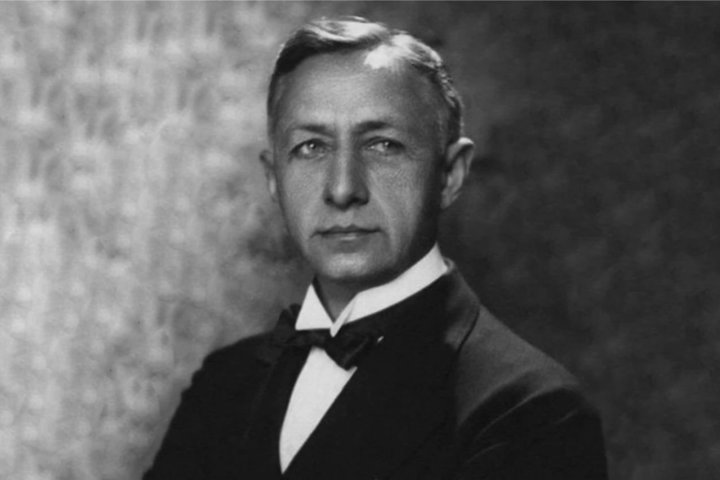
2 PM. I start a new page to continue writing about this day — a great event — Germany declared war on Russia this morning — and the Finns and Romanians have already “invaded” its “borders.”
After breakfast (plain soup of pureed peas and salad), I lay down to continue reading Flaubert's letters (a letter from Rome to his mother of April 8, 1851), when suddenly Zurov's shout: “I.A., Germany has declared war on Russia!” I thought he was joking, but the same was shouted from below by Bakhr. I ran to the dining room to the radio — yes! We are terribly agitated. <...>
A quiet, murky day, the whole valley in a light whitish fog.
Yes, now it really is: either we win, or we are lost.
Literary scholar, literary critic, poet, bibliophile, who collected a large collection of Russian poetry from the first half of the 20th century, Anatoly Tarasenko (at that time 32 years old):
Morning. Sunday. I got up late. Phone call... It's Matusovsky speaking.
— Tolya, war...
— With whom? — this was the last shred of hope.
— With Germany; Molotov just gave a speech.
I quickly dress, run to the Writers' Union, to the party committee. Masha runs after me. At the Union, only the supply manager is there. We call Khvalebnova, Zharov... It is decided to hold a rally at 3 PM. Everyone sits down at the phones, calling people. Everyone is nervous, wound up. A heated rally. Speeches by Vishnevsky, Kumach, Willi Bredel... My resolution is read. The following days — “Znamya," NKO (People's Commissariat of Defense).
We go with Vsevolod to the NKO, to the People's Commissariat of Finance, and discuss the mobilization of writers. Edel is making lists. I'm going to the Baltic... <...>
Poet, prose writer, journalist, collector of materials about Anna Akhmatova and Nikolai Gumilyov, Pavel Luknitsky (at that time 40 years old):
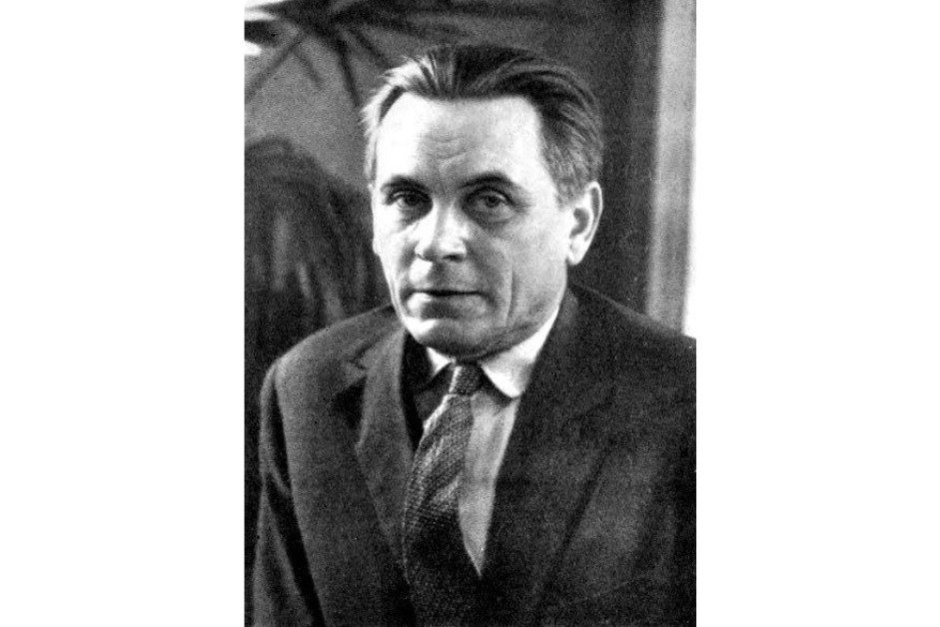
Night of June 23. Until now, it was completely unimportant to me which direction the apartment windows faced; I never had to think about which way they faced.
But tonight, sirens howled, the horns of locomotives and ships began to sound frequently, rending the soul, cutting off this white night from all the past nights when we slept peacefully. And although all the alarm sounds soon fell silent and the night was filled to the brim with silence, a new era, which we had entered, was already evident in the fact that from your window you look not into the yard, not at the opposite building, but through it much further — to the West. <...>
In the strict, forced calm silence, my hearing tried to catch only a light mosquito-like hum — somewhere immeasurably far away. And my imagination transported me from destroyed Guernica to the ruined quarters of Coventry and to what had happened less than a day ago in Minsk, in Odessa, in Kiev... I tried to imagine: how does it happen? Like this: first a light mosquito-like buzzing in the quiet, calm air, then the sound grows, approaches, then an intoxicating roar — and immediately a whistle, crash, smoke, flame, and for many, this is the last impression, cut short by pain and darkness. <...>
Am I thinking about myself? Least of all about myself, about my finished novel (of course, it will no longer be published in the magazine from the July issue). I think about the factories that will stop in order to turn their machines to war; about the fields where rye and wheat will not be harvested; about the giant construction sites — they will freeze on that brick laid yesterday; about the peaceful, creative labor of millions of people — it is cut short today; about the grief that will squeeze millions of hearts, but will be overcome by our courageous people... <...>
What you don't think about, what you don't remember on such a night!
While there is time to think. Maybe in five minutes I'll be running around this yard, putting out a huge fire, pulling the wounded out from under the rubble?
And many have already ended their war today! Already dead, already accomplished their feat!.. <...>
At the giant construction sites after the war, those bricks that were not laid today will be laid. The work of every person, not completed today, will be needed by the people and will be completed after the war. My novel will be published after the war. And the most important thing: that time — after the war — will come for us! Hitler, by attacking the Soviet Union, committed not only the greatest crime, but also the greatest stupidity, a mistake that will fall as retribution on his head and on the people of Germany poisoned by fascism.
Many have tried, but it didn't work out.
For we cannot be defeated!
Poet, translator, memoirist Varvara Malakhieva-Mirovich (at that time 72 years old):
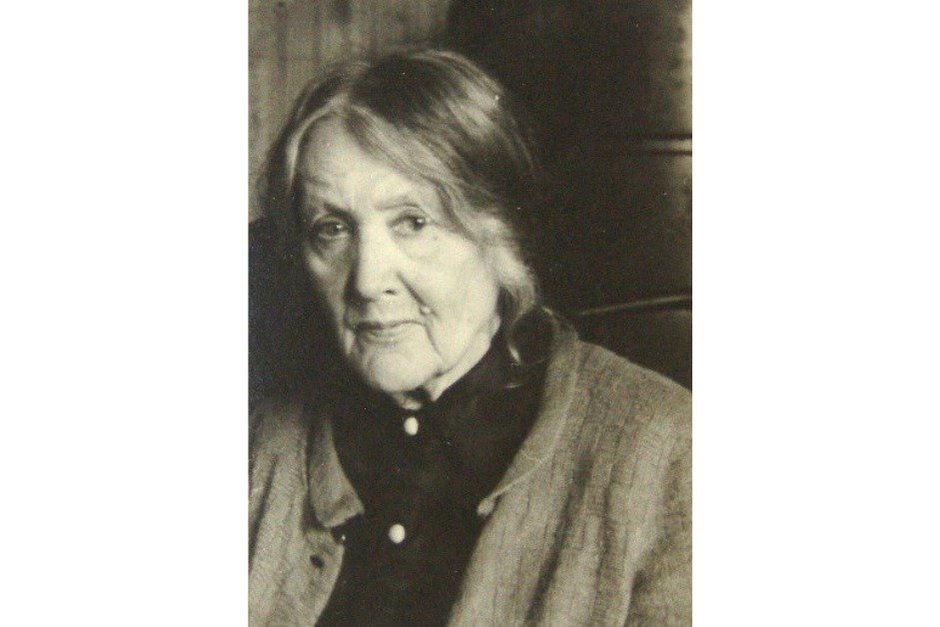
Night. It was not for nothing that tonight — and last night — I dreamed of airplane raids, cannonades, and other horrors of battle. And when I woke up, this roar continued for me. And I thought: by some wire incomprehensible to science, I am connected to London, just as I was once connected to Spain and earlier to the Augustow Forests.
And at two o'clock today, on a sunny day, peaceful and lively after the morning bad weather, news came to us that the Germans had bombed Kiev, Sevastopol, Kaunas, Zhitomir, and Odessa during the night. The dream was real at night. And this news all day seems like a dream that burst into our dacha life, as if a seven-headed dragon or Baba Yaga's mortar had flown over the forest.
Before dinner, I went to the office for letters. And as I was returning, I saw Galochka and Nina (her mother) on the terrace with unusual faces (that's when it all began, resembling a dream). On little Nina's rosy face, one could read: “We have a sensational and tragic piece of news.” Galochka's fragile, icy face (turned towards her mother) said: “I despise sensations and precisely because you believed it, I won't believe it.” But it was felt that she too was disturbed by something.
— Did you hear anything at the office? — Nina asked, frowning. And before I could answer “nothing," she blurted out: — They're bombing Kiev, Sevastopol, Kaunas, Zhitomir.
And a few minutes later, this was confirmed by watchman Yegor Pavlovich with an expression of Diogenes-like stoicism.
— Bombing is bombing. Well, so what? I was at the front myself. Nothing special. Others say “passions," and indeed, they are passions. But in my opinion, it's nothing. Whoever is destined — will kick the bucket. Whoever has an arm or leg blown off will live on as a cripple. And those who return alive and healthy, like me, for example. True, I have a concussion, I'm deaf, and I got rheumatism — my legs ache even now when the weather changes — a keepsake, then, from the trenches. Only, in my opinion, it's all in vain: the women are wailing in Anosino, in Zhevnevo… Why cry — it's not her husband who is the first, nor the last to go to war. So it is ordained. (His slanting face, with a snub-nosed, Sokrates-Verlaine-like broad forehead and large brow. He himself is tiny, short-legged.)
Poet Alexey Kraiskii (at that time 50 years old):
Notebook one. Today is the first summer Sunday. The sun has been shining since morning. Bright and warm. After the long cold, everything in nature seems enchanting — both the sun, and the greenery, and the light white clouds in the deep sky... But “indifferent nature” is indeed indifferent: we are at war. With Germany. With Hitler.
What he wanted from us, what we demanded — will be known later. Much, very much is unclear. If England continues the war, Hitler must have gone mad to arm us against himself. Unless they have reached or will reach an agreement there...
Yes! The whole world is on fire! The “spinning top” has ignited.
Writer, journalist Vladimir Chivilikhin (at that time 13 years old):
I learned that the fascists crossed the (western) border and bombed Kiev, Zhitomir, Vinnitsa, Kaunas, and others. I think Germany has made a mistake... All night I delivered draft notices.
Writer, author of works about nature, hunting stories, and books for children of various ages, Mikhail Prishvin (at that time 68 years old):
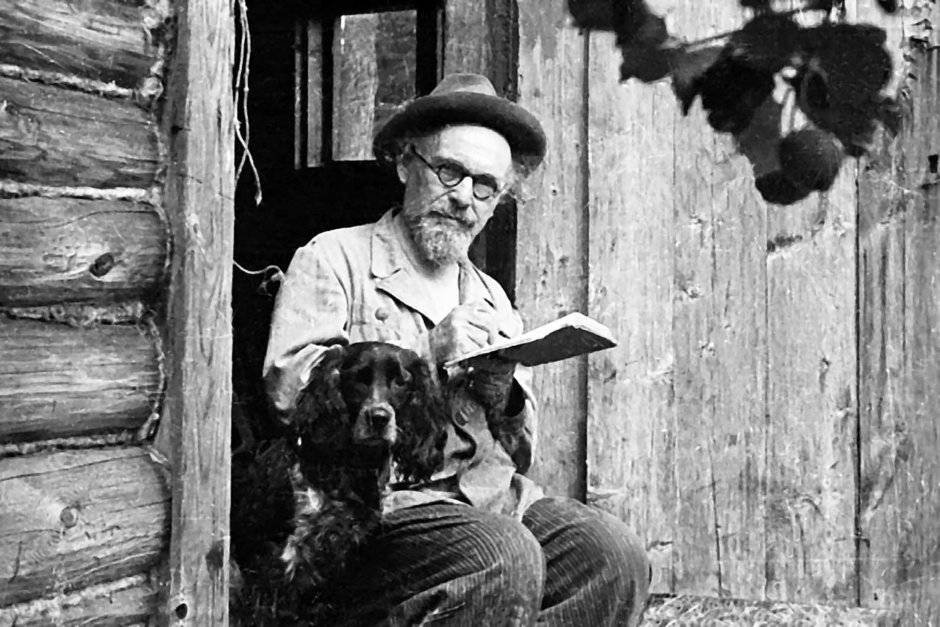
<...> War (4 AM, June 22nd).
Yefimov, a mechanic, the son of our landlady in Glukhovo, crawled out of the attic around two o'clock today and said:
— Do you know or don't you? — and seeing that I didn't know: — Today at 4 AM, Fascist Germany... and so on.
And everything went flying...
The first thing that came was the clear realization of war as a judgment of the people: we were given almost a quarter of a century to prepare for war, and now it will become clear how we prepared.
I also thought about the reasons, that perhaps Hesse had come to an agreement with the British, and they agreed to make peace at Russia's expense if the Germans could overthrow communism.
I also thought that it wouldn't be so easy for the Germans. In a word, in a few days everything will be clear: if the German offensive is delayed, they will hardly succeed; if... There's nothing to say, the judgment will speak, all the wise have become foolish before this judgment.
My women, with their “vegetative neurosis," not only were not frightened by the events, but Lyalya seemed to have been missing exactly this:
— You will see, — she said, — what your Kaleria-Valeria will be like.
The evening came sunny, and Lyalya and I walked along the rye fields, and she urged me at this time to be more attentive in relationships, to save my best self, to draw closer to each other. From this, little by little, the realization began to come to me that perhaps we are standing on the threshold of a joy I could not even have foreseen.
I must not forget that on the night before the war, Lyalya had a dream and told me about it. She saw a diamond cross in the sky and the Most Holy Theotokos, all signifying that something had come to an end and the veil to another world was opening.
I remembered that Leskov's “The Enchanted Wanderer” ends with a prophecy of war, that a person living by the heart must inevitably become a prophet. And so I clearly saw in my Lyalya an enchanted wanderer.
Ekaterina Petrova — literary critic for the online newspaper Realnoe Vremya, host of the Telegram channel «Булочки с маком».