Anna Timofeeva: “The ICU is not a place where people die. It's a place where they survive”
Doctor of the Year 2026 in Tatarstan, pediatric intensivist — about miracles, responsibility, and the importance of teamwork
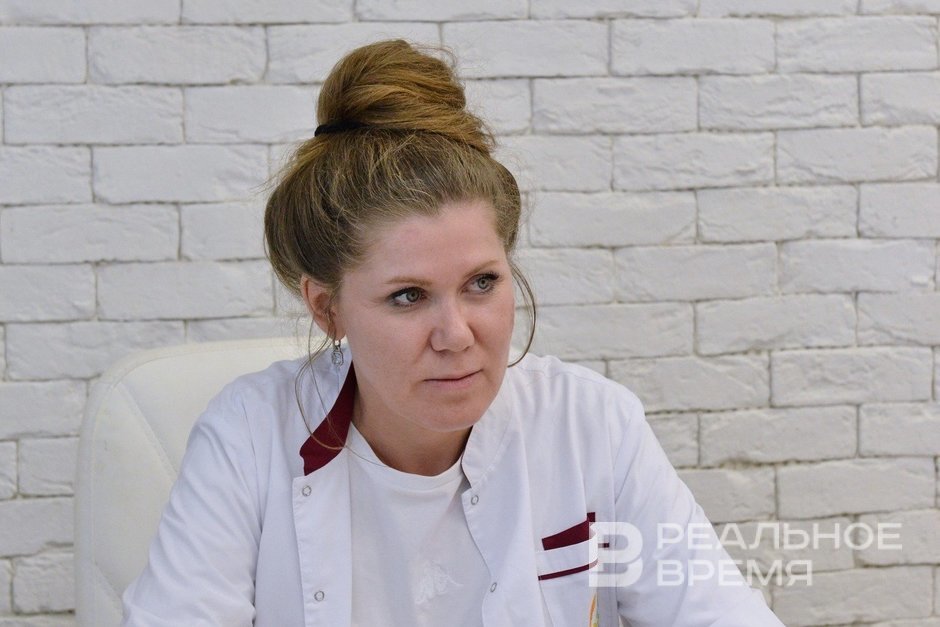
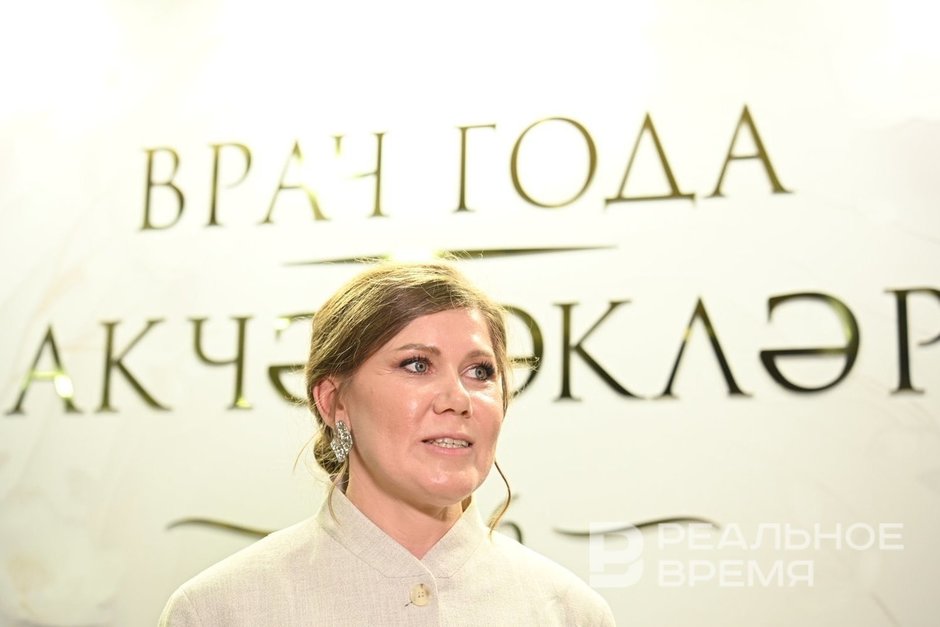
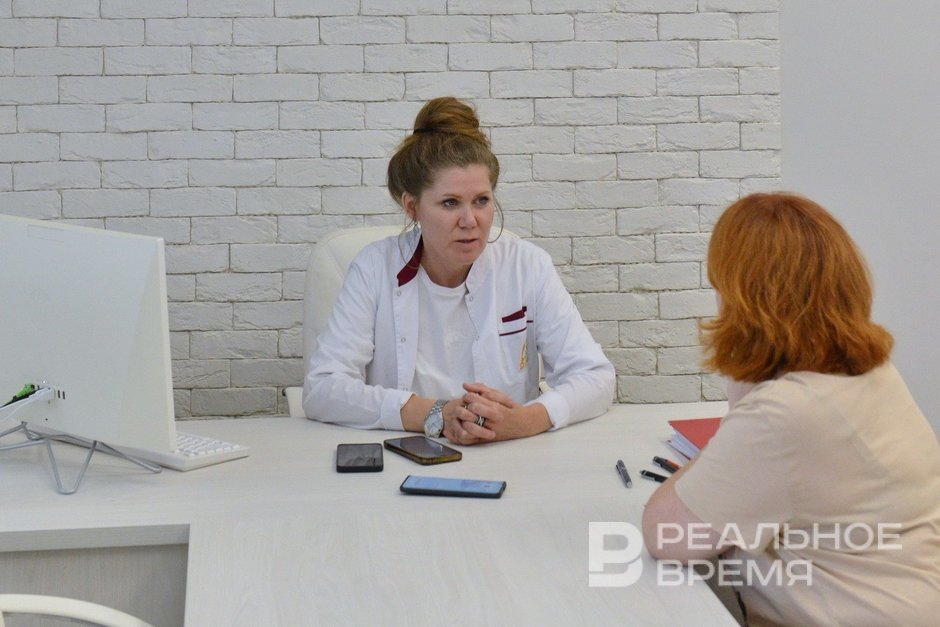
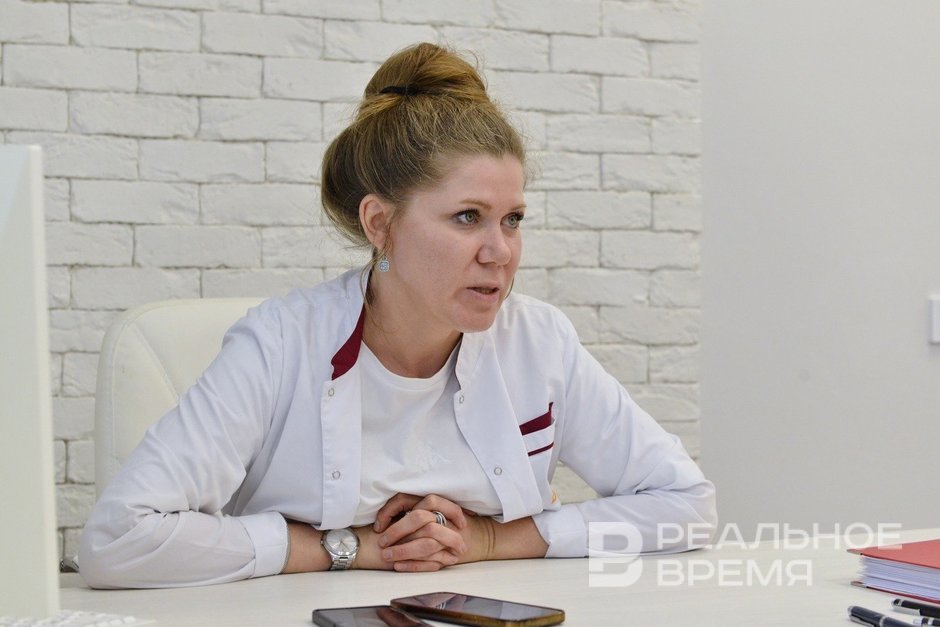
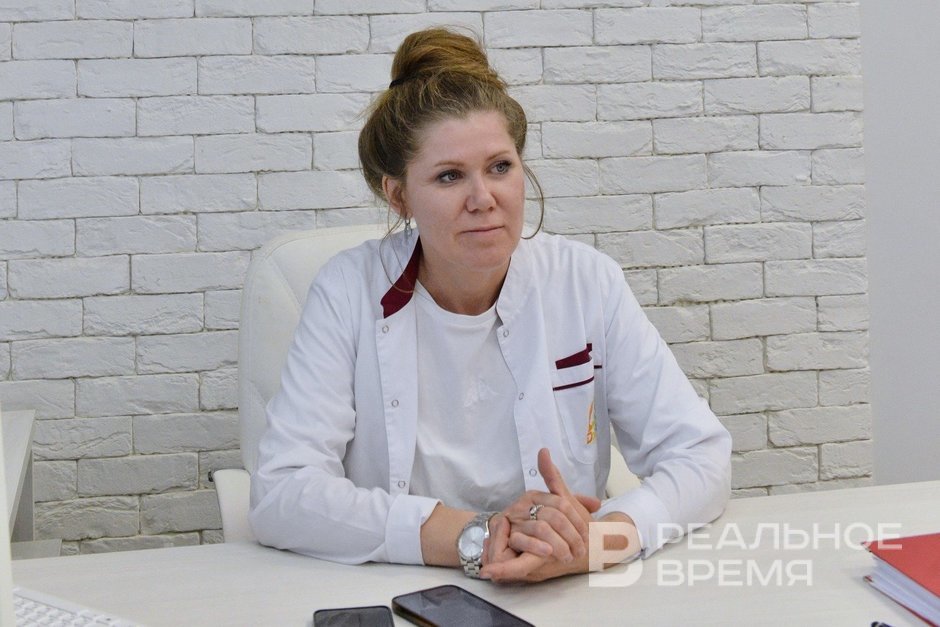
Anna Yaroslavna Timofeeva is the chief freelance pediatric anesthesiologist-intensivist of the Tatarstan Ministry of Health, head of the intensive care service at the Republican Children's Clinical Hospital (DRKB). This summer, she received the republic's top medical award — the “Doctor of the Year — Ak Chachaklär” prize. We spoke with the doctor about how intensive care is not about death but about life. About how results in medicine are only achieved through teamwork. About how adolescent trauma every summer becomes a real pain for intensivists and makes the primary contribution to child mortality. These and other reflections of Anna Yaroslavna are in this portrait by Realnoe Vremya.
“Intensive care is about working here and now”
In childhood, our heroine was often ill and repeatedly hospitalized. Therefore, she came to the realization quite early that the main person in a patient's life is a doctor who is open, kind, and approachable. And following this, a dream was formed to become exactly that kind of doctor, and certainly a pediatric one.
After finishing school in 2005, the young woman entered the pediatric faculty of Chuvash State University.
From the second year, students worked as orderlies in hospitals, in various departments, and gradually an understanding began to form of which area she wanted to pursue. During her studies, Anna Yaroslavna worked in traumatology, neurosurgery, and abdominal surgery. She consciously gravitated toward the most difficult areas, where patients' conditions required full commitment and dedication. She admits: she would not have been interested in general medicine — there you need to think, you need patience.
— By the end of the sixth year, having tried everything, I chose intensive care. It has the most complex patients; it's about working here and now. And if your actions are performed correctly and in a timely manner, you immediately see the result, — the doctor says. — I have always had and still have the thought that the ICU is not a place where people die. It is a place where they survive!
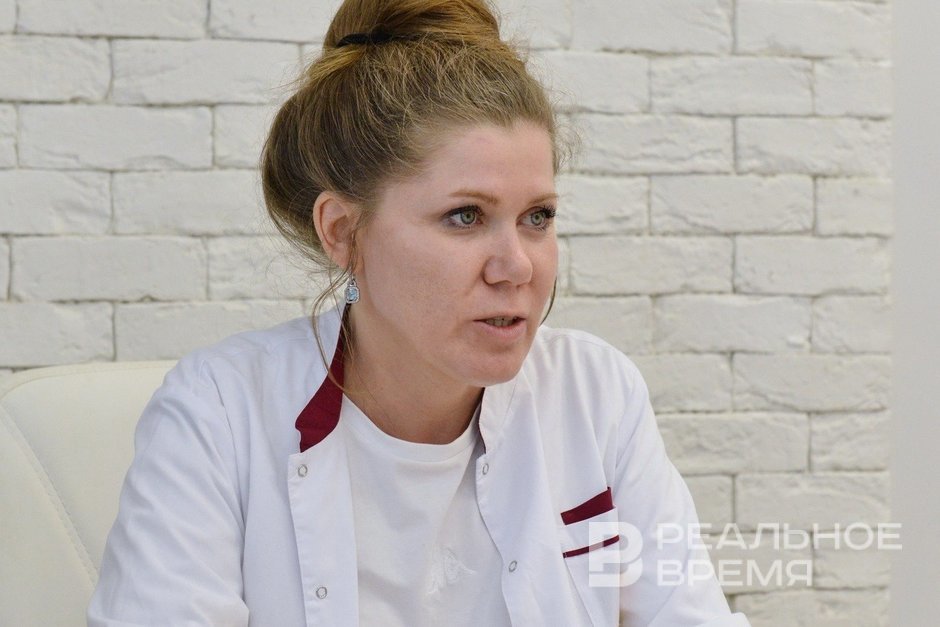
Anna Yaroslavna completed her residency at the Republican Children's Clinical Hospital of Chuvashia. Then she worked for two years in the pediatric intensive care center. In 2013, her professional path brought her together with Igor Ildusovich Zakirov — the famous Kazan pediatric anesthesiologist-intensivist. In 2014, our heroine came to Kazan at his invitation and began working in the intensive care unit No. 1.
— He was a brilliant man, a master of his craft, a unique professional. He invited us to Kazan. Since then, my very attitude toward the profession of anesthesiologist-intensivist has changed. Igor Ildusovich thought outside the box, unconventionally — and taught us to do the same. Even in conditions of limited equipment and available treatment methods, he strived to achieve results. Boldly, perhaps even audaciously, but he always went all the way, — the doctor recalls of her mentor. — He was a Teacher with a capital T for me.
Igor Zakirov passed away in 2020: he died from COVID-19, which was a shock to the medical community. But Anna Yaroslavna admits: in the most difficult situations, she still asks herself: “What would Igor Ildusovich have done?”
How the intensive care service at DRKB is organized
The specialty “anesthesiologist-intensivist” is not divided into two branches. Doctors in the general intensive care units of DRKB undergo rotation, alternately working in anesthesia and in the ICU. Intensivists constantly travel to complex cases throughout Tatarstan in intensive care ambulances or air ambulance helicopters. The intensive care service closely collaborates with the disaster medicine service of Tatarstan, which is based at the Republican Clinical Hospital (RKB).
There are several ICUs at DRKB: No. 1 and No. 2 — general intensive care. Its profile is everything that requires life support. They treat post-operative patients, emergency cases, and work with children from 1 month to 18 years. ICU No. 3 is for newborns, No. 4 is cardiac intensive care. Recently, an oncology ICU has been added, where children after severe chemotherapy and palliative patients are treated — as Anna Yaroslavna sadly notes, there are more and more of them.
As our heroine explains, the several dozen intensivists at DRKB are a team renowned for their highest professionalism in almost everything, including extracorporeal methods of life support. And if required, doctors from the general ICUs are always ready to assist in the neonatal and cardiac ICUs. For example, if a newborn in the neonatal ICU needs extracorporeal methods, such as placing an artificial kidney, the general intensivists always come to help. Recently, they have also started traveling to districts and to perinatal centers of large clinics (for example, to “Seventh” or RKB) for this purpose.
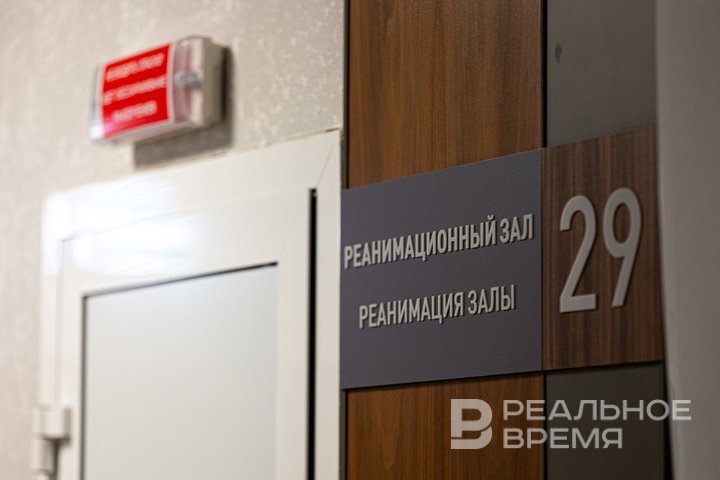
Anna Yaroslavna is the head of the intensive care service at DRKB. She not only carries administrative responsibilities but also continues to work in the DRKB ICUs, tries to personally travel to the most severe cases in the districts, stands duty as a regular doctor, and remains on standby to help colleagues if a patient's condition requires special attention.
Since 2024, our heroine has been the chief freelance pediatric anesthesiologist-intensivist. Overseeing the entire pediatric intensive care service in the republic, she conducts master classes and training in hospitals throughout Tatarstan. Not only for intensivists but also for pediatricians, and recently they also trained disaster medicine doctors. Plus telephone and telemedicine consultations for severe patients, plus making decisions on transferring patients to tertiary-level clinics... In short, Anna Yaroslavna has a lot of work. And all of it is extremely responsible: in essence, children's lives directly depend on many of the doctor's decisions.
— I always need to be available, even outside working hours. If a child requires the help of specialists from a tertiary medical center but cannot be transported to us at DRKB, we go to them ourselves as a multidisciplinary team, and I often try to go myself. This is important to me, and Igor Ildusovich did the same — including to assess the situation in the district. Are the doctors here ready to provide emergency care to children, especially if we are talking about a central district hospital — a level I medical organization? After all, they are mainly focused on the adult population. There isn't even pediatric surgery there — it only appears in level II clinics (Almetyevsk, Naberezhnye Chelny, Nizhnekamsk). Therefore, we annually invite doctors from district clinics to our workplace for training. We try to show and explain everything to them.
Our heroine always emphasizes that a team works to save a child. Therefore, all the credit belongs to the team, not to any one specific doctor. Even after receiving the republic's highest medical award, she said that this prize is not only hers but also belongs to everyone she works with.
— We always have a multidisciplinary team. Wonderful doctors — pediatricians, surgeons, neurosurgeons, traumatologists. And of course, nurses. But no one ever talks about the lab technicians who stay awake with us monitoring tests. About the X-ray technicians. About the intensive care ambulance drivers — no one ever remembers them either. When we have a serious call, we get nervous and shout at him: 'Faster, faster!' But he has to be in maximum concentration; he is transporting a severe patient, doctors, staff, and is responsible for our lives. We constantly interact with disaster medicine. We have a team all around, and it's wonderful! — the doctor says emphatically.
“Some parents lack attentiveness”
Summer is always the busiest season for pediatric intensivists. There are many admissions. At the end of June, according to Anna Yaroslavna, all ICUs at the clinic were full. There were many severe and extremely severe patients.
The doctor lists the main causes of fatal cases where injuries are incompatible with life: falls from windows, road accidents with scooters and bicycles, drownings. There are many electrical injuries — sustained by teenagers who want to ride on the roof of an electric train. Receiving a shock, they are admitted to DRKB with almost 100% body burns, which is incompatible with life.
— Every summer there are such children. Child mortality is essentially growing mainly due to injuries, and primarily summer ones. At this time, everyone is resting, forgetting about open windows and that children need attention. Some parents lack attentiveness, — our heroine says with sadness. — Open windows left unattended, children left in the bathroom without supervision (especially under one year old) — this is 100% the parents' responsibility!
The main contribution to child mortality, in the intensivist's opinion, is adolescent trauma. Anna Yaroslavna urges parents: make sure teenagers ride bicycles and scooters only according to the rules and with protective gear!
— And you also need to always be there, explaining to children that this is dangerous. Yes, a teenager doesn't think that something could happen to them. They don't understand what grief they could bring to their parents. So you need to somehow build a dialogue and trust with your child. And don't buy pit bikes for anyone under 18. I wouldn't buy my child a pit bike, no matter how much they asked, — the doctor says categorically.
“The word 'pitiful' doesn't apply to a child. Especially to a dying one”
Anesthesiology-intensive care is a difficult specialty. Here, death breathes down your neck, and it is not always possible to save a child. The doctor agrees: yes, of course, doctors are not gods. There are situations where medicine is powerless: children continue to die from oncological diseases, severe metabolic disorders, and polytrauma sustained from falls and road accidents. And each death, according to Anna Yaroslavna, still, after many years of experience in intensive care, is perceived heavily. The doctors and nurses take every loss to heart. But there is no time for long reflection — you must go and save the next patients.
Does an intensivist experience strong emotions when they see a child on the brink of life and death?
— The word 'pitiful' doesn't apply to a child. Especially to a dying one. Emotionally, it is very difficult, but you have to push emotions aside and get down to business. We must help, and feelings should not prevail. You need a cool head and a steady hand, — explains Anna Yaroslavna.
True, one has to learn this. Over the years, the doctor learns self-control, but it is impossible to completely turn off emotions. They come later, when the work is done; you just cannot put them first. And this applies not only to death but also to life, because emotions can also be positive.
— When a critically ill child after cardiopulmonary resuscitation comes out of that state, regains consciousness, opens their eyes — you understand that you are on the right track and did everything correctly. And at that moment, the emotional component does come to the forefront, — our heroine admits.
Another important aspect of an intensivist's work is conversations with the patient's parents. When a child is on the brink of life and death, few parents remain calm and clear-headed. This must be taken into account.
— Many parents behave not quite correctly, because the child is the only thing they have. And when they end up in the ICU, it is a catastrophe for the family, and the parents panic. Our doctors always explain everything in detail. A full conversation with parents is always about the possible outcomes. About the fact that we always go to the very end. What helps a lot with this is that we have an open ICU — Igor Ildusovich insisted on this at one time, — Anna Yaroslavna explains.
In the DRKB ICU, parents are allowed to stay at their child's bedside around the clock. They see how the intensivists work — and trust grows. They are explained the purpose of all the machines the child is connected to: the ventilator, the artificial kidney, ECMO... Remarkably, doctors note that the child feels better in the mother's presence, even if they are unconscious. The doctor reflects that there is an emotional connection between the child and the mother, even if they are in a coma. Therefore, the mother's presence in the ICU is very important. And doctors see that children whose mothers are nearby recover better from severe conditions. Of course, fathers (though less frequently), grandparents, and other family members are also included in this system. The ICU can accommodate any family member (of course, in turns).
The sacramental question often directed at doctors is: “Will he live?”
— This is a difficult question, because we are not gods and we do absolutely everything in our power to save the patient. But not everything depends only on us. There are outcomes that are understandable from the start: palliative status in oncological diseases; metabolic disorders that eventually lead to death; injuries incompatible with life. In any case, the conversation with parents is extremely difficult. We cannot promise them anything. We always only say that we are doing the maximum possible, and much depends on how the child copes. But the hardest thing is to go out to the parents and tell them that we could not save the child. This is done by me, as the head of the department, and the attending physician.
Anna Yaroslavna communicates with her patients (if they are not in a coma, are conscious, and can speak) and tries to establish contact. Intensivists always speak to the child sympathetically and encouragingly: saying that you have to endure the pain, now we will treat you, and you will go home healthy. Unlike their parents, doctors always tell the child that they will recover.
“The very first thing is to save the child”
What if the child's life is saved, but they remain with severe neurological deficits or the loss of some life functions? Anna Yaroslavna states: this is not uncommon after injuries sustained, for example, in road accidents.
First of all, intensivists tell parents neutral phrases, neither reassuring them nor frightening them: “The situation is extremely serious, and there may be neurological deficits. But we are not thinking about that now. The very first thing is to save the child.”
After the intensivists, rehabilitation specialists get involved in such cases. The statistics are good: within 1–2 years, 80% of patients with neurological deficits can be rehabilitated.
There are also small miracles in the work of intensivists. Anna Yaroslavna tells of a case that happened recently. A young man in a coma was admitted to the adult network — he was found on the street and brought to the hospital. Within 24 hours, it became clear that this was a 17-year-old teenager. He had a severe brain contusion with edema. The patient was transported to DRKB, where neurosurgeons immediately took him.
— We told his parents from the very beginning that he might not come out of the coma. And if he did, there would be a high probability of serious neurological deficits. The young man had several operations and spent several months in the ICU. In the end — we didn't expect it ourselves! — he left the clinic on his own two feet, with minimal neurological deficit, meaning everything is fine. Every year we have such situations with severe patients. They later come to the doctors; their mothers tell us how they walk, play, talk, and how well they are doing. This is, of course, joy for the child. But we also feel a certain pride for ourselves! For the fact that our doctors were able to do everything possible in a critical situation, — Anna Yaroslavna admits.
Our heroine says: it seems to her that all doctors believe in a higher power. Even when they face the most severe, dying patients, you always hope for some miracle in life. And these miracles continue to happen — thanks to the professionalism of the doctors, thanks to the titanic efforts of the parents.
Flashpoints: COVID and the Kazan Gymnasium shooting
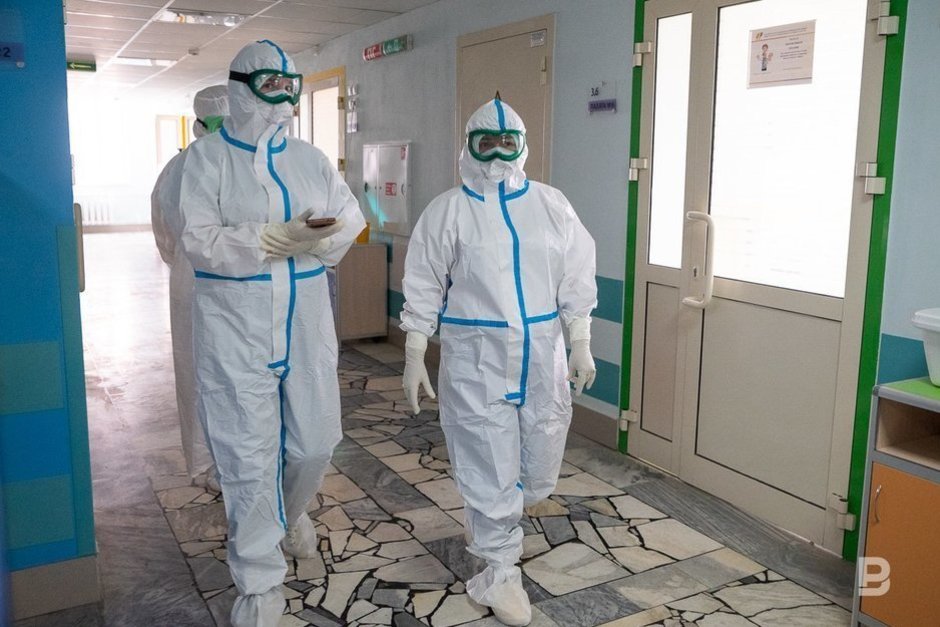
The DRKB anesthesiologists-intensivists worked extensively in the clinic's COVID ward. According to Anna Yaroslavna, everyone was ready to take shifts and work. And she herself was one of the first to enter the DRKB COVID hospital.
— For 8 hours straight, we were in those suits. At first, we didn't understand how to work — there were no clinical guidelines, and then they appeared and started changing every week. I was curious: how would we cope? It was a challenge for us, — the doctor admits. — Our children did not die from COVID. However, there were fatal complications in the onco-hematology department. There, the specifics are different — chemotherapy, — Anna Yaroslavna recalls.
It is worth noting that the DRKB doctors succeeded: there was practically no child mortality from coronavirus in the republic. Only the most severe comorbid patients could not withstand the complications. Realnoe Vremya made a detailed report from the DRKB COVID hospital.
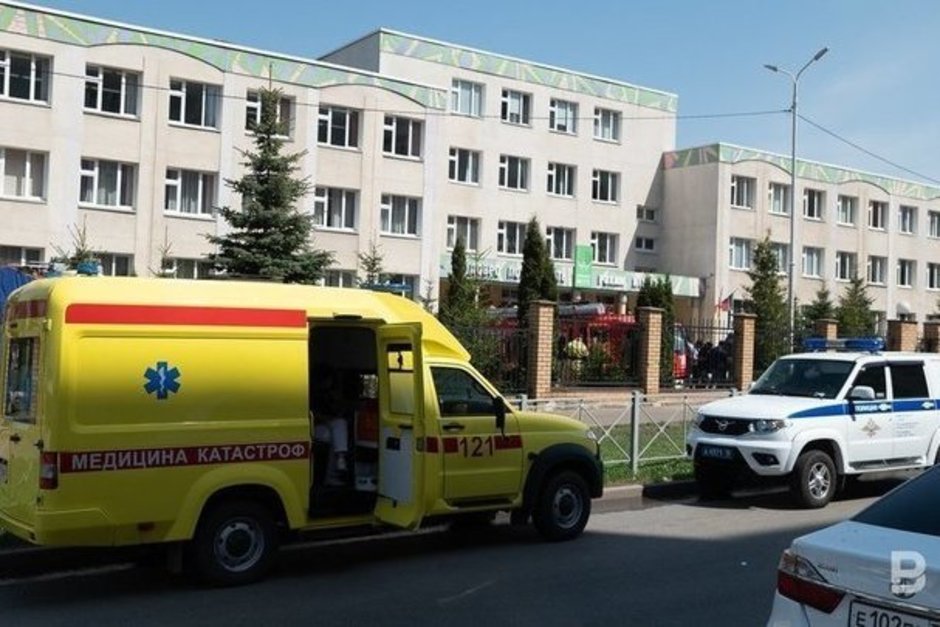
Another flashpoint of the highest intensity in the intensivists' work was the shooting of children at Gymnasium No. 175. That morning, Anna Yaroslavna was supposed to finish her shift. But in the morning, a call came to the contact center, and all the intensivists ran to the emergency room to meet the ambulances.
— At first, we didn't even understand what was happening, because initially we were told that an ambulance was bringing a severe patient. We run to the emergency room — and there, one after another, children are being wheeled in on stretchers. Mass admission is not a frequent occurrence for DRKB. Immediately, calls started coming in from doctors ready to come to help from other clinics, from vacation, and from the weekend. All our doctors were at the clinic within half an hour and were assigned to patients of varying severity. Triage was the first priority, and each intensivist concentrated only on their own patient, — our heroine recalls.
None of the children brought to DRKB that terrible morning died. Even the most severe patient, who could not be stabilized and could not be saved without surgery, was nevertheless taken to the operation at the doctors' own risk. And Anna Yaroslavna says that no one even had the thought of stopping resuscitation and saying goodbye to the child. Later, he was transferred to a federal center for treatment; he is alive.
The doctor admits:
— After we finished the work, there was emotional burnout, emptiness. It was only closer to night that we came out of the operating rooms. There was pride that we did not lose a single patient. We managed. But of course, we never want to repeat that. Because it is terrifying: mass admission, dead children, and that this happens in peacetime...
We ask: has Anna Yaroslavna ever wanted to stop working in the DRKB ICU and not experience this colossal emotional burden? She says the thought sometimes crosses her mind. But the desire for adrenaline, for working “here and now," always outweighs it. And the main thing — the thought that the number of lives saved in the ICU is significantly higher than the number of deaths.
“Everyone works like a single organism, and that is why I don't think 'Doctor of the Year' is my personal award”
The doctor adores her work, by her own admission.
— The main things in it are discipline, the ability not to rest on your laurels, and constantly learning. Responsibility is important and, of course, empathy for children. Children's doctors are the kindest!
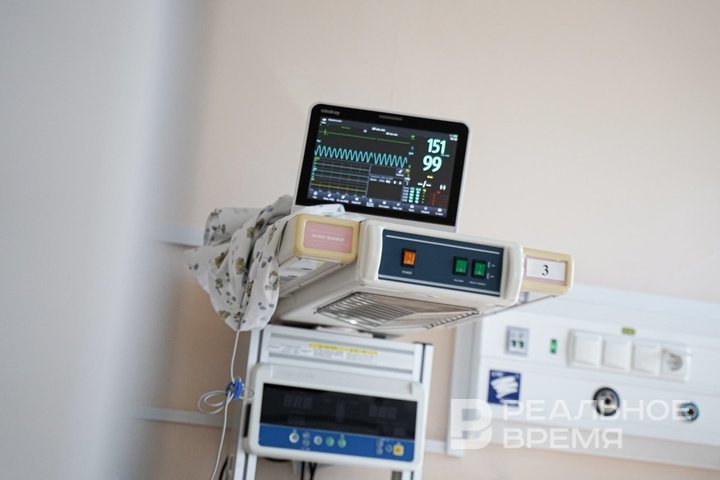
Over the 12 years that Anna Yaroslavna has worked in Kazan, pediatric intensive care has changed greatly. Technology has changed: extracorporeal membrane oxygenation (ECMO) — extracorporeal support for the child's body — has appeared. Bedside monitoring systems and ultrasound machines have been purchased.
Reflecting on the future of her service, our heroine says that everything is now moving toward digital intensive care. All ICUs should be digitalized, and equipment has already been ordered. This equipment reads data from monitors and ventilators and transmits information to a central computer. It can also predict deterioration or improvement using special scales — so that doctors are always one step ahead. A neural network can also be connected to this process, which would become a help to the doctor but could never replace them.
Furthermore, the development of the pediatric intensive care service in the republic is impossible without developing the competencies of doctors in level I and II clinics. Emergency intensive care for children must be available everywhere. At the same time, there is a shortage of personnel in level I clinics. And few young people even strive to become pediatric intensivists.
Anna Yaroslavna distracts herself from her difficult work in an unexpected way: she rides a motorcycle and loves extreme sports. In the past, she has also skydived. She explains: you need to switch to movement, to sport, to fast movement, to switch your emotional stress.
But if there is time, she goes to her parents' village. There, it is quiet, there is no sound of monitors, and there are no stressful factors. True, she must always be reachable, so sometimes she has to rush to the clinic even on a day off.
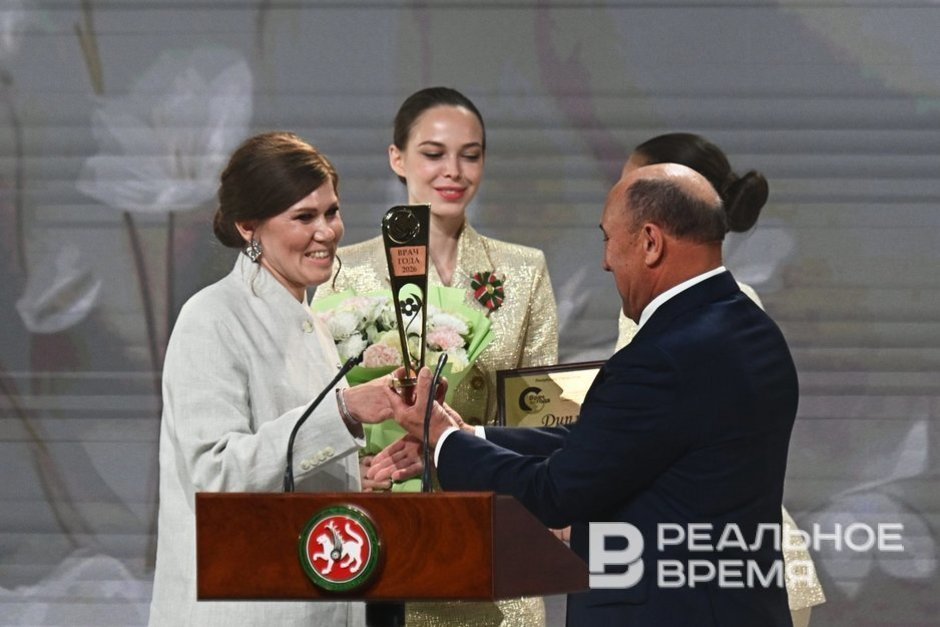
At the end of the conversation, returning to her award, Anna Yaroslavna admits: she is not at all ambitious and is never inclined to take all the credit herself.
— Only teamwork can achieve something, not individually! Especially in medicine. When not only intensivists but also surgeons, pediatricians, pulmonologists, and other doctors come together to meet you. Everyone works like a single organism, and that is why I don't think 'Doctor of the Year' is my personal award. We all have great professionals on the team. I can't even single out any of my colleagues — they are all wonderful!