Tatarstan sets a target of 7 million tourists by 2030 and proposes introducing a resort fee for visitors
The existing tourism tax creates difficulties for hotels, which have to “meticulously calculate” the amounts payable to the state
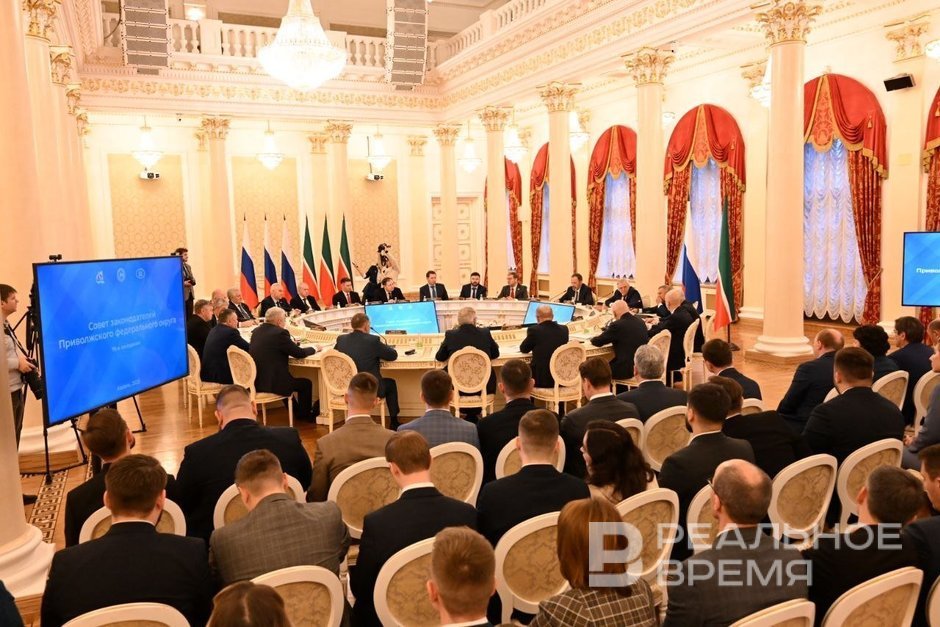
Last year, Tatarstan welcomed 4.3 million tourists, and by 2030 it plans to attract one and a half times more — 7 million. A weak point for the republic, as for all other regions of the Volga Federal District, remains the shortage of hotel rooms. What could support the development of tourism, and over which phrase addressed to visitors Rustam Minnikhanov and Farid Mukhametshin disagreed — in the report by Realnoe Vremya.
Tourists have increased in number, but they do not bring in enough revenue
The popularity of the Volga Federal District among Russians is growing: over the past three years, the number of tourist trips across the regions of the district has increased by a quarter. In the first nine months of this year it amounted to almost 16 million. This was reported by the plenipotentiary representative of the President of Russia in the Volga Federal District, Igor Komarov, at a meeting of the District Council of Legislators, which took place today in Kazan.
According to him, in terms of growth in tourist flow the district exceeds national indicators. The share of local residents who assess opportunities for travelling around their home region as good or average has reached 60%.
“The number of tourist trips is also positively influenced by the development of river transport on high-speed vessels. This is facilitated by the presence of major shipbuilding enterprises, primarily in Tatarstan and the Nizhny Novgorod Region,” Komarov noted.
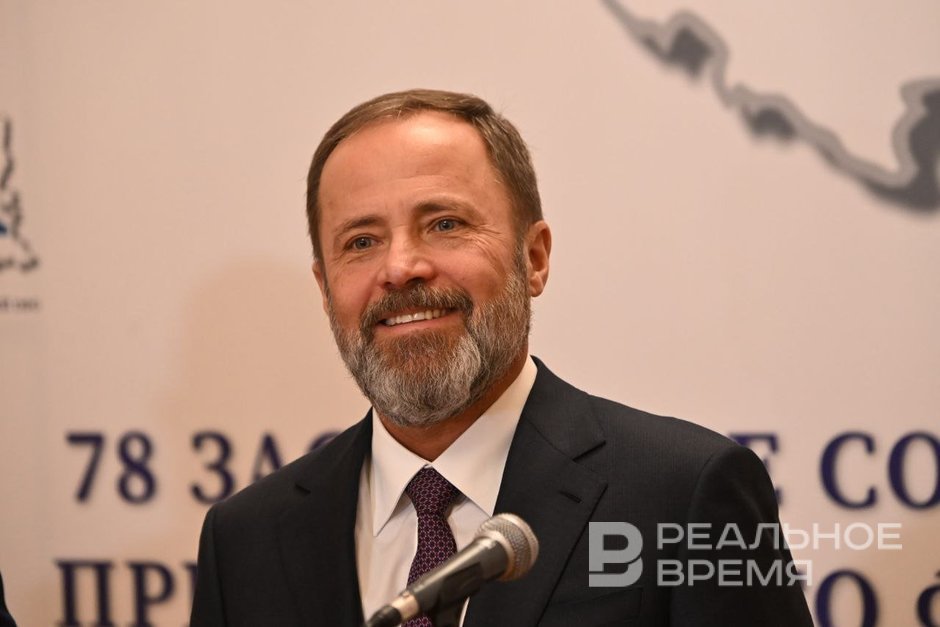
However, the situation with tourism revenues is far less encouraging: revenue from the tourism sector in the GRP amounts to only 2.2% — this is lower than the national average. Further work in this direction is necessary, Komarov stressed.
One of the key problems hindering the development of tourism in the district is the shortage of accommodation, the meeting heard. At present, the district accounts for 14% of Russia’s hotel room stock, added the head of the State Committee for Tourism of Tatarstan, Sergey Ivanov.
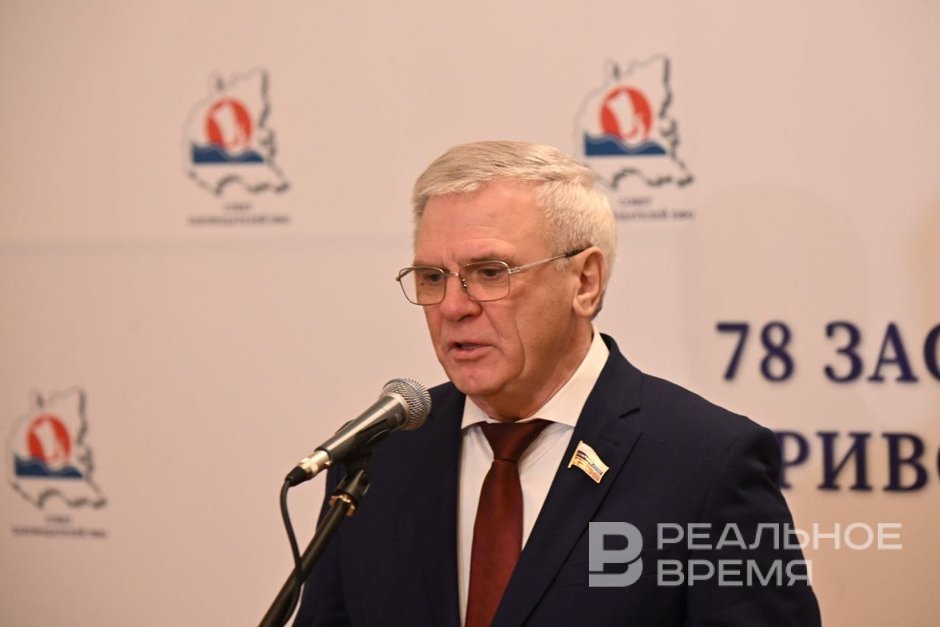
“There is an acute shortage of hotel facilities in all regions of the district,” stated the chairman of the Legislative Assembly of the Nizhny Novgorod Region, Evgeny Lyulin. “Without this, it is impossible to expect a serious increase in the tourist flow. We need to find both federal and regional support measures to expand and accelerate construction. Special conditions must be created for the development of hospitality systems in municipalities.”
‘We are interested, perhaps we are backward’
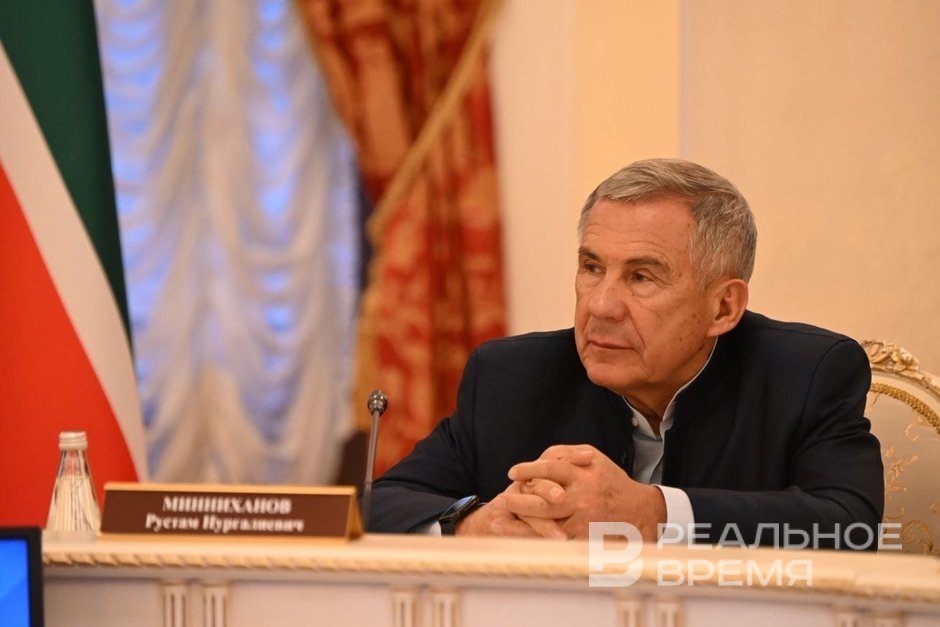
The rais of Tatarstan, Rustam Minnikhanov, in his address touched on the topic of local self-government — recall that the republic “defended” a two-tier system of municipal government. He emphasised that the region relies on municipal deputies — there are 7,500 of them in the region. “Even if we need to move to [another level], the settlement level of municipalities must be preserved, while districts and cities can be shifted to the regional level. This is my opinion,” the Tatarstan leader said.
At the same time he stressed that it would be important to study the experience of regions that have moved to a single-tier system.
“I think two or three years will pass and it will be possible to analyse. Never say ‘never’. Time will tell overall,” the Tatarstan leader said.
At the meeting, authorities from other regions shared their experience of operating a single-tier municipal system. Rustam Minnikhanov proposed sending delegates to study this experience.
“If your lives have improved because village councils were abolished, [we will study it]. <…> We are interested, perhaps we are backward,” the rais said jokingly.
The chairman of the State Council of Tatarstan, Farid Mukhametshin, did not remain on the sidelines — he reminded the audience that he had taken a “firm stance” on this issue.
“No, no, we are not denying it,” Minnikhanov said.
“But we are denying it!” Mukhametshin retorted. “Ask the rural population. Out of 4 million residents of Tatarstan, almost 1.5 million live in rural areas. The population is ageing, everyday issues are abundant. Village councils are gone, people have to travel to the district centre — there and back. Why complicate people’s lives?”
How the district can attract one and a half times more visitors by 2030
As Sergey Ivanov noted, last year the tourist flow in the district amounted to almost 19 million people — about 11% of the national figure. By 2030, according to the instruction of the President of Russia, the regions of the district must increase the number of visitors by one and a half times.
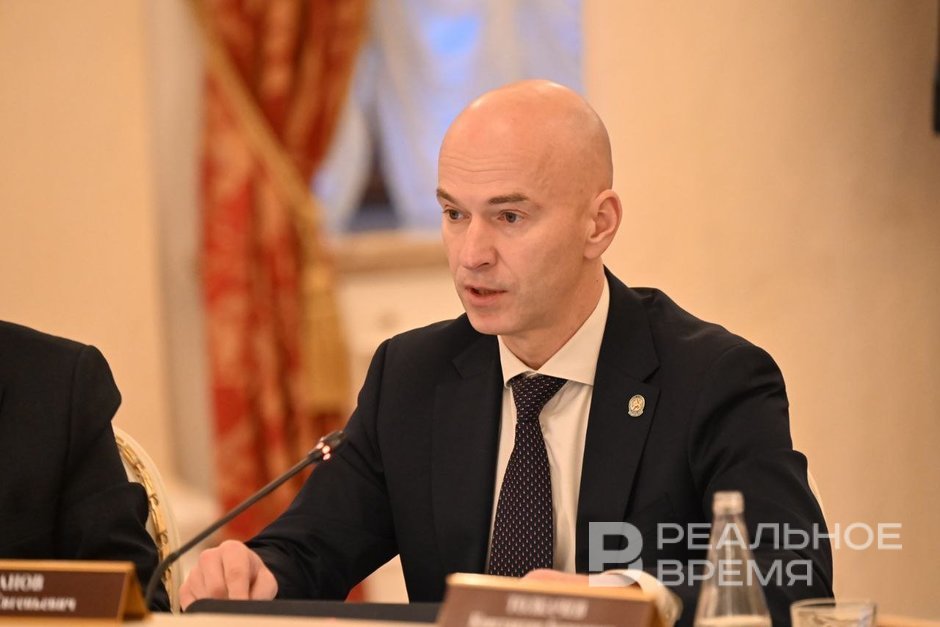
Most frequently, visitors to the district are drawn by cultural and educational tourism associated with visiting various landmarks, Ivanov added. Another strand of the project is linked to the development of the spa and resort complex. Several types of tourism have good prospects: nature-based, ethnic and even pilgrimage tourism.
The meeting repeatedly returned to the need to develop cruise tourism: the district’s regions are rich in rivers, and the main artery is, of course, the Volga. Across Russia there is a growing trend for independent car travel, and the development of the M-5, M-7 and M-12 highways gives the regions an advantage in this direction. “At present, 60% of the increase in the national tourist flow is accounted for by car travel,” Ivanov emphasised.
As for Tatarstan itself, last year it received 4.3 million visitors. The volume of services in the tourism sector, including related areas, reached 107 billion rubles.
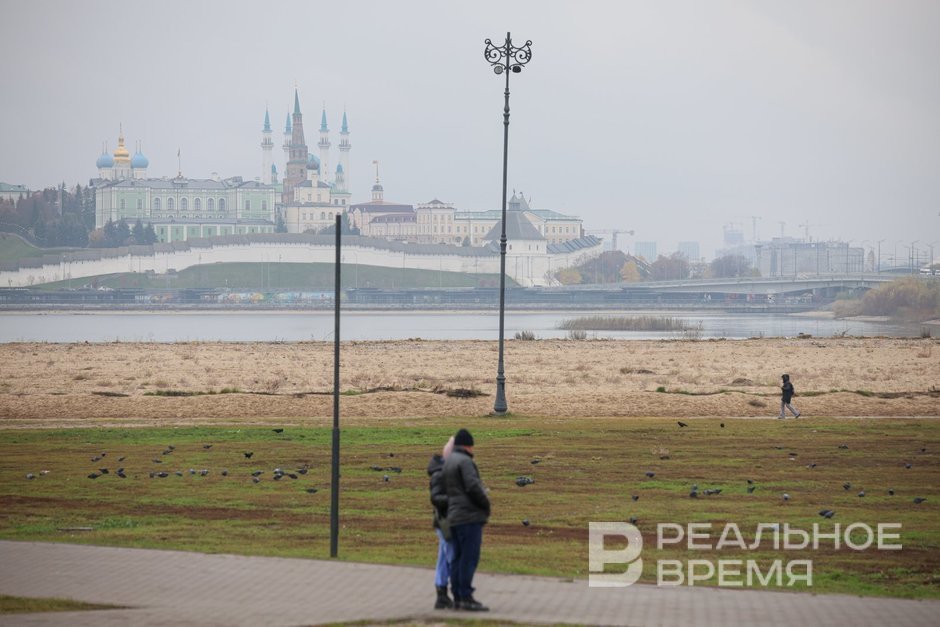
“Over the past fifteen years, Tatarstan’s tourist flow has more than tripled. Our goal is to reach 7 million in the next five years,” Ivanov shared this ambitious goal.
He reminded the audience that the Laishevo district is set to host the Kazan Marina resort complex with a yacht marina, spa facilities and hotels. According to preliminary estimates, the total volume of public and private investment will exceed 29 billion roubles, and 1,250 rooms will be created. Thanks to this project, by 2030 the tourist flow to Kazan Marina will exceed 620,000 people, the speaker assured.
Tatarstan proposes shifting the tourism tax from hotels to guests
Last year, in dozens of regions of Russia, including Tatarstan, a tourism tax came into effect. Ivanov acknowledged that these funds are an additional resource for developing the sector, but proposed shifting the payments from hotels to tourists themselves. In other words, replacing the tourism tax with a resort fee.
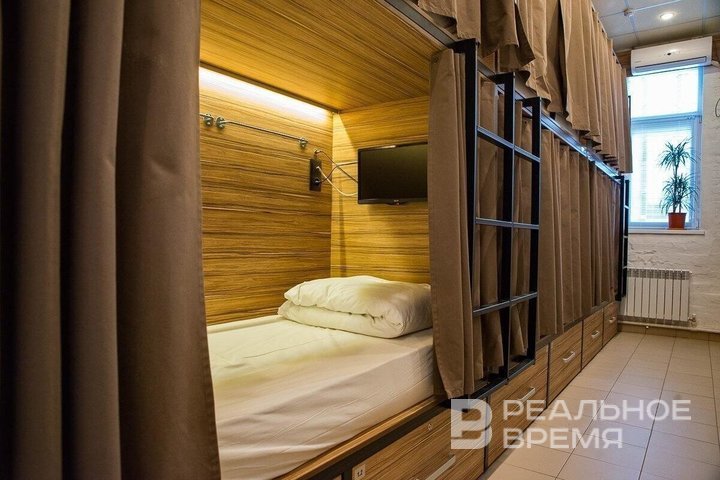
Under current rules, hotels transfer a monetary amount for each guest.
“The tax-accounting process is very complicated and requires additional human resources from hotels. Since the taxpayer is the hotel itself, hoteliers have to meticulously calculate the tax amount for each room booking and payment. Firstly, there are many preferential categories. Secondly, the need to pay the tourism tax depends on who pays for accommodation and when,” the head of the State Committee for Tourism explained.
He proposed returning to the scheme used for the resort fee, which was in force in 2023–2024 in several regions of the country. The payers were the tourists themselves. They paid the fee upon check-in, and hotels faced no difficulties, the speaker said.
“Dear legislators, I ask you to consider the possibility of appealing to the State Duma with a legislative initiative to change the mechanism for paying the tourism tax along the lines of the resort fee,” he concluded.