Roman Bugrov: “I have always been drawn to the front line”
What cardiac surgery of the future should be like, what will help avoid heart attacks and strokes in 30 years, and what Jules Verne has to do with it
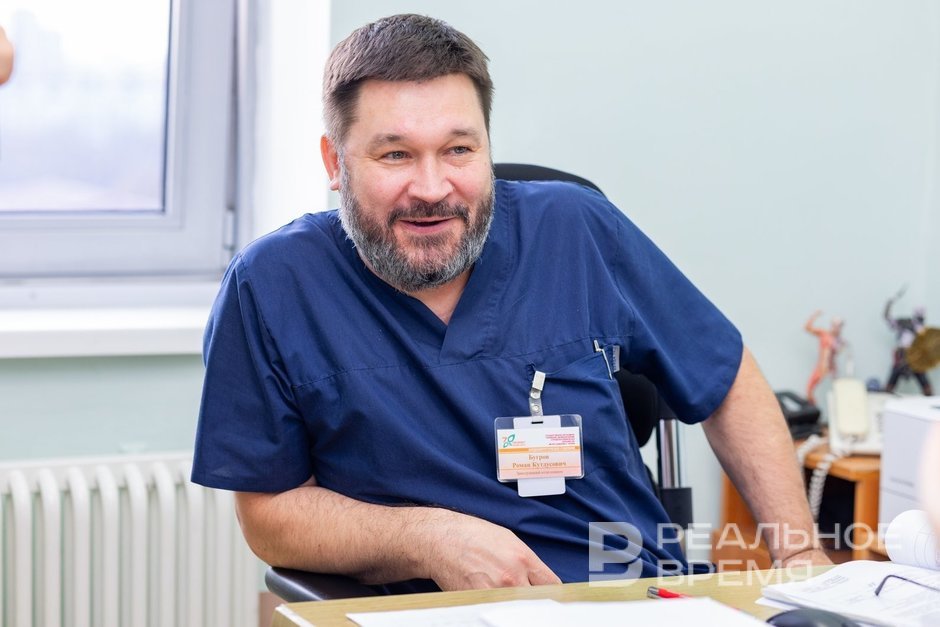
Roman Bugrov is a well-known Kazan cardiac surgeon, head of the recently opened cardiac surgery department of City Clinical Hospital No. 7 named after M. N. Sadykov. He was taught by the luminaries of Russian medical science: Roman Kutdusovich did his internship with Roin Dzhordzhikiya, his residency in Moscow with Renat Akchurin and Evgeny Chazov. In his work he combined the glorious Kazan medical school, the approaches of the legendary Moscow cardiac surgeons, his own surgical courage and far-reaching approaches at the junction of clinical medicine and classical physiology. His hands have saved thousands of lives, his vigorous activity helps to change Tatarstan cardiac surgery for the better, to develop and improve it. But the doctor does not stop there: it is characteristic of him to look far ahead, through decades, into the future. And in this future he sees completely different approaches to treatment. He shared his vision, his medical dreams and his philosophy with “Real Time” within the framework of our traditional “portrait.”
“You will walk in a white coat like a white man”
The future cardiac surgeon was born in Almetyevsk. His father is an honored oil worker, his mother an honored economist of the Republic of Tatarstan. There were no doctors in the family, and the boy did not show a particular aspiration to choose this path. He did sport — academic wrestling and judo, showed good results, and thought of becoming an oil worker like his father. The decider of his fate was his mother. With the words “You will walk in a white coat like a white man," she in 1993 insisted that her son enter medical college. He, although he had been a daredevil since childhood, obeyed.
— In parallel I worked as an orderly in a psychoneurological dispensary. Moreover in a mobile team — I have always been drawn to the front line, wherever you look. And when I received my diploma, it was 1995, the First Chechen War was going on. A draft notice to the army came to me just then; I went to the military enlistment office, passed the medical commission and prepared for the war. And certainly for the Airborne Forces — apparently, by force of my character. My grandfather fought, was a scout, a hero of the war, a cavalier of combat orders — and he gave me a lot from the point of view of forming my character. Papa and grandfather brought me up in such a fighting key, this is a genetic trait in us on the male line, explains Roman Kutdusovich.
The parents practically removed the failed paratrooper from the train, and his mother made an agreement with her son: he tries to enter the medical university. And if he enters — he studies to be a doctor. And if not — so be it, he goes into the army.
If one does something — then do it well. Proceeding from this paradigm, Roman accepted the preparation for the exams to the medical institute as a challenge. He studied the entire school program of chemistry and biology. He studied all the methodological materials and requirements for the entrance exams to KSMU that he and his father could only find.
— I do not know what happened to me then, but I even studied at night, studied all this, solved problems in chemistry. Upon entering the institute in 1996 I scored 36 points out of 40 possible. And the maximum scored on our course was 38. In the end I entered, and I, with my bad character, was assigned to the group of excellent students, Roman Kutdusovich laughs.
And even at the moment when he saw himself in the list of those enrolled, he did not have a sharply formed desire to become a doctor — there was only his mother's recommendation. But life throws up interesting scenarios — and a person is free to dispose of them himself.
“It happens that from regular slackers such doctors grow up!”
Students of the medical faculty in those years were offered three roads — into therapy, into surgery and into gynecology. He thought about surgery, like the overwhelming majority of future male medics:
— I respect therapists very much, and our Kazan school of therapy is very deep and glorious. But in this specialty one must have an enormous quantity of knowledge and patience. And I am explosive, a Chapai on a horse with a saber. Therefore I would not have pulled therapy. I did not want gynecology either. Surgery remained. And in the 5th—6th courses, from 1999 to 2001, I lived in a dormitory on Pionerskaya. My native home in those years was the “fifteen," where I went at night to watch operations and help the surgeons, was on call. I acquired surgical skills there. I simply came to them in the residents' room in the fifth course and said to the head of the department, Yuri Viktorovich Bondarev: “Hello. I am a 5th-year student of the medical faculty, my name is Roman Bugrov. You surely need assistants, and I need to decide where I will go.” They looked at me very strangely and said: “Well, come in.” Our acquaintance with many of them has lasted 25 years already. I work with them now, and they joke: “Good thing, Bugrov, that we did not strangle you then. It happens that from regular slackers such doctors grow up!”, the doctor smiles.
Roman Kutdusovich throughout our conversation recalls that on his life path he met a multitude of people who gave him an impulse, a stimulus to move further. They did not push him away, they taught him, helped him, gave him lessons in the school of life.
In 2002, upon graduating from the university, the question arose: what next? Usually the department sent future surgeons from the medical faculty to an internship based at the RCH. Our hero dug in his heels: he has an abnormally sharp sense of smell by nature, and therefore the career of an abdominal or purulent surgeon did not attract him. On the day when the assignments for the internship were distributed, Roman Kutdusovich came to the dean's office to the deputy dean of the medical faculty, Alexey Akhmerov, and directly informed him of his preferences: he wanted to become a cardiac surgeon. The thing is that somehow in the “fifteen," back in his student years, he was present at an operation that the surgeons had to conduct urgently on the heart — the patient was a young man, a victim of a criminal showdown. It was not possible to save him: the technique of heart operations had not yet been established. Then our hero also thought about going down this medical path.
Akhmerov was immensely surprised: the request was extraordinary. But nevertheless he wrote a referral to the specialized base.
— In those years cardiovascular and cardiac surgery in Kazan developed on the basis of city hospital No. 6, where there was the department of surgical diseases of the pediatric faculty of KSMU. The department was headed by Professor Roin Kondratyevich Dzhordzhikiya. Seeing two graduates of the medical faculty who had shown up to him, he was very surprised. But there was nowhere to go; we had referrals. And we began to study. Half a day — general surgery, half a day — cardiac surgery.
In those years at the “six” they dealt mainly with congenital heart defects and developed the technology of bypass surgery. Upon completing the internship our hero decided that he wanted to work at the MCDC, and straight from the street came to the appointment of its then head Rostislav Tuishev with the words: “I know you need personnel for your new center. I think I will suit you.” The pressure of the young medic impressed Tuishev, and he proposed that he go to study in residency under a targeted assignment from the MCDC. And where else! To Moscow, to the great Renat Akchurin. Such offers are not refused.
“How they operated! I was in love with their work”
Roman Kutdusovich spent three years in residency. He had the good fortune to learn from the great. He assisted in the famous combined operations that two academicians performed — the oncologist Mikhail Davydov and the cardiac surgeon Renat Akchurin. They were the first to prove that an oncology patient can undergo interventions simultaneously both to support the heart and to remove the tumor — before them it was considered that ischemic heart disease is a contraindication to the surgical treatment of cancer. Such interventions on combined pathology together with Kazan oncologists are done today by Bugrov himself.
— How they operated! I was in love with their work. They were the first to show that this can be done. And these were very hard operations — once we operated with them for 18 hours straight. I think now I would not be able to do that, our hero recalls.
The doctor recalls Renat Akchurin not only as a virtuoso surgeon, but also as an amazing person, capable of captivating, igniting and directing his students. Another legend of domestic cardiology — Evgeny Chazov (then head of the Institute of Cardiology of the Russian Federation) — often called the young resident with him on rounds and worked with pleasure with the young future specialist in the operating room. Our hero recalls him as an incredibly charismatic and sociable person, while Renat Akchurin kept his distance.
This training gave our hero the most valuable experience and showed the approaches to cardiac surgery that the masters, the luminaries of this specialty professed. Upon completing the residency he was offered both to stay and work right there, at the Institute of Clinical Cardiology, and to move to another respected federal center. But after consulting with his wife, he decided to return to Kazan: he admits that in three years he never managed to become attached to Moscow and feel it as his city.
— It is not to my heart. I even refused the dissertation there, although the topic had already been approved, and to defend it I only needed to work there another year. But I very much wanted to return to Kazan, our hero says.
“And why did you invite us? You do the same thing”
In 2006 he returned to Kazan in order to participate in the establishment of the cardiac surgery service at the MCDC. The whole team of cardiac surgeons from city hospital No. 6 worked on this: Roin Dzhordzhikiya, and Ildar Vagizov, and Anvar Sadykov, and other doctors moved to the MCDC. Later Chazov and Akchurin also came to Kazan — they helped establish operations at the MCDC and operated both in Kazan and in Almetyevsk. So the school of the great cardiac surgeons in Kazan in some measure continues. But not in its original form, since a strong medical team always unites approaches, taking the best from each. The doctor is sure that today Tatarstan can be proud of its school of coronary surgery, which came about as a result (coronary surgery is, for example, bypass surgery, treatment of ruptures of the interventricular septum, heart attacks, aneurysms). And the Kazan school of surgical treatment of congenital heart defects was already serious in Russia.
Roman Kutdusovich began working at the MCDC, bringing into the experience of colleagues from city hospital No. 6 the techniques drawn from Moscow. Of course, it was not easy: it was required to overcome the conservative convictions of colleagues, to “rub together” both schools and unite them so that the results for the patient were optimal. One of the main problems was that the “old guard” of the Kazan luminaries-cardiologists adhered to the recommendation “do not touch the heart with your hands.” Accordingly, the cardiac surgeons did not touch it. Many conditions were tried to be treated conservatively and not to use surgery as actively as they do now. These movements — the old school and the adherents of the new, aggressive coronary surgery — reached a consensus not immediately.
As a result the mastery of the Kazan surgeons grew. There was even a curious case: when a team of star specialists came from Germany to perform demonstration operations, they looked into the operating rooms of the MCDC doctors, including Bugrov. And then they asked in confusion: “And why did you invite us? You do the same thing.” And they even asked permission to introduce some operating nuances at home in Germany.
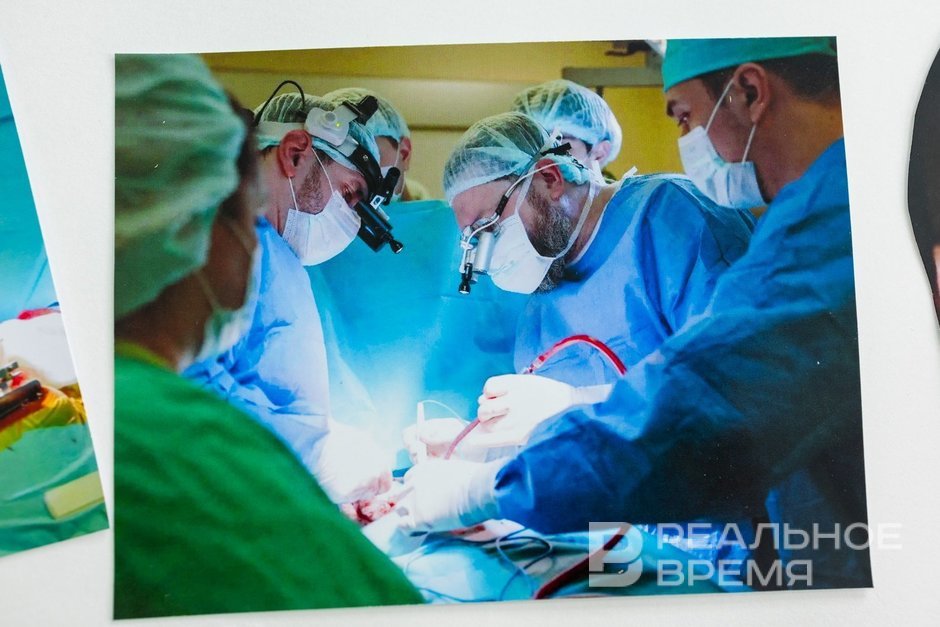
“Renat Suleymanovich operated on a stopped heart. And I — on a beating one”
Every doctor has certain preferences in surgery. For example, Roman Kutdusovich operates on a live heart — he does not like to use the heart-lung machine. There are several reasons for this. First, an operation on a working heart lasts almost twice as short. Second, statistically more complications arise after the HLM. Third, weaning a patient off the heart-lung machine is a separate complex task. And, finally, on the HLM an experienced perfusionist must control the condition during the operation. And Roman Kutdusovich prefers to keep all control over the situation in a single center — in his head. He is one of the first cardiac surgeons in Tatarstan to begin operating on a working heart. And now City Clinical Hospital No. 7, where he heads the newly created cardiac surgery department, leads the republic in such interventions.
— How Renat Suleymanovich operated — it is simply a fairy tale. But he did operations on a stopped heart, under artificial blood circulation. And I prefer to operate on a beating one. I will not say that I have outdone my teacher, but I consider that this is a step forward, toward the further development of our specialty, says the doctor.
We ask: is it really not frightening to perform manipulations on a beating heart? After all, on the operating table is a living person, this is enormous responsibility. The doctor admits:
— Of course it is frightening. It is always frightening. After all, all patients, all hearts are different. But if I am going to be afraid — who will do it? I must see the living heart when I operate. Here everything is before my eyes, everything is decided in seconds. One must operate very precisely and quickly. This is no adventurism at all; it is cold calculation. I like it more this way, the doctor smiles.
They began to work this way back at the MCDC — mainly the young surgeons. The experienced guard preferred the old way, on a stopped heart, on artificial blood circulation. In 2017 our hero was invited to work at the medical unit of KFU — when this clinic began to develop rapidly and a medical cluster appeared at the university, they also decided to open a cardiac surgery department there. This decision was promoted by Almir Abashev, now the Minister of Health of Tatarstan. A team from the MCDC moved to establish this work there: an anesthesiologist and three surgeons.
By that moment cardiac surgery operations in Tatarstan were done only at the MCDC and — very selectively — at the BSMP of Naberezhnye Chelny (Kazan medics helped establish the work there). The KFU medical unit was to become the second center of cardiac surgery in the republic.
At first cardiac surgery beds were allocated on the basis of the vascular department of the medical unit. Four doctors — this is already a serious team, but the nursing staff had to be prepared for cardiac surgery operations from scratch. Then our hero also gained great experience in organizing work in the department. And in this newly created department it became a rule to operate mainly on a working heart and to develop this direction in the republic.
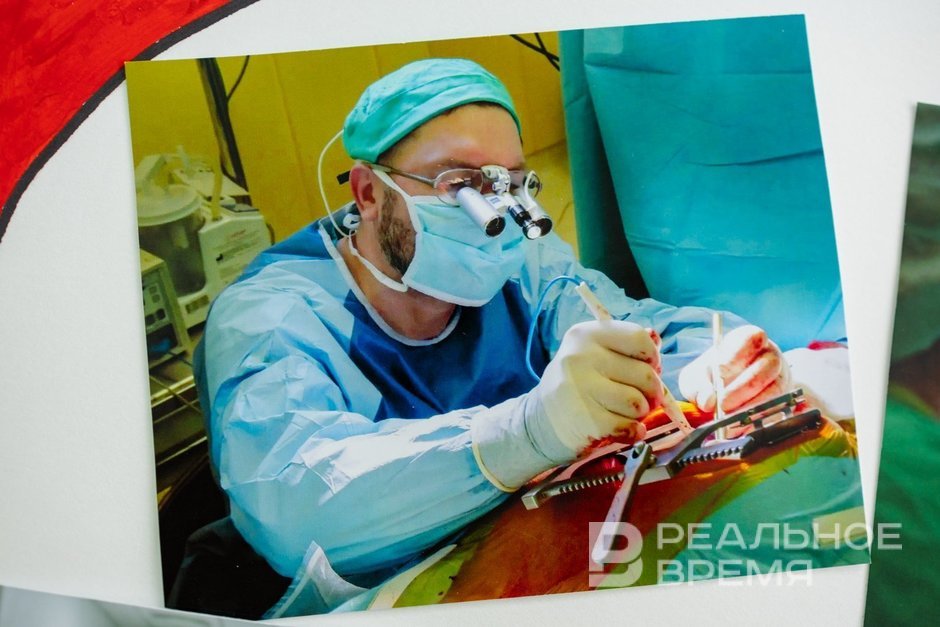
From a rat's heart attack to one's own — one week
At the KFU medical unit Roman Kutdusovich saw a huge advantage for himself: it is the base of the University's Institute of Medicine. And that means here one could engage in fundamental science — conduct experiments in the laboratory on animals and study physiology more deeply, in order then to understand the clinic more deeply. This is what caught him. He wanted to see prospects ahead — and he saw them in science. Roman Kutdusovich entered the postgraduate course of the well-known Kazan physiologist Professor Timur Zefirov. He prepared and wrote his candidate's dissertation.
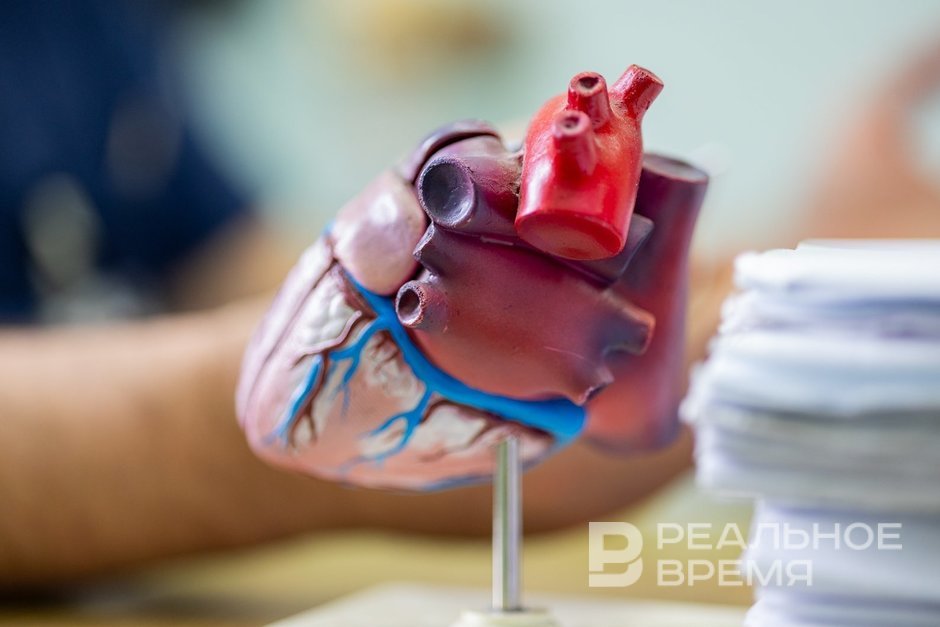
— I experimented on rats — modeled a heart attack on them, described in detail all the phases of its development and what unfolds physiologically in the tissues in the remote consequences. For example, a year later (for a rat in the scale of its life this is the analogue of decades in the scale of a human life, — author's note). The main thing here was this: all the works describing a heart attack are based on what happens when the patient has already had it. When the heart attack already exists, it develops and is diagnosed. And I learned to see how it begins and unfolds, what happens physiologically — from two minutes to a year-long remote result. That is, I looked into that area which medics never see. And my dissertation is devoted to how to work with a heart attack at the first, earliest stages. The survival of the animals after my operations was about 80%, the doctor explains.
In 2023, a week before defending his dissertation, Roman Kutdusovich was at work, operated all day, but did not feel well. By evening an electrocardiogram was taken — and the doctor with all horrifying clarity saw the picture of his own extensive heart attack. He was immediately taken for coronary angiography, and he, being fully conscious, directed the placement of stents to himself. The nurse-anesthetist, who now works in his department at the “seven," still recalls that day and that coronary angiography.
The “iron man” did not postpone the defense. Barely getting up from the hospital bed, he went to the dissertation council.
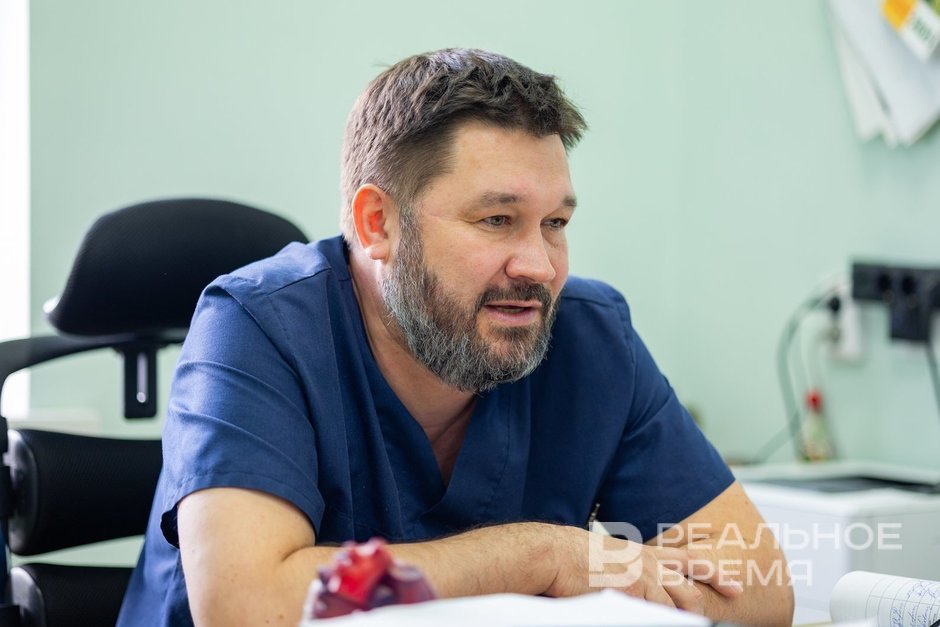
Cardiac surgery of the future — not in transplants, but in autotransplantation
Roman Kutdusovich possesses a rare and very important quality of thinking for a doctor and scientist: he always evaluates a situation not from the beginning of its development, but depending on the desired result. That is, he looks into the desired future and from it builds the path to the present. That is how a dream appears, which thanks to vigorous stubbornness gradually turns into a plan.
So it is in science too. Our hero looks far ahead and is sure: to develop the clinic without understanding the physiology of the processes leading to diseases is a dead-end path. It is necessary that the doctor understand physiology — this in perspective will help get rid of an enormous multitude of problems. For example, it is no secret that cardiologists still do not understand the physiology of the formation of cholesterol plaques; no one knows what launches this process. But everyone knows what it leads to, and on this the whole clinic of combating ischemic strokes and heart attacks is built. If scientists unravel the physiology of the process — they will be able to “switch it off” still at the stage of inception, and this will save billions of people. And this is only one of hundreds of unsolved medical problems. Therefore Roman Kutdusovich bets on fundamental physiology and plans to engage in science further.
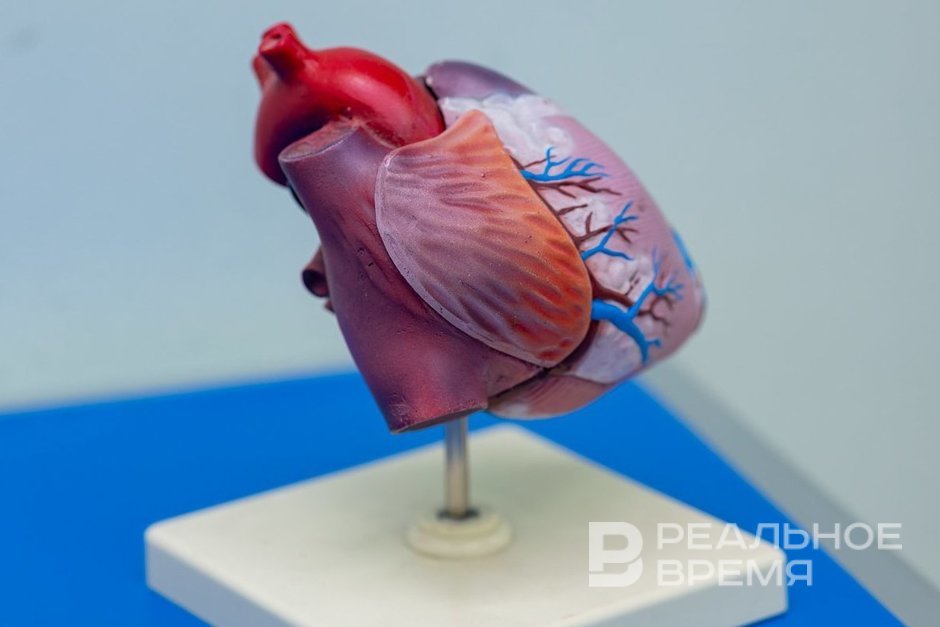
He sees the future of cardiac surgery not in brilliant heart transplants from a dead person to a living one. And not in endless bypass surgeries. In his picture of the happy world of our children and grandchildren — autotransplantation, when a new heart for a person is grown from his own stem cells and “finished” in detail on a bioprinter. And stenting is performed with stents that dissolve over time, which are placed not on calcified and “clogged” vessels, but on elastic and living arteries. After all, let us recall, by that time the physiologists will have unraveled what the deposits of cholesterol begin with… A scientist, surgeon, dreamer — Roman Kutdusovich is sure that we will see all this in our lifetime. And he very much wants to lay in Kazan the scientific foundations of the medicine of the future. At the same time he perfectly understands that he is going to sow what he will not reap himself. Decades will be required to introduce into general practice the results of brilliant experiments. But he is sure: the future belongs to fundamental science, and it develops by whole generations of scientists.
— I want to sow a seed from which a large field will subsequently grow. Now what I am talking about seems like fantasy. But read Jules Verne. 150 years ago he described our present. Things that seem like fantasy to us are in fact quite near, the doctor explains. — Fortunately, now our government has finally turned to face fundamental science, including toward educators.
He and Timur Zefirov still have many ideas about how to compose a symbiosis of fundamental science and cardiac surgery. The doctor dreams of creating a heart laboratory at the university. And he is gradually moving toward this: equipment is being gradually purchased, plans for experiments are being thought through. Ahead are experiments on animals and new brilliant ideas. Roman Kutdusovich sees his remote future precisely in departmental work; his academic career is only beginning.
And he also reflects on how to inspire future doctors. In his opinion, the shortage of “burning” youth today is explained not by the fact that the youth are bad. But by the fact that no one “ignites” them. Therefore the presence of teachers who will be able to plant in their students the seed of love for the profession is one of the most important stages in building the ideal medicine of the future.
— After all, there is a shortage of teaching staff. I am now entering that period of life when I think that it is necessary to pass on my operating experience to someone. After all, someday the end of a big surgical career will come. I need to share my developments; after all, I do not begrudge them and I am not afraid of competition. A student is plasticine. What you mold from him — that is what you will get. Therefore I am endlessly grateful to all my teachers. To all those who met on my professional path and directed me. If you have interested a person in your subject — he will run after you like a tail and catch your every word. And if you treat him carelessly and wait for him to get off your back, he will treat you the same way, our hero reasons.
“The cardiac council in our clinic has no analogues”
And for now Roman Kutdusovich is still in the prime of his surgical talent. Now he is developing the cardiac surgery department at City Clinical Hospital No. 7 named after M. N. Sadykov. It turns out that throughout his entire career he has been progressively building the main points of cardiac surgery in Kazan. Now at the “seven” Roman Kutdusovich single-handedly heads the department and builds it according to his ideals (and under his responsibility).
In this clinic there are four cardiology departments — we were told about how the service of treating heart diseases was organized here by the chief freelance cardiologist of the Republic of Tatarstan, Zulfiya Faritovna Kim, who works in this hospital as deputy chief physician. Our hero has known her since his student days at the “fifteen.” Later, already having become big doctors, they somehow got to talking about the fact that they should start taking patients with acute heart attack into the operating rooms — and this would help save more lives. To the “seven” a multitude of patients with heart attack were constantly hospitalized, but in the absence of cardiac surgery people were either treated conservatively or routed for an operation to the MCDC. Moreover, in accordance with the old school, the operation must be done when the heart attack has already stabilized, “in the cold phase.” The lion's share of such surgery is performed already in the scar stage.
But the problem was that not everyone can live to such an operation. In order not to lose patients, the Kazan cardiac surgeons introduced the practice of emergency cardiac surgery operation. This is what Roman Kutdusovich's dissertation was devoted to — operations in the acute phase, when the heart attack is stopped right on the surgical table. And today the “seven” is the only cardiac surgery in Kazan where they operate not only electively but also urgently. This is another new step of Tatarstan medicine.
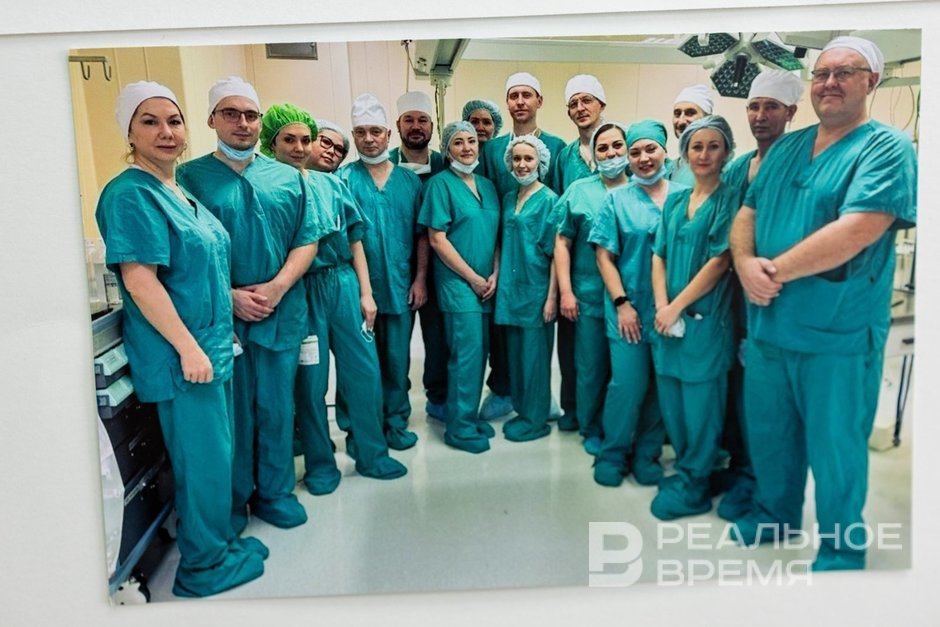
The first operation on a working heart at the “seven” Roman Kutdusovich performed in 2023 — the patient was brought by air ambulance from Nizhnekamsk. For some time Roman Kutdusovich worked in this hospital as a cardiac surgeon attached to the vascular department. And in 2025 a whole department was created for cardiac surgery, headed by our hero. Here there are 24 surgical beds and six intensive care beds.
— I am very grateful to our chief physician, Artur Markosovich Delyan, for the fact that thanks to his support, ideas and efforts our department was opened at City Clinical Hospital No. 7 and the cardiac surgery service was organized. His role in this process cannot be overestimated. Our department deals with the whole spectrum of cardiac surgery interventions, says Roman Kutdusovich. — The lion's share is, of course, coronary bypass surgery. Since our clinic is after all an emergency one for heart attacks, a decision is made for each patient: either to treat him conservatively, or the angiosurgeons stent him, or we operate. The cardiac council in our clinic (which is headed by Zulfiya Faritovna, I and Marat Akmaletdinovich Mingazetdinov, the head of the department of X-ray surgical methods of diagnosis and treatment), in my opinion, has no analogues. We have created a symbiosis that can only be boasted of. We manage not to pull the patient each to our own side, but to jointly choose for him the most effective method of treatment. We have mutual understanding, zero competition. I have nowhere seen doctors of different directions (therapeutic, minimally invasive and major surgery) hear and understand each other so well. We decide the question in favor of the patient, and not in favor of which of us is cooler.
Besides coronary artery bypass grafting, the cardiac surgeons of the “seven” perform combined operations (bypass plus plastic surgery of the heart valves), do isolated prosthetics of the heart valves, treat aortic dissection, operate on aneurysms, and have mastered endoscopic prosthetics of the aortic valve. In a year and a half several heart transplants have already been performed. Plus an arrhythmology service works, and operations in this part are also performed. Thus, here the whole spectrum of cardiac surgery interventions is presented.
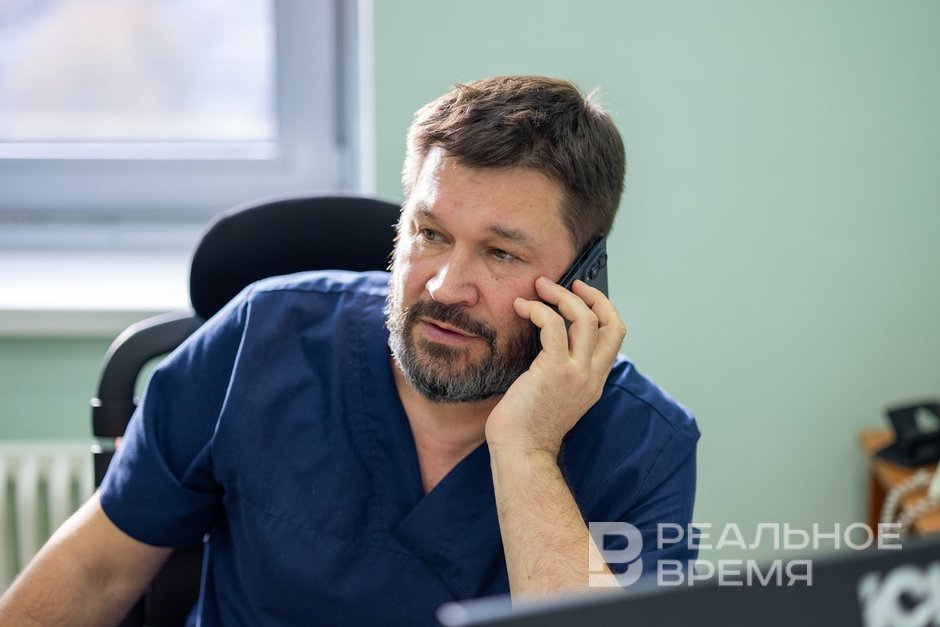
“I do not instill fear in my patients”
As a true doctor, Roman Kutdusovich becomes involved in the problems of his patients. Before him is not an abstract mechanism for repair: he always has human emotions. He admits: he treats many patients as his close people. He tries to cheer them up. He gets angry and “explodes” when a patient has a funeral mood and intends to say goodbye to his loved ones before the operation.
— I even begin to growl: “What is this you have thought up for yourself? You came here to be treated, not to say goodbye!” In general, I try, of course, to support and make them laugh. We now have one ward where only grandmothers lie, all operated on. I come in to them on my round and shout from the threshold: “Hi, youth!” They need to smile, the doctor laughs. — They laugh, and I continue: “Well, what do you want? Your heart has been repaired. Now it is open for love, so go ahead!” I do not instill fear in my patients. I, on the contrary, prove to them that now everything will be fine.
The average age of patients in cardiac surgery is growing. If 10—15 years ago the average age of a person with ischemic heart disease going into surgery was 62—63 years, now the average age in Roman Kutdusovich's department is 73 years. This means that the life expectancy of chronic cardiological patients is growing. But the main thing is not even in this. The goal of an operation at this age is not so much to prolong life as to improve its quality. Because now a seventy-year-old person very much cares about whether he will live well. Whether he will be able to be active. Whether he will rejoice every day. That is, in society the paradigm has shifted, and old age is being postponed “for later.”
And how does the doctor cope with death? The mortality from the operations he undertakes in recent years is less than one percent. But, like any surgeon, our hero also encounters it. Roman Kutdusovich admits: he experiences very hard the situations when a patient passes away. Doctors are not gods; death does happen. Roman Kutdusovich perceives it not as his personal failure — he is not that selfish. He sees death through the eyes of his patient's family: after all, it is he who will have to talk with his relatives afterwards and inform them of the death.
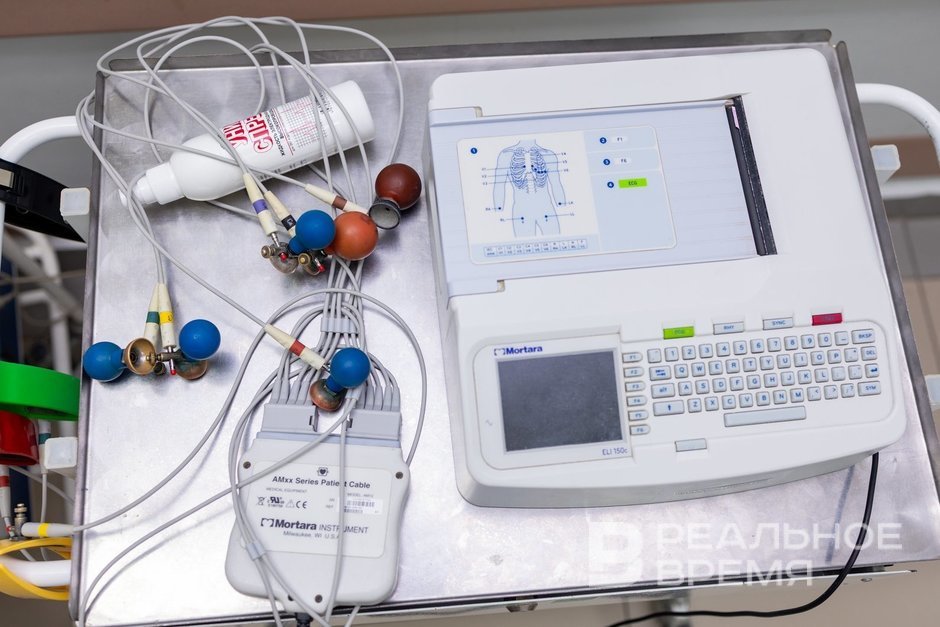
“In Russia doctors are not taught to draw beautiful pictures”
Roman Kutdusovich gathered the collective of the department from various clinics and departments. And the result was a team in which everyone is charged, everyone works for one cause. Here there are 25 people, of them nine doctors — surgeons and anesthesiologists. Our hero explains that he is not a strict but a fair leader. He does not like to scold — he says that he will prefer not to reprimand a person even if he has made a mistake. But he expects that the employee will realize his mistake, otherwise there is a risk of its repetition.
In a day the doctor himself performs one or two operations. He says he would do more, but administrative work absorbs a huge time resource of the head of the department. Roman Kutdusovich, like most heroes of our column, does not like filling out documentation, but there is nowhere to go; the official regulations have not been cancelled.
During his long career our hero has more than once traveled abroad: to do a traineeship with renowned surgeons. For example, he spent a week in Leuven to gain experience from the world-famous Belgian cardiac surgeon Paul Sergeant. He received a diploma of training, but in the end the Belgian surgeon Sergeant could teach the Russian surgeon nothing — it turned out that our doctors both operate many times more and apply analogous techniques, and have incomparably fewer operating complications. There was once a thought in our hero to go to work in Europe, but the very first interview with a respected surgeon in Slovakia ended in refusal: the doctor spread his hands and said: “We do not perform the operations that you do. I simply have nothing to offer you.” There were other offers later, but Roman Kutdusovich chose to stay in Kazan: here he has the opportunity to grow, develop and save more lives. And on the subject of the glorified surgeons of Europe he now has a quite definite opinion: no small share in their glorification is contributed by marketing.
— My castles in the air have been broken. Europeans present their work very beautifully at conferences. In Russia doctors are not taught to draw beautiful pictures. But we do all the same as they do, twice as fast, more safely and technically more competently, Roman Kutdusovich spreads his hands. — But in what we lag behind — that is in technologies and in equipment, this is true.
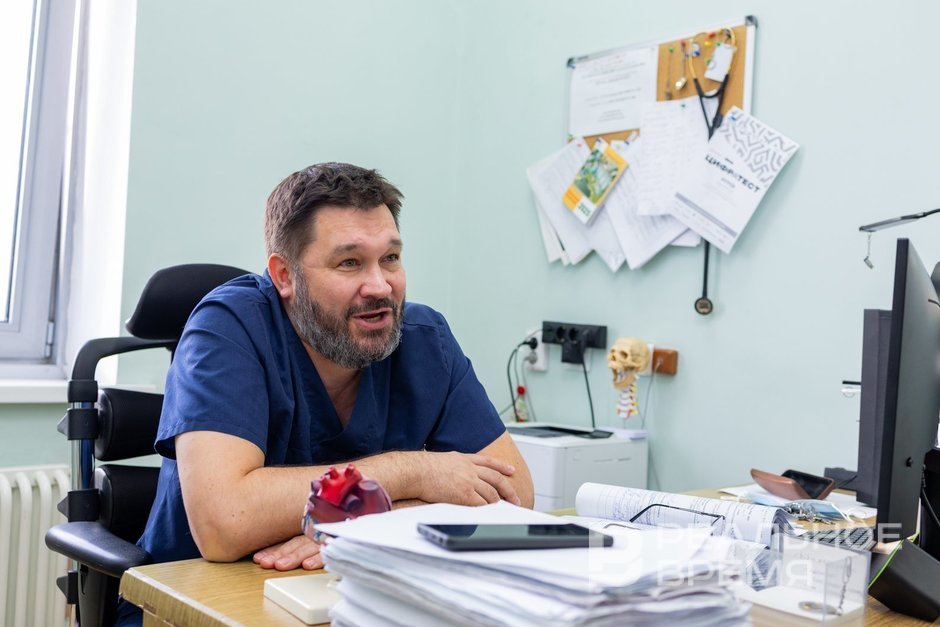
“Maybe the fact that I got into medicine is fate?”
Our hero talks a great deal about his family. Two grown children have already flown out of the nest and dispersed to other cities: his daughter has chosen a singing career, his son will become an economist. Roman Kutdusovich and his wife remained to live in Kazan. He says that he is very happy in marriage: he and his wife have made an ideal marital tandem. And it also came together thanks to his parents, who once introduced the young people. So the family story in the life of our hero plays an enormous role.
In the formation of his character the doctor sees an enormous influence of his grandfather. He recalls what a strong, courageous and honest man he was. How he related to life and by what rules he tried to live. Roman Kutdusovich recalls that sometimes he and his grandfather did not even have to talk — they understood each other without words.
— He went through the war, was a cavalier of several orders, but he never went to parades and did not wear his orders on display. I said to him: “These are your merits, why do you hide them?” And he answered: “These are not merits. It was a war. We killed, and they killed us.” I did not understand then. And now I think about this: maybe the fact that I got into medicine is my fate? Maybe I am working off the karma of the clan? Grandfather was forced to take lives, and I — to save them? the doctor reflects.
Our hero has various hobbies. Exercise and walking allow him to keep himself in good physical shape — as a medic who has himself gone through a heart attack, Roman Kutdusovich understands that movement is life. In winter he respects hare hunting: he says the most interesting thing in it is to walk along a tangled track, and not the very process of killing the animal. He likes to solve puzzles, especially spatial-logical ones (apparently, professional activity tells here, because an operation is a sort of the same puzzle).
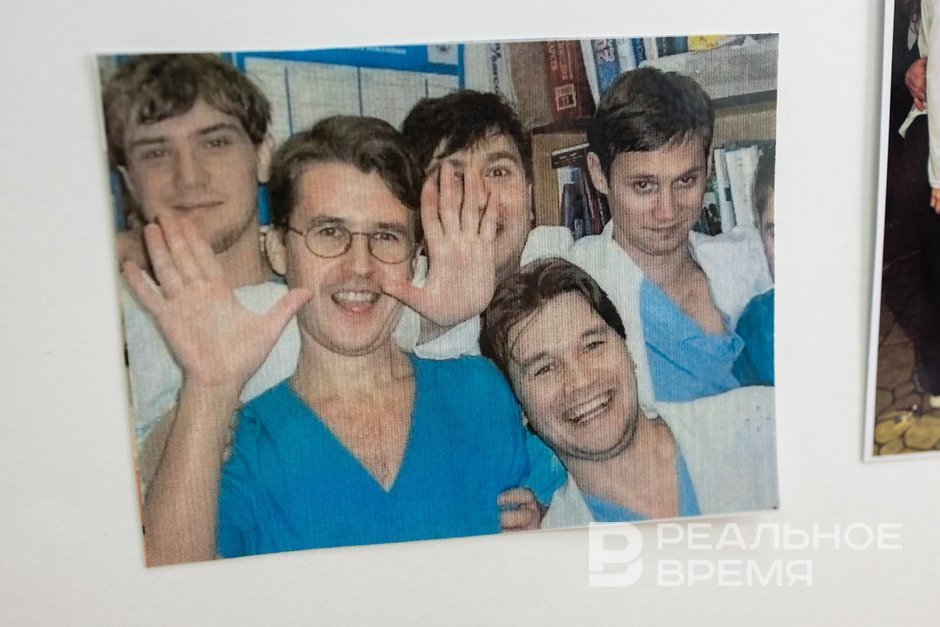
Roman Kutdusovich reflects: now, when he has already turned 50, one can look back and see what has come out. He is sure: if not for his stubborn and sharp character, formed in his youth, he would not have managed to achieve what he has now. And there is much. Study with the legends of Russian cardiac surgery — academicians Akchurin and Chazov. A bold career as a surgeon. A unique scientific idea embodied in his candidate's dissertation. Here already the third cardiac surgery department in his life, which he and his colleagues created from scratch. The unconditional love of the staff of the department, which we see with our own eyes: during our conversation the office is generously decorated with balloons, posters with congratulations and an improvised wall newspaper with a photo chronicle of Roman Kutdusovich's life…
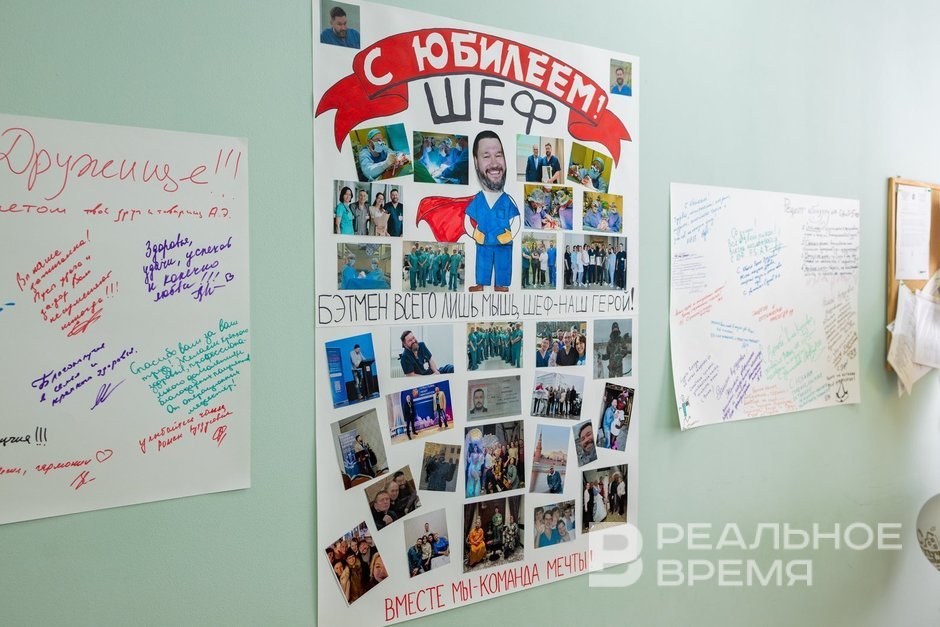
The doctor admits: he is, first, a fatalist, and second, he believes in the existence of a higher power, a higher mind. That is why he hates it when other doctors allow themselves to consider their actions something akin to divine intervention. Doctors are just people, and far from everything is in their power. Although they can do much (and by this, from the point of view of our hero, among other things, they hinder the design of the higher power). To the question of what he loves most in his business, in his work, the doctor answers with a smile:
— Beauty. For me the main thing is to do what no one knows how to do, and to do it so that it is beautiful.