Ber, ike, öch, dürt: how Russians perceive Tatarstan
Mintimer Shaimiev, Rustam Minnikhanov, chak-chak and traffic police cameras — the main associations of Russians with the oil republic
The research company “PromRating” conducted a large-scale sociological study to find out with what symbols and images the residents of Russia associate Tatarstan. The study showed that the perception of the republic by Russians is formed at the intersection of historical distinctiveness and modern achievements. As a result, nine key directions were identified by which respondents form their image of the region. “The main problem of Tatarstan's image lies not so much in insufficient recognizability as in the incompleteness, the fragmentariness of knowledge about the republic. According to our study, 97.6% of the surveyed Russians have at least heard about Tatarstan, however only 23.7% consider that they are well acquainted with the region. Another 49.8% have only a general idea of it," the head of the research agency “PromRating," Anton Glukhov, told “Real Time.” Details — in the material of the publication.
Architecture and historical heritage
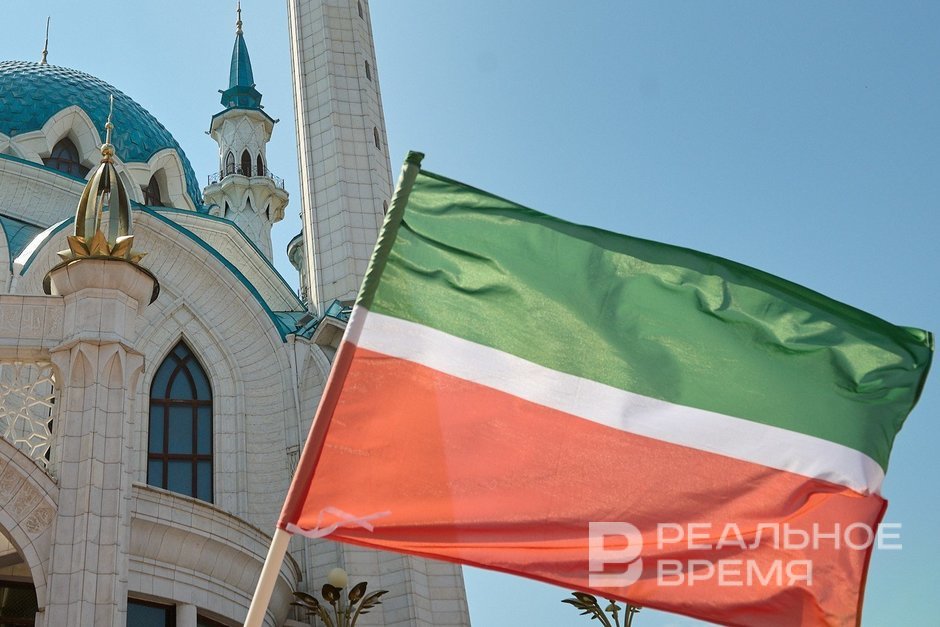
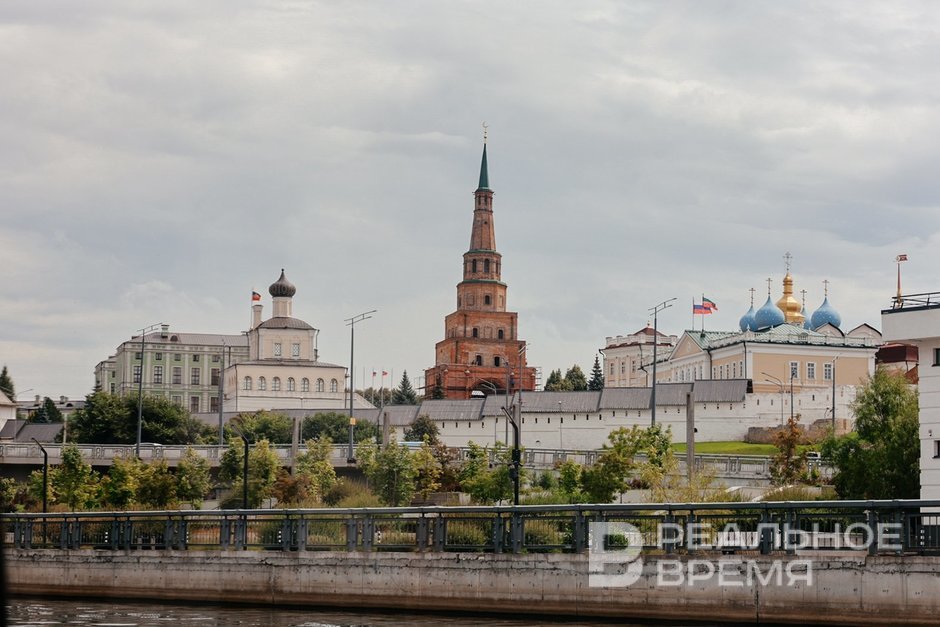
The main architectural symbols of Tatarstan have become the Kazan Kremlin, the “Kul-Sharif” mosque and the Syuyumbike tower — they personify the rich cultural and historical past of the region. The modern appearance of Kazan is complemented by the family center “Kazan," the pedestrian Bauman Street and other landmark objects of the urban environment.
National culture and traditions
Tatarstan is firmly associated among Russians with national traditions. The Sabantuy festival has become the main symbol of Tatar culture, and the oriental color is perceived as a unique feature of the region located in the center of Russia. An important role is played by the national language, traditional costumes, skullcaps, ornaments, music and dances.
Gastronomy
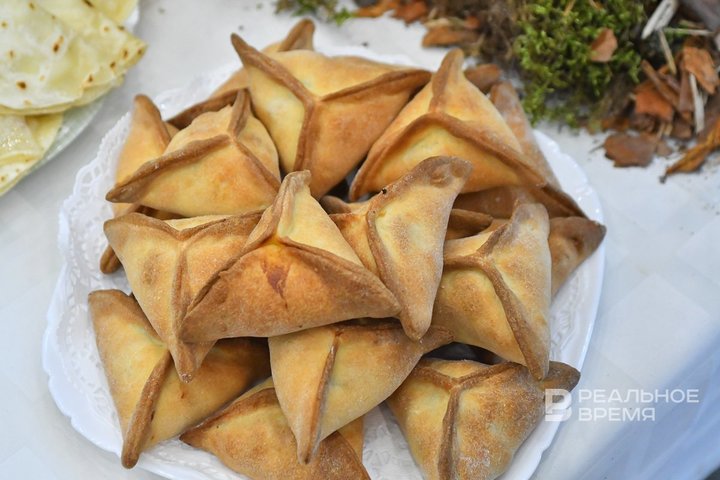
National dishes occupy a special place in the perception of the republic. Chak-chak, echpochmak, kystyby, kazylyk (horse sausage) and gubadiya entered the number of the most recognizable symbols of the national cuisine. Many respondents noted that gastronomic features become an independent motive for a tourist trip.
Economy and industry
Russians see Tatarstan first of all as a large industrial center. Oil extraction (“Tatneft”), the production of KAMAZ trucks, the tire industry of Nizhnekamsk, aviation plants and the special economic zone “Alabuga” have formed a stable economic image of the region.
Sport and major events
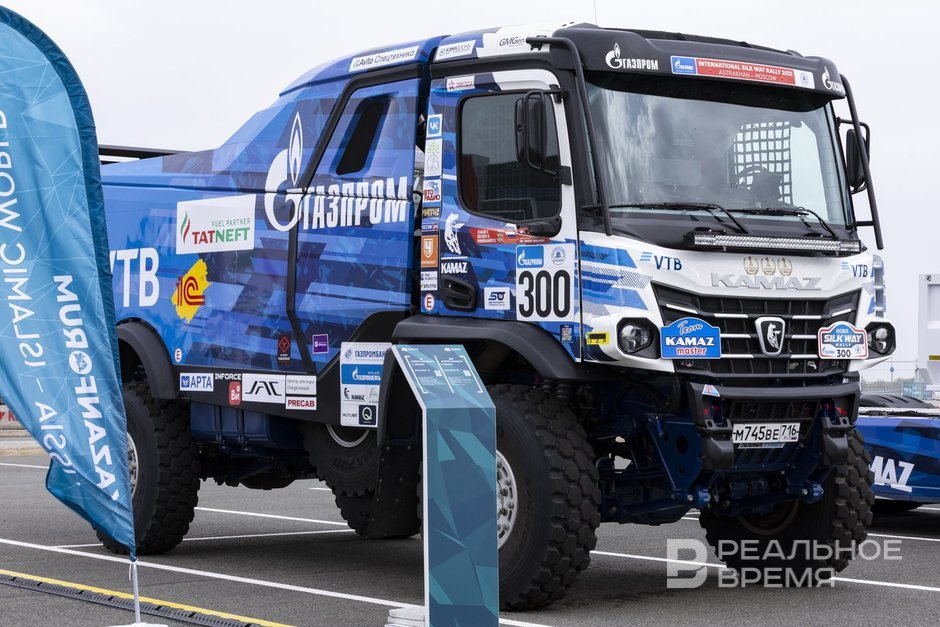
Sport plays the most important role in forming the image of Tatarstan. The hockey club “Ak Bars," the football “Rubin," the volleyball “Zenit-Kazan," the basketball UNICS and the “KAMAZ-master” team regularly attract the attention of the whole country. The 2013 Universiade has special significance, having left a noticeable trace in the ideas about the republic.
People personifying the republic
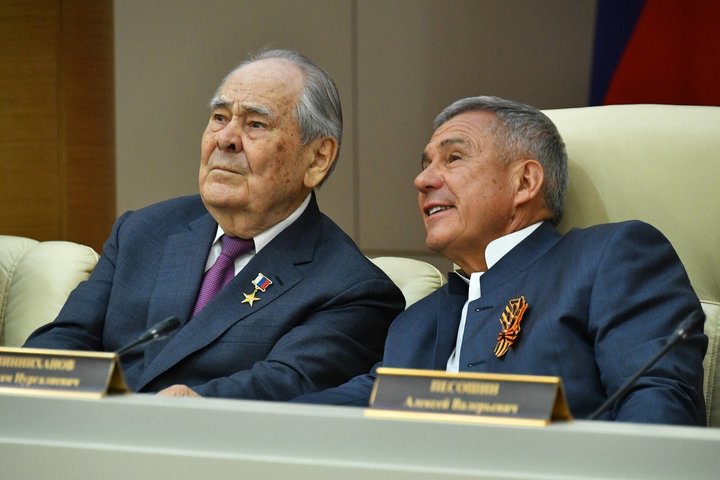
Among the personalities most often mentioned by the participants of the survey, the leaders are President Rustam Minnikhanov, ex-President Mintimer Shaimiev, the poet Gabdulla Tukai and the writer Musa Jalil. Among famous athletes Alina Zagitova, Kamila Valieva, Marat Safin stand out, and among artists — the singer Alsou.
Modern development
The key modern symbol has become the capital of innovations — the city of Innopolis. Kazan is perceived by residents of other regions as a modern metropolis of federal level with developed infrastructure, well-maintained courtyards, good roads and interchanges. Separately it is worth noting a special association — traffic police cameras.
— Road fixation cameras look like a rather unexpected symbol of the region, considers the head of the research agency “PromRating," Anton Glukhov. — However from the point of view of the sociology of everyday perception this association is quite explainable. Tatarstan has long formed the image of a republic with developed road infrastructure and the active application of modern traffic organization systems. For motorists, especially those coming from other subjects of Russia, acquaintance with the region begins not with the Kazan Kremlin or the national cuisine, but with roads, interchanges, road signs and photo-video fixation complexes. Moreover, the republic really occupies noticeable positions in the all-Russian statistics of road fines. Based on the results of past years, Tatarstan was in the top three regions by the number of rulings issued on the basis of data from photo-video fixation cameras. In 2025 the region also remained among the leaders by the number of fines for traffic violations. The perception of these technologies is ambiguous. On the one hand, cameras are associated with discipline, control and modern safety systems. On the other — they cause irritation because of the risk of fines and the feeling of excessive supervision of drivers. Thus, traffic police cameras have become a kind of everyday symbol of Tatarstan. This is an example of how the everyday experience of interaction with regional infrastructure is capable of creating stable associations alongside traditional cultural and historical symbols.
Geography and natural symbols
The geographical position of Tatarstan largely forms its image. The Volga and Kama are perceived as the main water arteries of the region, and the cities located along these rivers — as the calling cards of the republic. The natural landscapes of flatland forests and fields also enter the associative series.
Eventfulness
Besides sport, national holidays, international forums and running marathons play an important role. The traditional Sabantuy holiday is one of the main event symbols of Tatarstan.
The main conclusion of the study is that the image of Tatarstan is formed not only by historical traditions, but also thanks to the dynamic development of the economy, infrastructure and technologies. The republic is perceived by Russians as a territory with a pronounced cultural identity, a rich heritage and great potential for future growth.
Among the stereotypes — the belief that without knowledge of the Tatar language it is impossible to work in the republic
— The main problem of Tatarstan's image lies not so much in insufficient recognizability as in the incompleteness, the fragmentariness of knowledge about the republic. According to our study, 97.6% of the surveyed Russians have at least heard about Tatarstan, however only 23.7% consider that they are well acquainted with the region. Another 49.8% have only a general idea of it, considers Anton Glukhov.
Tatarstan is far better known in the nearest regions of the Volga area, as well as in part of Central Russia and the Urals. “But even here differences between generations are noticeable. In the stories of representatives of the older generation the image of still Soviet Tataria is sometimes preserved, while the youth not rarely form an impression of modern Tatarstan through short videos, publications of bloggers, sports events and the tourist sights of Kazan," explained the head of “PromRating.”
In the materials of qualitative interviews erroneous geographical associations are encountered, the mixing of Tatarstan with the republics of the Caucasus and ideas of it as a territory with a completely different cultural and linguistic environment. “Among such stereotypes — the beliefs that without knowledge of the Tatar language it is impossible to work in the republic, that Tatarstan is effectively isolated from the rest of Russia or that it will be hard for a newcomer to adapt to the local traditions," said Anton Glukhov.
— It even reaches curious situations. In one of the interviews a respondent told how natives of Tatarstan or Bashkortostan were asked how they got to Russia and whether a visa was required for this. Of course, this concerns individual cases, and not a mass idea. However the very fact of the appearance of such questions is very indicative. Women and girls treat Tatarstan substantially more warily. There is a widespread opinion that their rights in the republic may be noticeably infringed on the basis of sex, he added.
Among the characteristic definitions of Tatarstan: “distinctive," “developed," “modern," “well-maintained," “rich," “national," “industrial," but also “unknown," “unfamiliar," “not ours," “other.”
— For the residents of the Volga area the image of an economically developed and well-maintained region is especially characteristic. In the materials of the Central Federal District national-cultural and historical associations play a noticeable role. In the Northwest the architecture of Kazan, the urban environment and Tatar culture are more often highlighted. In more remote regions the ideas about Tatarstan may be less concrete and more ambiguous. If one tries to generalize the whole complex of associations in one word, the most capacious for me seems the definition “distinctive” against the background of the many other regions of the Russian Federation that resemble each other, said the head of “PromRating.”