Women are increasingly reluctant to have children, a child means poverty: what will Tatarstan come up with?
The State Council has adopted the draft 2026 budget with 50.3 billion rubles in federal injections, of which 13.8 billion have once again been allocated to road construction
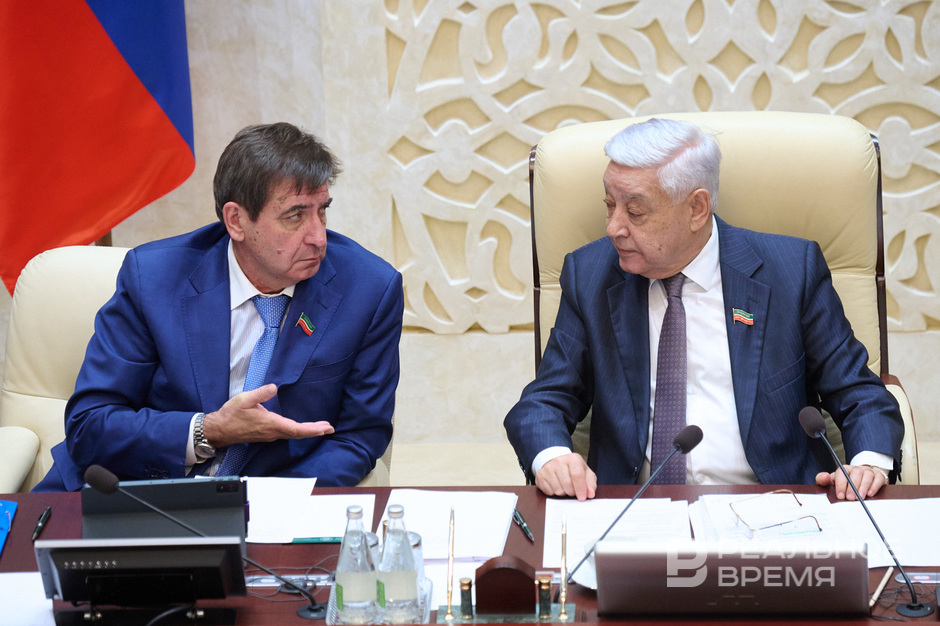
“Birth rates have fallen, women are less and less willing to give birth. Today, the notion of ‘child’ means poverty, whereas before it meant family and joy. Even in the Caucasus, where large families are a tradition, birth rates have fallen,” deputy Ruslan Yusupov said emotionally during a session of the Tatarstan State Council, hinting at the need to adopt additional measures to stimulate the birth rate in the republic. Yet an hour earlier, parliamentarians had adopted the draft republican budget for 2026 and the planned period of 2027–2028 without much discussion — and nothing new seems to have been added to the federal maternity capital programme. The problem emerged elsewhere: the oncology dispensary lacks expensive equipment, and residents of Nizhnekamsk are asking for a branch of the Republican Clinical Oncology Dispensary to be opened in their city — the fourth in the republic. Read more details are in Realnoe Vremya’s report.
A budget play in two acts
Debate on the republic’s main financial document, one might say, never really took place. The draft republican budget for 2026 and the planning period of 2027–2028, adopted in its first reading on 29 October, underwent significant adjustments in November in connection with the “stitching in” of federal transfers. As Realnoe Vremya has previously reported, the republic will receive up to 50 billion roubles annually in federal co-financing for the implementation of national projects, and on the eve of the vote the opposition CPRF faction in parliament withdrew its 16 proposed amendments totalling 23 billion rubles.
The updated, “recapitalised” version of the budget was presented for discussion at the second reading today. In the end, parliamentarians adopted it in its final form without proceeding to a third reading. Evidently, no further budget inflows are expected, and the play closed in two acts.
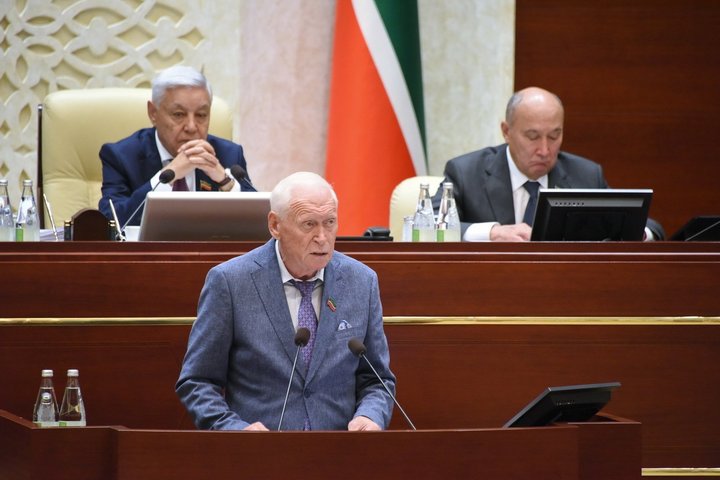
Presenting the amendments, the head of the budget committee, Leonid Yakunin, announced that federal receipts next year will amount to 50.3 billion roubles, and in the following two years — 42.9 billion and 46.6 billion roubles respectively. Based on this, the Tatarstan government prepared 324 amendments redistributing expenditure commitments within republican programmes. The changes affected 122 budget expenditure items — in the printed version of the budget the adjustments took up 481 pages, he noted.
Here Yakunin for the first time named the areas that will receive additional co-financing under national projects. The most capital-intensive were road construction (13.8 billion roubles) and agricultural support (13 billion roubles). The remaining 21.1 billion roubles were distributed between education (6.7 billion), healthcare (3.4 billion) and culture (0.6 billion).
In the final version, revenues amount to 552.2 billion roubles, expenditures to 566 billion, and the deficit to 13.8 billion roubles. The Tatarstan State Council adopted the budget without disagreement. Just as swiftly, deputies voted to extend tax incentives for developers of three-star hotels and above with at least 50 rooms.
The State Council selected twenty public representatives for the chamber
Afterwards, twenty representatives were selected who, under the State Council’s quota, will join the Public Chamber. Its mandate expires in early 2026. The total membership is 60 people. According to the charter, one-third is formed by the parliament, another third is approved by the rais, and the remaining twenty are chosen by NGOs, deputy Rinat Fazylov said.
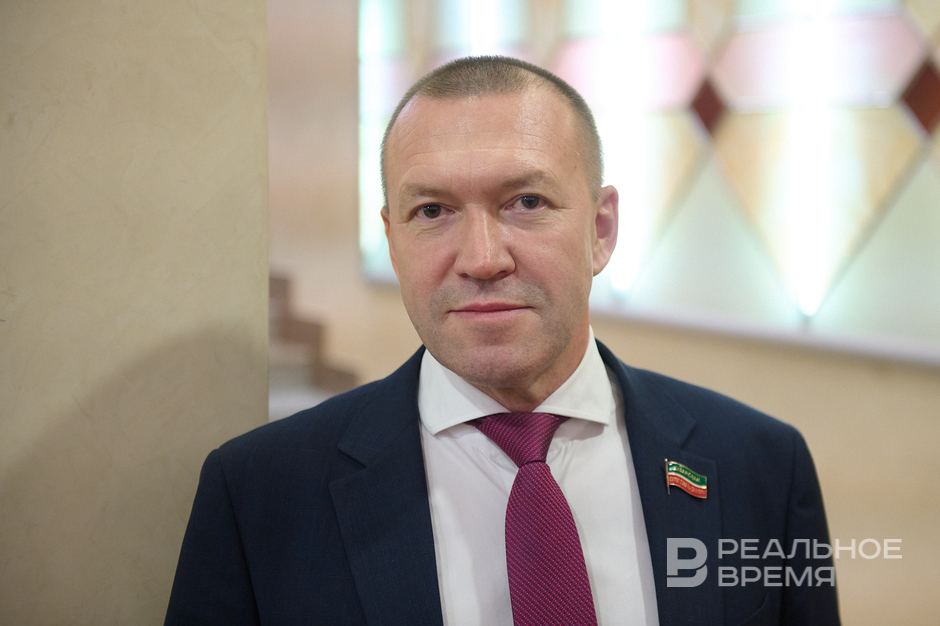
Parliamentarians chose their representatives through a ranked vote from a pool of 30 candidates. Those receiving the most votes included Irina Aleksandrovskaia, head of Gymnasium No. 93 named after Pushkin; Ildar Bayazitov, chair of the board of the Yardam-Pomoshch charity foundation; Evgeny Gibin, founder and head of the Road Element Group; and Timur Kadyrov, director of the House of Friendship of the Peoples of Tatarstan. Among those elected was also Natalia Topal, a defender of historical heritage. The rais’s list of twenty public representatives has not yet been determined.
A Tatarstan-style SPIC
Deputies returned to the economic agenda when discussing amendments to the republican law “On Investment Activity in the Republic of Tatarstan”. These are linked to changes in the federal law on SPICs. This mechanism is scarcely used in Tatarstan, as the Investment Development Agency has previously noted. Deputy Marat Galeev explained why. The federal law on the protection and promotion of investments was adopted in 2020, but practice revealed insufficiently precise wording, prompting substantial amendments on 4 November this year.
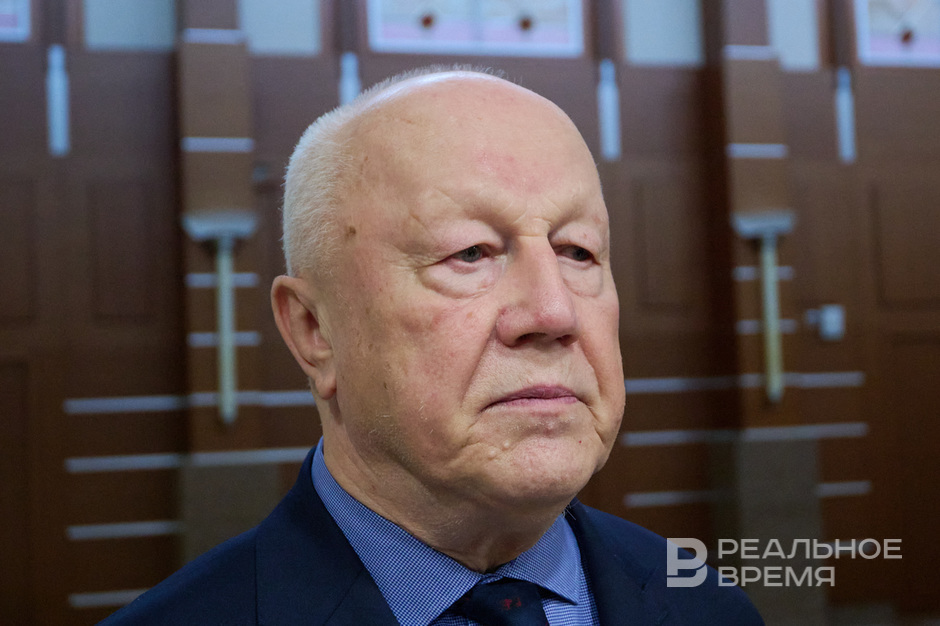
What is their essence? Investors who put money into developing infrastructure for significant projects may now expect state compensation for these investments from the budget. In what form should this compensation be provided? “This question has always created certain difficulties because reimbursement of budget funds always requires absolute clarity,” Galeev remarked. Subsidies (direct budget payments) and tax refunds (compensation through tax benefits) are now envisaged.
An audit will be conducted when determining the size of subsidies. “And this also costs money, which has been incorporated into the investment activity law,” Galeev explained.
“At present the bill is fully ready. Positive conclusions have been received from the legal department of the Tatarstan rais, the Ministry of Justice, our legal department and the prosecutor’s office. The committee, having reviewed all the conclusions, recommends adopting the bill in the first and third readings. We ask for your support,” Galeev said.
The amendments to the Tatarstan law “On Investment Activity in the Republic of Tatarstan” were approved without objection.
“Women are less and less willing to give birth”
State Council deputy Ruslan Yusupov expressed concern about insufficient material support for mothers raising children. He did not propose specific measures to stimulate the birth rate in the republic but called for a discussion and detailed consideration at meetings of the State Council’s Social Policy Committee. “Round tables should be held, a set of support measures developed and submitted for discussion by the State Council,” he said, adding the heartfelt phrase that “paradise lies beneath the feet of our mothers”. Here he repeated one of the sayings of the Prophet Muhammad from Muslim tradition.
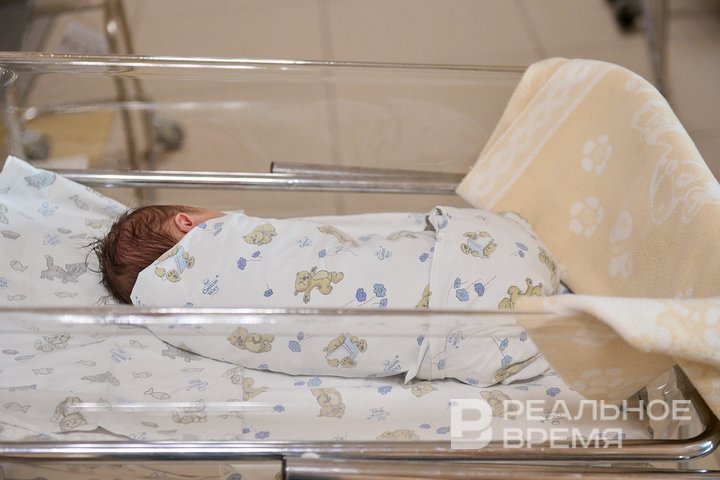
“Birth rates have fallen, women are less and less willing to give birth. Today, the notion of ‘child’ means poverty, not as before — family and joy. Even in the Caucasus, where large families are a tradition, birth rates have fallen,” the deputy said.
He cited data on the total number of families in the country. According to him, of 42 million Russian families only half have children. In five million cases the mother is raising the child alone, and only two million families have three or more children. How to raise demographic growth?
In broad strokes he outlined many ways of increasing interest in the institution of the family. Among them were “enlightening persuasion” in the form of teaching family ethics and psychology in schools, introducing a day off on 1 September for mothers, punitive measures against those who fail to pay child support, and a ban on the child-free movement, which opposes childbirth.
He believes that financial incentives for childbirth in the regions should be approached thoughtfully. “Many regions have introduced regional payments of 550,000 roubles as an addition to maternity capital for mortgage payments. Targeted payments of 100,000 roubles have been introduced for full-time female students. But not all issues require money. And where finances are needed, perhaps the budget should be reconsidered,” he said.
Nizhnekamsk requests an oncology dispensary
“The machines [for chemotherapy] are breaking down. Specifically in Chelny only one of the two machines is consistently functioning, and it constantly overheats and also breaks down,” CPRF deputy Albert Yagudin warned about cancer treatment. He was given the floor at the end of the session, but the intensity of his speech exceeded the others.
He raised the issue of establishing a branch of the Republican Oncology Dispensary in Nizhnekamsk. Its absence is alarming for residents, as the industrial zone is home to some of the country’s largest oil refining and petrochemical plants, which emit significantly more harmful substances into the atmosphere than in other cities of the republic.
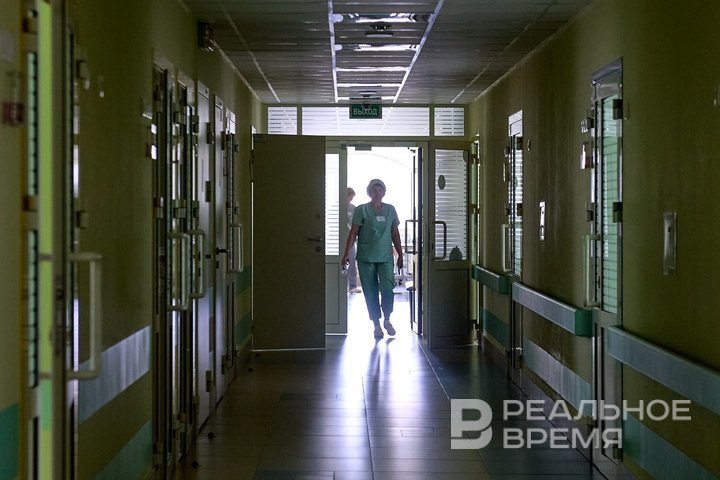
According to the deputy, the topic was raised more than ten years ago but has still not been developed. Residents of the city express serious concern about rising cancer incidence and mortality.
According to regional sources, the number of cancer patients on record has increased from 7,000 to 8,500. Cancer mortality in 2023 was around 530 cases, up 18% on the previous year.
Residents of Nizhnekamsk are forced to undergo diagnostics and treatment in Almetyevsk, which requires travelling 110 kilometres (around two hours one way). “Previously, patients were sent to Naberezhnye Chelny (40 kilometres, 30–40 minutes), but due to the overload of the oncology department in Naberezhnye Chelny, patients are redirected to Almetyevsk,” Yagudin said.
The city has a primary oncology department, but the lack of nurses, oncologists and equipment is a hindrance. “It is known that radiotherapy machines for cancer treatment are located only in Kazan and Chelny,” the speaker noted.
His emotional speech did not go unnoticed. The chairman of the State Council, Farid Mukhametshin, assured that the problem would be brought to the attention of the republic’s top leadership.