Sustainable development in Tatarstan: the republic overcomes poverty but falls behind on gender equality
Environmental issues remain a priority

Tatarstan remains a leading region in matters of sustainable development — among Russian federal subjects it ranks first in the rating. Among the strong indicators are the elimination of poverty and hunger, as well as food security. However, gender equality and the fight against climate change remain problematic areas. Read more details in the report by Realnoe Vremya.
The problem becomes visible when there is no way back
Tatarstan faces an acute problem of environmental awareness — and this concerns all links in the chain. Experts raised this issue at the ESG conference “The Route to Sustainable Development” in Kazan, held by RBC Tatarstan. As the head of the Investment Development Agency of Tatarstan, Taliya Minullina, noted, city residents have begun to treat waste sorting more responsibly. However, this often becomes meaningless at the very next stage:
“I personally saw an example where a cleaner approached sorted waste and put it all into one bag. Right before my eyes. This is exactly how ready we are now to move on to these programmes (of sustainable development — editor’s note),” said Taliya Minullina.
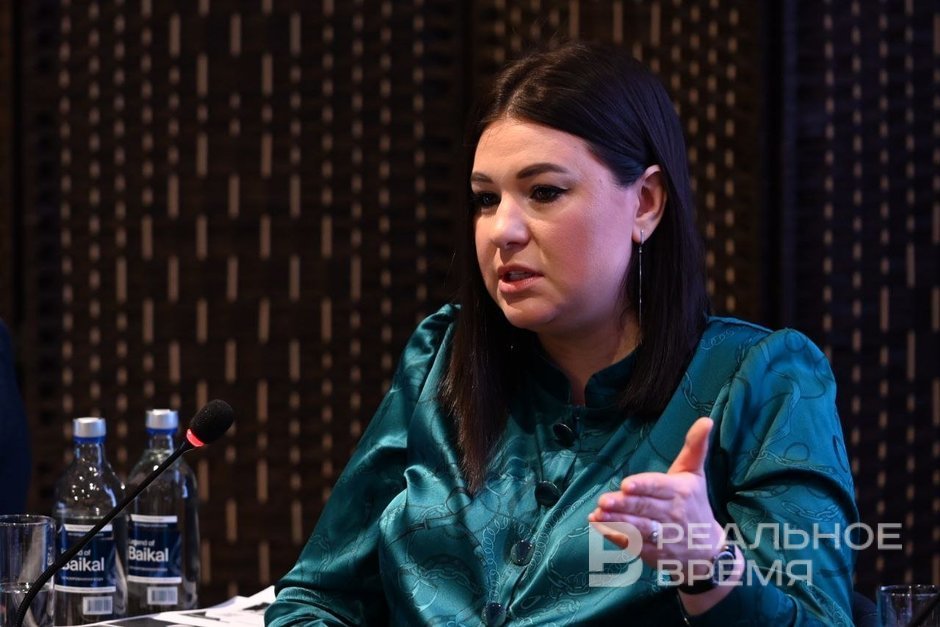
She indicated that improving the environment requires raising overall awareness — and each individual must start with themselves. The fundamental problem in this regard remains the gap between understanding and real action.
“We are now in a situation where we are trying to explain to a generation that has never sorted waste how important it is, while we are not sorting it ourselves. Is this realistic? I am not sure it is. You can educate a child as much as you want, but they will do exactly what you do,” Minullina explained.
The head of the IDA urged to address the problem now, while in practice environmental issues are always postponed:
“You only notice it when something goes wrong. If today all of us woke up, inhaled oxygen and realised it was poisoned and in short supply, the morning would immediately cease to be good.”
Sustainable development is a joint effort
However, solving the environmental problem requires broader changes — both business and the state must be involved.
“There are companies that do this only within the framework of environmental legislation. Therefore, perhaps certain legal norms can be strengthened. These are also educational and awareness-raising initiatives. And, probably, support programmes, for example for small and medium-sized businesses, which would encourage entrepreneurs to engage specifically in sustainable development projects,” Minullina suggested.
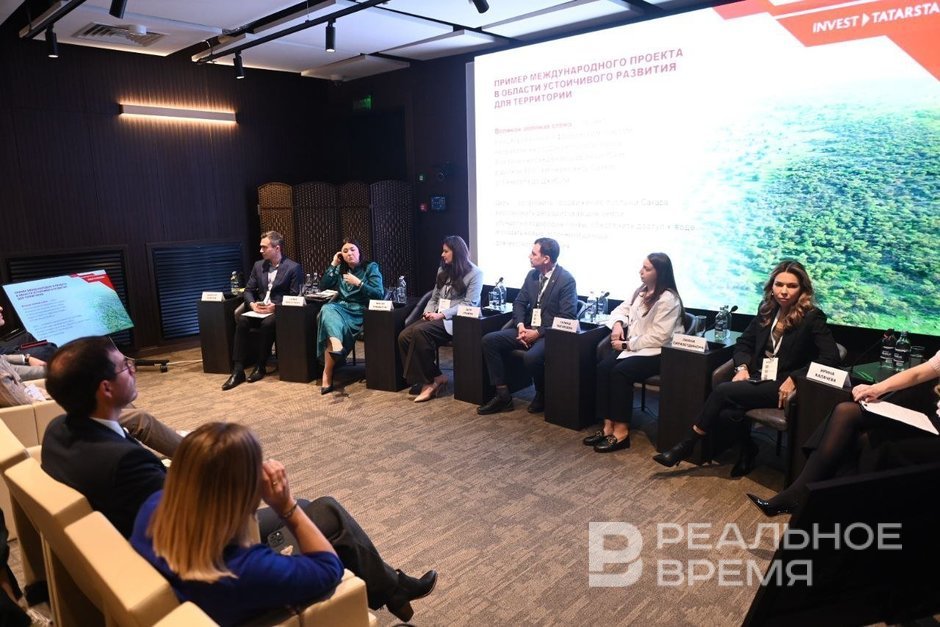
At the same time, no one takes responsibility for tackling the main bottleneck — the financing of environmental projects. In particular, few are willing to ensure separate waste collection and sorting.
“Investors refuse because the project is unprofitable. The next who can pay is the government. But there is always something: the pandemic, a crisis, social issues. We never have a budget for the environment. Then the cost of sorting could be included in utility bills. But then your next housing bill will include this amount,” the head of the IDA pointed out.
Nevertheless, there is progress in solving issues of sustainable development. Its goals, as stated by Maria Kabysheva, deputy director of the group for operational risk and sustainability services at Kept, largely overlap with Russia’s national development goals, set by a decree signed last year by President Vladimir Putin. This motivates businesses to improve their mechanisms.
“A standard for corporate social capital is being created so that the contributions of different companies to achieving national goals can be compared. Business engages in sustainable development not only to earn money but also because we all live where we work,” she said.
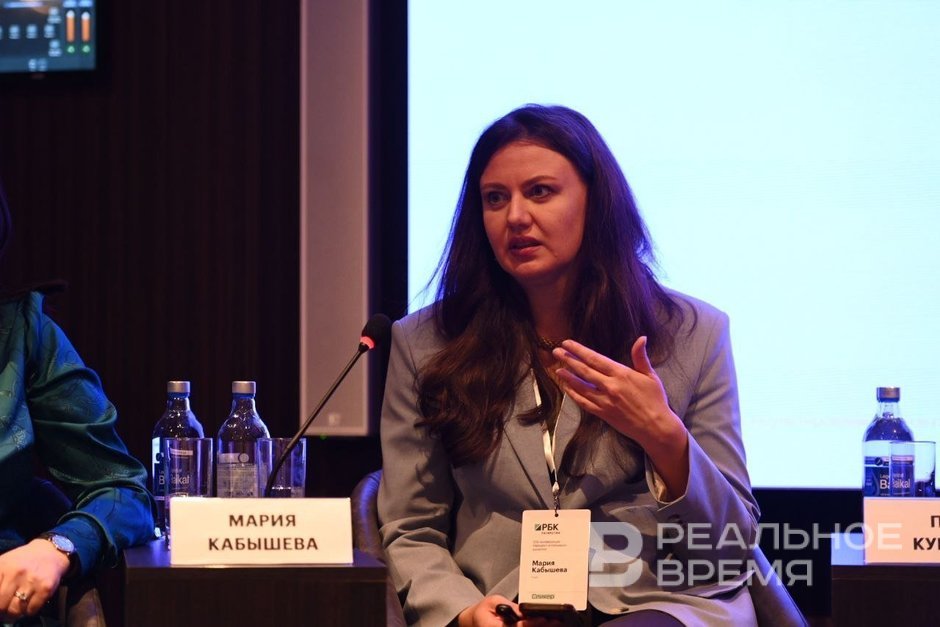
Kabysheva admitted that specific criteria for measuring contributions to national goals do not yet exist. However, 70% of companies are already “trying” to reflect this through various indicators. Business is mainly investing in three key areas:
- housing and urban environment;
- ecology;
- education.
“Tatarstan’s experience is always advanced, and not only regions but also other countries follow it. When this year a report on Tatarstan’s sustainable development was presented at the UN platform, the UREDA support association recommended the republic’s experience not only to other Russian regions but also to other countries,” the expert added.
Strengths and weaknesses of Tatarstan
As Minullina told Realnoe Vremya, Tatarstan lags behind in certain points of the sustainable development goals. These include, for example, gender equality:
“This is related to the national, cultural and historical characteristics of our republic. This is how things are done here. Gender equality does not fully correspond to our understanding of how life should be organised.”
The issue is reflected, in particular, in the pay gap between women and men and the overwhelming predominance of men in managerial positions. The head of the IDA offered several theoretical options for addressing the problem. These include introducing corporate standards, incentives for hiring, or supporting women’s entrepreneurship.
“But then questions about discrimination in the opposite direction will immediately arise. Therefore, it must all be done very carefully,” she told the newspaper’s correspondent.

Climate change also remains a problematic area. However, accessibility standards are fully in order.
Speaking about Tatarstan’s strong indicators, Minullina mentioned the activation of global partnership mechanisms — BRICS and other international projects have had a positive impact on this goal.
“In terms of eliminating poverty and hunger, the indicators are simply excellent. Tatarstan is one of the few territories in the entire country that can fully feed itself. If we were cut off from the outside world, we would be able to supply the population with all necessary food,” she added.