Saving the planet: How technology bringing environmental protection to the market
Expert: the cleanliness of the air has acquired a market price, guaranteed by cooperation among countries around the world
Until recently, saving the planet was the domain of volunteers and enthusiasts. Today this trend is undergoing a capitalist transformation, turning into a multibillion-dollar industry. The volume of the voluntary carbon credit market reached $114.8 billion in 2024 and is expected to grow to $474.2 billion by 2034, demonstrating a compound annual growth rate of about 15.8%. The central element of this new reality has become the carbon credit market, where tonnes of CO turn from an abstract concept into a tradable digital asset. This process is given particular momentum by the BRICS countries, which are not merely following global trends but actively shaping a new architecture for a “green” future, notes digital economist Ravil Akhtyamov in an opinion column for Realnoe Vremya.
Crisis of trust: a wall between intentions and actions
Initially, the carbon credit market resembled early, unorganised exchanges — it was slow, opaque and accessible only to a select few. Three key problems hindered its development: the inability to verify the reality of environmental projects, a high entry threshold and an overabundance of intermediaries. A 2023 study showed that 94% of analysed forest carbon credits did not deliver the declared climate benefit due to inflated baseline indicators. This crisis of trust reached its peak when investors began demanding guarantees and transparency.
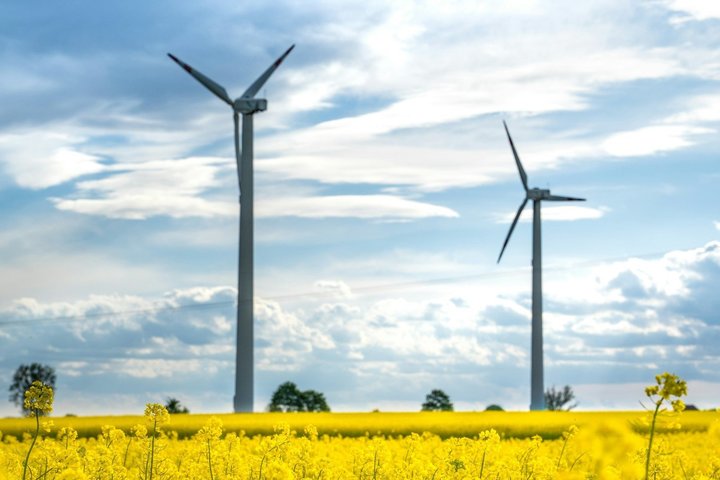
Technological breakthrough: an exchange for CO. The response to the challenges of the traditional market became a symbiosis of two key technologies — the Internet of Things (IoT) and blockchain. IoT is becoming a system of objective accounting: sensors at wind farms and satellite monitoring of forest areas generate a continuous flow of data on real emission reductions.
Blockchain turns this data into capital, acting simultaneously as an exchange, a depository and a regulator. An immutable ledger records every emission reduction as a unique digital token, smart contracts execute transactions automatically, and the ability to divide tokens into micro-shares opens the market to small businesses and individuals.
BRICS: a new architecture for a “green” future
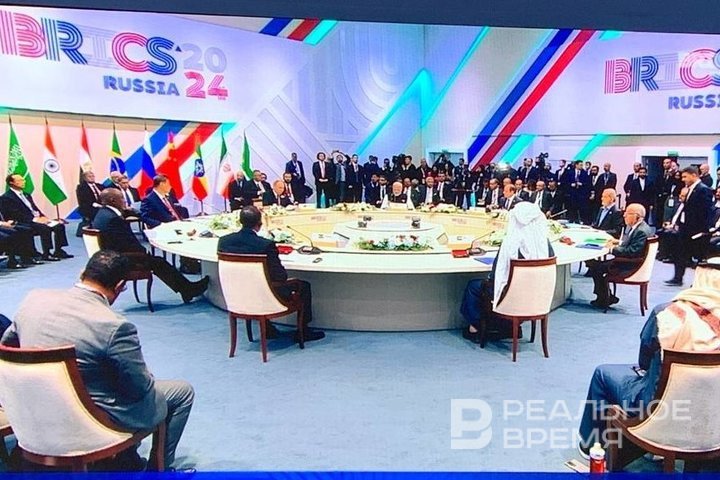
While Western countries were shaping the rules of the carbon market, BRICS nations began building their own ecosystem. In 2024, the BRICS Carbon Market Partnership initiative was launched at the summit in Kazan, starting full-scale operation in 2025.
Key BRICS trading platforms and initiatives
BRICS countries face a difficult choice between two paths to integration: technical alignment for mutual recognition of national standards or investment in a multilateral system through Article 6 of the Paris Agreement. The main obstacles are differing standards, competition for investment and the varied economic structures of member states.
Global ecosystem: from regulated gants to DeFi protocols
A broad ecosystem of trading platforms has taken shape. On one side are regulated systems such as the EU Emissions Trading System (EU ETS) and China’s national system. On the other are innovative voluntary platforms such as AirCarbon Exchange in Singapore and decentralised protocols like Toucan Protocol.
According to expert estimates, the global carbon credit market could reach $1.6 trillion by 2028. BRICS states aim to secure a significant position through mutual recognition of national systems. A practical example of such cooperation is the New Development Bank’s financing of the first carbon-neutral airport in China, in Taiyuan, amounting to 1.448 billion yuan.
In response to cases of greenwashing, the market is moving towards greater rigour. Standardisation initiatives are emerging, such as the Core Carbon Principles, aimed at ensuring real, measurable and additional emission reductions.
From tokens to reality: how cities become “asset factories”
More than 1,000 cities worldwide, united by the UN’s Cities Race to Zero initiative, have become living laboratories of a new environmental paradigm. Copenhagen aims to become the world’s first carbon-neutral capital by 2025 through investments in energy efficiency and the development of the “five-minute city” concept. Masdar in the UAE represents a city of the future — fully powered by solar energy and with emission-free transport.

Each such emission reduction is a real asset that technology digitises and brings to the market. BRICS countries are actively involved in this process, offering alternative models for greening the economy.
What does this mean for us? For businesses — a shift from image-driven ESG reports to active management of carbon asset portfolios. For investors — the emergence of a new asset class backed by real environmental action. For all of us — a functioning mechanism capable of directing trillions of dollars in private investment to where it genuinely saves the planet.
The era when environmental protection was the province of enthusiasts is coming to an end. A new era is beginning, where the cleanliness of the air has a precise market price, guaranteed by mathematics and cooperation among countries around the world, from traditional financial centres to the dynamic economies of the BRICS. The exchange for the planet is open. Trading has begun.