Virus outbreaks in major cities: the end of the ‘velvet season’ dangerous for Tatarstan residents?
Large-scale outbreaks of the Coxsackie virus have been recorded in several major cities after the end of the “velvet season”

Autumn seaside holidays may turn into serious health problems. Instead of sun and souvenirs, Russians are increasingly returning from vacations with the Coxsackie virus, known as “Turkish chickenpox”. The enterovirus, which manifests as painful rashes and high fever, primarily affects children and can lead to severe complications. Outbreaks of the disease have already been reported in several regions of the country, including neighbouring Bashkortostan. But are there any cases of the virus in Tatarstan? Read more in the report by Realnoe Vremya.
Not sea and sand, but rashes and fever
The “velvet season” has traditionally been considered the perfect time for a holiday: the scorching heat eases, and the sea still retains the warmth of summer. Thousands of Russians rush to take advantage of the last chance to go on a seaside vacation. However, this year the autumn resort paradise has been overshadowed by an unwelcome surprise — the rapid spread of enteroviral infections, particularly the Coxsackie virus. According to Izvestia, outbreaks of the disease have been recorded in several Russian cities, including Vladimir, Tyumen, and even neighbouring Ufa. Cases have also been registered in Arkhangelsk Oblast and Krasnoyarsk Krai. All cases are imported, meaning the virus was literally “brought in suitcases” from popular resorts.
What is Coxsackie? It is not a single virus, but an entire group of enteroviruses, which primarily multiply in the gastrointestinal tract but can affect other organs. The unofficial name of the disease — “hand-foot-and-mouth” — accurately describes its main symptoms: painful blister-like rashes on these parts of the body.
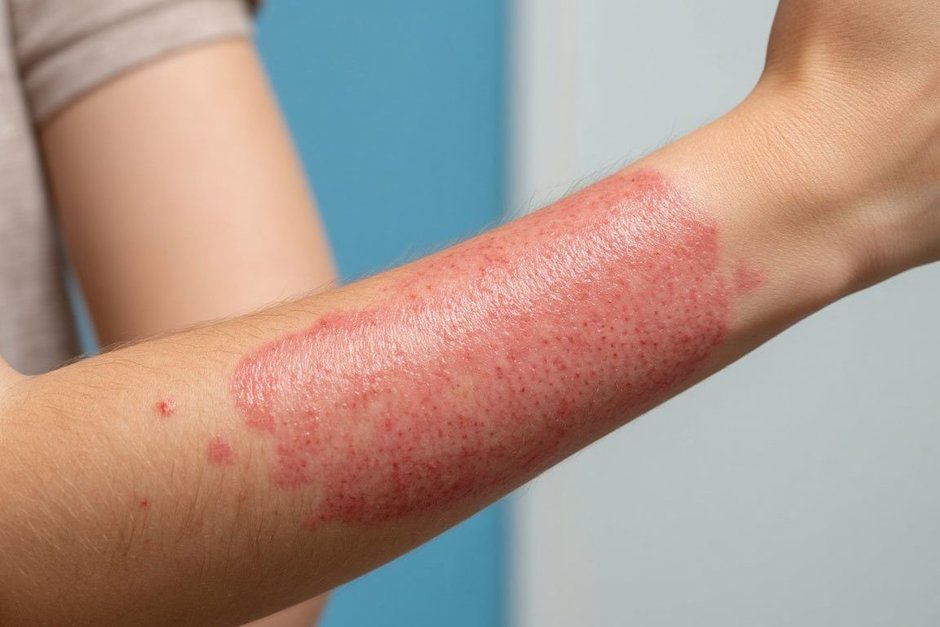
“Additional symptoms include high fever, which can last several days, sore throat, weakness, and flu-like signs. Children, who are the main risk group, are particularly affected. Coxsackie is not new to resorts. Outbreaks occur regularly, especially in warm-climate countries and in crowded places," said Ruslan Artemyev, an anaesthesiologist-resuscitator.
The end of the velvet season only highlights the problem: tourist flow remains high, while vigilance often wanes — the holiday is coming to an end. The main risk zones traditionally include Turkey and other popular Mediterranean resorts.
“The main danger lies in possible complications, such as serous meningitis, myocarditis, or tonsillitis. That is why doctors strongly advise against “toughing it out” and recommend seeking medical help at the first sign of symptoms," Artemyev added.
Is Tatarstan at risk?
According to official data, the situation in Tatarstan is calm. The regional office of Rospotrebnadzor, when asked about imported cases of infectious diseases, gave a clear answer: “No imported cases of infectious diseases among residents returning from tourist countries have been registered in the past month.”

Moreover, the agency emphasizes that in the current epidemic season, there have been no imported cases from abroad. The same applies to COVID-19: in 2025, no imported cases among returning tourists were identified in the republic.
“Several factors may play a role. Firstly, not all sick people, especially adults, consult a doctor for symptoms that can be mistaken for a cold or allergy. Secondly, a precise diagnosis of “Coxsackie virus” requires special laboratory tests, which are not always prescribed. Often, a doctor gives the general diagnosis “enteroviral infection” without specifying the virus type. Thirdly, the status of an “imported” case is established through an epidemiological investigation, when a clear link to travel abroad is confirmed. If a tourist does not report this information or sees a doctor a week or two after returning, the connection may not be obvious," Artemyev explained.
Prevention lies in strict hygiene practices: washing hands, fruits, and vegetables, using sanitizers, and avoiding large crowds where possible.
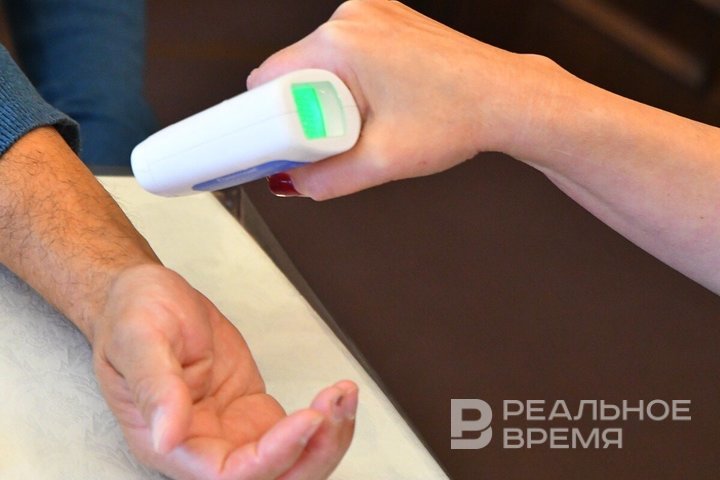
So should residents of Tatarstan fear the Coxsackie virus? The danger exists, judging by other million-plus cities, and it should not be dismissed. Awareness is the best protection. By knowing the symptoms and transmission routes, tourists can be more cautious during their holidays and, upon returning home, pay closer attention to their own health and that of their children, seeking medical help promptly even if official reports remain quiet.