Time for simplified taxpayers, deadlines for tax benefits, banks remain untouchable
A debate unfolds in the State Duma on shifting the tax burden to high-margin sectors — energy, retail, and finance
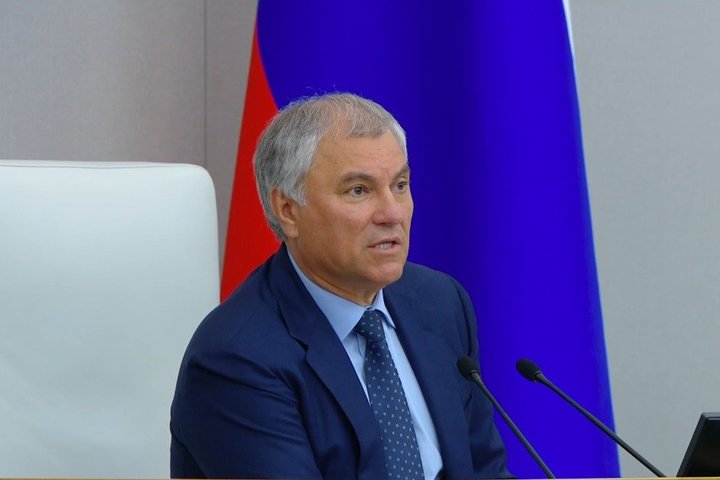
“The high key rate of the Central Bank is increasing the number of companies on the verge of bankruptcy. Manufacturing enterprises are moving to a four-day workweek. Perhaps it’s time to raise the tax burden on raw-material sectors and the super-rich?” — deputies persistently urged Finance Minister Anton Siluanov to “unlock” reserves in high-profit areas of the economy during discussions of the draft budget for 2026 and the planned period of 2027–2028. The Russian Ministry of Finance agreed to concessions only for small and medium-sized enterprises — by the second reading, amendments will be introduced to ease VAT payments for simplified-tax system users and for rural retail under the patent scheme. In all other respects, fiscal policy appears to be turning firmly toward tightening. Tax incentives face strict new rules, and construction cost estimates will be brought “down to earth.” “A school in a village cannot cost 1 billion rubles,” Speaker of the State Duma Vyacheslav Volodin urged, calling to curb excessive spending.
Mishustin orders rewrite of rules for simplified tax regime
The State Duma today approved in its first reading the draft federal budget for 2026 and the planning period of 2027–2028. It is built around three national priorities: fulfilling social guarantees to citizens, strengthening the country’s defence capabilities — including support for participants of the special military operation and their families — and achieving technological sovereignty. Almost 80% of state spending is allocated to social needs and social infrastructure projects. “Social policy is our top priority,” emphasised Russia’s Finance Minister Anton Siluanov while presenting the bill.
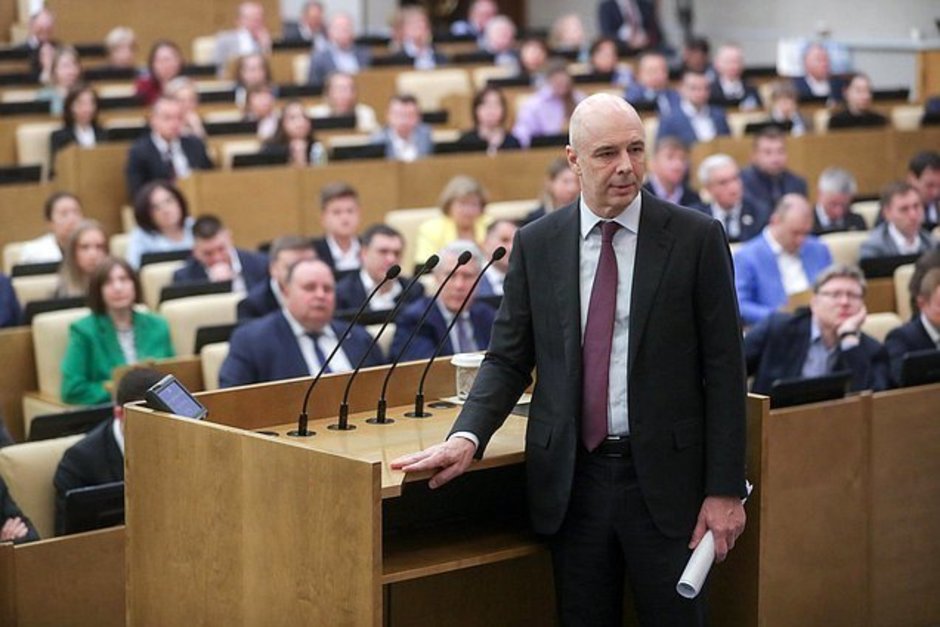
At the last moment, before the budget was brought to hearings, federal authorities responded to concerned appeals from business associations dissatisfied with changes to tax regimes. Late in the evening, Prime Minister Mikhail Mishustin instructed officials to “promptly review these appeals,” Speaker of the State Duma Vyacheslav Volodin announced at the start of the session.
“As a rule, before the first reading we receive a large volume of requests, since the budget is adopted alongside tax amendments,” Volodin said. According to him, this time the new tax measures affected SMEs and the IT industry. Professional associations submitted appeals that, in his words, “could not be ignored.” “As a result, the Prime Minister expressed readiness for constructive dialogue, and the Ministry of Finance has been tasked with promptly working through our proposals,” Volodin added.
Volodin on amendments: “We can when we want to”
Meanwhile, the Duma’s Budget Committee has already reviewed several proposals and reached preliminary decisions. According to Volodin, the committee suggested that simplified-tax businesses and patent holders transition “smoothly” to new threshold values. The duration of the transition period was not specified. “Some issues require additional data and work; all of this will be done by the second reading and reflected in the amendments,” promised Budget Committee Chairman Andrey Makarov. “We can when we want to,” Volodin concluded.
Back in mid-October, the country’s largest IT associations sent a letter to President Vladimir Putin asking to reconsider the planned tax increases for the sector. From 1 January 2026, the zero VAT rate will be abolished and preferential insurance contribution rates will double. Across the regions, Chambers of Commerce representatives defended small and medium-sized enterprises working under simplified and patent-based taxation. Public organisations warned that the new measures could lead to bankruptcies and market exits.

Siluanov focused not on the budget itself, but on how pensions and benefits would increase. The overall trend: salaries for public-sector employees and social payments will rise by 7.6% and 6.8% respectively. The average pension will reach 27,200 rubles, and the minimum wage will rise to 27,093 rubles, with plans to reach 35,000 rubles by 2030. Over the next three years, annual indexation of social payments is expected. “Are these goals backed by the budget — is there money?” asked United Russia’s Andrey Isaev. “Yes,” Siluanov nodded affirmatively.
Regions have been allocated interbudgetary transfers amounting to 3.6 trillion rubles. For the first time, they were distributed in September to allow local authorities to plan spending in advance, Siluanov added. The Accounts Chamber of Russia gave a positive assessment, confirming the budget’s balance. Party faction representatives expressed their support.
“A school for a billion? There will be no such money!”
“On the one hand, there is more money in the budget, but on the other, the cost of social facilities is inflated,” Volodin noted. He pointed to building codes, sanitary rules and environmental requirements as the reason. These regulations, he said, significantly increase construction costs and “erode the budget.” For example, the requirement to remove soil and old asphalt to waste disposal sites adds 26 million rubles to the cost of building a school.
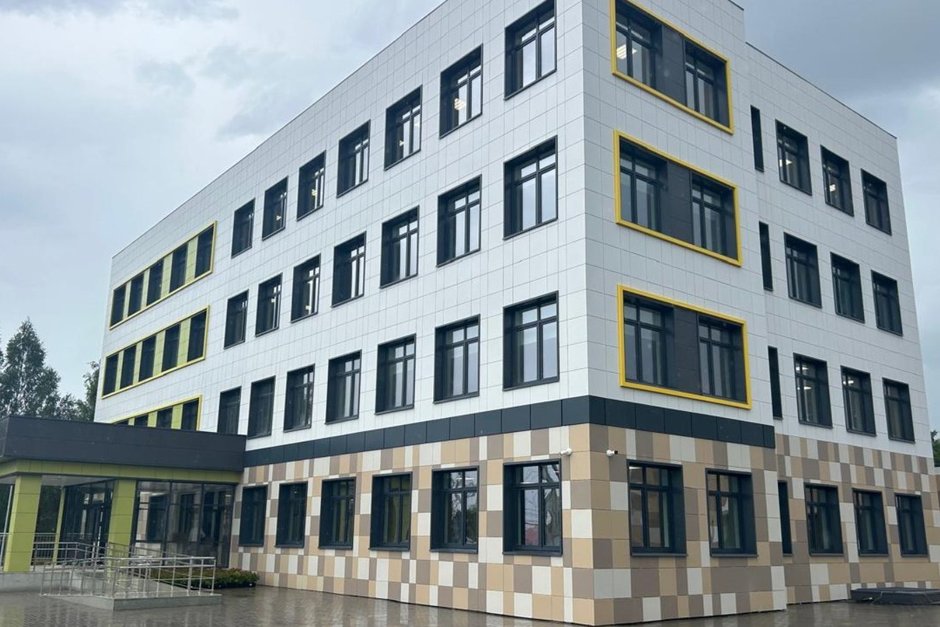
“We don’t live that richly,” he remarked. Another issue, he said, is that projects often include oversized corridors and halls, resulting in one student place costing around 5 million rubles. “That’s unrealistic. A school in a village costs a billion. There will be no such money!” he declared, instructing the Accounts Chamber to assess the efficiency of budget spending.
“If we take from banks, we strip them of lending capital”
Meanwhile, deputies launched a debate on shifting the tax burden to high-margin sectors — energy, banking, and retail — rather than squeezing SMEs. Oil and gas exports bring in 16 trillion rubles, of which only 9 trillion goes to the budget. Banking profits in 2025–2026 are expected at 3.8 trillion rubles, while retail, boosted by excess profits, has created an entire delivery sector. At the same time, manufacturing enterprises are switching to four-day workweeks with lower wages. “The Central Bank’s high key rate is increasing the number of companies on the brink of bankruptcy. Maybe we should raise taxes on raw-material sectors and the super-rich? Raise the income tax rate to 40% and reduce taxes on production,” one MP proposed.
“If we withdraw money from banks, we deprive them of the capital needed for lending to the economy. We need credit. And with today’s high interest rates, we understand that these rates must be reduced to make loans more affordable,” Siluanov responded.
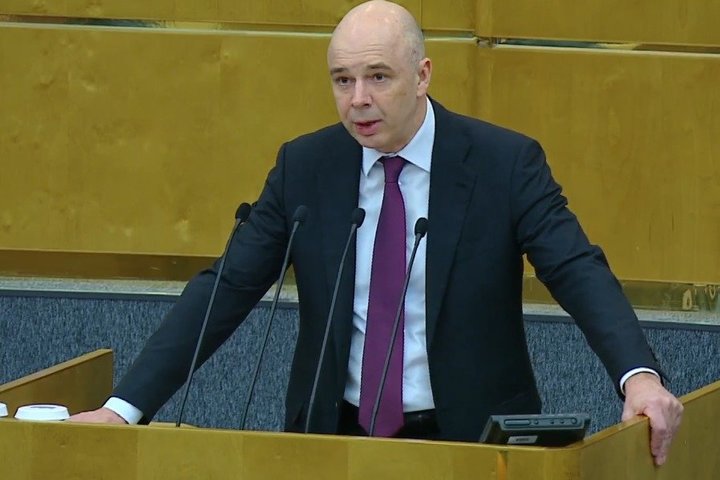
“Look, even state banks allocate 50% of their profits to dividends. Take that into account,” another deputy countered, rejecting the argument against raising taxes on banks.
“If we don’t pay dividends, then who will invest in the financial market?” Siluanov insisted.
Where else to find funds? Deputies saw potential in revising tax benefits. The volume of tax expenditures for next year is estimated at nearly 16 trillion rubles and is expected to grow to 20 trillion by 2028. However, the materials accompanying the bill lack an assessment of their effectiveness. Asked whether the government plans to clarify or abolish ineffective benefits, Siluanov replied: “Tax incentives must be temporary. If a benefit proves effective, it continues; if not, we discontinue it accordingly.”