Tatarstan may become a pilot region for health insurance reform
Insurers propose changes to the country’s medical insurance programmes

The All-Russian Union of Insurers is preparing proposals for the transformation of the national health insurance system. The organisation is working on a model aimed at improving the coordination between the compulsory health insurance (CHI) and voluntary health insurance (VHI) programmes. The key goal, according to insurers, is to shift the focus from treatment to disease prevention. Tatarstan may become one of the pilot regions for testing the project. Read more in the Realnoe Vremya report.
Insurers call for changes to CHI and VHI programmes
The All-Russian Union of Insurers is preparing proposals for transforming the health insurance system. The industry has raised the need for more effective coordination between compulsory health insurance (CHI) and voluntary health insurance (VHI) programmes.

In particular, insurers are developing a model that envisages more active participation of insurance medical organisations in the CHI system and stronger coordination between CHI and VHI. The model is expected to be presented by the end of the year, followed by phased implementation and pilot projects in several regions.
The Union is seeking to ensure that this initiative is reflected in the rules governing compulsory health insurance. According to its data, medical insurance organisations annually inform more than 120 million insured Russians about the need to undergo preventive check-ups and monitor the timeliness and completeness of these procedures. Ufimtsev noted that proactive measures include direct contact with patients, coordination with medical institutions, monitoring of dispensary registration and the frequency of doctor visits, and tracking patient adherence to treatment.
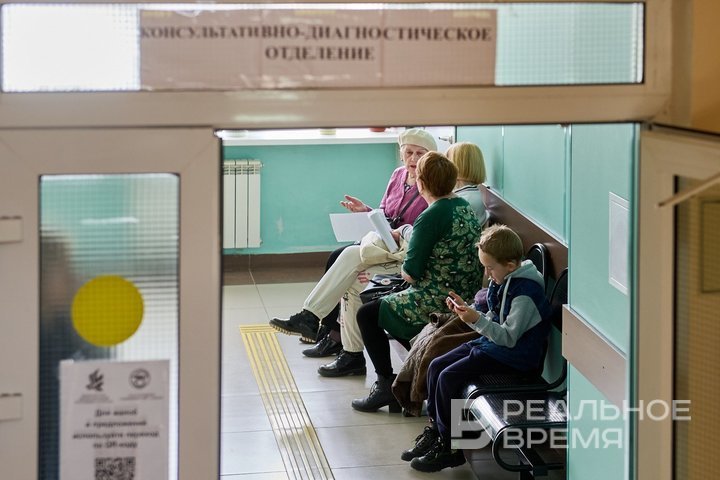
Tatarstan may become one of the pilot regions
Changing the health insurance model to improve the coordination between CHI and VHI programmes will help the state partially ease the budgetary burden, according to the initiative’s authors. Citizens, in turn, will be better able to care for their health, while employers will benefit from a more productive workforce. The insurance community in Tatarstan fully supports the federal initiative and is already working in partnership on it.
As for the phased introduction of the new CHI model, Tatarstan could become one of the pilot regions: “As of now, there is no pilot project in place — we are still discussing its framework. Once it is clear what exactly will be piloted, we will decide where to conduct it. When the decision to test the model in the regions is made, Tatarstan will likely be among the first,” Davletshin added. The exact procedure for transforming the health insurance system has not yet been finalised.
“We are now discussing various options. One of them is to enrich the CHI programme with classic elements of voluntary insurance. This would allow patients, in addition to their guaranteed state coverage under CHI, to enhance their insurance package with VHI services,” Davletshin explained.
However, he noted that implementing the idea will take time, as legal approval and coordination will be required — meaning it is not a prospect for this year.
‘It is the right idea — a well-established practice worldwide’
Rustem Sabirov, a member of the Council of the Tatarstan Union of Insurers, noted that the industry is on the verge of reforming several insurance types: “There’s the reform of compulsory motor insurance (OSAGO), the transformation of medical insurance, and other issues requiring adjustments — there are many challenges. We are communicating our ideas and proposals to the All-Russian Union of Insurers, where major work is being carried out through various committees. Now, with the rise in drone attacks, there’s also growing interest in new forms of insurance.”
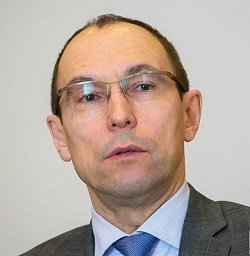
Tatarstan’s medical community in general views the idea of expanding the CHI programme positively — especially if insurers focus on prevention rather than treatment.
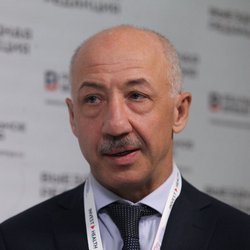
At the same time, the hospital director noted that in recent years, Tatarstan residents have begun changing their attitudes toward health. “Of course, not everyone — not 100% of society — but we’ve seen a noticeable increase in individual requests for preventive check-ups, tests, and consultations. People, especially those aged 40 or 50 and older, are paying more attention to their health — that trend is clear.”
He added that if employers were to incentivise a healthy lifestyle — for example, by paying for gym memberships or offering additional leave — it would have a positive effect on public health. Overall, he said, the CHI programme is well designed, though some aspects could be fine-tuned.
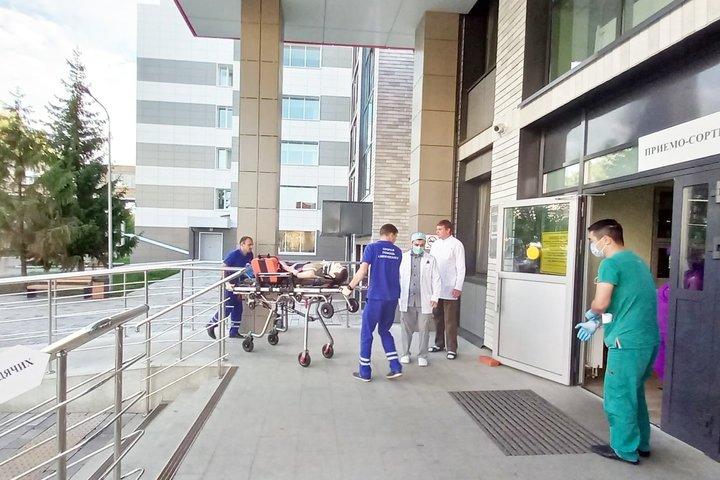
“In our emergency hospital, we sometimes treat more patients than planned, and not all of that is compensated. We have to accept everyone — we’re not a scheduled facility. We can’t just treat 15,000 people and shut the doors on 1 December. We operate around the clock. If these mechanisms are improved and the FOMS becomes more responsive to the needs of institutions bearing additional costs from treating large numbers of patients, that would be a major support,” concluded Akhmetov.