New technologies, archaic tour operators and legislative adaptation: how tourism changing in Russia
New trends in the tourism sector have been discussed in Kazan
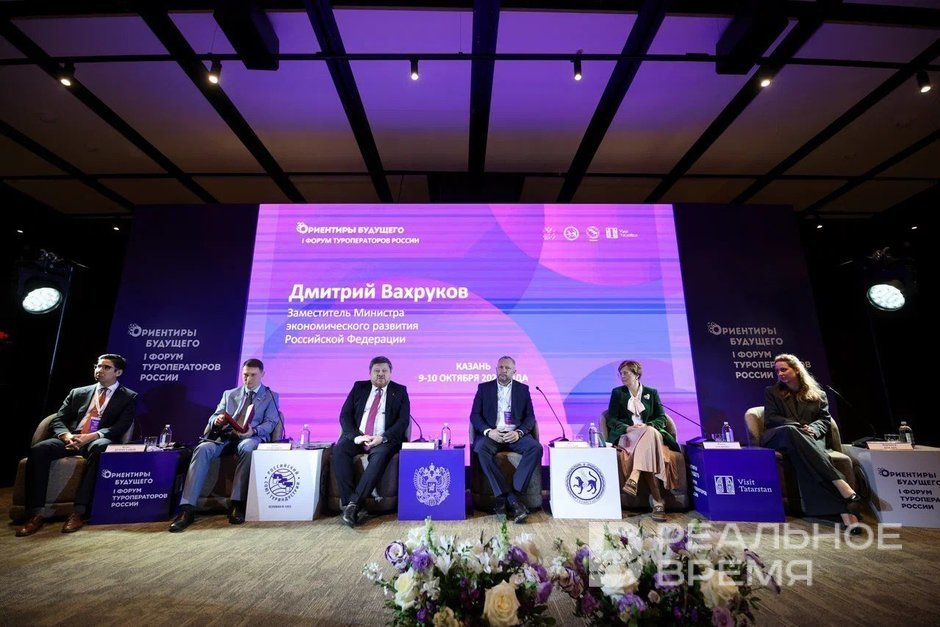
“From the state’s side, it seems to me that such attention to tourism has not been seen for a long time,” said Dmitry Vakhrukov, Deputy Minister of Economy, at the opening of the plenary session of the Russian Tour Operators Forum. Such attention requires increased responsibility from industry representatives and the development of new practices. In particular, in the near future, it will be necessary to “bring together” new technologies and the tried-and-true tour operators. Tatarstan is striving for this as well. More on the challenges in the tourism sector — in the report by Realnoe Vremya.
Tour operators in the new reality
Russian authorities are paying more attention to tourism than ever before. On one hand, this benefits the sector, but on the other, it raises the level of responsibility and demands on industry players. Dmitry Vakhrukov, Deputy Minister of Economy, said this during the plenary session of the Russian Tour Operators Forum.
“From the state’s side, it seems to me that such attention to tourism has not been seen for a long time. On one hand, it is welcome, but on the other, it increases the level of our responsibility and the demands placed on us in decision-making and strategic planning,” he said.
The main trend in tourism at the moment is new technologies. However, the key role in this changing reality still belongs to tour operators, Vakhrukov believes:
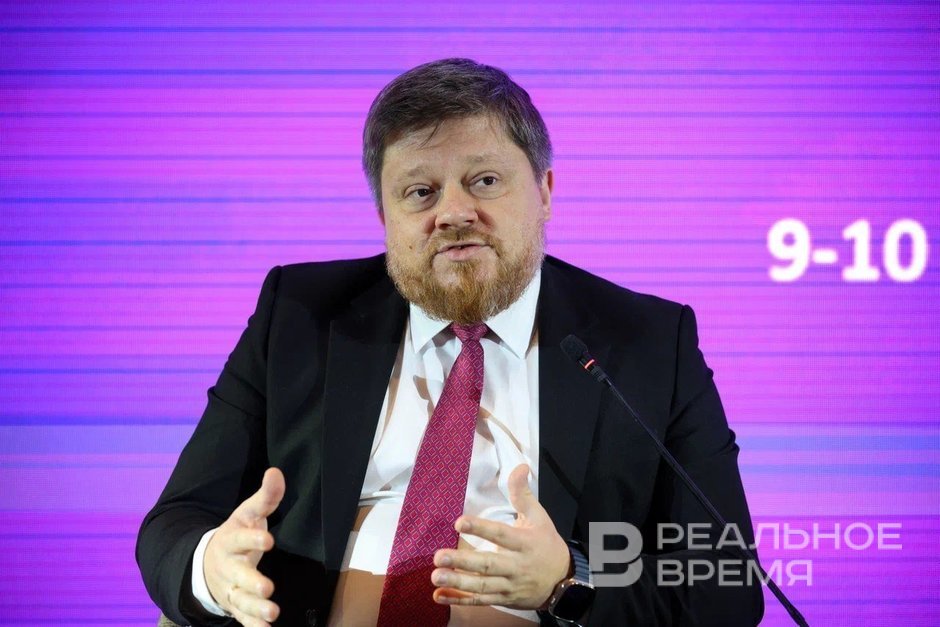
“The role of tour operating in the development of tourism is crucial at the stage of creating travel products, at the stage of launching new ones, and at the stage of global expertise — what sells and what does not. This role cannot yet be replaced by AI or a platform.”
Vakhrukov’s view was shared by Ilya Umansky, president of the Russian Union of the Tourism Industry. He believes that, despite the emergence of more modern terms, the essence of tour operators’ work remains unchanged and critically important.
“A tour operator is a term the industry has used for a long time, but at some point more modern terms began to appear. This became more appealing to consumers, but in essence, it is the same thing. Whatever we call it, without a tour operator it is simply impossible to organise travel across such a large and diverse country. Who will show you Altai, Kamchatka, Buryatia, and so on?” he noted.
Adapting the laws
Legislation must also be adapted to modern technologies. As Vakhrukov noted, a decision has already been made to maintain zero VAT for tour operators until 2030, and the current focus is on changing the very definition of “tour operator.”
“This is necessary to adjust to today’s reality, in which people mostly purchase transport services themselves, while tour operators become sellers of hotels and additional services. We are working in this direction and have prepared a draft law. It has been approved in the first reading,” the deputy minister said.
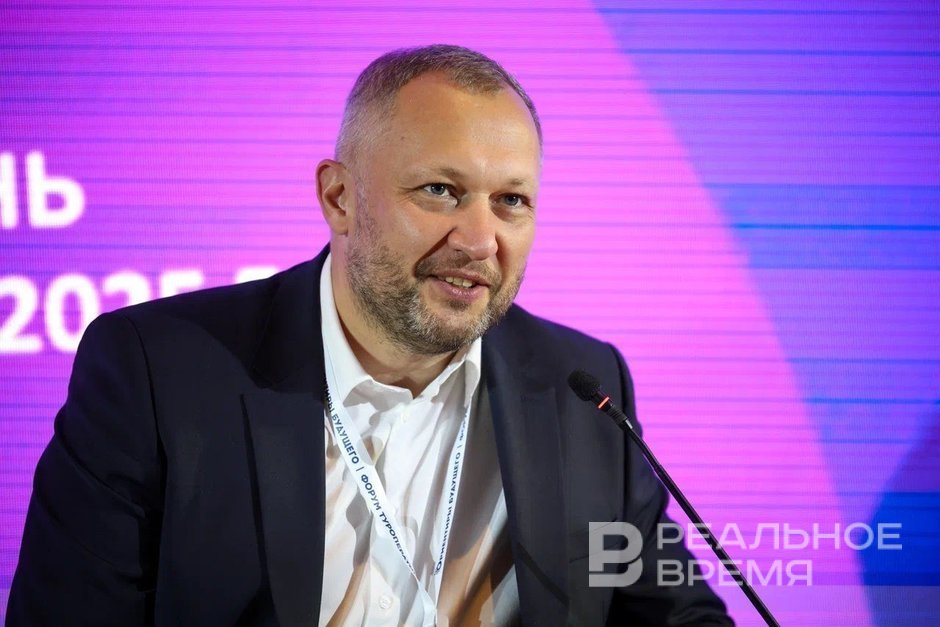
Another important issue is balancing the load between domestic and outbound tourism, the speaker clarified:
“Our domestic tourism sector operates completely without protectionism. We have neither recycling fees nor duties — nothing. In fact, there are no barriers preventing people from travelling abroad and taking their money with them. So here we are thinking about how to balance the load in terms of the tourism tax within the country.”
At the same time, there is also a technological challenge. Umansky pointed out that although platforms successfully sell airline tickets and hotel bookings, they do not provide for the placement of complex travel products across the regions of Russia.
“This step now needs to be stimulated. These platforms need to start selling the products of regional tour operators who create them. That is what we are working on — encouraging them to start interacting,” he said.
Only 15% of visitors come to Tatarstan through tour operators
Meanwhile, the majority of visitors — about 85% — come to Tatarstan through individual bookings, with only 15% visiting the region in groups. This statistic was cited by Sergey Ivanov, Chairman of the State Council of the Republic for Tourism. Despite this, tour operating remains the foundation of the sector:
“We understand that these are precisely the companies that create emotions and impressions, that is, the very travel products. You can book a hotel, tickets, and a taxi without an operator. But why to come to Tatarstan, and what kind of experience the guest will have here, depends entirely on the tour operators.”
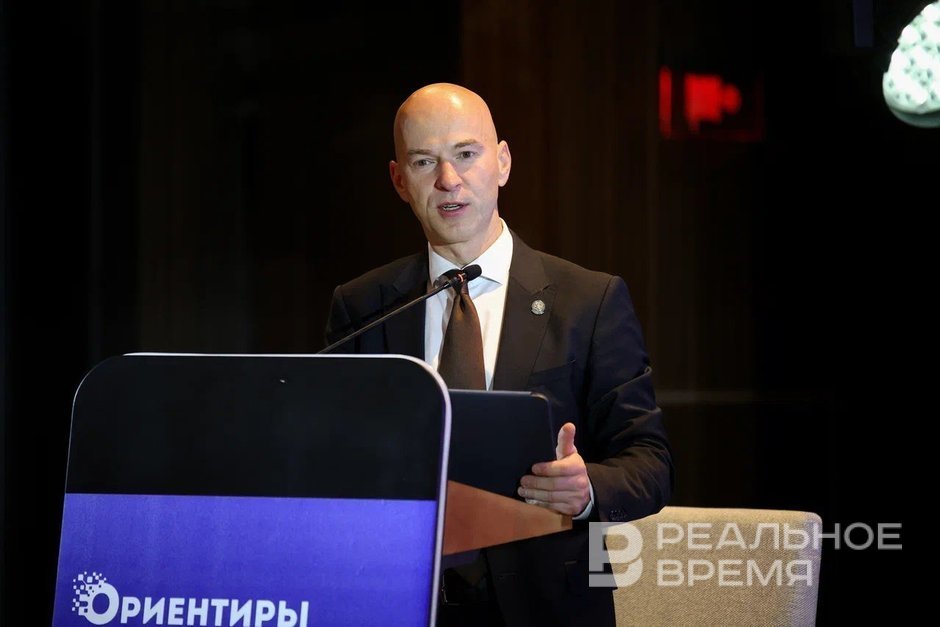
According to Ivanov, the future of the industry lies in balancing regional tour operating with technological platforms, where the key task is ensuring that operators’ services are present in AI systems and search structures. At the same time, Vakhrukov is confident that tour operators are not an anachronism:
“A tour operator always has its own niche, its own client. Despite the fact that clients are constantly maturing and young people increasingly plan trips independently, the role of the operator will always remain significant.”
Overall, Vakhrukov gave a very positive assessment of the tourism sector in Tatarstan. He noted that, due to the republic’s strong position, the Ministry of Economy pays it less direct attention:
“One could speak endlessly about Tatarstan — it would never be an exaggeration. Perhaps we are paying less attention to the republic today, but that is because there are no issues with the team here. Tourism has already developed, people are travelling. We can see this from the double-digit growth in trips this year.”
The numbers confirm this: over the first eight months, the number of tourists in the republic increased by 18% compared to the same period last year. By the end of 2025, it is expected that Tatarstan will host 4.5 million visitors.