How Tatarstan combines partnership financing, savings and new technologies
An expert of Realnoe Vremya has studied the latest analysis of the Bank of Russia’s Regional Office — the National Bank for the Republic of Tatarstan
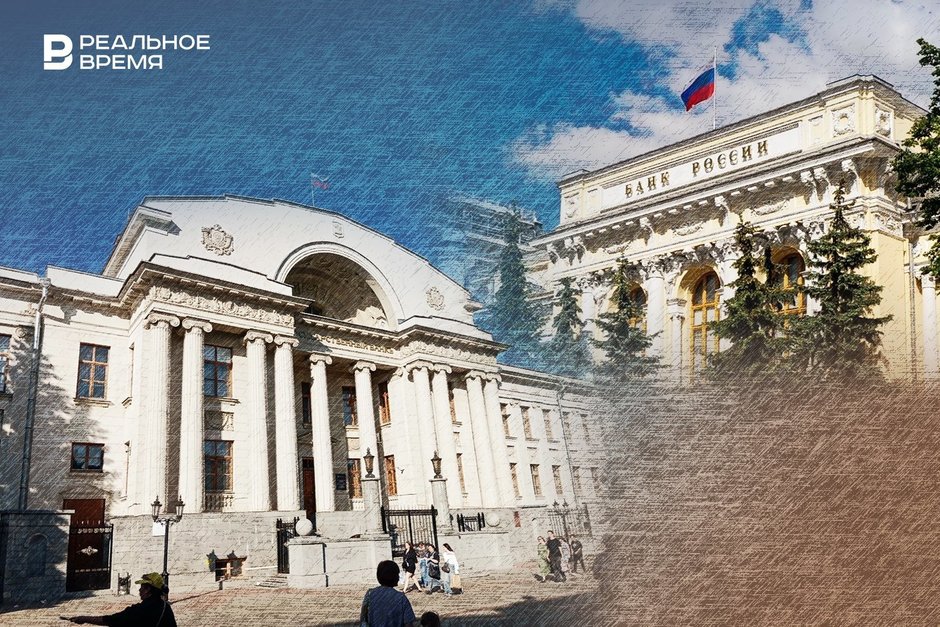
The economy of Tatarstan, like the country as a whole, is in the process of adapting to new financial realities. Residents of the republic are taking a more cautious approach to spending, preferring to accumulate savings, while the regulator and financial institutions are actively working on the introduction of new instruments — from social deposits to digital assets. Digital economist Ravil Akhtyamov outlines the key trends and initiatives based on the data of the Bank of Russia’s Regional Office — the National Bank for the Republic of Tatarstan in his latest column for Realnoe Vremya.
Consumer preferences: caution and pragmatism
Fresh data from the Bank of Russia on the regional economy show that consumer behaviour in Tatarstan in July–August 2025 was marked by rationality. Despite a certain increase in overall activity, citizens continued to prioritise savings over credit purchases. The volume of household bank deposits in the republic had reached almost 1.3 trillion rubles by 1 August (excluding escrow accounts).
This trend is largely driven by the Bank of Russia maintaining a high key rate — a measure aimed at cooling demand and bringing inflation back to the target of 4% by 2026. High deposit rates make saving attractive. At the same time, demand for household goods and renovation remained restrained, which experts link to the cooling of the housing market.
However, this does not mean that residents of Tatarstan have completely abandoned spending. Growth was demonstrated by the automobile market (thanks to the easing of car loan conditions), the tourism and hotel sectors, as well as public catering.
Support for vulnerable groups: social accounts and deposits
For citizens with low incomes, the Bank of Russia together with the government has launched special mechanisms — social deposits and accounts. These instruments are intended for those who receive state support, in accordance with the list set out in a resolution of the Government of the Russian Federation.
A social deposit is a one-year savings product with the option of renewal. It can be replenished (up to 50,000 roubles) and funds can be withdrawn without loss of interest. The rate on it is the maximum among those the bank offers for deposits from one month to one year. Interest is accrued and paid monthly, and early closure does not lead to its loss.
A social account is primarily a transactional tool. It allows free payments with a Mir card up to 20,000 roubles per month while also earning interest on the balance. The rate on balances up to 50,000 roubles cannot be less than half of the Bank of Russia’s key rate. Account maintenance, transfers, and payments within the monthly limit are also free of charge.
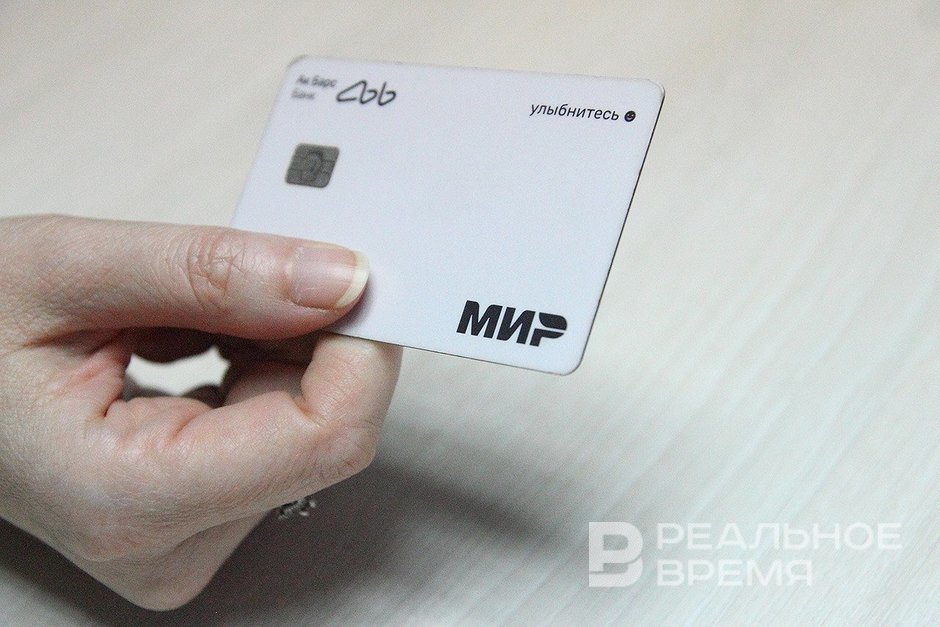
These products can be combined, addressing both the need for savings and for everyday transactions. Importantly, from 1 July 2025, only systemically important banks are authorised to open them, and from 1 January 2027, all credit institutions will be able to do so. Contracts can be concluded exclusively through the Gosuslugi portal in an automatic mode, which simplifies the process and minimises the possibility of refusal.
Special attention is being paid to the development of partnership finance principles in Russia. In the summer of 2025, a law was adopted extending the experiment on partnership financing (mudaraba, murabaha, and others). This law provides a legal framework for the development of national standards, which will establish additional requirements for participants in the experiment and the terms of transactions.
The development of standards will be carried out by a special committee established by the association of credit institutions, with possible participation from the experiment’s participants themselves. The Bank of Russia will approve these standards within the scope of its competence. The adoption of the law, growing market interest, and demand for these products among businesses and citizens create favourable conditions for the development of partnership financing in Russia, including in a traditionally active region such as Tatarstan.
Digital transformation: the ruble and QR codes
An important direction of development is the digitalisation of financial services. The Bank of Russia continues work on the introduction of the digital rouble, which is designed as an additional means of payment, free from bank fees and limits. Its introduction aims to reduce costs for all market participants, increase financial accessibility, and create new payment mechanisms.

To simplify everyday payments, a universal QR code is being introduced — a single technological standard. Its key advantage is the elimination of confusion at the checkout, where multiple QR codes from different banks and services are often presented. The customer scans a single code and then independently chooses a convenient payment method: the Fast Payment System (FPS), their bank’s payment service, an installment service, or, in the future, digital roubles. The system remembers the user’s preferences, making the process even faster.
For businesses, this means easier work for cashiers and an expanded range of payment options without the need for additional equipment. For banks, it ensures equal and transparent competitive conditions through the NSPK infrastructure.
Balancing innovation and risk
The promotion of innovation is accompanied by strengthened risk management. The Bank of Russia has developed and circulated to financial institutions a “Code of Ethics in the Development and Use of Artificial Intelligence.” The document is advisory in nature and is intended to increase trust in the technology. For example, it requires informing clients when interacting with AI and giving them the option to opt out.
In the field of digital assets, the regulator is discussing with the government the criteria for classifying investors as “specially qualified” for trading digital currencies. For now, the Bank of Russia recommends that credit institutions assess the risks of such instruments conservatively and does not advise either them or their clients to invest directly in cryptocurrencies, reminding them of the absence of state backing.

Regarding consumer protection, there are discussions about increasing fines for banks for unscrupulous contract practices to 1% of their capital. This measure will not complicate access to credit for conscientious borrowers; on the contrary, it is intended to eliminate practices that undermine trust in the entire financial market.
Thus, it can be concluded that the financial ecosystem of Tatarstan, and Russia as a whole, is moving towards greater inclusivity, technological advancement, and security, offering citizens and businesses new, more advantageous, and convenient tools for managing their finances.