‘People are getting a chance to invest in real estate’
What the Central Bank’s key rate cut will mean for the economy
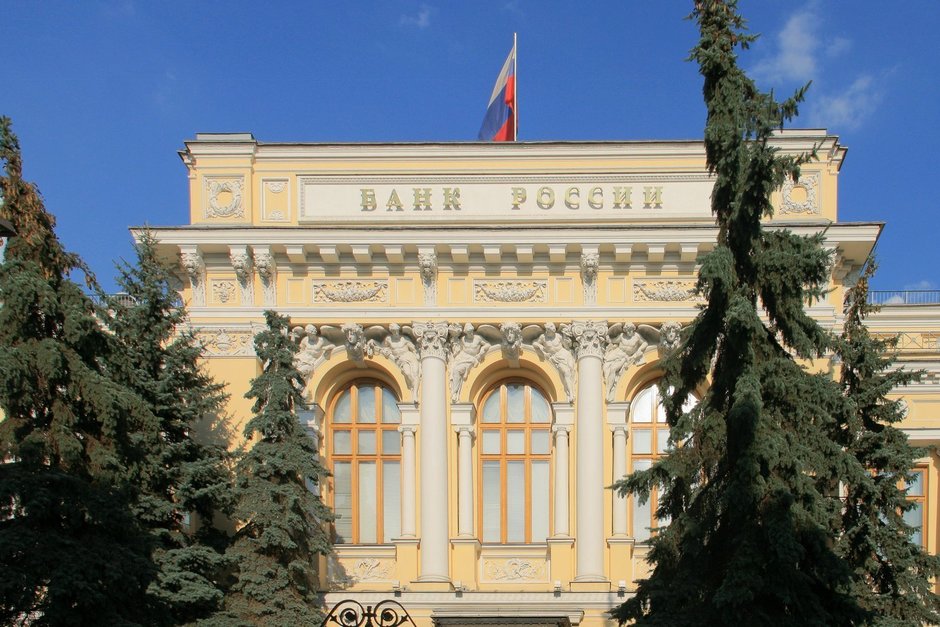
The Central Bank has reduced the key rate from 18% to 17%, supporting the disinflationary trend and stimulating the economy. The decision is driven by slowing inflation and the task of returning the country to the path of balanced growth. The regulator plans a cautious continuation of rate cuts in the coming months. Experts interviewed by Realnoe Vremya are divided in their opinions. Read more in the publication’s report.
Rate has fallen, and annual inflation will show 6–7% by the end of the year
The Board of Directors of the Bank of Russia has decided to cut the key rate by 100 basis points, setting it at 17% per annum. Despite the continued steady rise in prices above the 4% target level, the economy is showing a return to the trajectory of balanced development. This was reported by the regulator’s press service.
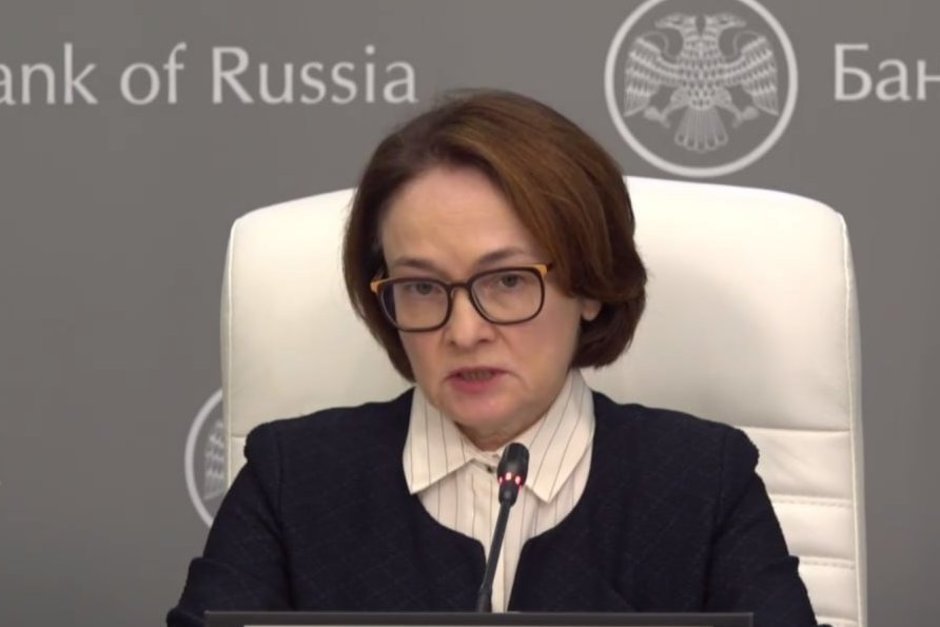
“In August, the overall price index traditionally decreased. This is largely explained by the seasonal fall in prices for vegetables and fruit. If we adjust the data for the seasonal factor, price growth amounted to about 4% in annualised terms. However, this does not mean that we have reached the target. The slowdown in August was largely linked to one-off and volatile factors. We are looking first and foremost at core inflation, whose indicators in recent months have remained in the range of 4–6%. The monetary policy being pursued has led to a marked decline in core inflation indicators since the start of the year. But we need time to consolidate the disinflationary trend. This is especially important in conditions of heightened inflationary expectations. They remain high and show almost no decline across all groups: the population, businesses and financial markets,” commented the head of the regulator, Elvira Nabiullina, on the decision to cut the key rate.
She expressed confidence that, provided budget parameters are observed and the external environment stabilises, the scope for further policy easing will remain. The Central Bank’s goal is to keep inflation at 4% next year, which will create the basis for sustainable economic growth and moderate interest rates.
Nabiullina added that the slowdown in inflation is partly linked to one-off factors such as the strengthening of the ruble and the recovery of lending. At the same time, the economy as a whole is moving closer to the lower boundary of this year’s forecast, although some sectors dependent on domestic demand are showing growth. Nabiullina drew attention to the decline in corporate investment and the persistence of low unemployment, despite isolated cases of employees being shifted to part-time work.
Reduction of the key rate can be interpreted as a sign of recession

Dmitry Kulikov, senior director of the Sovereign and Regional Ratings Group at ACRA, noted that the decision to cut the key rate by 1 percentage point is in line with the strategy of gradually easing monetary policy and is linked to the temporary effect of low inflation in the summer, driven by the strengthening of the ruble as well as the revival of bank lending.
According to the expert, future changes in the rate will depend on the draft budget presented by the government in the autumn, the price situation on commodity markets at the end of the year, and the international environment. Kulikov suggested that under a moderately conservative scenario, there could be two further cuts of 1 percentage point each at the remaining sessions of the Central Bank this year.

“Now people have a chance to invest in real estate thanks to the rate cut”
In turn, the Russian President’s Special Representative for Investment and Economic Cooperation with Foreign Countries, CEO of the Russian Direct Investment Fund (RDIF) Kirill Dmitriev wrote on his Telegram channel that such a decision paves the way for new investments.

The Chairman of the State Duma Committee on Financial Markets, Anatoly Aksakov, stressed that the Central Bank’s decision to cut the key rate is a balanced one and is aimed at supporting the disinflationary trend as well as creating favourable conditions for the recovery of economic activity. He noted that price dynamics vary across categories of goods: while food prices fell in the summer, the cost of meat and fish products continued to rise, and the prices of non-food goods also increased. Thus, the Bank of Russia faces two key tasks: to maintain control over inflation and inflation expectations by keeping monetary conditions tight, and at the same time to cautiously reduce borrowing costs for companies. Going forward, the regulator will be guided by federal budget forecasts and economic indicators, assuming the possibility of a series of further moderate steps to cut the rate, the outcome of which, according to Aksakov, could bring it to around 15% by the end of the year. If the pace of disinflation turns out to be faster than expected, the regulator may accelerate the rate-cutting process down to 14%, creating an additional stimulus for business activity growth.
Natalia Pyrieva, lead analyst at Tsifra Broker, noted that the Bank of Russia’s decision to cut the key rate was predictable given the macroeconomic environment. She emphasised that inflation is developing below forecasted levels, while the economy is slowing faster than expected. Although the seasonal fall in prices for fruit and vegetables created conditions for further policy easing, it proved insufficiently robust to ensure long-term stability of the disinflationary trend.
The continued rise in prices for non-food goods and services maintains high inflationary risks. Experts expect the year to end with the key rate at 15–16%. Deposit rates have already adapted to the regulator’s new decision, with no significant fluctuations anticipated. Banks will continue to gradually lower deposit rates, seeking to offset the high cost of attracted funds, while lending rates are expected to remain comparatively stable. Investors are advised to consider short-term instruments to protect their returns.
“The Bank of Russia’s decision to cut the key rate by 100 basis points, to 17%, reflects ongoing pro-inflationary risks: some experts had expected a reduction to 16%, but the regulator signals that the pace of price growth is still slow and may reach 5–6% by the end of the current year. Given the emerging positive trend in combating inflation, the possibility of a rate cut in October remains. How much the Central Bank will reduce it will depend on the CPI data for September. Thus, conservative investors are still interested in staying in rouble instruments, particularly deposits,” said Spartak Sobolev, head of Investment Strategy Research at Alfa-Forex, in a conversation with Realnoe Vremya.