“Russian melancholy”: demand for antidepressants in Russia has been growing for the third year in a row
Over the past six months, residents of the country have spent 4.6 billion rubles on tranquilizers

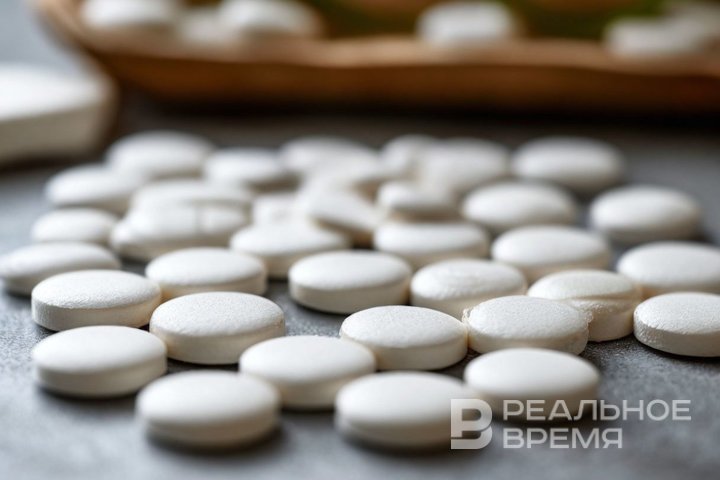
Russia has seen an increase in demand for antidepressants for the third year in a row. In the first quarter of 2025, residents of the country bought more than 9.3 million packages of anxiolytics (tranquilizers) worth 4.6 billion rubles.
Tatarstan was not among the regions with either the highest or lowest use of tranquilizers
According to the analytical company RNC Pharma, consumer spending increased by 16.9% compared to the same period last year. In 2024, the dynamics were slightly higher: +17.3%. The number of packages of antidepressants sold increased by 9.8%. This is almost twice as much as in 2024, when the growth rate was 4.9%.

Interestingly, Tatarstan was not among the regions with either the highest or lowest use of tranquilizers. Almost a third of the retail market's monetary volume — 32.8% — is accounted for by Moscow, the Moscow Region, St. Petersburg, and the Krasnodar Region, analysts noted. On the contrary, residents of the Nenets Autonomous Okrug (AO), Tuva, and the Chukotka AO bought antidepressants the least. In total, only 5.9 thousand packages of tranquilizers were sold in these three regions. At the same time, only the Chukotka AO recorded high sales growth rates (+21% in packages and +23% in rubles).
The physical volume of consumption of antidepressants decreased in only nine Russian regions. The leader among them was Kirov Oblast (-9%).
Top 10 Tranquilizer Brands by Sales Volume
Almost half of the Russian tranquilizer market — 45% — is accounted for by the Russian pills Afobazol from Otisifarm, analysts added. Its sales in the first and second quarters grew by 12%. Second place went to Grandaxin from Egis (+18%). The popularity of Strezam from the French Biocodex (+54% in rubles) and Ataracas from the Belgian USB Pharma (+23% in rubles) increased significantly.
As Vedomosti reported with reference to a report by the analytical company DSM Group, in the first two months of 2025 alone, pharmacy chains earned 2.8 billion rubles from selling antidepressants — 30% higher than a year earlier. Then, sales broke the record for the past five years. In January-February, Russians bought 3.2 million packages of pills in pharmacy chains.
RNC Pharma analysts also spoke about the growing popularity of antidepressants. According to their data, from January 1 to February 23, Russians bought 3.1 million packages of pills — 24.5% more in kind than in the same period in 2024. According to RNC Pharma Development Director Nikolai Bespalov, the country is seeing an increase in the physical consumption of antidepressants and a switch by buyers to more modern products in the upper price segment.
Commercial Director of Rigla Ilya Nikolaev stated that against the backdrop of the surge in popularity of antidepressants, buyers have become less interested in sedative dietary supplements. The growth in their sales in packages was only 1%, and in monetary terms, a 2% decrease was recorded. According to market representatives interviewed by Vedomosti, Russian patients have begun to choose the help of medical specialists more often.

According to the results of last year, Russians purchased almost 19 million packages of antidepressants for 14.4 billion rubles. Compared to 2023, sales increased by 20.2% in kind and by 35.9% in monetary terms.
Depression and anxiety are familiar to more than 60% of Russians
According to a study conducted by the Institute of Psychology of the Russian Academy of Sciences, at the end of last year, more than a third of respondents — 39% — had symptoms of depression. 24% of respondents faced difficult-to-control anxiety. Most often, such problems were observed among young people aged 18–24, residents of cities with a population of over a million, and Russians with low incomes. In general, anxiety-depressive symptoms are characteristic of 27% of Russians.
— On the one hand, this indicator is increased by economic fears, on the other hand, it is reduced by increased hopes for the imminent end of the SVO. At the same time, the number of Russians who believe that in the current circumstances what is happening in their lives depends only on them is decreasing. The decrease in subjective control and the growth of financial anxiety increase the susceptibility of Russians to manipulation by telephone scammers, — explained then the head of the laboratory of social and economic psychology of the Institute of Psychology of the Russian Academy of Sciences Timofey Nestik.